



Advanced Navigation examines the engineering considerations behind selecting an INS or IMU for autonomous vehicle applications in its latest technical feature, “INS vs IMU: The Build vs Buy Navigation Decision for Autonomous Vehicles.”
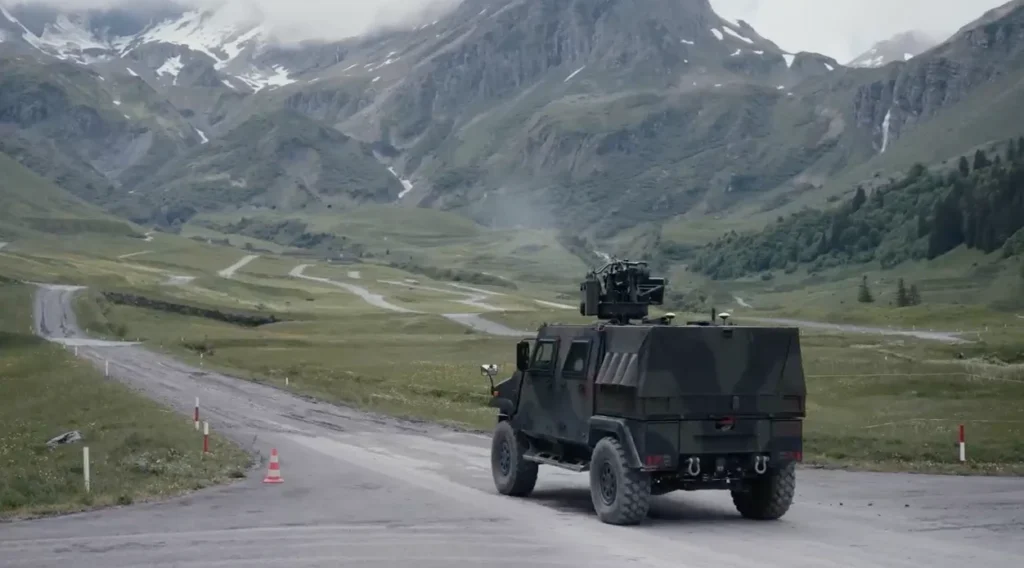
The article explores how these two technologies support navigation architectures for platforms operating in environments where reliable positioning is required, including situations where GNSS signals may be unavailable.
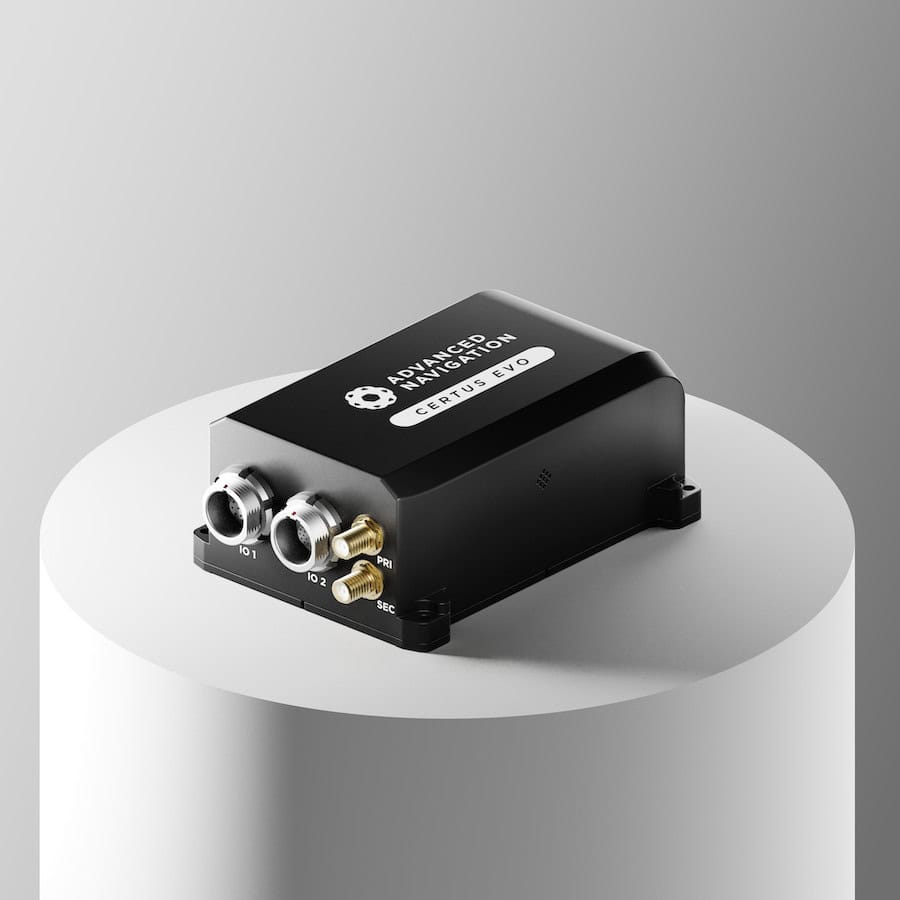
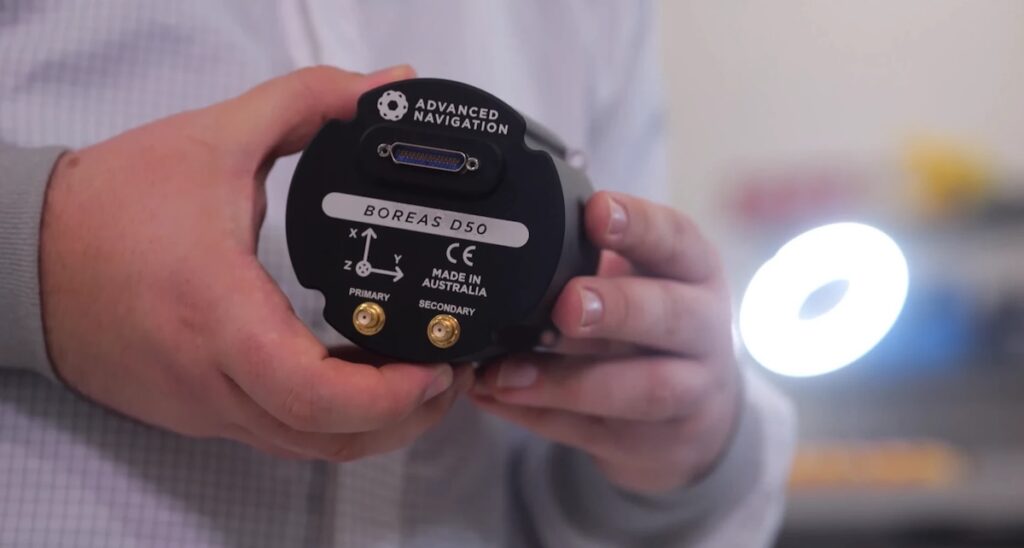
The feature explains the distinction between Inertial Measurement Units (IMUs), which provide raw motion measurements from accelerometers and gyroscopes, and INS solutions, which combine inertial sensing with processing capabilities and sensor fusion algorithms to deliver navigation outputs such as position, velocity, and orientation. It examines how the choice between these approaches affects system design, engineering resources, and development timelines.
Advanced Navigation’s article also considers the practical implications of building a navigation solution from individual sensor components versus integrating a complete navigation system. It outlines the factors engineering teams must evaluate when determining whether they require the flexibility of a standalone IMU architecture or the integrated functionality of an Inertial Navigation System (INS) for applications including autonomous vehicles, drones, and other robotic platforms.
Read the full feature, “INS vs IMU: The Build vs Buy Navigation Decision for Autonomous Vehicles,” to explore the technical differences between these navigation approaches and the considerations involved in selecting the right solution for an autonomous system.