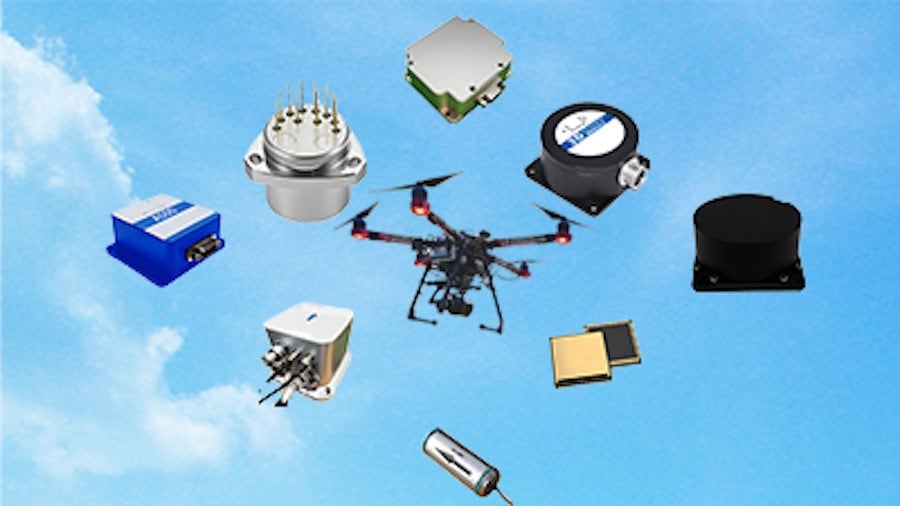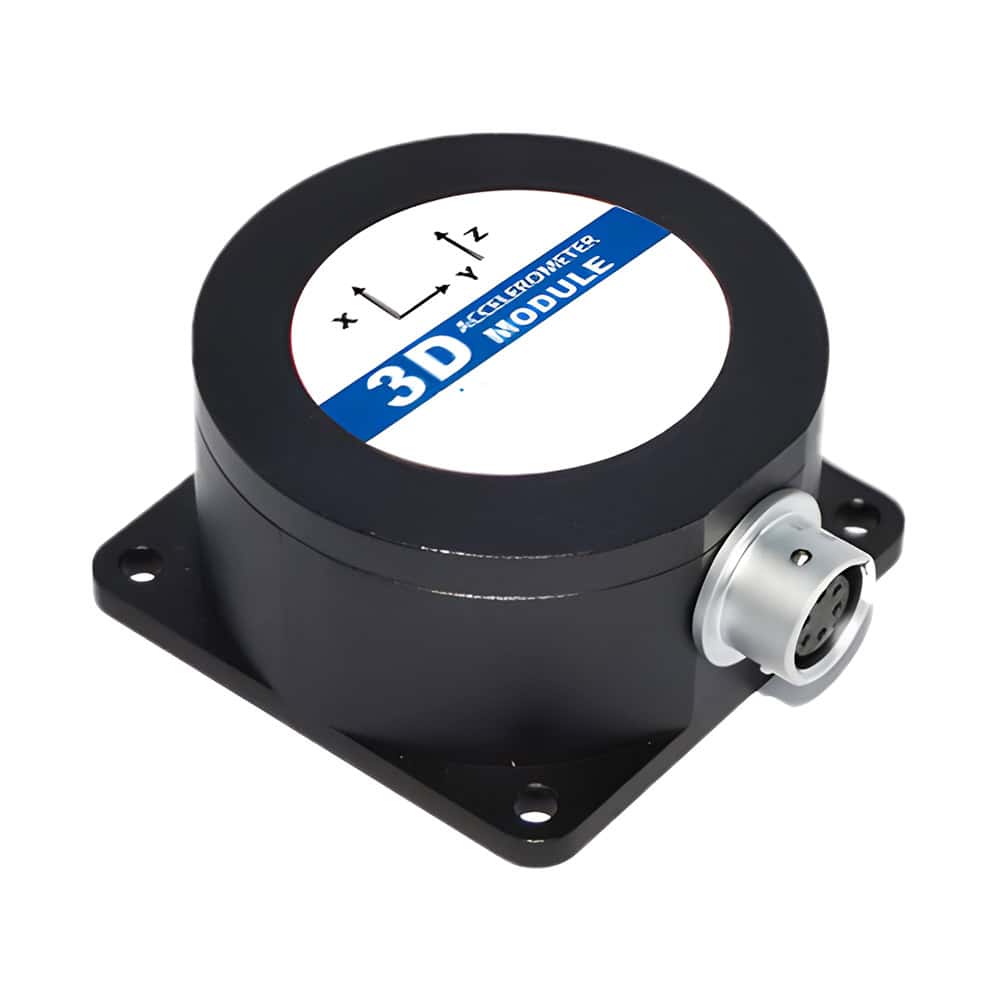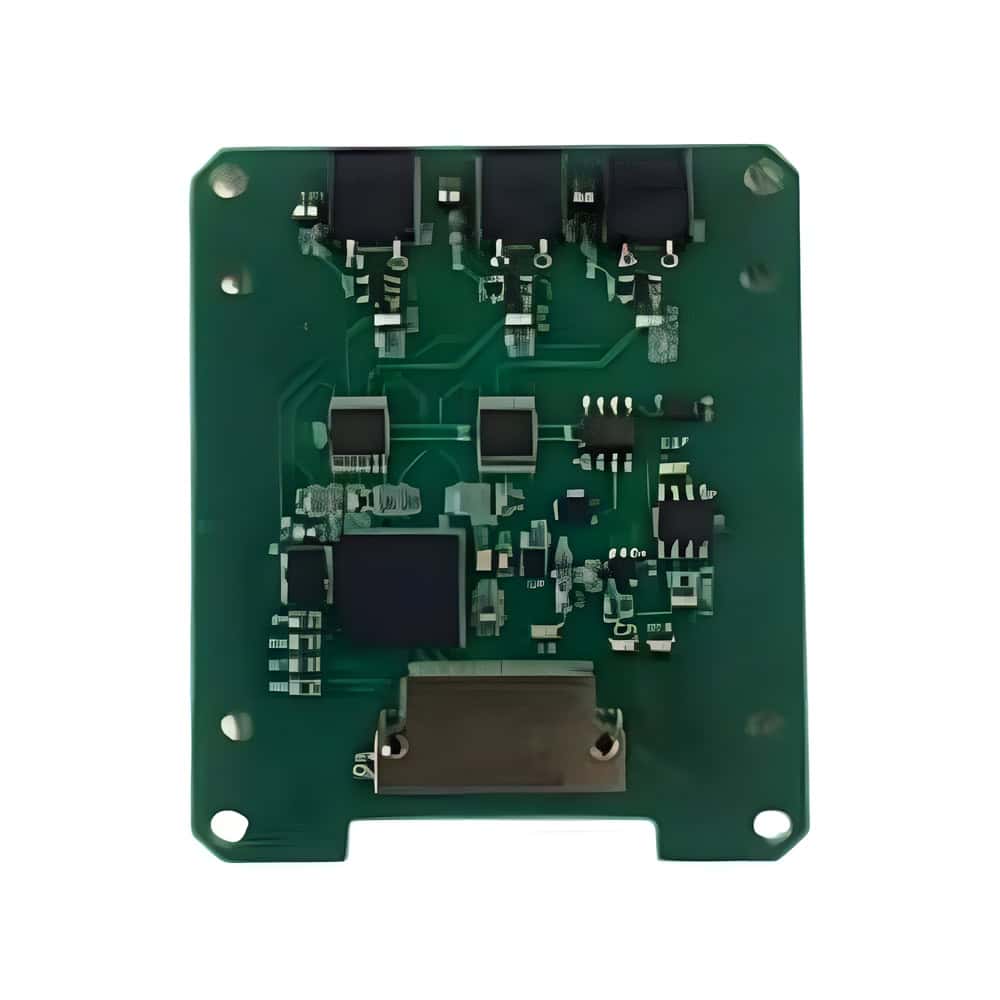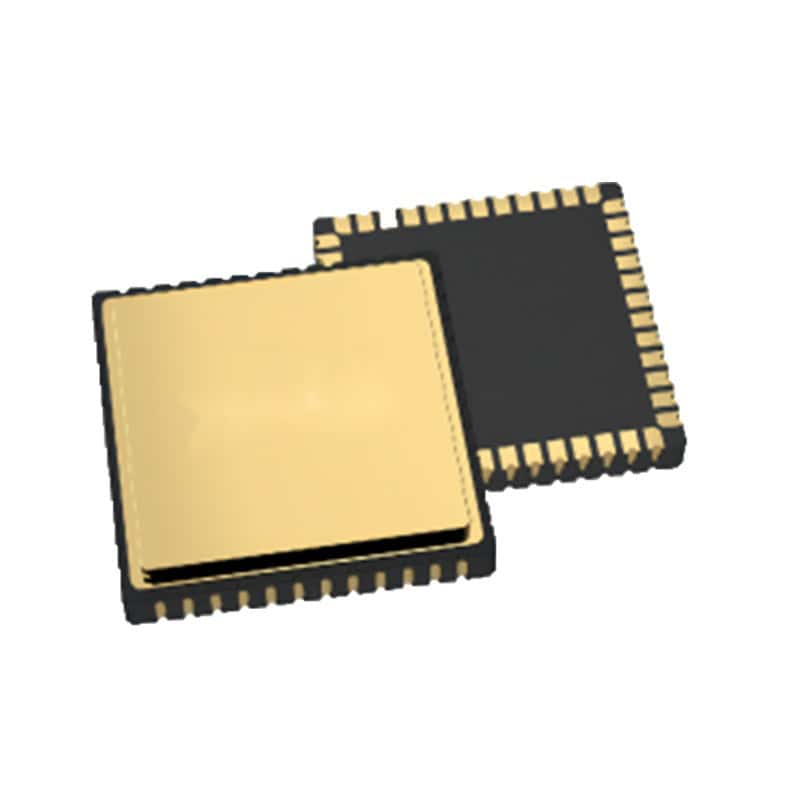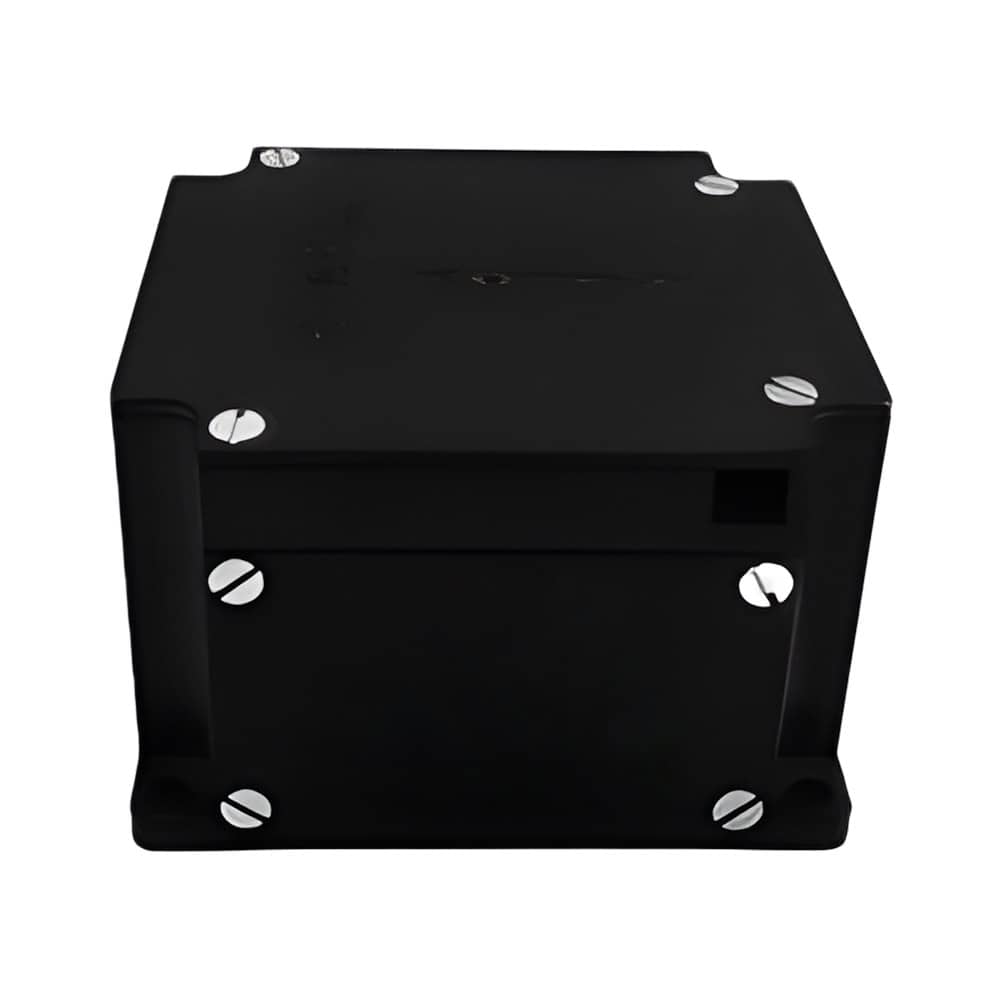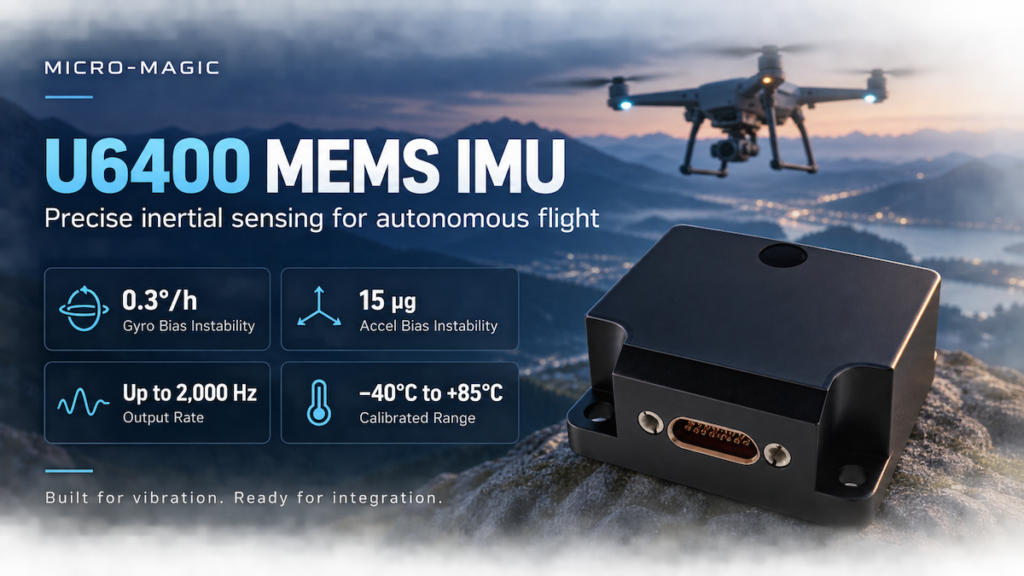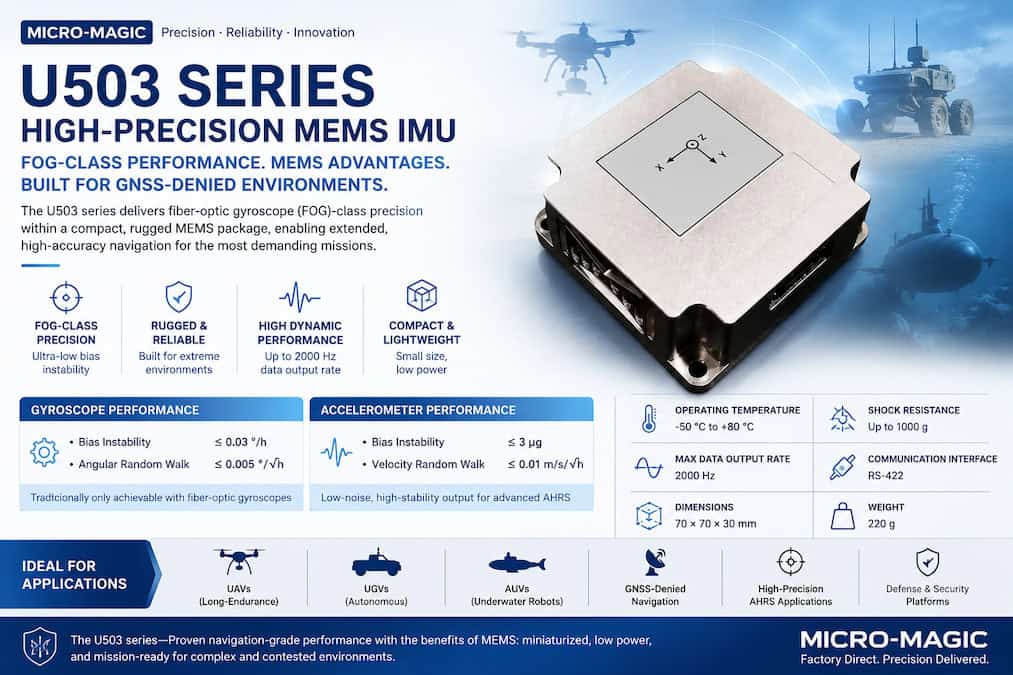



High-speed maneuvering places significant demands on inertial sensors, particularly when rapid angular motion exceeds conventional gyroscope measurement ranges or introduces response delays. Micro-Magic Inc.’s MG series of ultra-wide-range MEMS gyroscopes addresses these requirements through measurement ranges spanning ±100°/s to ±10800°/s, combining extended angular rate measurement with low latency and high bandwidth.
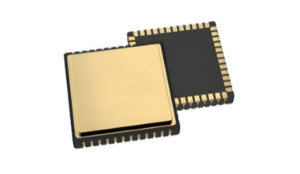
MG series MEMS gyroscope
The product family positions its ±4000°/s-class models as the primary measurement range for high-speed motion control applications.
Inertial Sensing Challenges in High-Speed Maneuvering
As unmanned platforms operate at higher speeds and undertake increasingly complex maneuvers, front-end inertial sensor performance becomes an important factor in motion control system design.
Conventional MEMS gyroscopes can experience measurement saturation or noticeable response delays when subjected to high angular rates. These conditions may arise during sharp turns by high-speed unmanned aerial vehicles (UAVs), off-road operation of unmanned combat vehicles, or rapid robotic joint movements.
Maintaining accurate and timely angular rate measurements under these conditions requires sensors that combine an appropriate measurement range with the dynamic performance necessary for closed-loop control.
The MG series incorporates a 24-bit resolution architecture and supports a maximum data output rate of up to 12 kHz. Most high-range models feature group delay below 1.5 ms, while bandwidth exceeds 180 Hz.
High-Bandwidth and Low-Latency Angular Rate Measurement
The combination of high data output rates, low group delay, and extended measurement range is particularly relevant to applications involving rapid changes in platform orientation, where measurement responsiveness is important for attitude determination and stabilization control.
Within the ±4000°/s measurement class, the MG-4001 offers the following performance specifications:
- Bias instability below 0.3°/h
- Angular random walk below 0.25°/√h
- Broadband noise peak-to-peak below 1°/s
- g-sensitivity below 1°/h/g
- Vibration rectification error below 1°/h/g
These parameters are relevant to maintaining usable angular rate measurements during rapid maneuvering and in environments subject to vibration.
The MG-4001 combines its ±4000°/s measurement range with specified noise, stability, and vibration-related performance characteristics relevant to attitude determination and stabilization during rapid maneuvering.
Environmental Resistance and Integration Requirements
Unmanned platforms can expose inertial sensors to substantial vibration, mechanical shock, and temperature variation. Environmental resistance is therefore an important consideration alongside measurement performance.
The MG series supports an operating temperature range of -40°C to +85°C, with vibration resistance reaching 18 grms and shock resistance of up to 500g/1ms.
For electrical integration, the series operates from a 5V supply with typical current consumption of 45 mA. These characteristics are relevant to unmanned systems with defined power consumption and supply architecture requirements.
A startup time of 750 ms also supports applications requiring rapid power-on readiness.
Together, these specifications provide defined operating parameters for engineers assessing sensor integration into unmanned platforms exposed to demanding motion and environmental conditions.
Measurement Range Options Across the MG Series
The MG series comprises multiple models covering different measurement ranges and accuracy grades, allowing sensor selection to be matched to the expected motion profile of a particular application.
The product family includes:
- Low-range models: The MG-101 and MG-102 target high-precision attitude measurement applications.
- Mid-range models: The MG-301 and MG-401 balance measurement range and stability, providing options for general unmanned platform applications.
- High-range models: The MG-4001, MG-8001, and MG-10800 provide measurement ranges of ±4000°/s, ±8000°/s, and ±10800°/s, respectively. These configurations address applications involving high-speed rotation, high maneuverability, and extreme angular rates.
The availability of different measurement ranges and accuracy grades allows designers to consider the trade-offs between range, accuracy, and cost according to the operating requirements of individual platforms.
Matching Gyroscope Performance to Motion Control Requirements
For high-speed unmanned systems, gyroscope selection involves more than identifying the maximum angular rate a sensor can measure. Bandwidth, latency, measurement stability, and environmental resistance must also be considered when evaluating suitability for motion control.
The MG series combines measurement ranges extending to ±10800°/s with low-latency output, high bandwidth, and specified environmental resistance.
Its range of configurations provides options for applications involving high-speed UAVs, unmanned combat vehicles, and robots undertaking rapid joint movements, where timely angular rate measurements are important for motion control.