Selecting the right SWIR payload for UAV integration means balancing imaging performance with strict size, weight, power, and system architecture requirements. New Imaging Technologies explores the key parameters manufacturers and integrators should consider, from resolution, sensitivity, and frame rate to interfaces, optics, and environmental robustness.
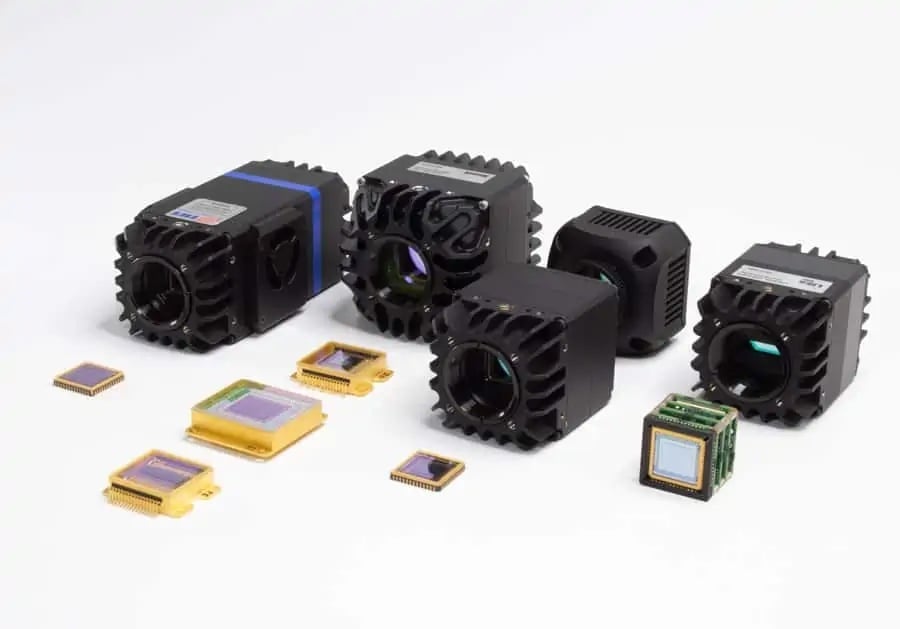
NIT also examines how it is supporting flexible UAV integration with a range of compact SWIR sensor, board-level, and camera solutions.
Balancing Performance and Integration Constraints
For UAV manufacturers and system integrators, selecting an appropriate SWIR payload requires careful consideration of both performance and integration constraints. Key challenges include Size, Weight, and Power (SWaP) limitations and integration complexity within existing platforms.
Key Parameters to Evaluate
Sensor Resolution vs Mission Needs
Higher resolution supports identification at distance but must be balanced against bandwidth and processing requirements.
Sensitivity
High sensitivity is critical for maintaining image quality in low-signal environments and at extended ranges.
Exposure Time Constraints
Short exposure times are essential for high-speed imaging, gated imaging applications, and reducing motion blur in aerial platforms.
Noise Performance
Low noise levels contribute to improved image clarity and more reliable detection.
Frame Rate vs Application
Frame rate requirements depend on mission type:
- Surveillance → moderate frame rates
- Tracking and fast movement→ higher frame rates
System-Level Considerations
Lens compatibility
Optical performance must match sensor characteristics and mission requirements.
Interfaces
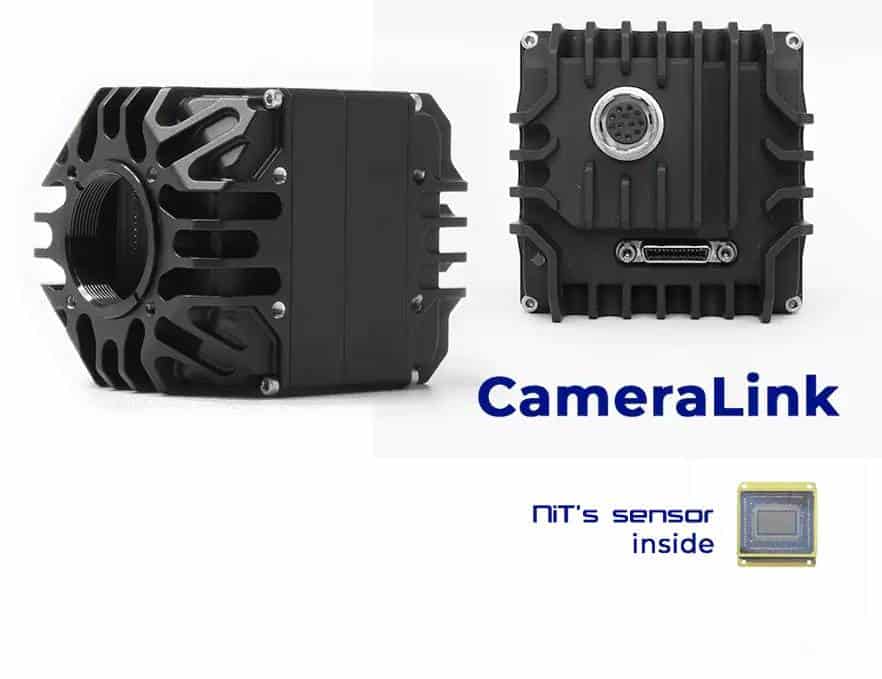
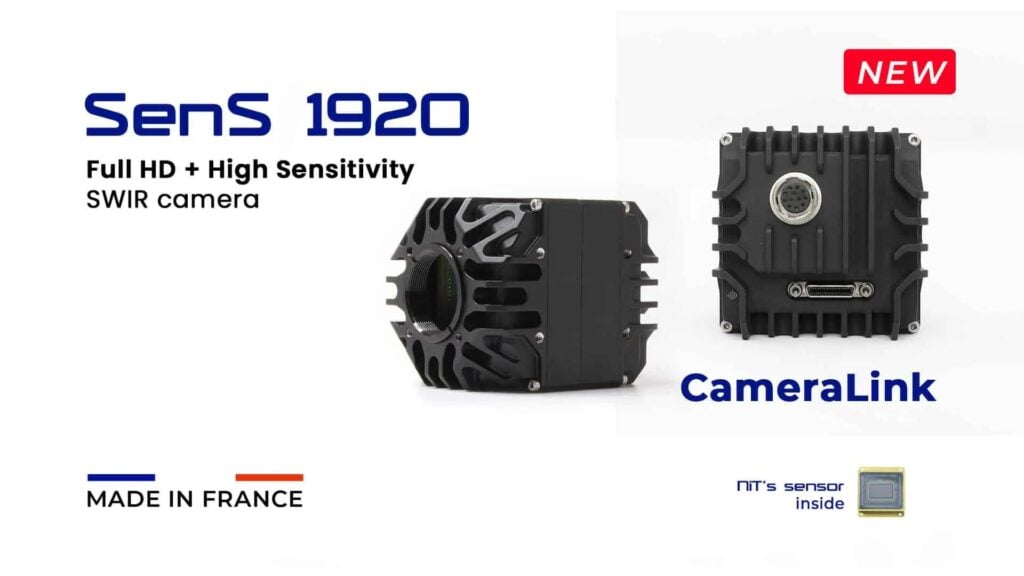
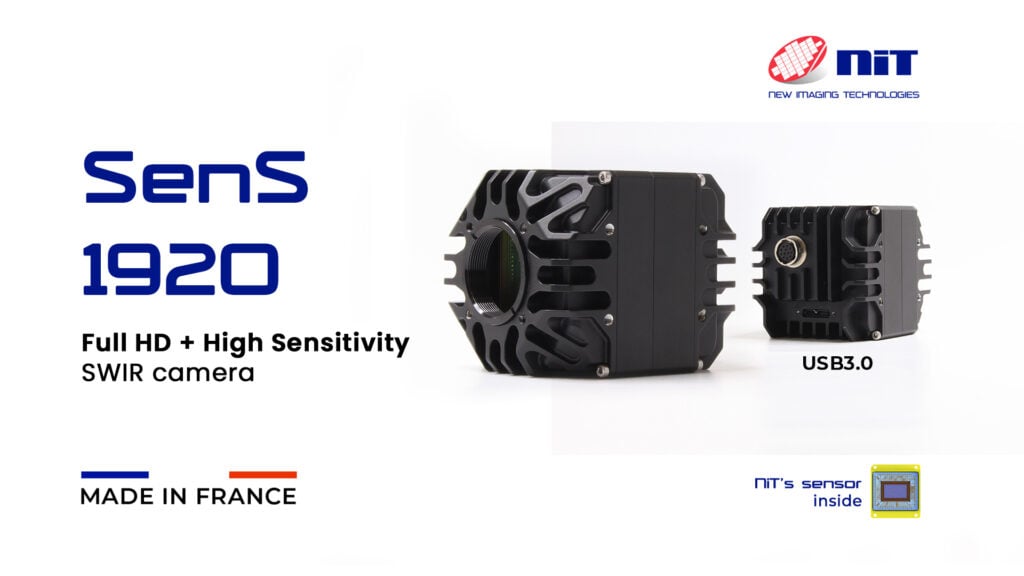
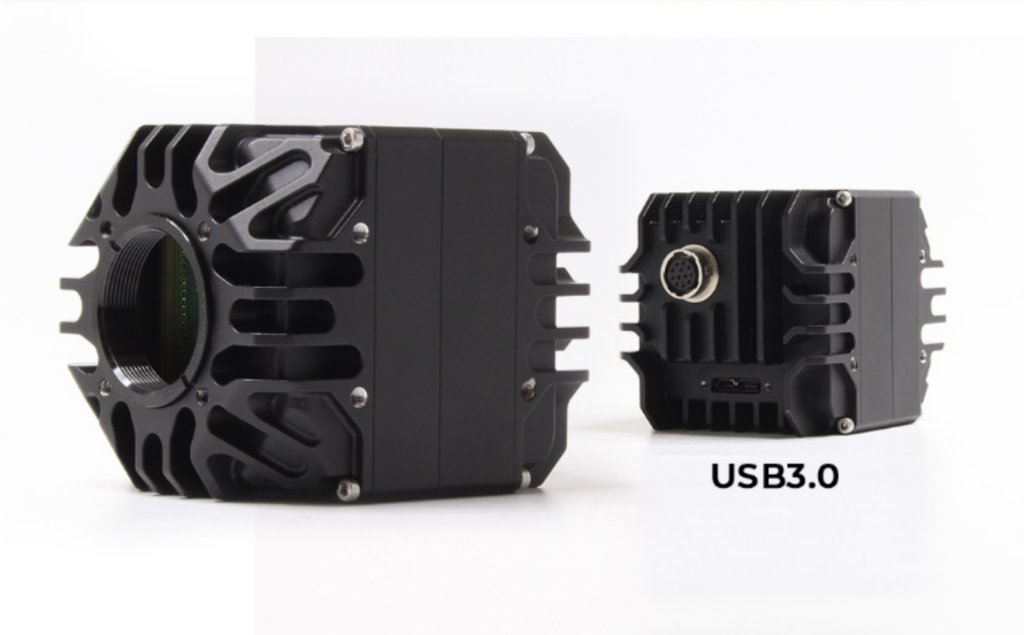
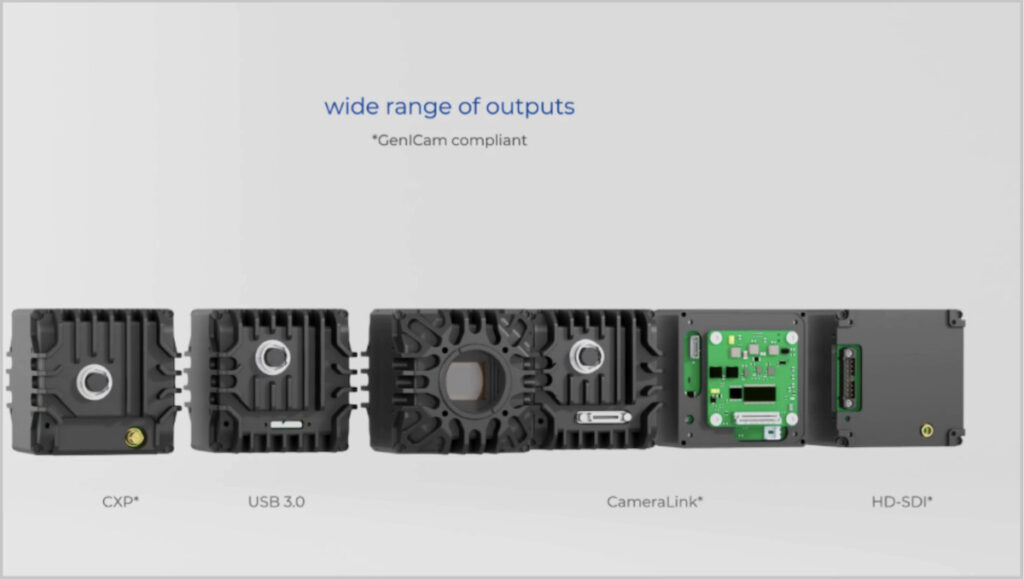
Compatibility with system architecture (e.g., CameraLink, GigE, USB3.0, HD-SDI).
Environmental robustness
Ability to operate under vibration, temperature variations, and outdoor conditions
Integration Considerations
Selecting a SWIR payload involves trade-offs between performance and SWaP constraints. Integrators must balance imaging performance, payload weight, power consumption, and system complexity.
NIT’s SWIR Solutions for Flexible Integration
NIT provides SWIR solutions designed to simplify integration:
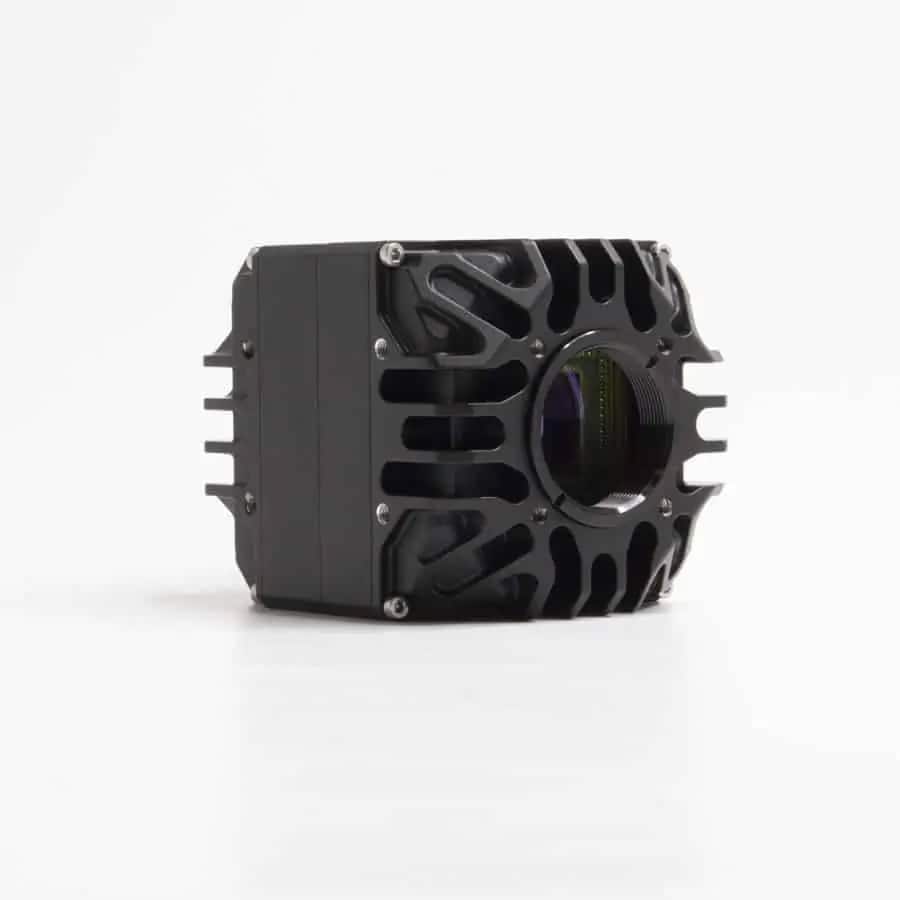
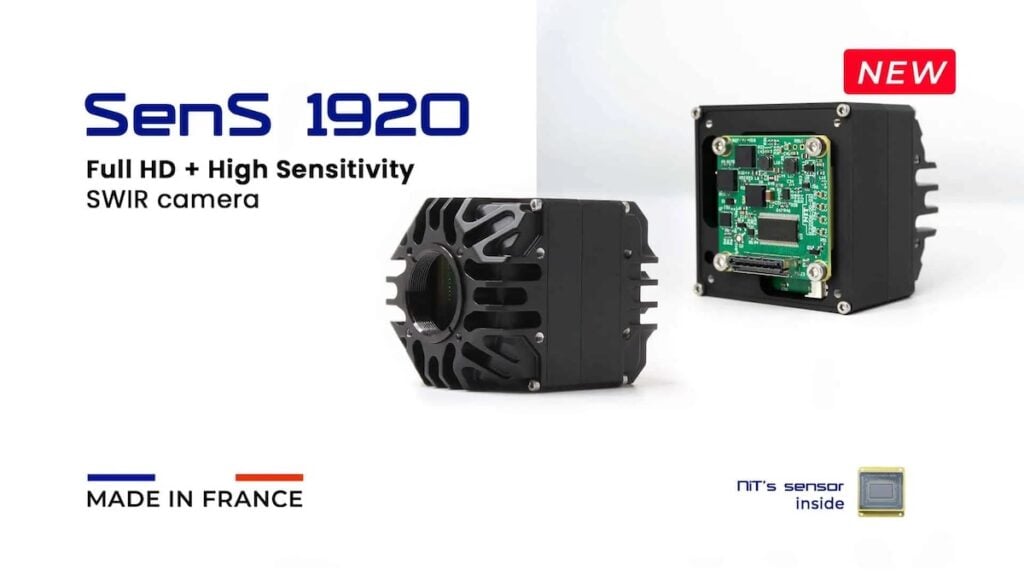
- Formats: sensor, board, camera (with or without housing)
- Resolution: qVGA to Full HD
- High dynamic range: up to 120 dB
- High sensitivity, low read-out noise (25e-)
Interfaces include USB3.0, CameraLink (GenICam compliant), HD-SDI, and more.
Selecting a SWIR payload is not only about specifications—it is about aligning performance with mission requirements and integration constraints. Choosing the right solution ensures optimal balance between capability, efficiency, and system integration.