


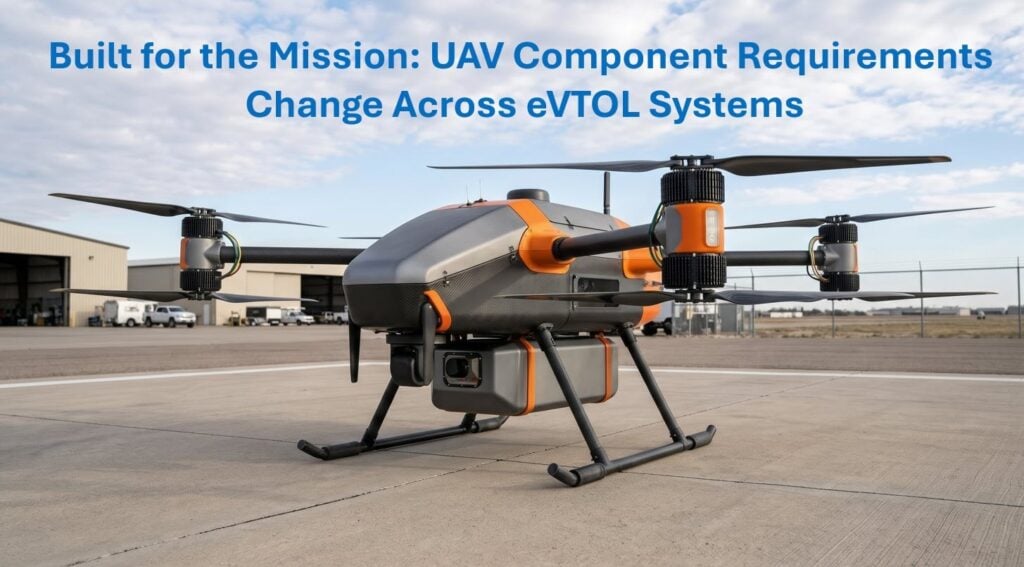
UAV Propulsion Tech examines the component requirements of electric Vertical Take-Off and Landing (eVTOL) aircraft, highlighting how propulsion, power generation, thermal management and flight control systems must be matched to the aircraft’s mission profile and operating conditions. Read more >>
Lift motor and propeller selection requires careful consideration of power, weight, thrust and thermal performance across vertical take-off, hovering, transition and forward flight. Plettenberg’s NOVA electric motors and Mejzlik’s carbon fiber propellers provide component options for different propulsion configurations and operational requirements.
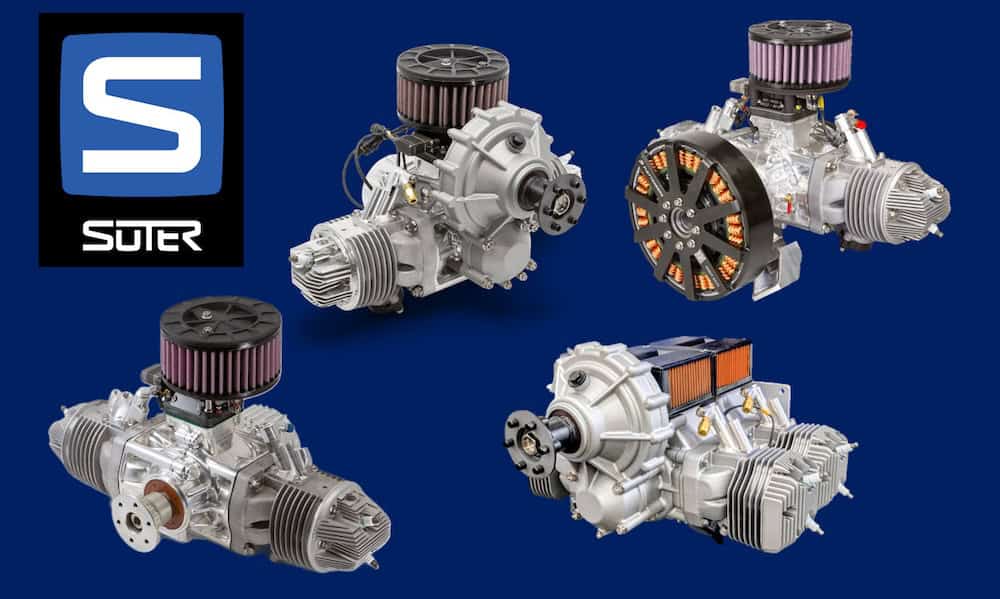
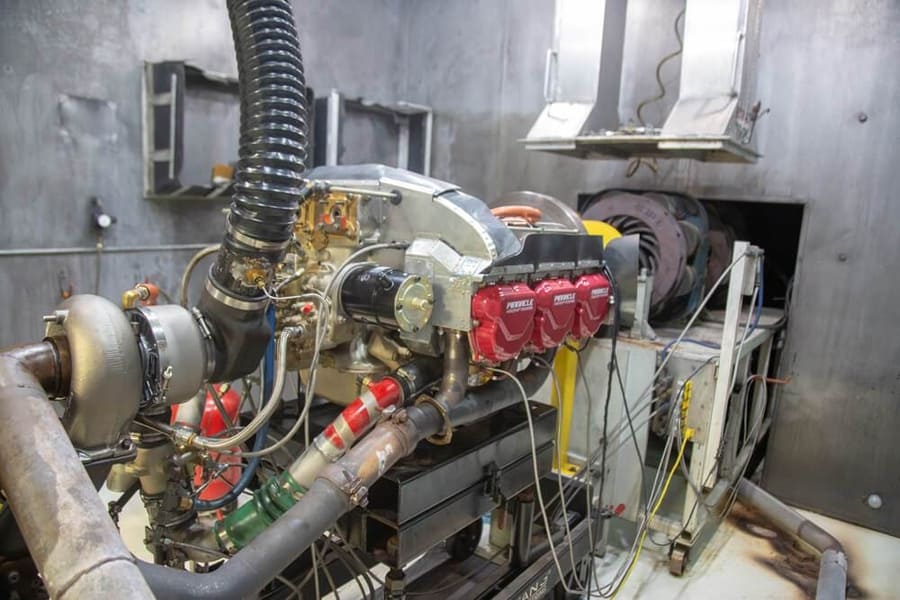
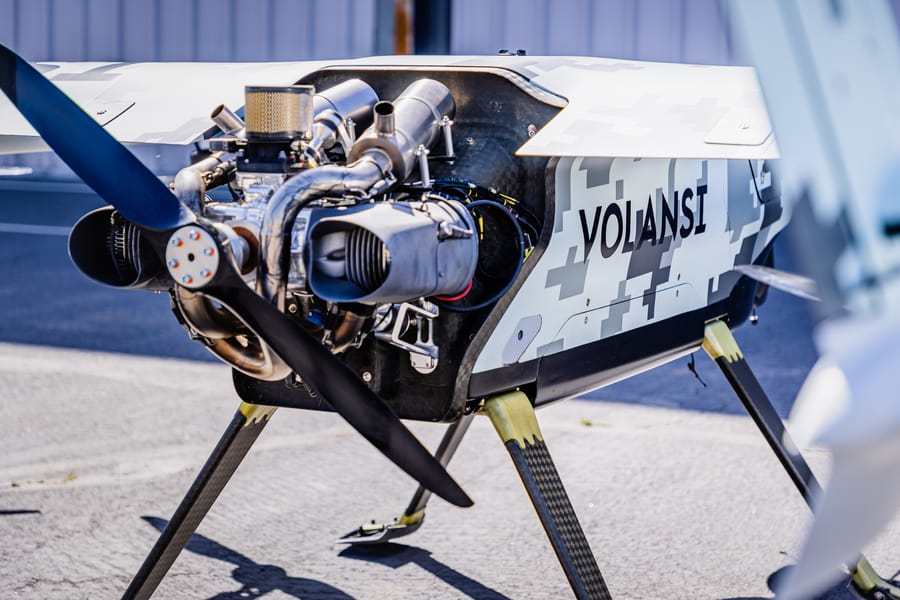
For hybrid-electric architectures, generator sizing is a critical consideration. Suter’s TOA 330-APU provides an integrated engine-generator solution, delivering 17 kW of continuous electrical output at 60 V DC, with its suitability dependent on the aircraft’s electrical architecture and mission demands.
Thermal management must also account for variations in airflow throughout different flight phases and component placement within the airframe. Suter’s engineering approach considers cooling alongside mounting, exhaust systems, generator configuration and electrical connections.
Embention’s Veronte Autopilot solutions support propulsion coordination, flight transitions and autonomous operations across multiple eVTOL configurations, alongside hardware redundancy and certification support. The feature emphasizes the importance of component integration in meeting mission-specific power, endurance and reliability requirements.
To find out more about component selection, propulsion integration and mission-specific requirements for eVTOL aircraft, visit the UAV Propulsion Tech website.