RuggON explores how unmanned systems are developing into AI-assisted tools for rescue and emergency response, supporting safety, speed, and situational awareness across land, road, and maritime environments. Read more >>
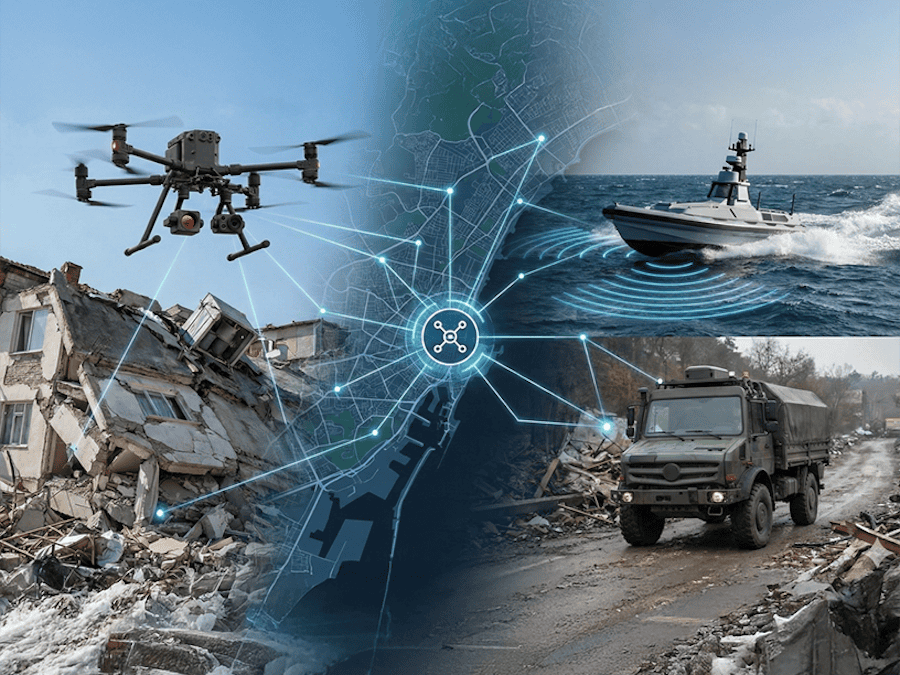
Advances in AI, robotics, automotive intelligence, and marine autonomy are moving these systems beyond manually operated platforms toward AI-assisted partners for first responders. Natural disasters, industrial accidents, and maritime incidents often extend across multiple operating environments, including urban roads and highways, ports and coastlines, offshore environments, collapsed structures, and rugged terrain. Unmanned platforms can provide access and visibility where human responders face elevated risk.
AI at the Edge for Ground-Based Rescue
AI at the edge is central to this development, using technology originally refined in robotics and intelligent vehicles and now adapted for unmanned rescue platforms. It allows unmanned systems to interpret visual, thermal, radar, and sonar data in real time, detect survivors, hazards, and structural changes, navigate dynamically in unpredictable environments, and assist operators with prioritized, actionable insights.
Advances in automotive AI and driver-assistance systems have also transformed vehicles into intelligent, semi-autonomous platforms capable of supporting rescue operations. Unmanned or remotely assisted ground vehicles can access disaster zones blocked to human responders, transport supplies, medical equipment, or sensors, support evacuation coordination and traffic control, and operate continuously in hazardous conditions. In emergency response, cars and ground vehicles can function as unmanned systems on wheels, extending reach while reducing risk.
Maritime Autonomy & Cross-Domain Operations
Maritime emergencies create particular operational challenges because of limited visibility, harsh weather, and the scale of the areas involved. Unmanned surface and underwater vehicles can support rapid search-and-rescue activity, track survivors, vessels, or environmental hazards, function in rough seas or contaminated waters, and assist with offshore and coastal emergency response. AI-assisted autonomy can allow these platforms to remain operational for longer periods while improving safety and efficiency compared with traditional methods alone.
In high-pressure rescue situations, operators may need to act quickly despite having incomplete information, and AI-assisted autonomy can move more of the workload away from direct manual control and toward decision support and mission execution. This can accelerate situational assessment, lessen cognitive demands on responders, maintain operations despite degraded communications, and strengthen coordination across air, land, and marine platforms. The aim is not full autonomy, but trusted autonomy that enhances human capability.
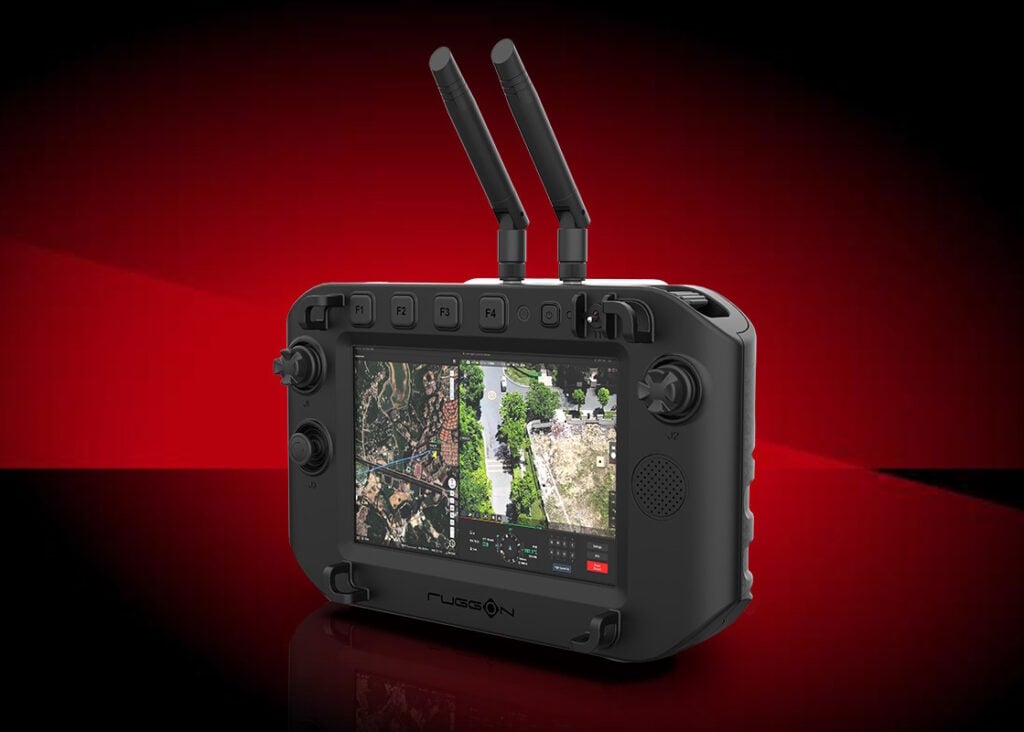
These applications require rugged, mission-ready platforms capable of operating in extreme heat, vibration, moisture, and connectivity-limited conditions. Reliable edge computing, secure communications, and intuitive human-machine interfaces are essential for maintaining effective operation in demanding rescue environments. Bringing AI, automotive intelligence, and marine autonomy together reflects the move toward cross-domain integration in unmanned rescue and emergency response.
Read ‘The Future of Unmanned Systems: AI-Assisted Autonomy for Rescue Across Land, Sea, and Roads’ for more information.