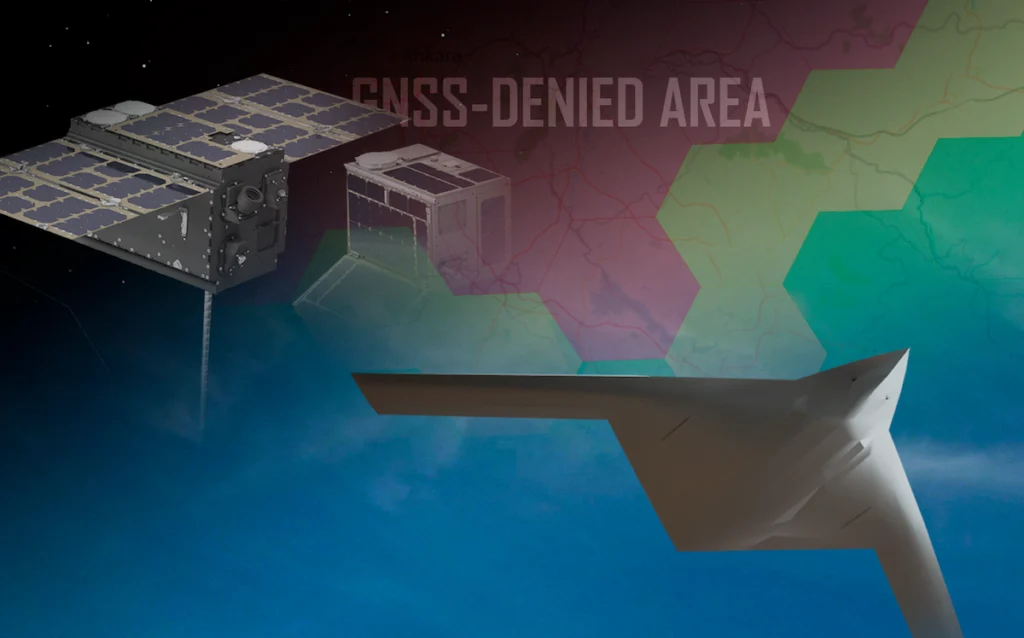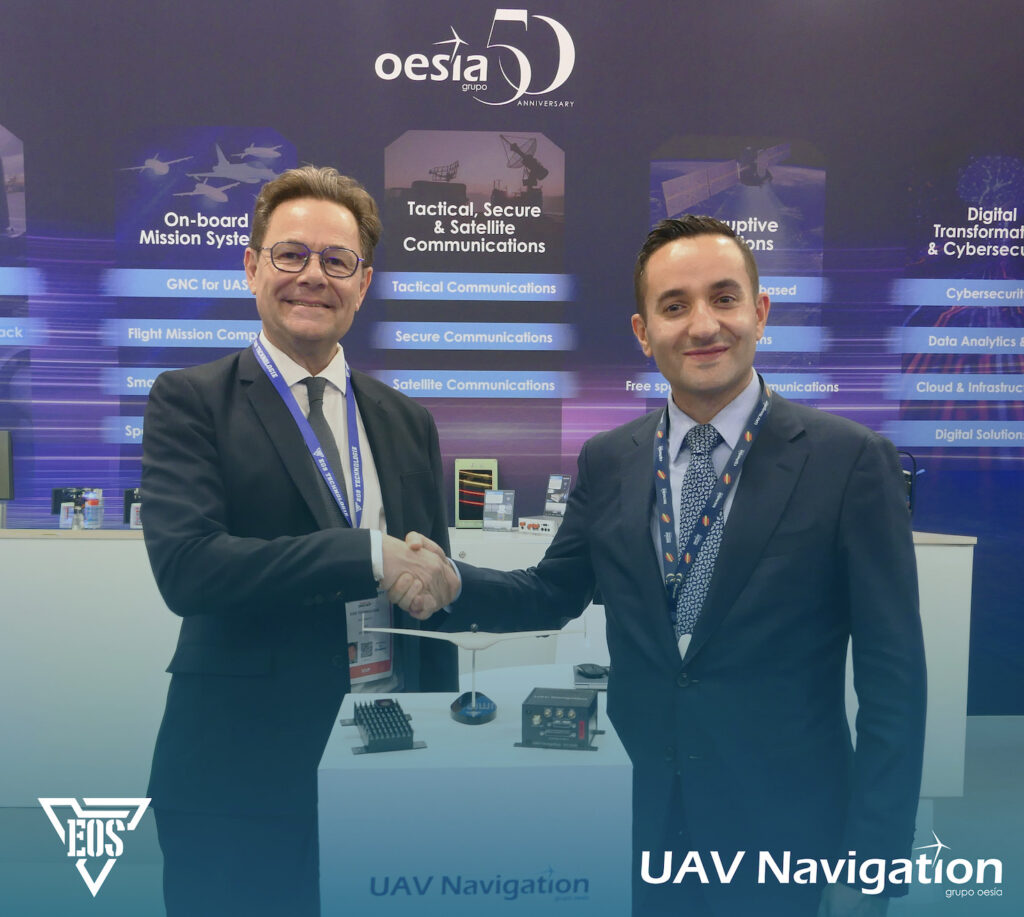
In this interview with Miguel Ángel de Frutos Carro, Director and CTO at UAV Navigation-Grupo Oesía, the discussion explores how autonomous Unmanned Aerial Vehicles (UAVs) can maintain navigation, coordination, and mission continuity when GNSS signals are degraded or completely unavailable.
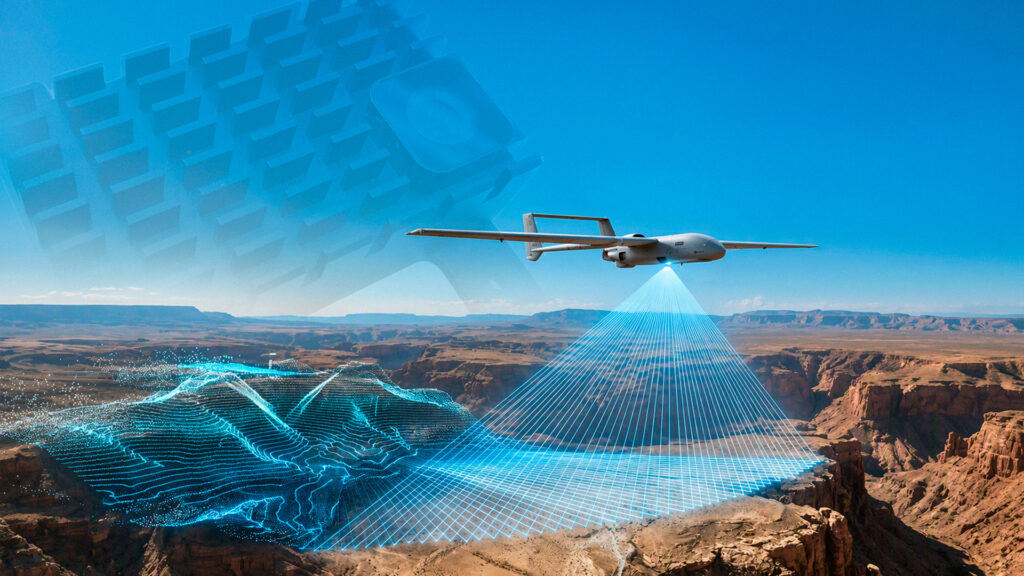
The company’s approach is based on robust inertial navigation and multi-sensor fusion, combining inputs from air data systems, magnetometers, visual navigation, and Signals of Opportunity (SoOp) to support progressively degraded rather than abruptly lost navigation performance.
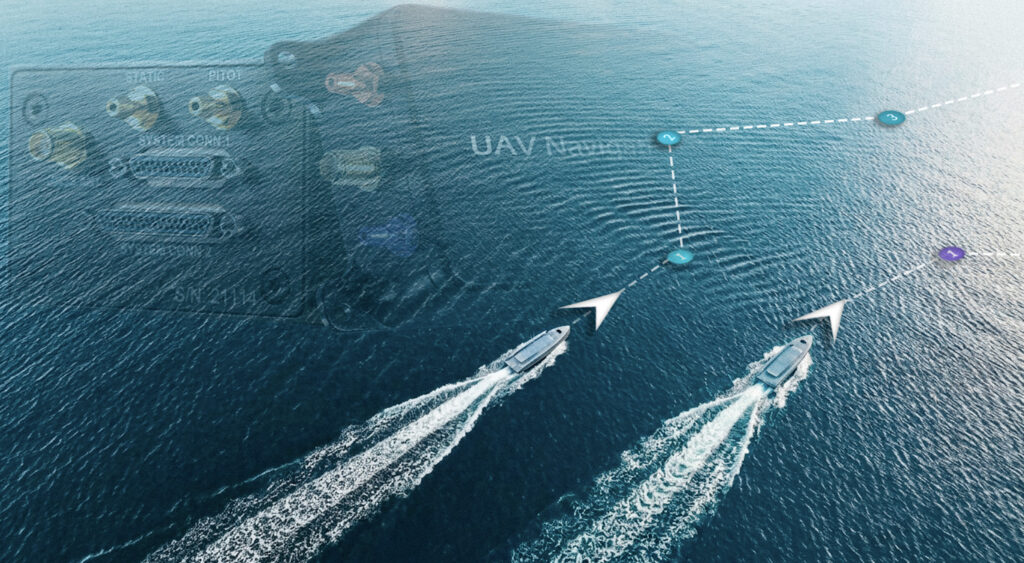
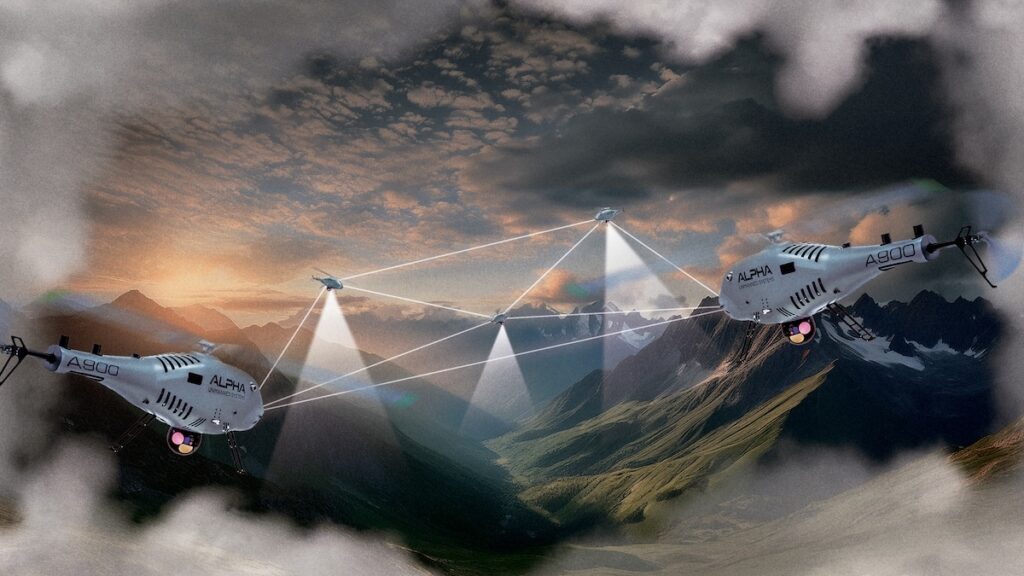
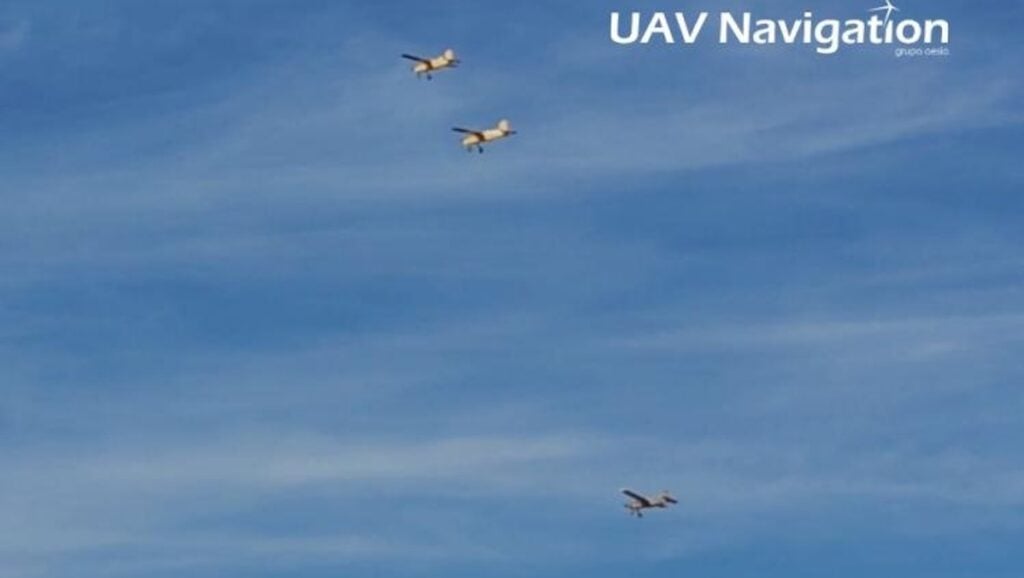
The interview also examines how UAV formations can maintain safe and coherent behavior when RF communications are contested. While tight formation flight depends on inter-vehicle connectivity, UAV Navigation-Grupo Oesía is developing complementary technologies including vision-based relative awareness and Free Space Optical Communications (FSOC) to improve resilience when RF links become degraded or unavailable.
For attritable UAVs, Miguel Ángel de Frutos Carro outlines the importance of keeping safety-critical and mission-essential autonomy onboard. Guidance, navigation and control, contingency management, vehicle health monitoring, and GNSS-independent navigation must remain available without external connectivity, while more computationally intensive functions such as mission planning, route optimization, map preparation, and AI model training can be handled offboard or before deployment.
The interview further considers how real-world contested-environment feedback is shaping software development, while also examining interoperability, scalable production, data availability, and the broader engineering challenges surrounding GNSS-denied operations.