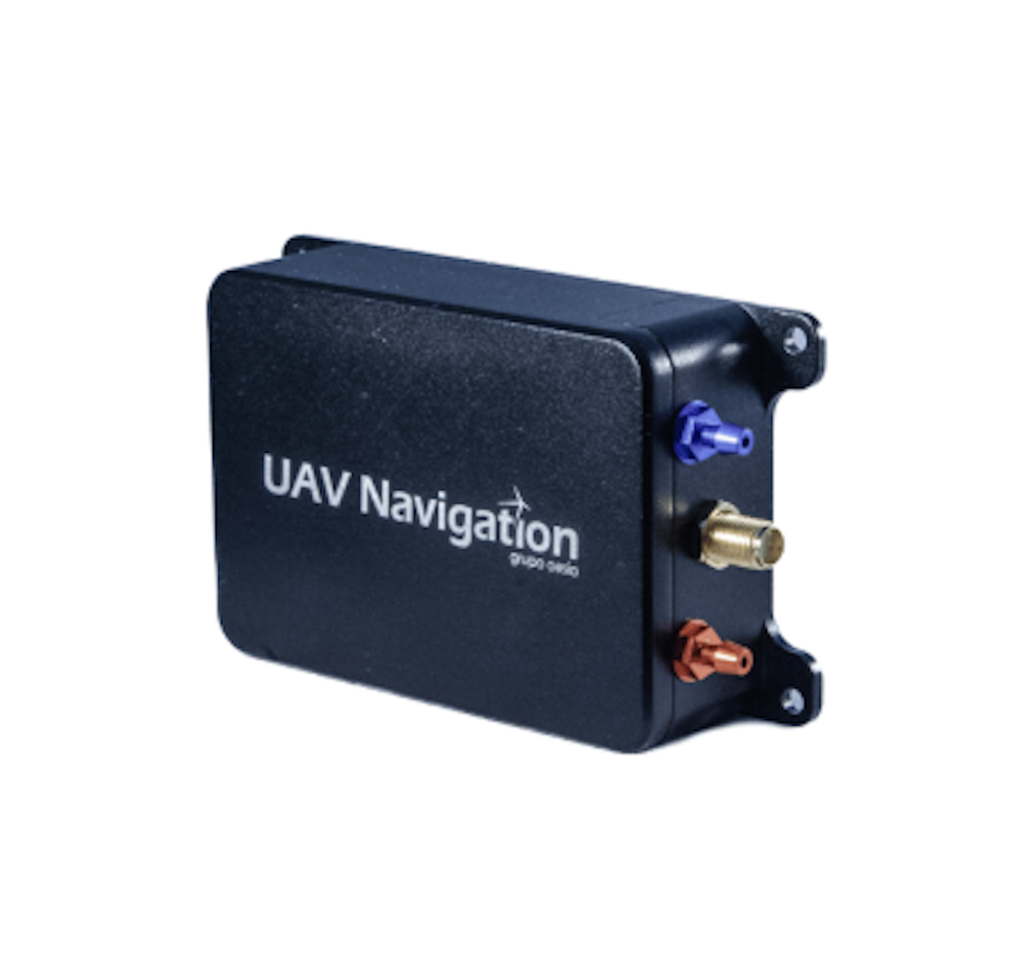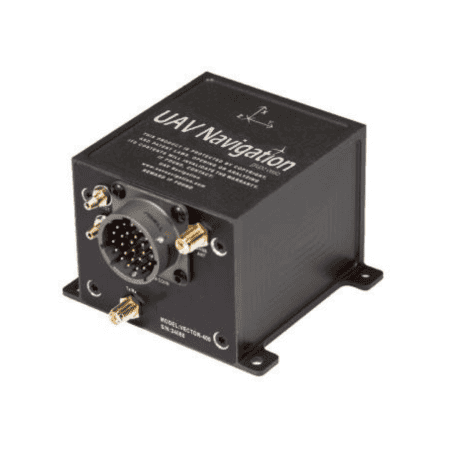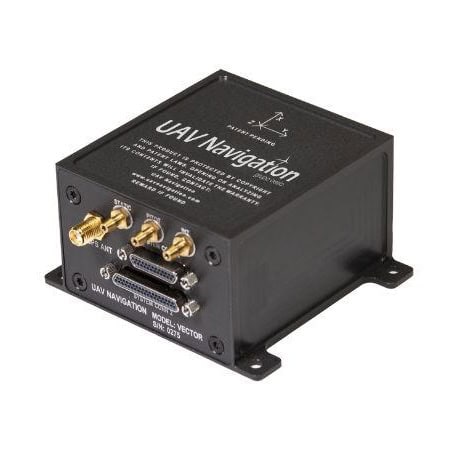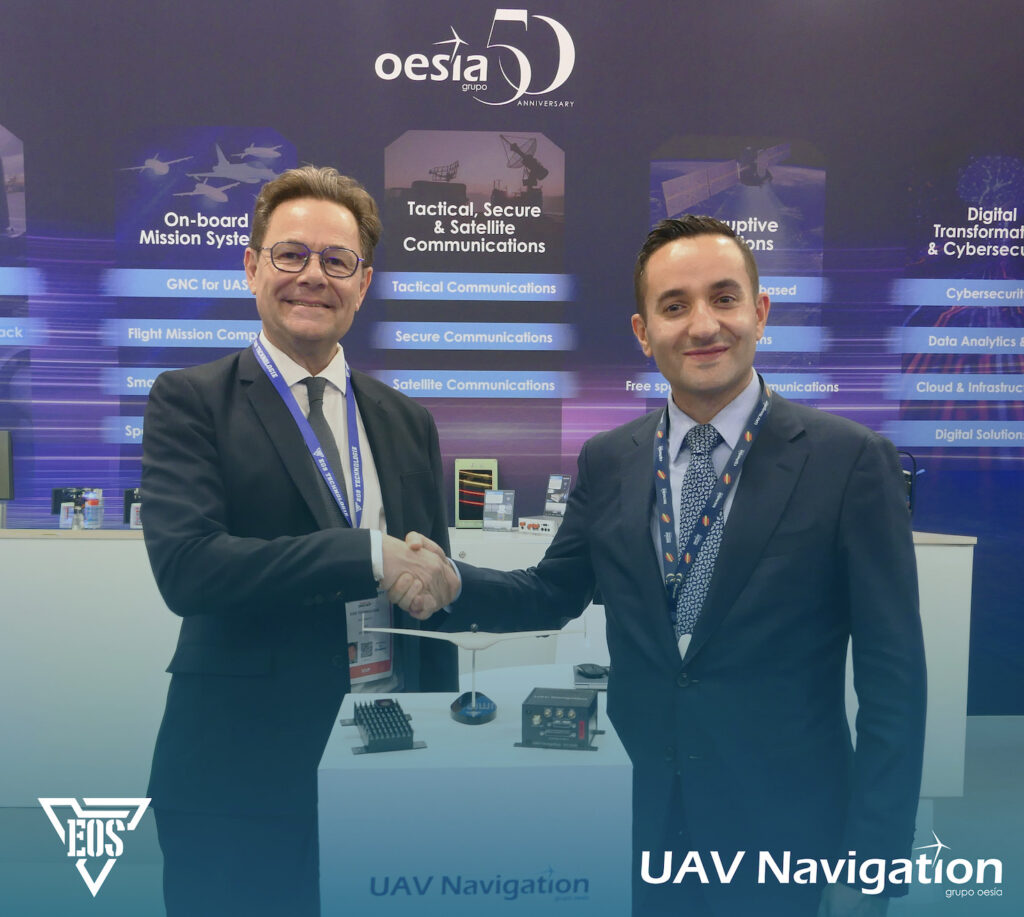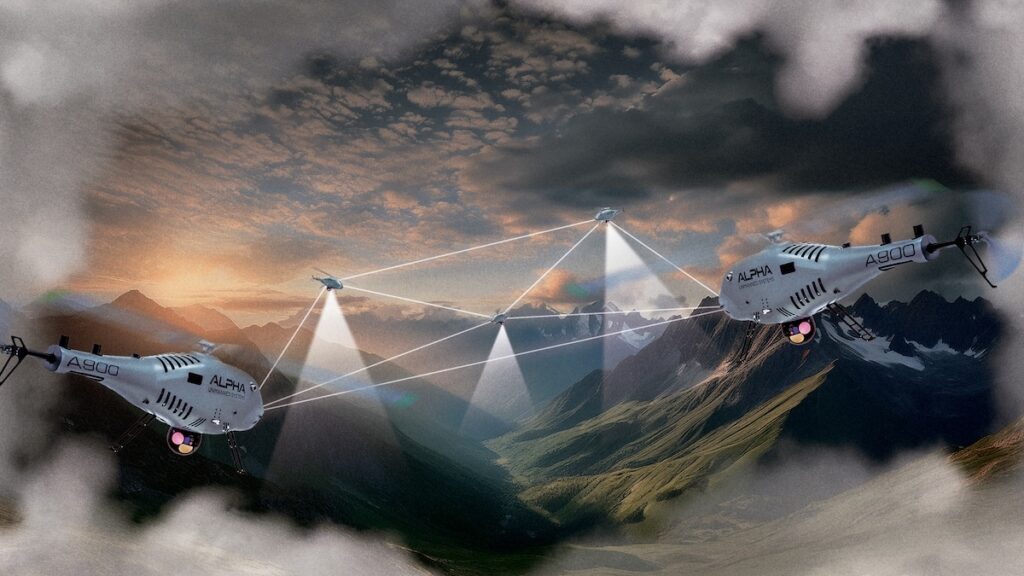
The Spanish Ministry of Defence’s COINCIDENTE Programme is supporting the development of advanced heterogeneous UAV swarms through the newly launched FENIX project, combining Alpha Unmanned Systems’ rotary-wing UAV platforms with UAV Navigation-Grupo Oesía’s advanced guidance, navigation, and control technologies.
Led by Alpha Unmanned Systems, the initiative aims to design, develop, and validate a technological demonstrator for an autonomous control and coordination system for heterogeneous Unmanned Aerial Vehicle (UAV) swarms. The project forms part of the Spanish Ministry of Defence’s National R&D Plan, which promotes innovative technologies of strategic interest for defence applications. The initiative also benefits from the support of the Advanced Aerospace Technologies Centre (FADA-CATEC) and the Association for Research and Industrial Cooperation of Andalusia (AICIA), linked to the University of Seville.
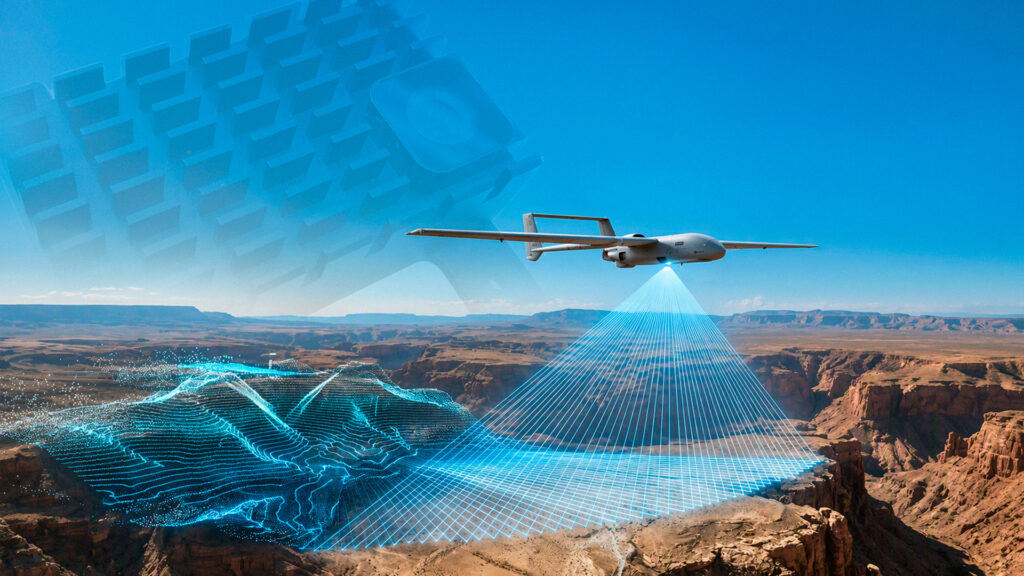
The project builds on existing UAV platforms and advanced autopilot technologies to develop collective swarm intelligence aligned with military doctrine, enhancing operational effectiveness and robustness in surveillance and reconnaissance missions within complex and contested environments. Key technological developments include a swarm coordination and planning system capable of real-time replanning in response to unforeseen events, alongside a cooperative perception system integrating multisensor data collected across multiple UAVs. This capability is designed to improve detection accuracy and resilience against occlusions, concealment, and adverse weather conditions.
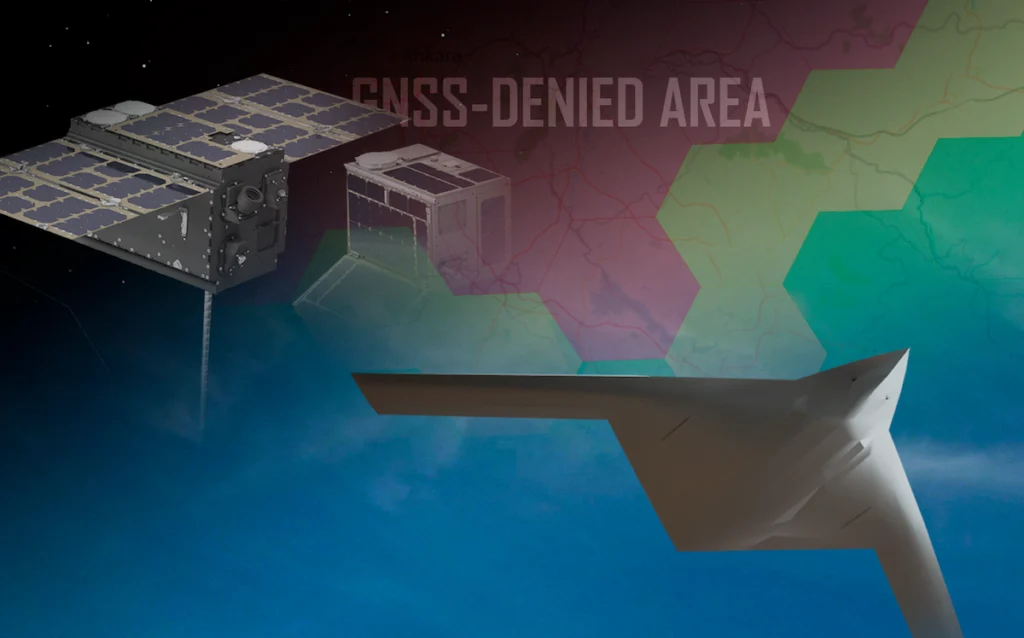
The system is also intended to support critical missions in GNSS-denied or contested environments affected by jamming or spoofing, as well as operations in NRBQ (CBRN) threat scenarios. Additional mission profiles include patrol, reconnaissance, target acquisition, and search and rescue operations.
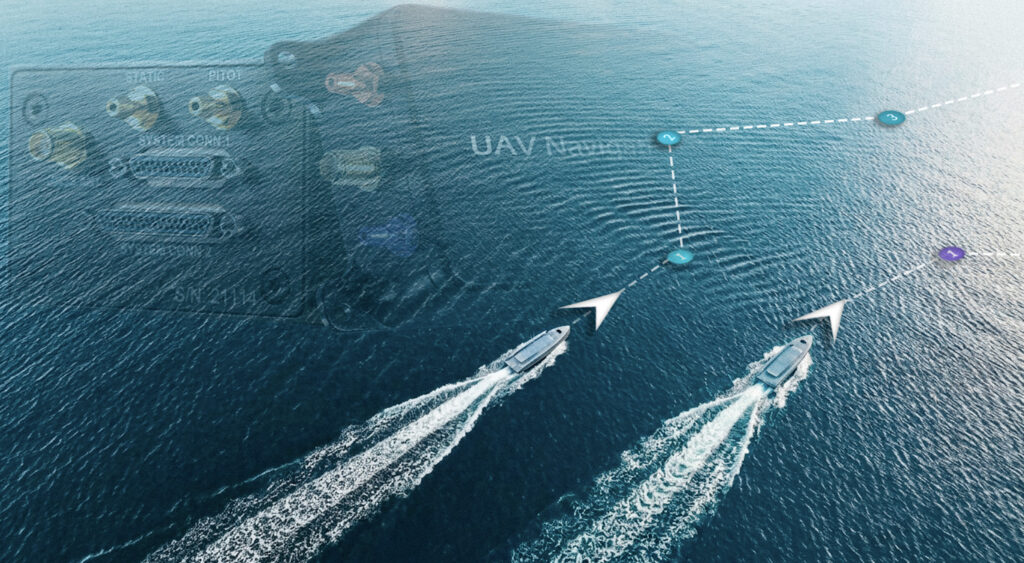
Using a single human–machine interface, operators will be able to define missions for the swarm, while the system automatically decomposes objectives into individual tasks, allocates them according to platform capabilities and operational constraints, and generates safe and physically feasible trajectories that account for kinematic, energy, and communication range limitations.