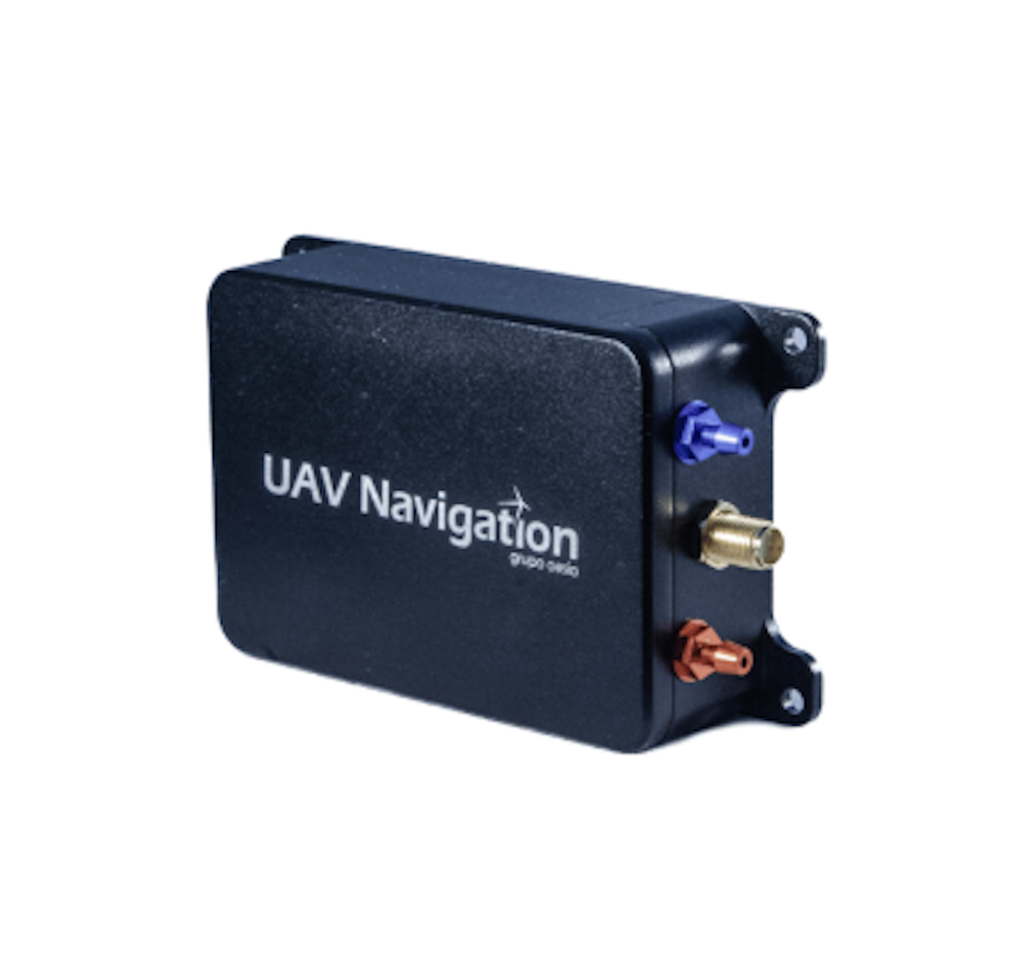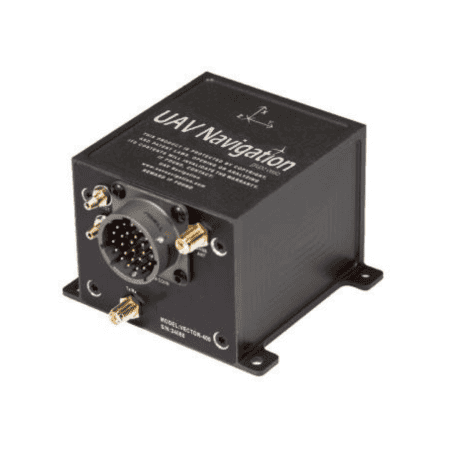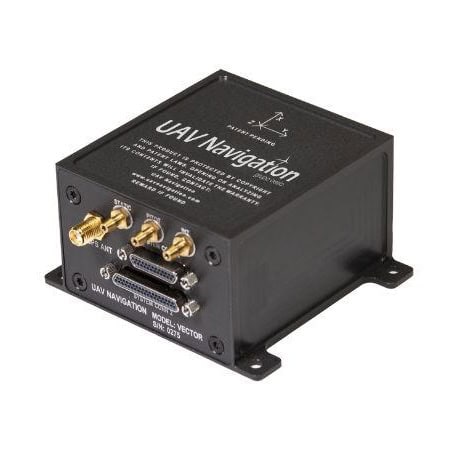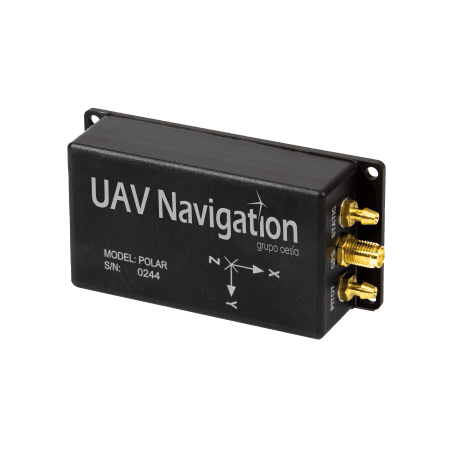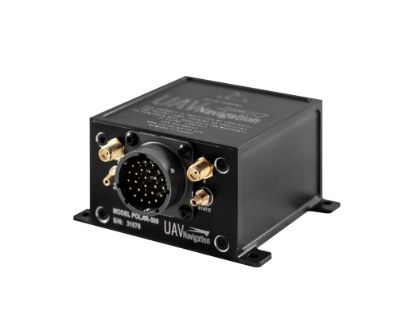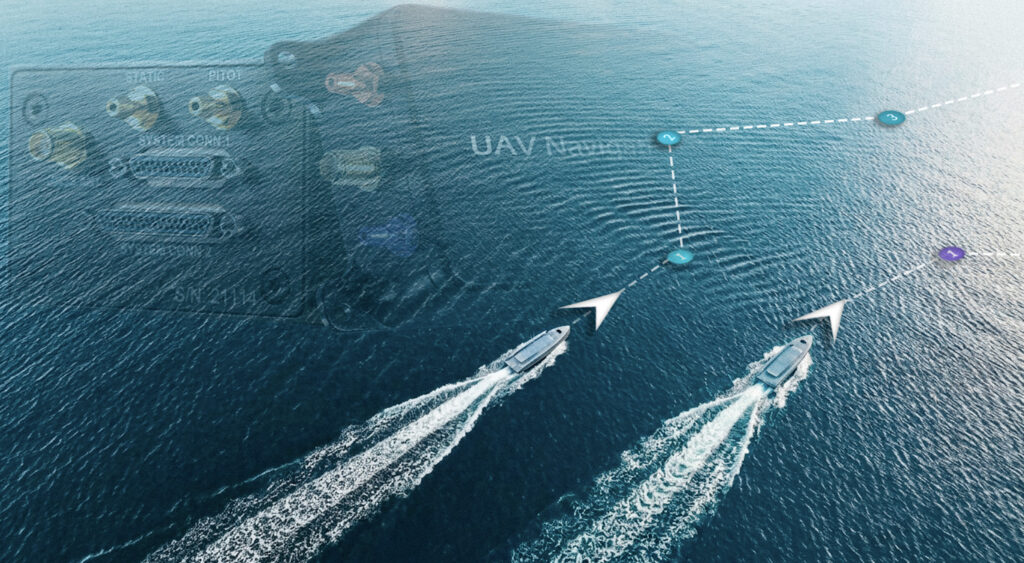
UAV Navigation-Grupo Oesía has released software version 9.2 for its VECTOR autopilot family, significantly upgrading the capabilities of Unmanned Surface Vehicles (USVs) in multi-domain operations.
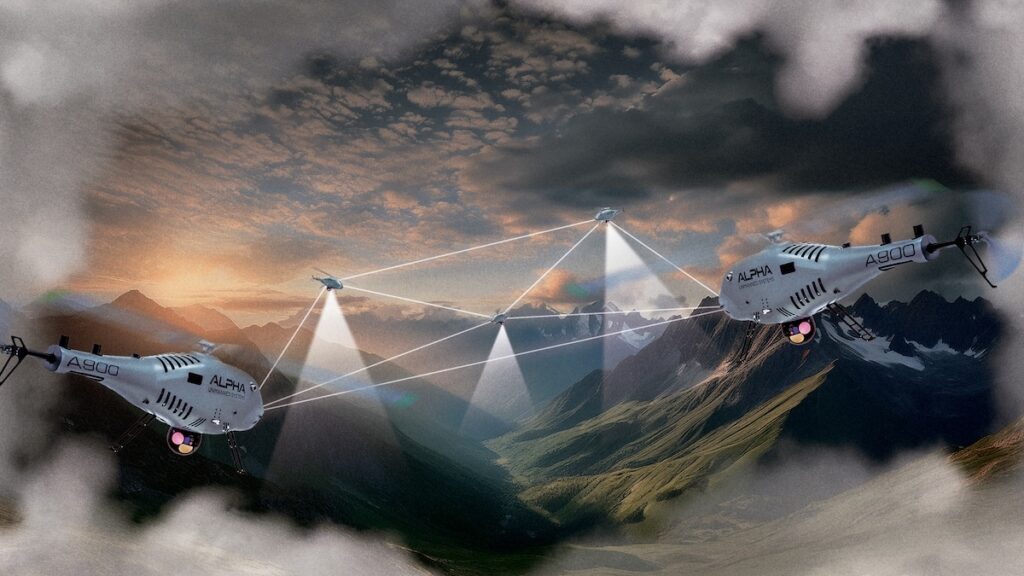
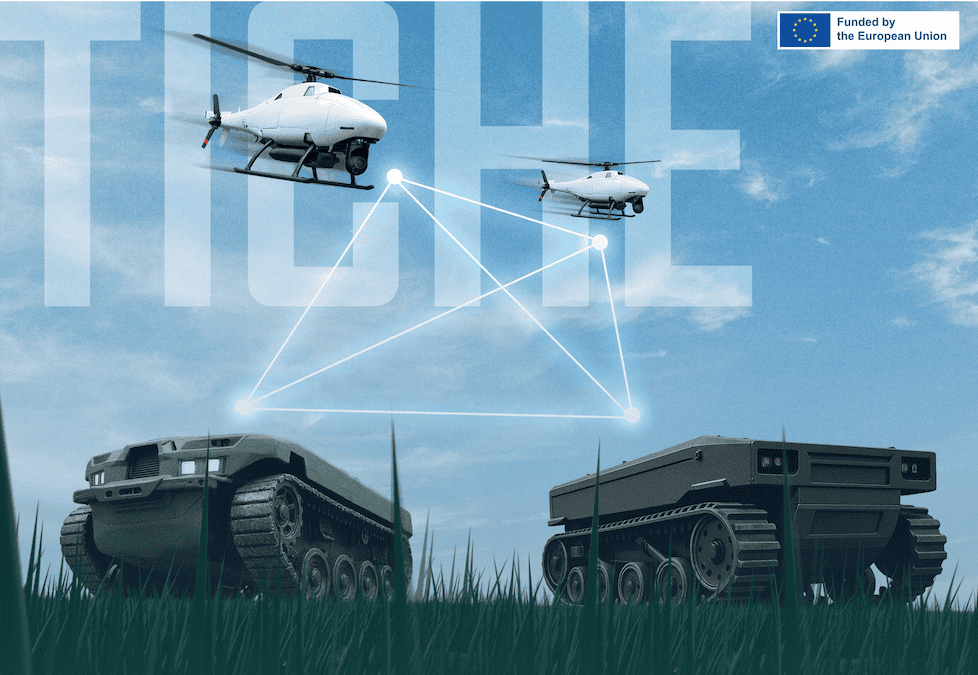
The software update arrives during a period of rapid evolution in the maritime sector, where the operational deployment of USVs in contested environments has highlighted the need for highly resilient and distributed control architectures. To address these demands, the new version focuses on seamless coordination between aerial and maritime platforms, allowing heterogeneous Unmanned Aerial Vehicle (UAV) and USV swarms to execute cooperative missions with shared situational awareness.
Rather than relying on closed, standalone systems, the updated autopilot architecture is built around an open design to maximize interoperability. This enables system integrators to connect the autopilot with third-party payloads, sensors, command-and-control systems, and artificial intelligence-driven decision-making software. Consequently, platforms can execute complex missions autonomously without requiring continuous operator input, while remaining capable of receiving real-time dynamic updates to adapt to shifting operational or environmental conditions.
For maritime safety and navigation, the software integrates advanced detect-and-avoid capabilities originally developed for aerial platforms, combining them with Automatic Identification System (AIS) data. This hybrid situational awareness ensures safe navigation through complex waterways and during highly critical phases of operation, such as launch, approach, and recovery.
The VECTOR version 9.2 suite also introduces high-precision terminal guidance to support loitering munitions, robust heading estimation, and a fault-tolerant system architecture. Mission flexibility is further enhanced through adaptive control algorithms, multiple onboard mission plans, and advanced waypoint actions, reinforcing the system’s resilience in communications-degraded or contested environments.