UAV Navigation-Grupo Oesía is participating in a European Space Agency (ESA)-funded research project exploring the use of Low Earth Orbit (LEO) satellite communication signals to enhance navigation resilience for Unmanned Aerial Systems (UAS).
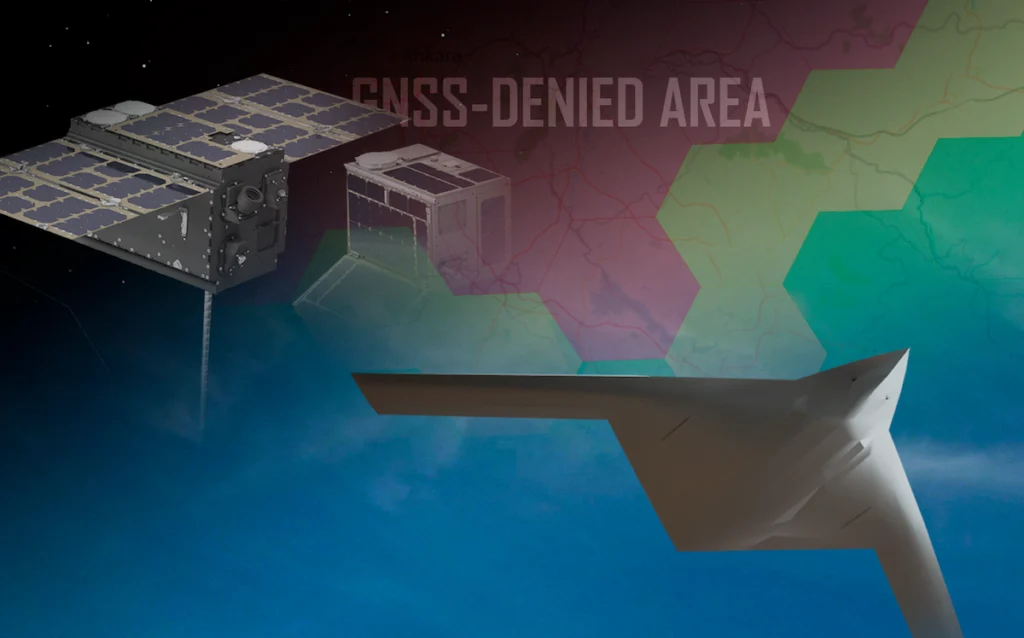
Funded through ESA’s NAVISP Element 2 Programme, the project investigates the use of non-cooperative Signals of Opportunity from LEO communication constellations, particularly in Ka-band, to generate positioning and navigation observables. These signals are not originally intended to provide navigation services but could complement traditional navigation sources when Global Navigation Satellite System (GNSS) signals are degraded, denied, jammed or spoofed.
Led by Inster-Grupo Oesía, the consortium includes UAV Navigation-Grupo Oesía, CTTC and SICWAVE. The initiative supports the development of dual-use navigation solutions based on non-GNSS signals, aligning with European objectives for technological sovereignty, resilience and autonomy in contested operational environments.
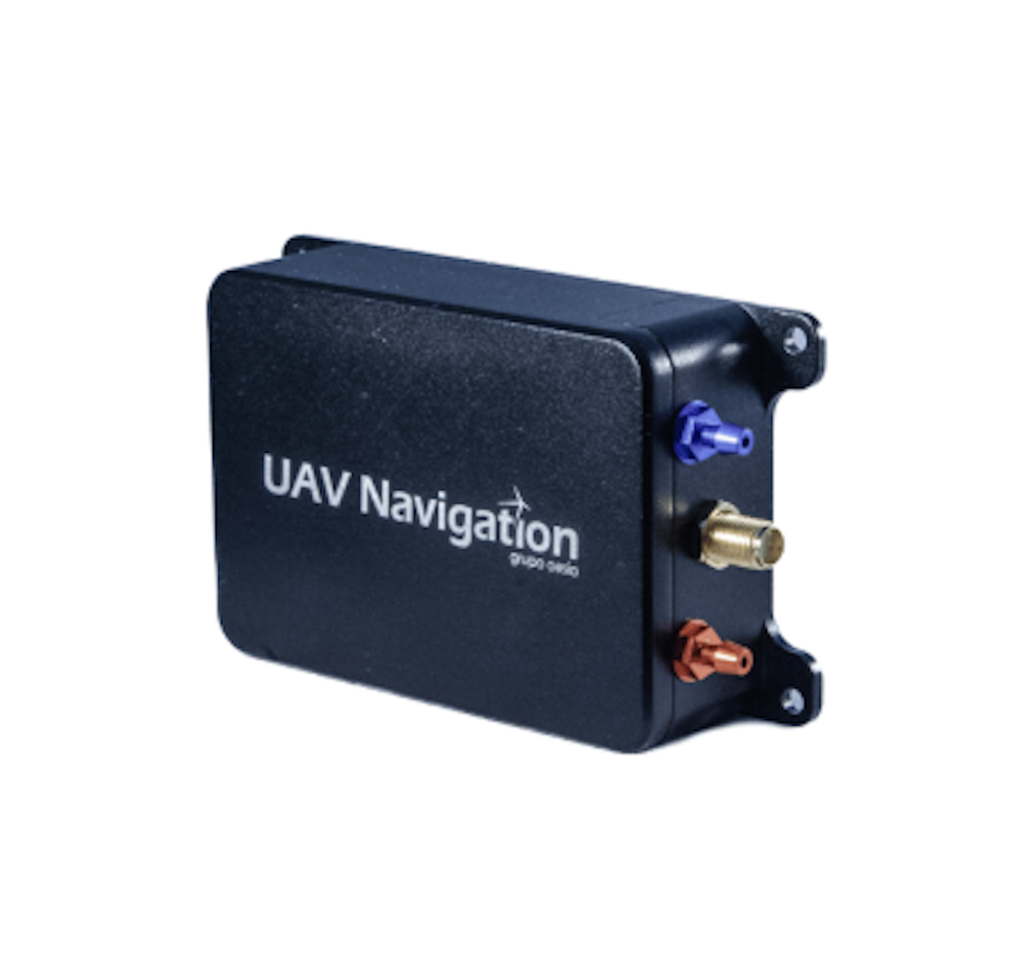
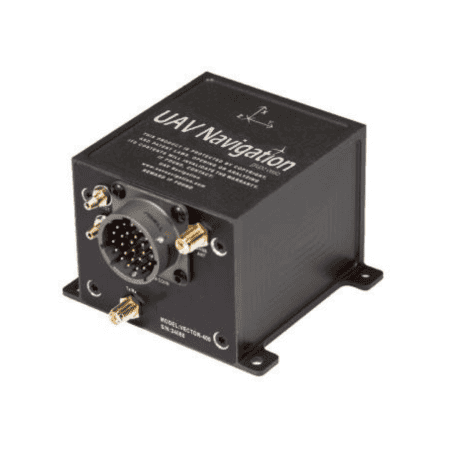
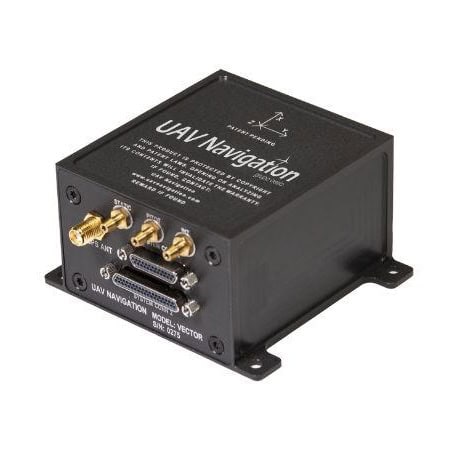
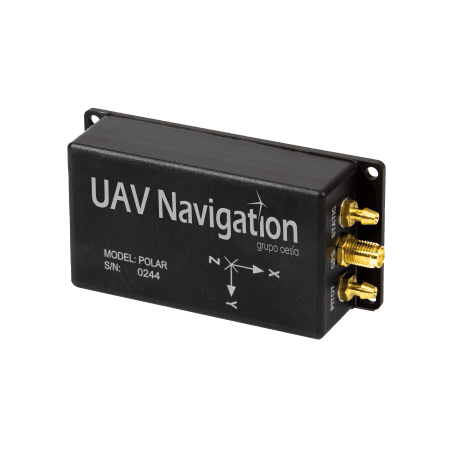
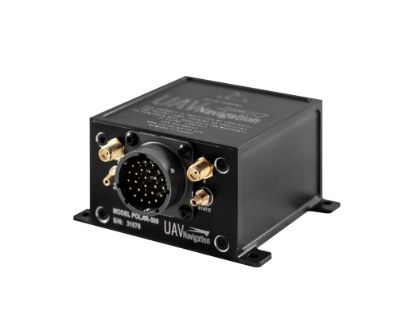
UAV Navigation-Grupo Oesía’s contribution focuses on integrating LEO-derived observables into its high-performance UAV autopilot. The autopilot’s navigation algorithms will use multi-sensor data fusion to combine positioning information derived from LEO communication signals with inertial measurements, air data, GNSS when available, and advanced modalities such as vision-based navigation.
This approach is designed to provide robust and accurate state estimation in GNSS-contested environments, supporting mission continuity and operational safety. Such capabilities are particularly relevant as UAS operations expand into Beyond Line-of-Sight (BLOS) missions and contested airspace, including defense, security and Intelligence, Surveillance and Reconnaissance (ISR) applications.
A key innovation involves extracting position estimates from multibeam, electronically steered antennas and incorporating them as new observables within the UAV’s navigation filter. The high-directivity antennas required for wideband communication with emerging LEO constellations, such as IRIS2 or similar systems, inherently enhance robustness against jamming and spoofing compared with conventional omnidirectional GNSS antennas.
The project will validate the proposed approach in a flight-representative environment to assess its feasibility and performance under realistic operational conditions.
Visit the UAV Navigation-Grupo Oesía team at AUSA 2026, taking place October 12–14 in Washington, D.C.