
Showcase your capabilities
If you design, build or supply Drone Cases, create a profile to showcase your capabilities and connect with visitors who have an active requirement for your solutions.




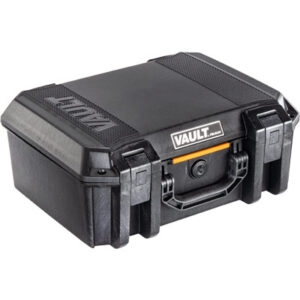
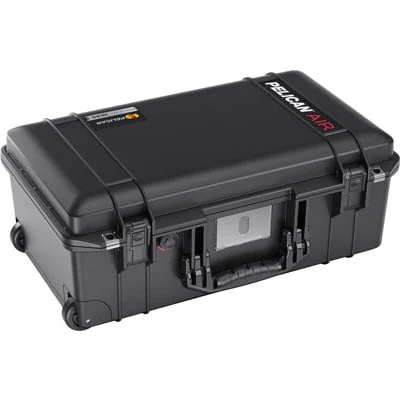
Drone cases are protective transport and storage solutions designed to safeguard UAV airframes, payloads, batteries, and ground control equipment during transit and field deployment. Available as rugged hard cases, waterproof drone cases, custom foam-lined enclosures, and portable drone backpacks, these solutions protect sensitive components against impact, vibration, dust, and moisture.
This page features suppliers of rugged and waterproof drone cases with options including IP-rated sealing, pressure relief valves, ESD-safe interiors, and integrated charging systems.
Read the Technology Overview

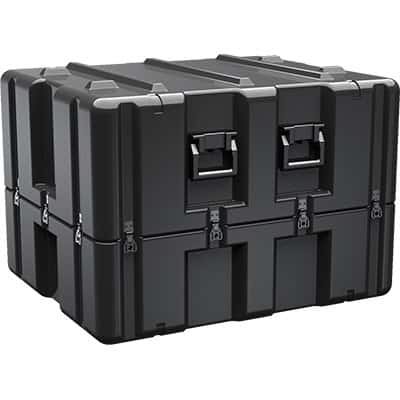

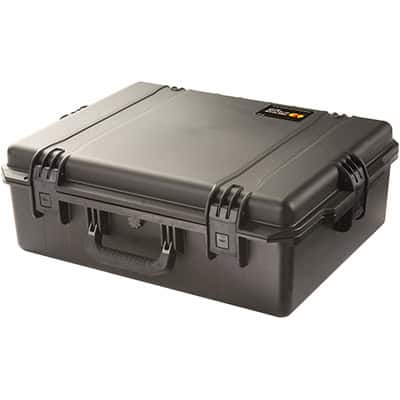
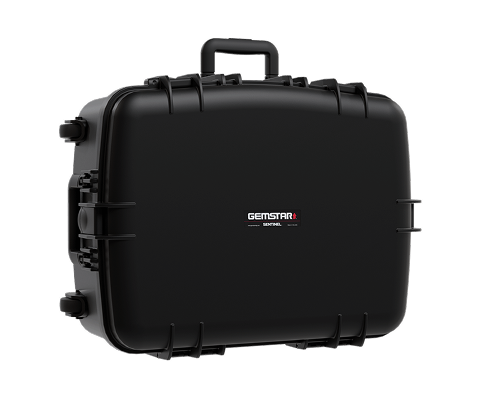
Rugged Protective Hard Cases & Custom Plastic Components for Unmanned Systems

If you design, build or supply Drone Cases, create a profile to showcase your capabilities and connect with visitors who have an active requirement for your solutions.

Drone cases are specialized protective storage and transport solutions designed to safeguard Unmanned Aerial Vehicles (UAVs), airframes, payloads, and mission-critical support equipment during transit, storage, and field deployment. Available as rugged hard-shell cases, waterproof enclosures, and portable carrying solutions, they protect sensitive components against impact, vibration, dust, moisture, and environmental exposure. Custom foam inserts and modular compartments securely accommodate flight controllers, imaging sensors, batteries, and accessories, helping prevent movement and damage during transportation.
Protective UAV cases are used across defense, public safety, surveying, and industrial inspection operations, where reliable equipment protection and rapid deployment are essential. By maintaining component integrity, reducing handling risks, and simplifying equipment organization, drone carrying cases help minimize field maintenance, preserve sensitive system calibration, and support operational readiness across repeated missions.
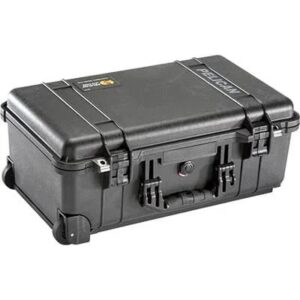
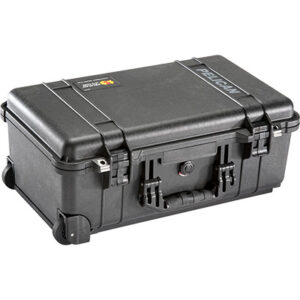
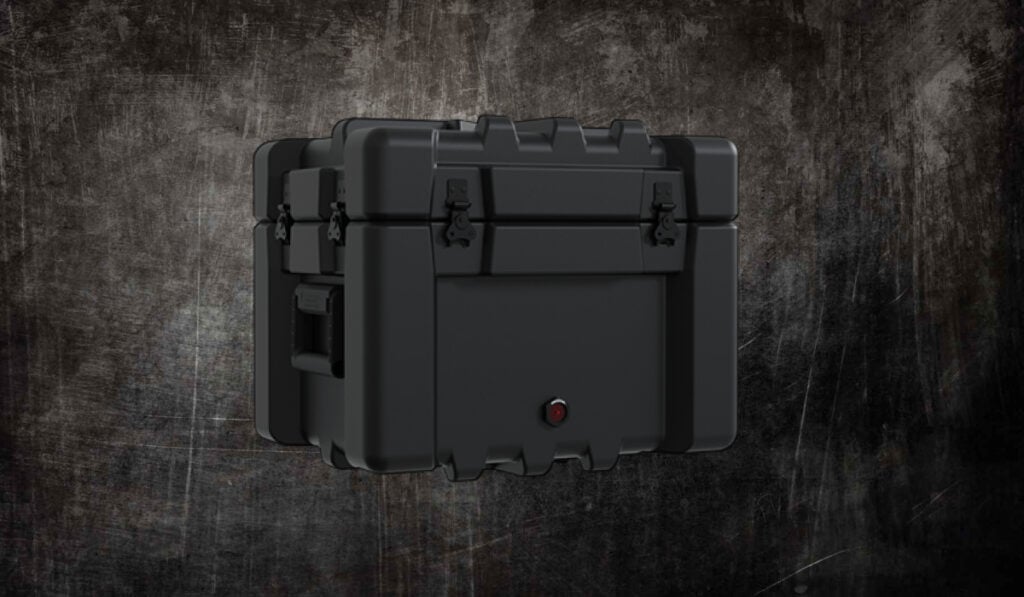
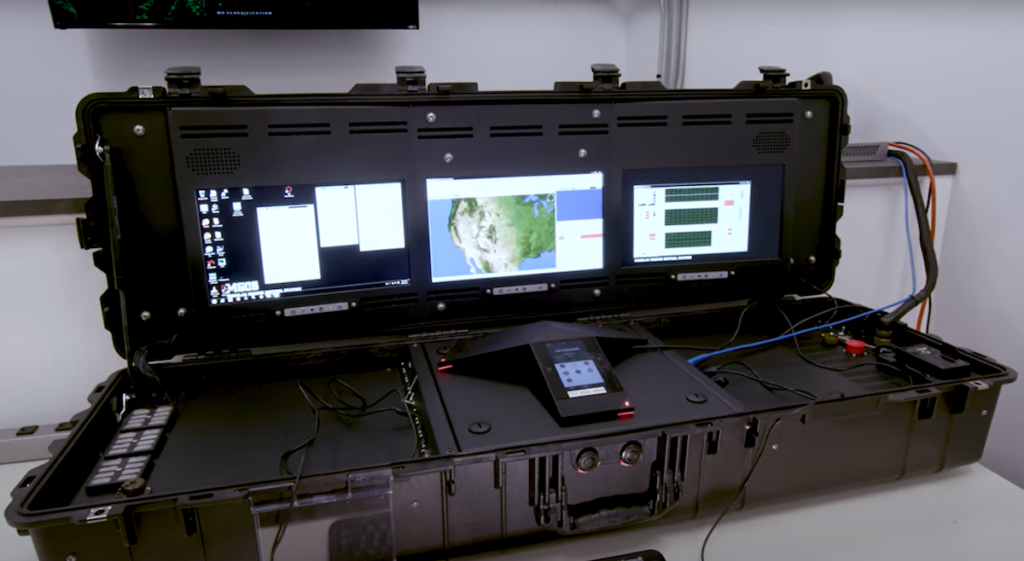
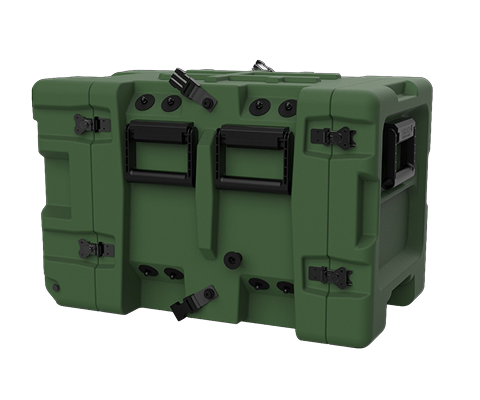
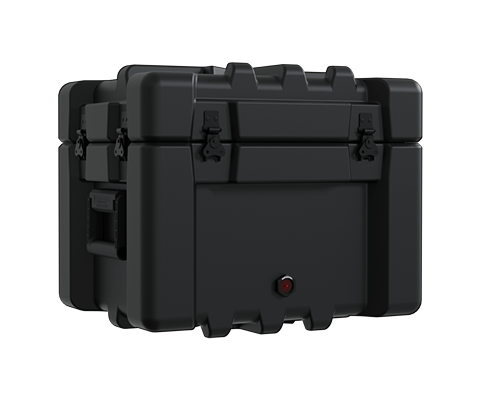
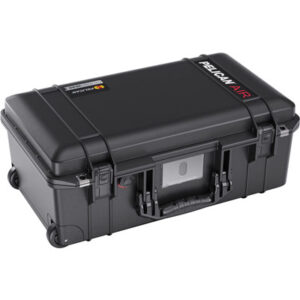
Rugged MIL-spec protective transport cases for UAVs from Pelican Products
The primary role of a professional case extends far beyond simple storage. It acts as a protective buffer between high-value electronics and the unpredictable stresses of the field. To meet the requirements of industrial and military operators, these cases address several specific environmental and mechanical challenges.
Engineered for the harshest environments, a professional waterproof drone case is designed to provide a hermetic seal against environmental ingress. This protection is typically quantified using Ingress Protection (IP) ratings, with high-end solutions achieving IP67 or higher. This level of sealing ensures:
Transporting UAV platforms across rugged terrain or via cargo aircraft subjects equipment to significant G-loads and high-frequency vibrations. A rugged drone carrying case is specifically engineered to absorb these impact loads. By utilizing a rigid outer shell combined with energy-absorbing internal materials, these cases:
Beyond physical impacts, sensitive electronics must be shielded from invisible threats such as temperature extremes and electromagnetic interference. UAV systems, particularly lithium batteries and precision oscillators, are sensitive to temperature spikes. Insulated case designs help maintain stable internal conditions during transit through disparate climates, which reduces the risk of performance degradation.
In defense and high-end commercial applications, specialized drone protective cases may incorporate EMI or RFI shielding. This is vital when transporting equipment near high-power transmitters or within electronically contested environments where signal disruption or unintended emissions must be mitigated.
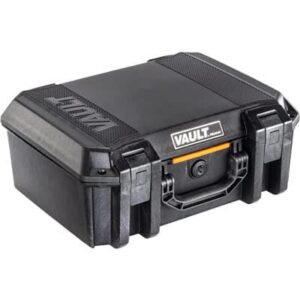
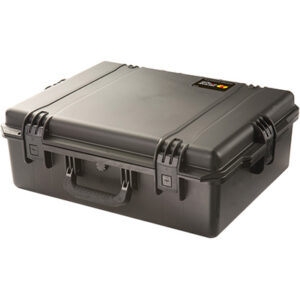
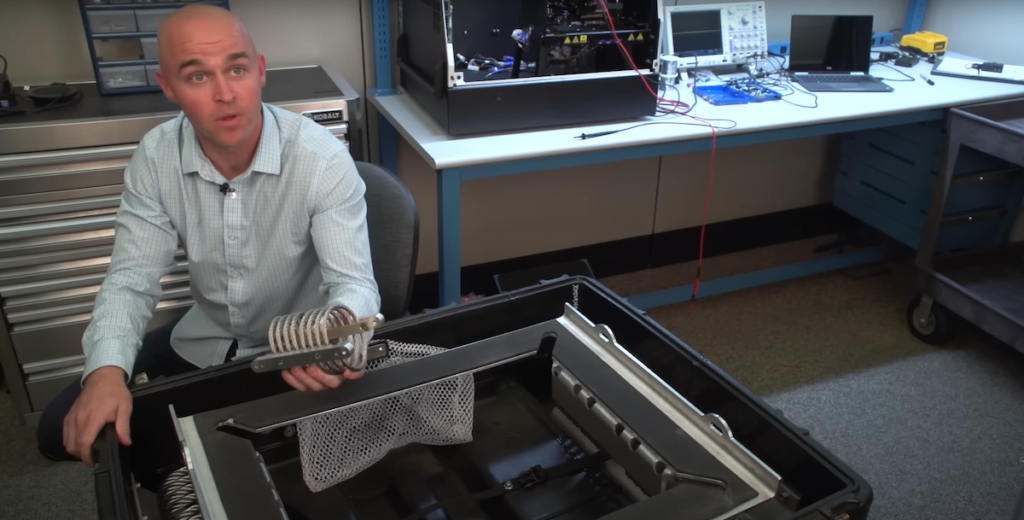
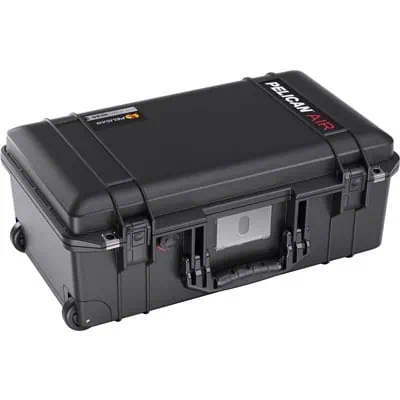
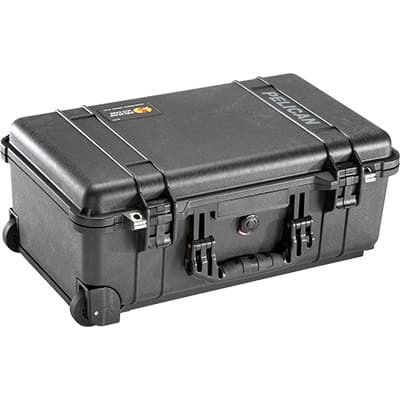
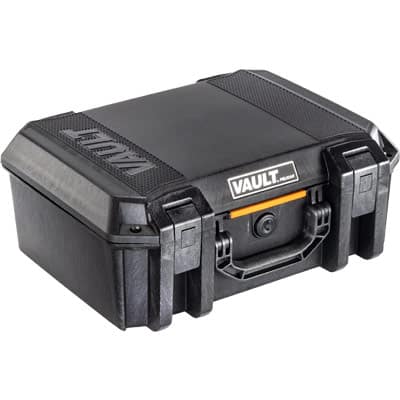
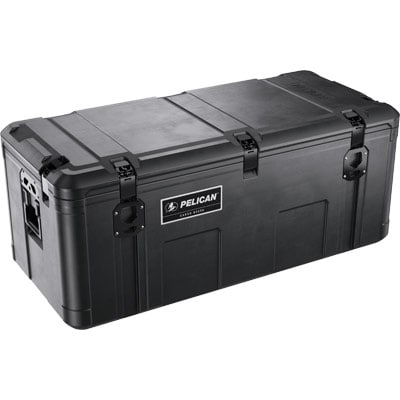
High-impact polymer protective cases by Pelican Products
The structural integrity of a hard drone case is a result of advanced material science and precision engineering. Choosing the right material involves a trade-off between weight, durability, and the specific hazards of the deployment environment.
Most professional-grade drone hard cases are manufactured from high-impact polymers such as polypropylene or ABS. These materials provide excellent durability while remaining lightweight enough for field portability. However, for more specialized requirements, other materials are often selected:
To ensure the case remains watertight and structurally sound under pressure, several key design features are employed. Reliable sealing is achieved through engineered gaskets that create a barrier when the case is closed. To prevent vacuum lock during rapid altitude changes in air transport, automatic pressure relief valves are standard. Additionally, reinforced corners and ribbed wall structures allow hard shell drone cases to withstand heavy stacking loads on pallets or in vehicle cargo holds without transferring external forces to the internal components.
The interior of a custom drone case is as critical as the exterior shell. It must provide a secure, movement-free environment that isolates the UAV from vibration and prevents components from colliding during transit.
Internal protection generally relies on varied foam densities and modular configurations to accommodate complex UAV shapes. Professional integrators often move beyond standard pick and pluck foam in favor of more permanent solutions:
While a hard case for a drone is the standard for long-distance logistics, different mission profiles require different form factors. Carrying solutions must balance protection with the need for mobility and rapid deployment.
For high-value unmanned systems, security and regulatory compliance are paramount. Professional cases incorporate features that protect the physical asset while ensuring it meets international transport standards.
Transporting UAV batteries is a highly regulated activity requiring compliance with IATA and UN packaging standards. Professional cases often include dedicated, fire-resistant compartments for lithium batteries. Furthermore, many cases are designed to meet MIL-STD-810 for environmental durability, providing documented confidence that the equipment will survive extreme vibration and shock.
To improve field efficiency, advanced cases may feature integrated charging and power distribution. This allows batteries and control systems to be charged directly within the drone bag or case, reducing setup time and ensuring the system is always ready for immediate launch.
As UAV technology evolves, the complexity of transport solutions continues to increase. There is a shift toward smart cases that provide more than just physical protection. These emerging trends include:
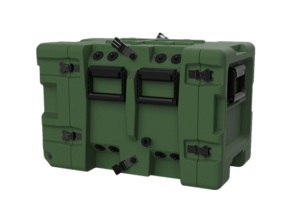
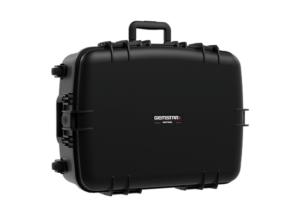
The market is supported by established suppliers such as Gemstar Manufacturing and Pelican Products, offering hard shell Pelican drone cases that are considered industry benchmarks for reliability. Whether the requirement is a small drone case for tactical reconnaissance or a multi-payload carrying case for a drone for industrial inspection, the focus remains on solutions that provide documented protection, ease of use, and long-term durability in the field.


 Searching Companies & Products