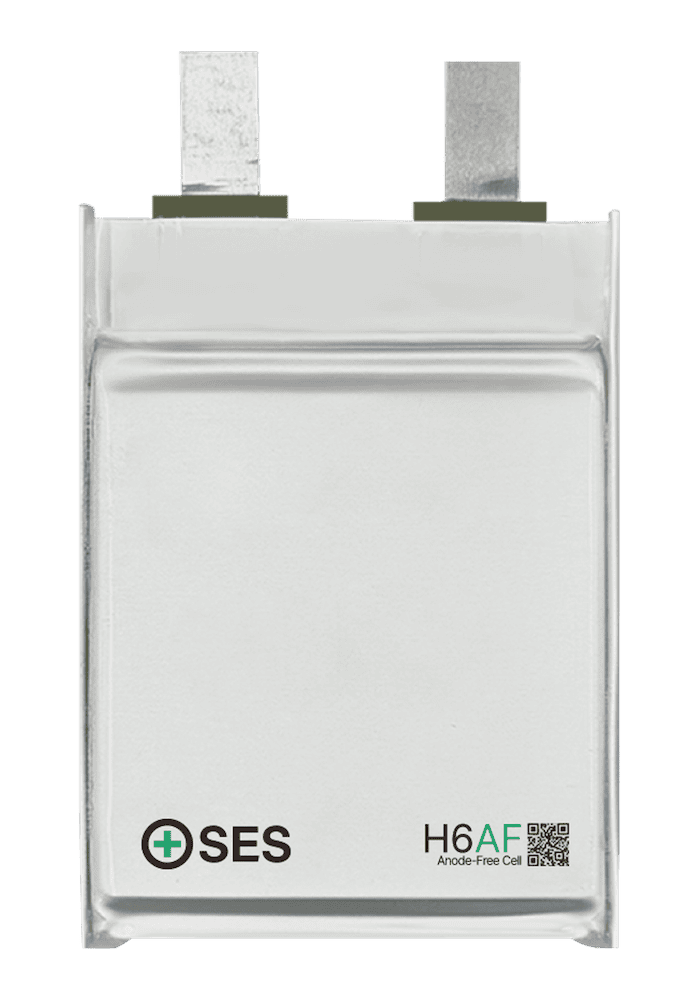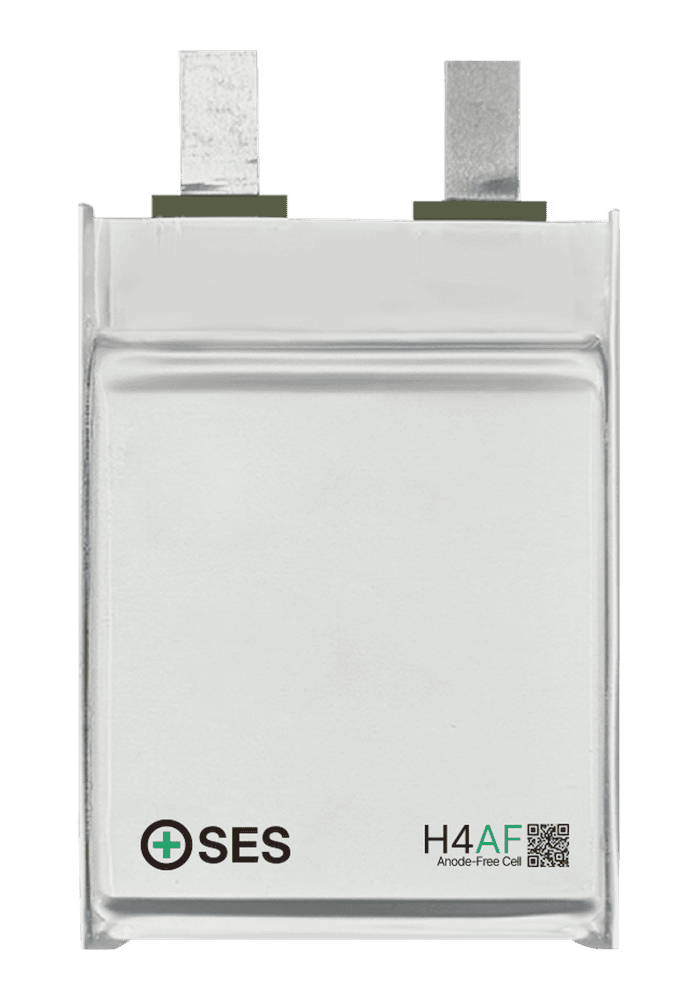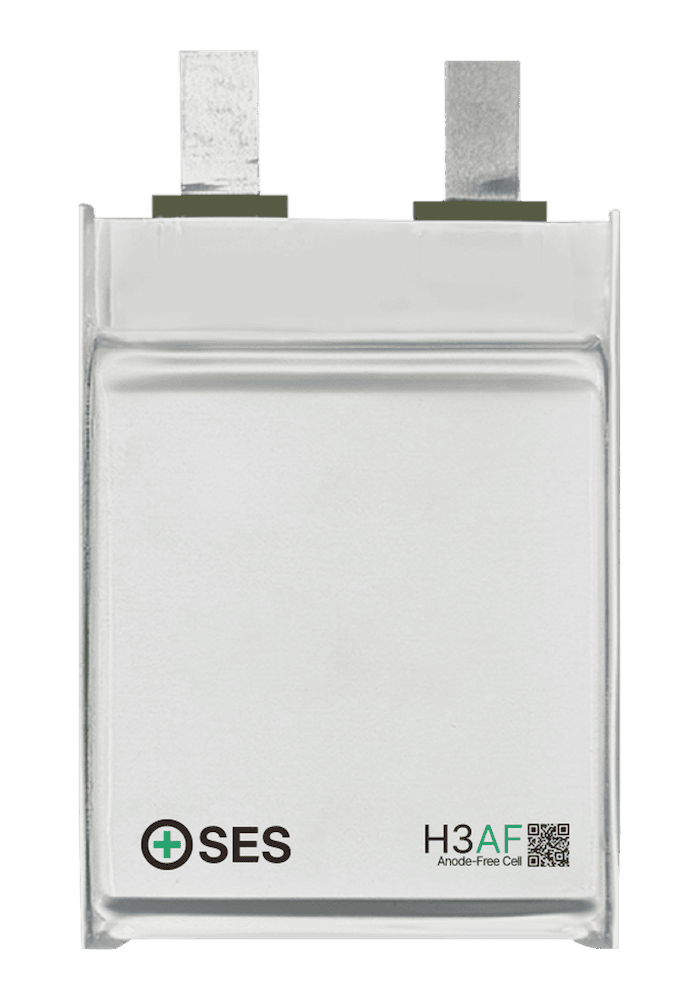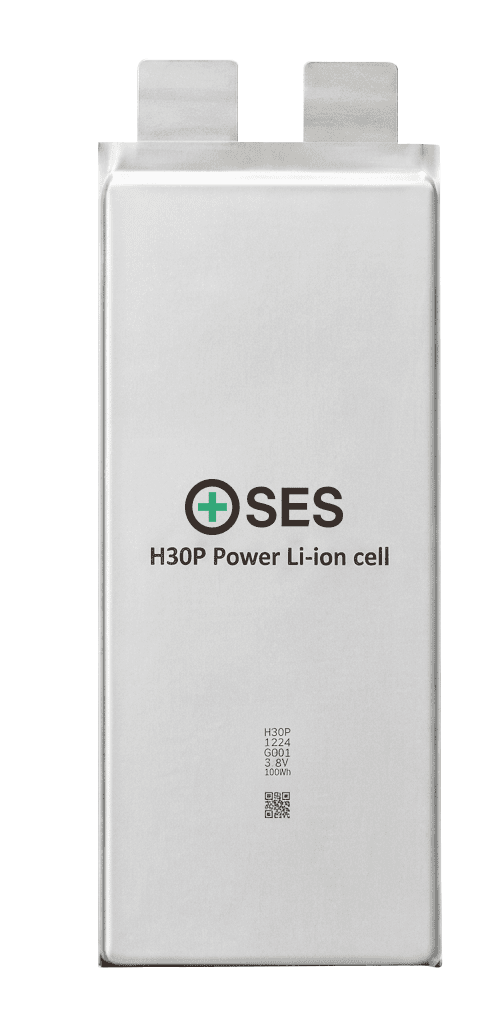
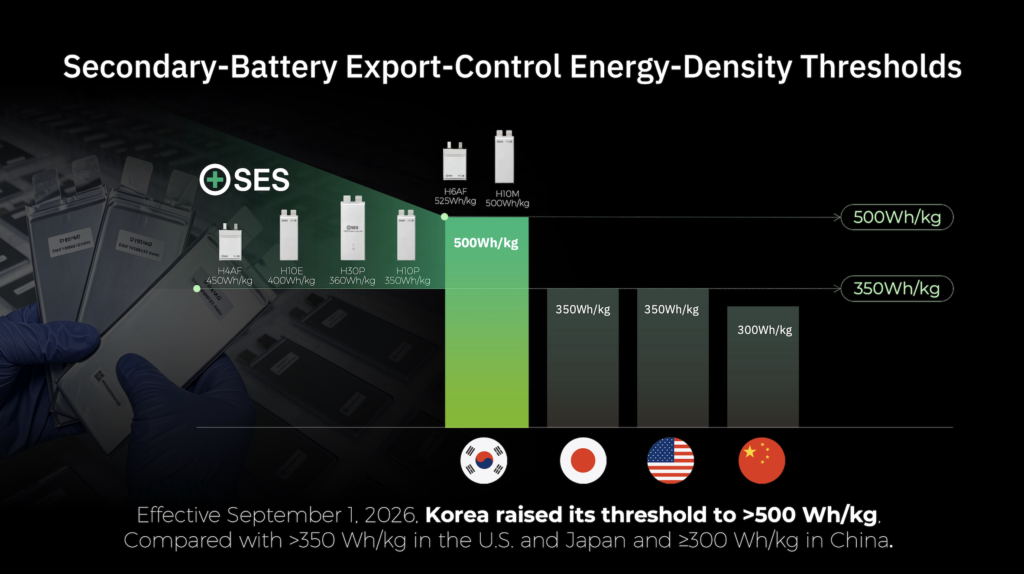
South Korea has raised the energy-density threshold governing export controls on high-energy secondary batteries, providing greater export flexibility for SES AI, which has its manufacturing facility in Chungju, South Korea.
Effective September 1, 2026, an amendment to Korea’s Strategic Items Export-Import Notice increased the energy-density threshold for high-energy secondary batteries from more than 350 Wh/kg to more than 500 Wh/kg at 20°C. Under the revised framework, batteries at or below 500 Wh/kg are no longer subject to this specific strategic-goods export control based on energy density alone.The change places South Korea’s threshold above those currently applied in the US and Japan, where the threshold remains above 350 Wh/kg, while China applies a threshold of 300 Wh/kg or higher.
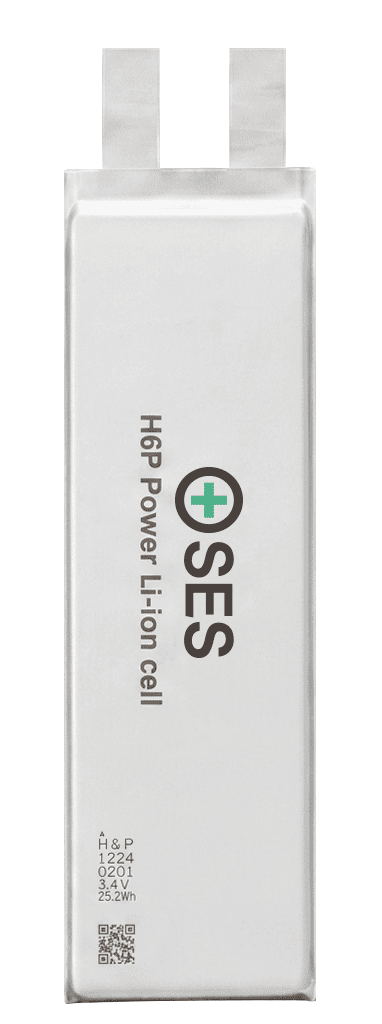
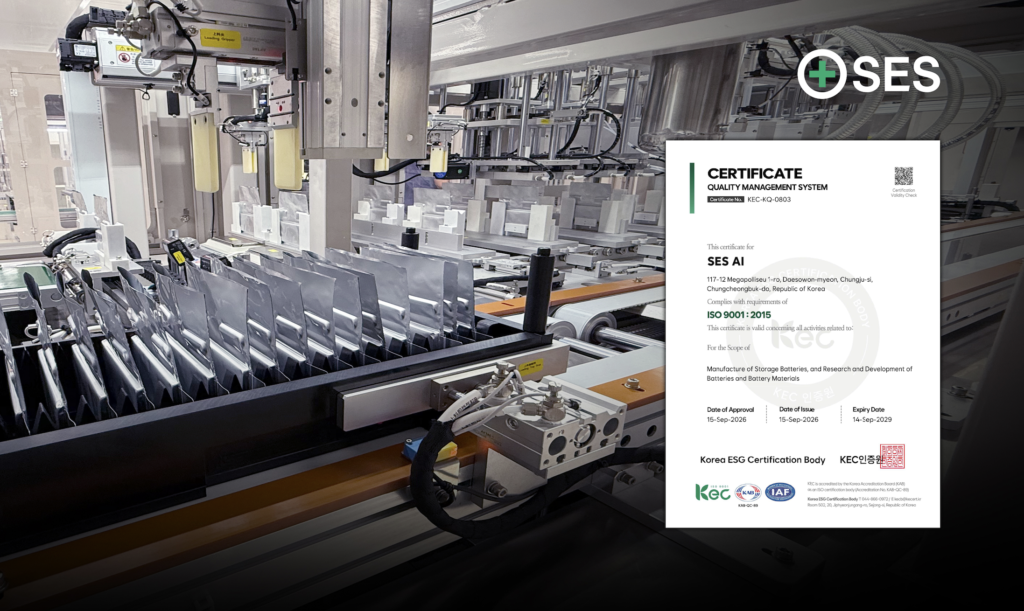
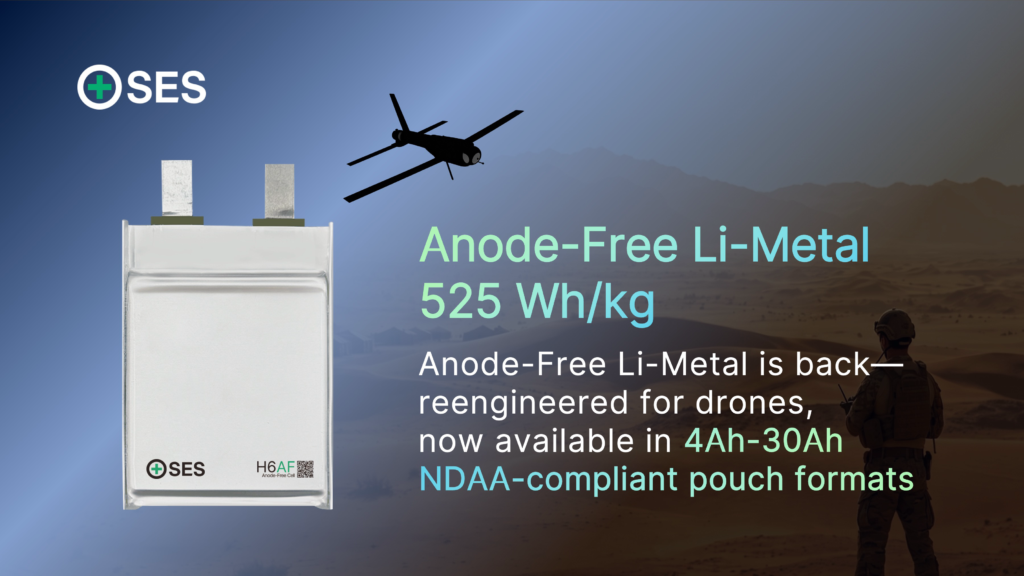
The regulatory shift is particularly relevant to SES AI, which operates an NDAA-compliant cell manufacturing facility in Chungju, South Korea. The facility produces both Li-ion and Li-Metal cells for drones and other specialized applications, with cells in its current drone portfolio ranging from 340 Wh/kg to 450 Wh/kg. Products include the H10B, rated at 380 Wh/kg, the H10E, rated at 400 Wh/kg, and the H4AF rated at 450 Wh/kg.
Under the previous 350 Wh/kg threshold, cells in the 400 Wh/kg range fell within the energy-density-based export-control framework. The higher threshold reduces this specific regulatory requirement for SES AI’s current portfolio, potentially simplifying international distribution as demand grows for higher-energy battery technologies across unmanned systems, drones, and advanced air mobility applications, where payload capacity and flight endurance are key considerations.
To address anticipated demand from US and European drone customers, SES AI outlined plans in 2026 to scale production at its Chungju facility to approximately one million AI-enabled Li-Metal and Li-ion pouch cells annually.
The policy update provides a clearer export pathway for cells manufactured at or below 500 Wh/kg, but it does not remove other regulatory or logistics requirements. Exporters must continue to comply with applicable product classifications, customs documentation, UN 38.3 testing, dangerous-goods packaging, end-user screening, and any relevant dual-use, military, or destination-specific sanctions requirements.