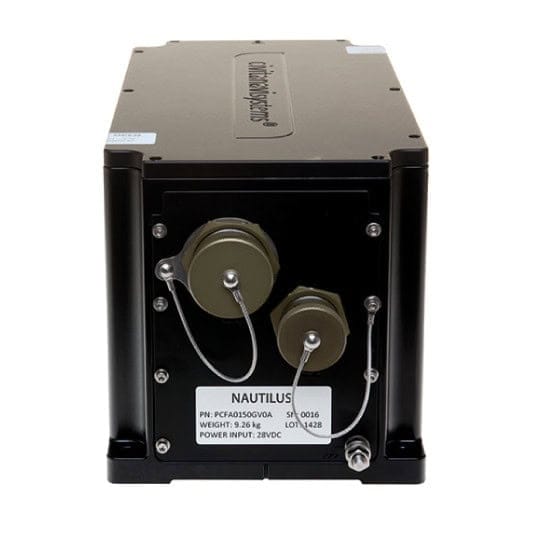

Honeywell Aerospace has completed a flight demonstration of its Kestrel Small Embedded GPS/Inertial Navigation System (EGI), validating a compact navigation solution engineered to operate in environments where satellite signals are jammed, degraded, or denied.
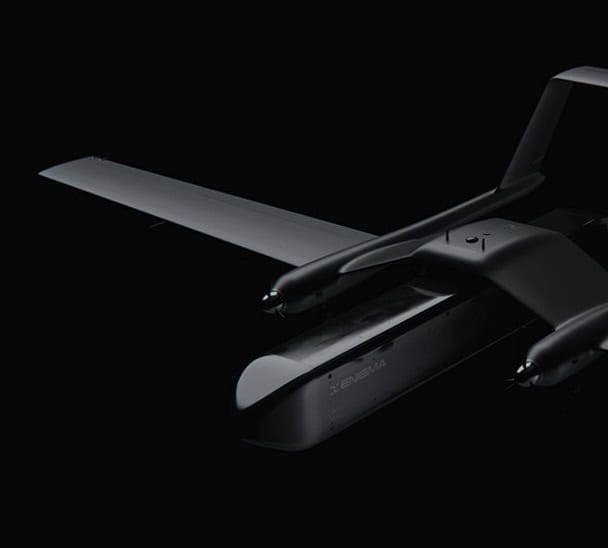
The flight test, conducted using an off-the-shelf Group 2 unmanned aircraft system, evaluated Kestrel’s ability to deliver reliable positioning, navigation, and timing (PNT) data. To achieve this, the system pairs Global Navigation Satellite System (GNSS) signals with Honeywell Aerospace’s HG3900 near-navigation-grade micro-electromechanical systems (MEMS) inertial technology. Designed specifically to meet the strict size, weight, and power constraints of small unmanned aerial platforms, Kestrel is approximately 40% smaller and lighter than HoneywellAerospace’s full-size EGI hardware.
As global armed forces increasingly deploy small, rapidly deployable unmanned systems for reconnaissance, targeting, and electronic warfare, traditional embedded GPS and inertial systems often exceed the payload capacity of tactical drones. Kestrel addresses this operational need by integrating the HG3900 inertial unit with M-Code capability and multiple GNSS receivers to maintain navigation performance when standard satellite signals are unreliable or unavailable.
“Kestrel was developed to provide resilient, military-grade navigation capabilities to platforms that are simply too small to accommodate traditional EGI systems,” said Michael Jirjis, Defense Navigation Offering Management Director at Honeywell Aerospace. “This successful flight demonstration validates our approach and represents an important step toward delivering a new generation of assured navigation capability for tactical unmanned systems operating in challenging environments.”
During the flight trial, Honeywell Aerospace also demonstrated additional alternative navigation modalities to maintain operational effectiveness in contested environments. These included navigating the unmanned platform using Honeywell Aerospace’s vision navigation software as well as utilizing signals from low Earth orbit (LEO) satellites.
Honeywell Aerospace is continuing development of the Kestrel system and plans to conduct customer demonstrations next year, with initial product deliveries scheduled for late 2027.