A Honeywell Aerospace-led consortium will lead Project VERTI-GO, a major initiative awarded under the European Union’s SESAR Joint Undertaking aimed at safely integrating piloted electric Vertical Take-Off and Landing (eVTOL) aircraft and remotely operated cargo drones into European airspace.
Managed by Honeywell Aerospace engineers in Brno, Czech Republic, the 12-partner initiative will examine two operational pathways: piloted eVTOL flights and remotely operated cargo drone operations. Both will involve simulations and demonstrations at European locations.
The project comes as the European Union Aviation Safety Agency’s Innovative Air Mobility framework is set to enable an ecosystem for the safe, integrated use of piloted eVTOL aircraft and remotely operated drones in Europe.
For the cargo drone pathway, Project VERTI-GO aims to enable SAIL-IV-category operations, a European regulatory category for more complex remotely operated operations, through real-world demonstrations in selected European locations. Results from these simulations and demonstrations aim to contribute to future European standards and regulations.
Key technical focus areas for Project VERTI-GO include digital flight planning, the management of vertiports and emergency landing sites, and the use of automation to support both air traffic controllers and eVTOL operators.
Jolana Dvorská, senior technical manager at Honeywell Aerospace, commented, “Integrating new aircraft types into already busy airspace requires new procedures, new levels of automation and new ways of managing traffic. The question is no longer whether these aircraft can fly and perform, but how they can operate safely at large scale within Europe’s existing airspace.”
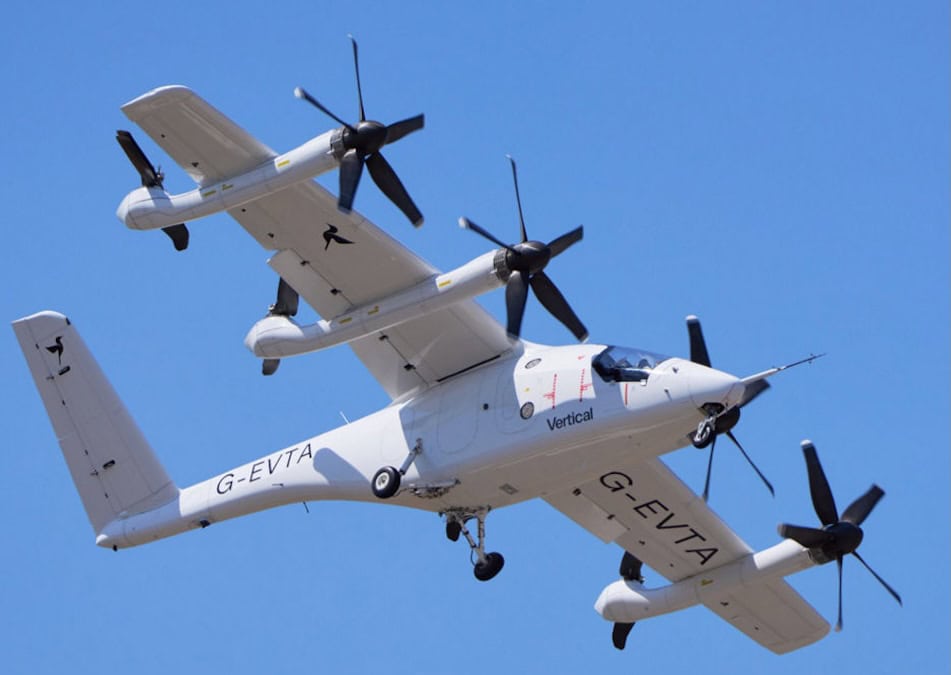
For the piloted eVTOL pathway, Vertical Aerospace will conduct flight demonstrations using its prototype eVTOL aircraft between Malaga and Marbella in Spain, expected to take place during 2028. The flights will be monitored by aviation authorities to help build trust for future operations.
The wider initiative could help enable faster urban and regional travel, support additional regional routes through new connections between cities, airports and surrounding regions, and enable smoother door-to-door journeys through future vertiport networks.
Michael Cervenka, chief commercial and strategy officer of Vertical Aerospace, stated, “Advancing electric aviation requires more than just an advanced aircraft. It requires an ecosystem of trusted partners working together to enable safe, seamless operations in an increasingly complex airspace. Project VERTI-GO is Europe’s equivalent of the FAA’s eVTOL Integration Pilot Program in the U.S., bringing together industry, regulators and air navigation providers to develop that operational framework. This kind of collaboration is essential to building confidence in the technology and accelerating the industry’s path forward.”
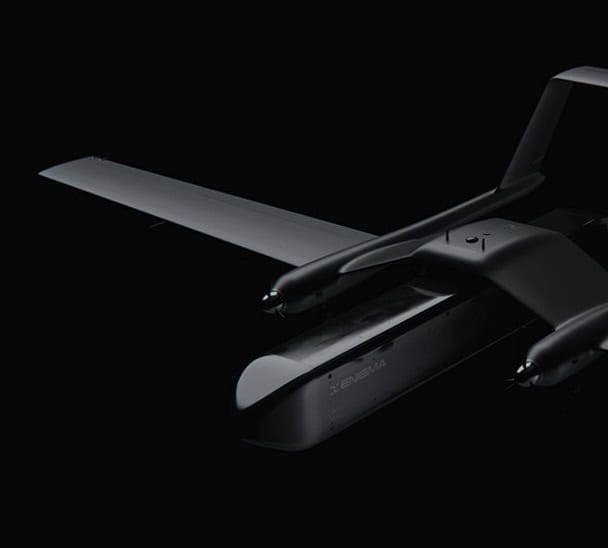
James Dorris, founder and CEO at Odys Aviation, added, “From day one, our mission has been to build aircraft that meet the operational demands and regulatory standards emerging across the European Union. Project VERTI-GO represents a major step forward for the entire advanced air mobility ecosystem. We’re proud to help advance SAIL-IV unmanned operations, demonstrating how Laila, our hybrid UAV, can transform medical and offshore logistics across the EU, while helping chart a clear, safe path toward fully integrated drone operations in everyday life.”
The 12-member consortium brings together technology providers Honeywell Aerospace and Frequentis; platform manufacturers Vertical Aerospace and Odys Aviation; air navigation service providers Air Navigation Services of the Czech Republic, NATS, and ENAIRE; research institutions ITG and CRIDA; airport and vertiport operator Aena; electric aircraft operator Aeros Electric Airlines; and intergovernmental organization EUROCONTROL.
Co-funded by the European Union, the SESAR Joint Undertaking operates as an institutionalized European partnership between public- and private-sector partners, working to accelerate the delivery of the Digital European Sky through research and innovation.