

GNSS jamming and spoofing are now widespread. The Royal Institute of Navigation surveyed over 100 sector experts and 300 vessel captains, and 75% said the situation is not improving.
Several recent groundings and collisions have already been linked to GNSS interference. Ships in high risk areas such as the Black Sea, the Baltic and the Strait of Hormuz regularly see false positions, impossible circular tracks and hours without signal.
In this webinar, recorded live on October 14, 2026, our speakers share the latest data and practical steps for protecting your positioning, navigation and timing.
Speakers:
Andy Proctor, VP, Royal Institute of Navigation
Oliver Potter, COO, Ground Control
Matt Loomis, Associate Director, Iridium PNT
In this webinar:
• The latest industry findings on GNSS interference and what they mean for operations that depend on GPS
• Why PNT is critical infrastructure, underpinning timing, synchronization, asset tracking and operational trust
• Why resilience needs a layered approach combining technology, governance, crew training and operational procedures
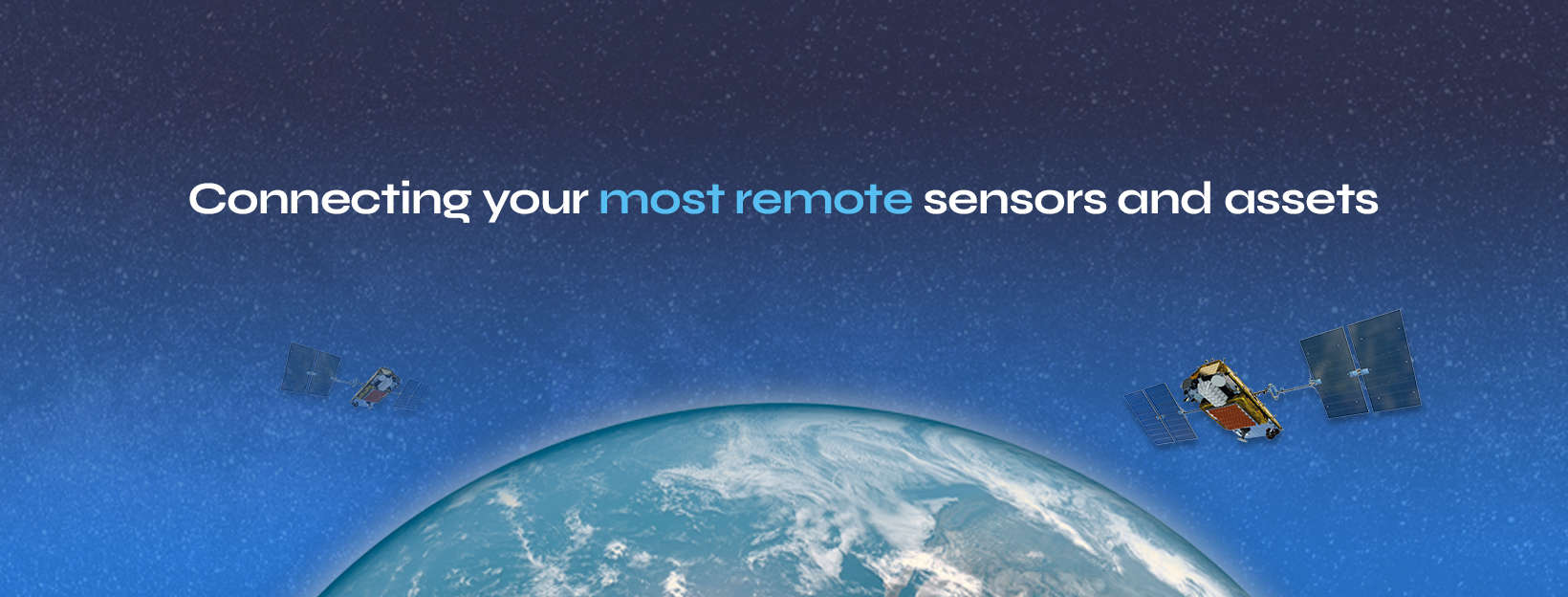
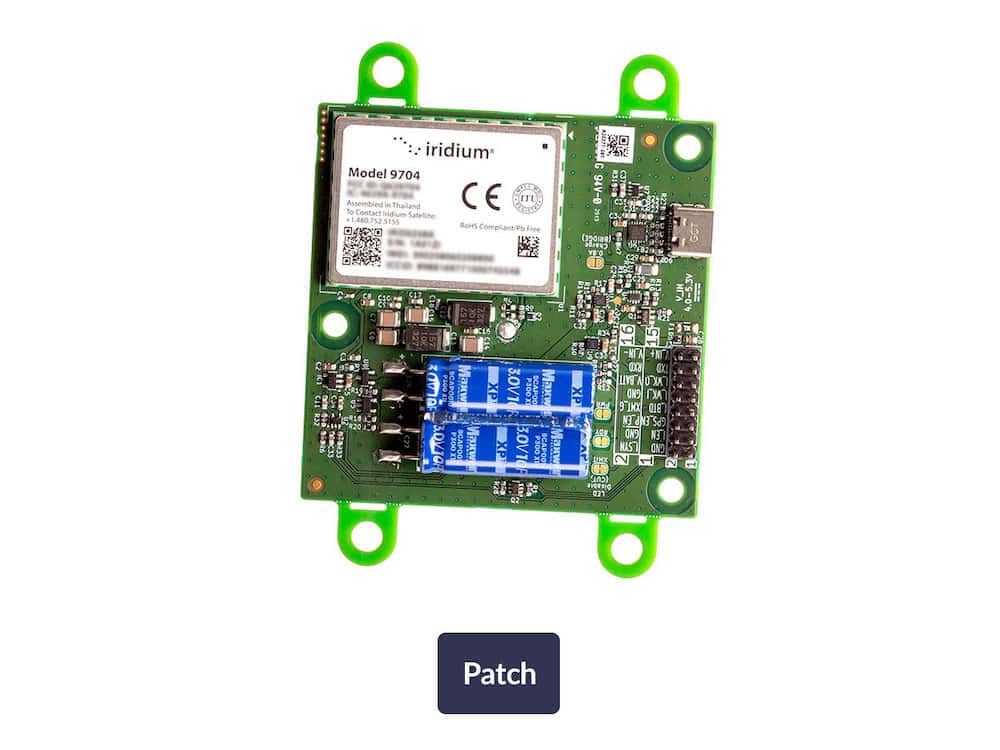
• How Iridium PNT works from Low Earth Orbit at 780 km, around 25 times closer than GNSS satellites, with a signal roughly 30 dB stronger and far harder to jam
• What makes Iridium so difficult to spoof: encrypted L-band transmissions, 48 spot beams per satellite and satellites travelling at around 12,000 mph
• Results from Jammertest 2026 in Norway, where Iridium PNT averaged 17 meters position accuracy under live jamming and spoofing
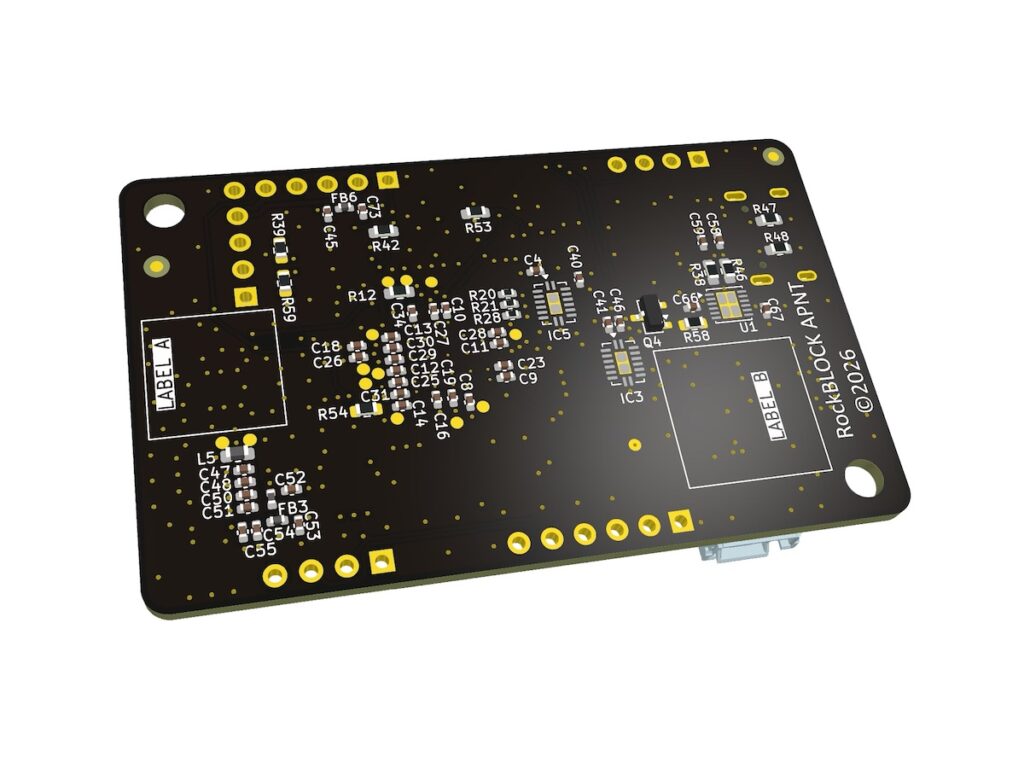
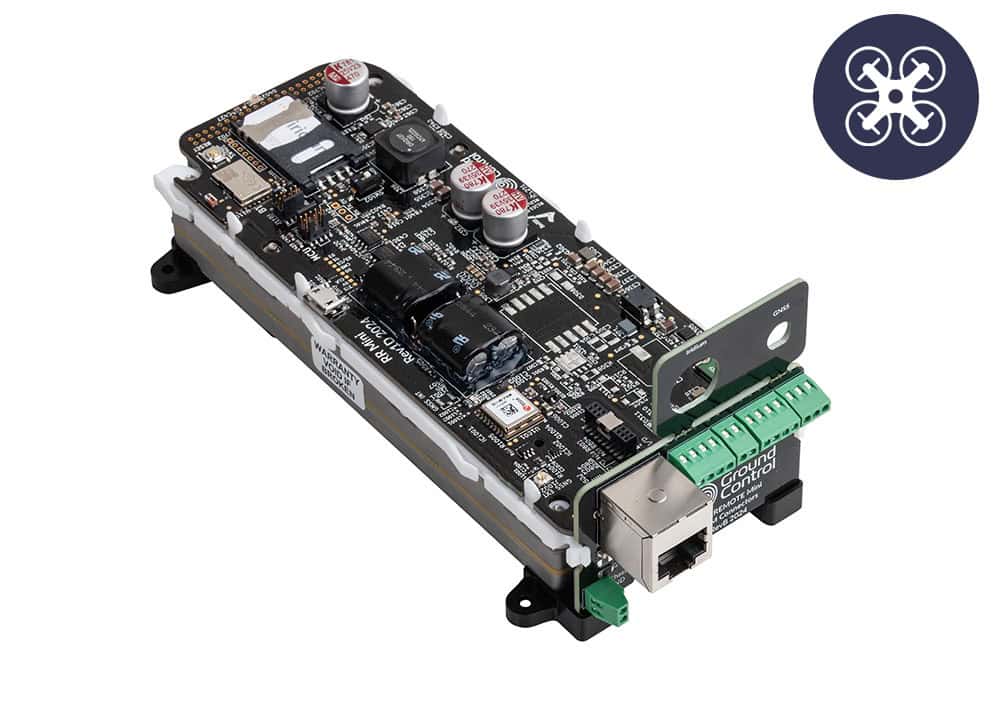
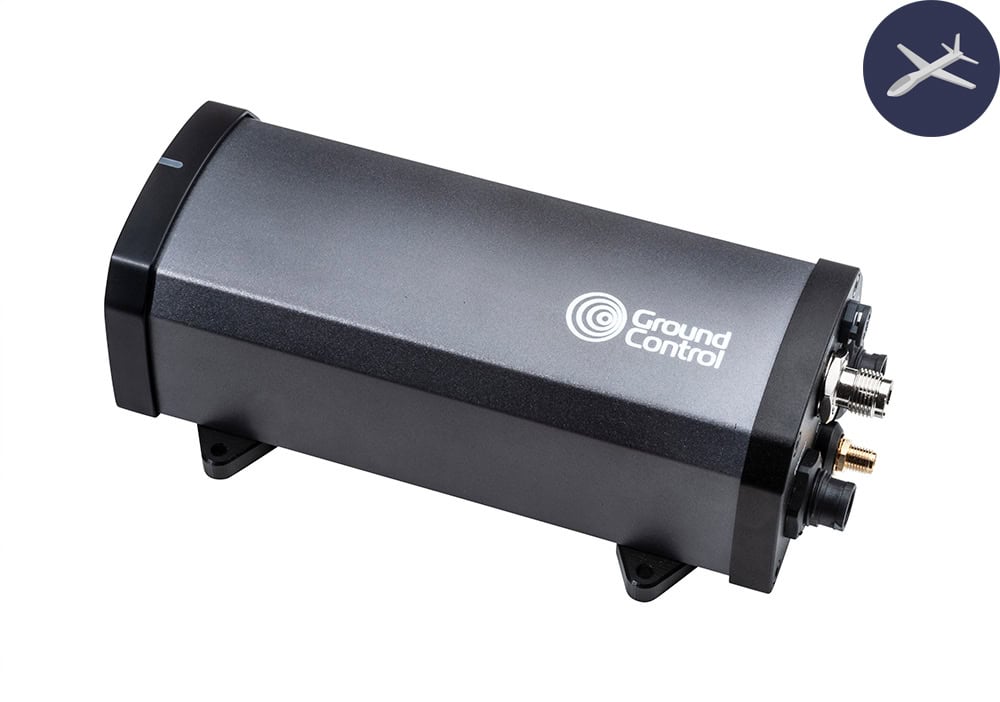
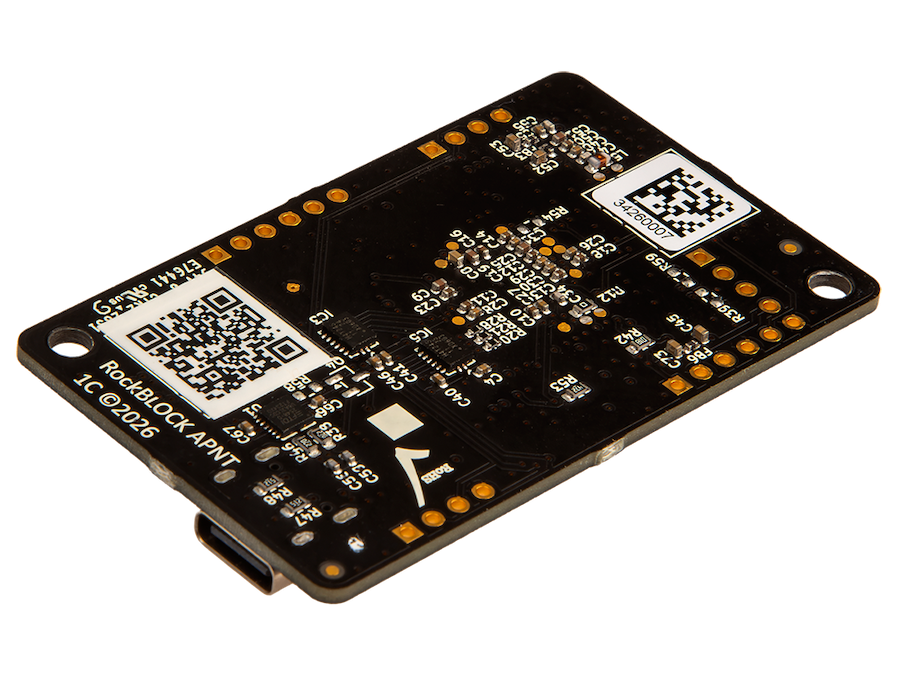
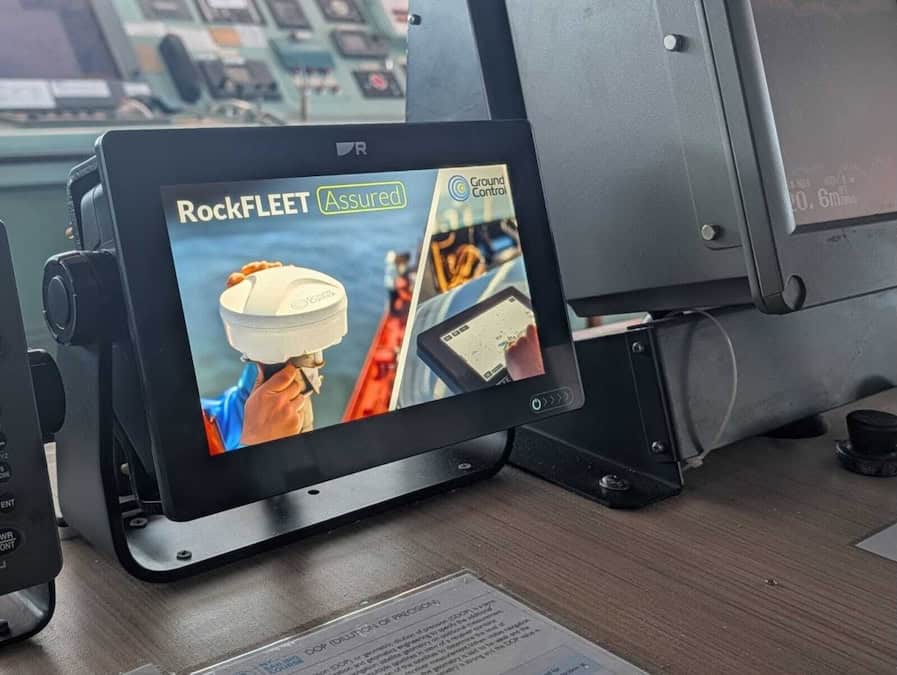
• How RockFLEET Assured cross-checks GNSS against Iridium PNT every second, triggering bridge alerts when the two diverge and sending true position data to shore.
Q&A highlights:
• Why Iridium PNT accuracy improves closer to the poles
• Where type approval stands: units meet IEC 60945, and work is underway to establish IMO/SOLAS categories for secondary PNT systems. Today, vessels deploy it as an independent bridge monitor or backup feed.
• How to test PNT resilience safely using simulated jamming or by disconnecting the primary GNSS antenna.
Who should watch: anyone responsible for navigation, positioning, timing or operational resilience in maritime, defense or critical infrastructure, whether you’re already planning for GNSS resilience or have never had reason to question GPS before.