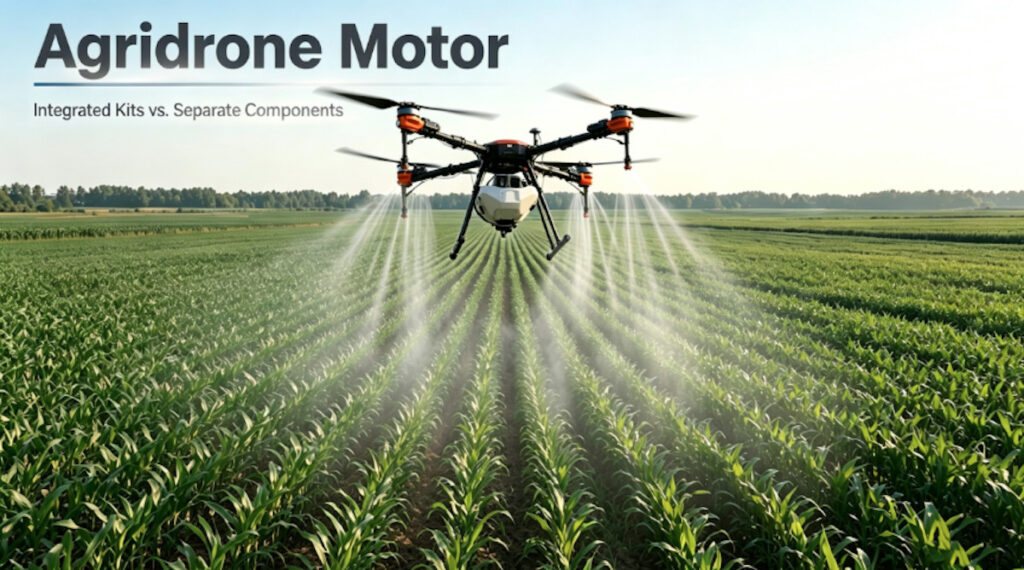
T-MOTOR examines IPX5, IPX6 and IPX7 water resistance ratings and their suitability for different agricultural drone operating conditions.
Unlike consumer drones, agricultural Unmanned Aerial Vehicles (UAVs) can face continuous moisture exposure during spraying missions. Fine chemical mist may enter motor gaps and cause corrosion, short circuits or bearing failure. While an IP water resistance rating defines how well equipment resists water ingress, a higher rating is not necessarily better suited to agricultural operations.
Additional sealing can increase weight and restrict heat dissipation, affecting continuous power performance, which is a critical consideration for heavy-lift agricultural drones. UAV designers must therefore balance waterproof capability with thermal management and payload requirements.
Comparing IPX5, IPX6 & IPX7 for Agricultural Applications
IPX5 provides protection against low-pressure water jets from any direction and can resist farm spray mist and splashing from dew. It is suited to standard dry or liquid pesticide spraying without direct heavy rain exposure, but cannot withstand temporary immersion. Its simple sealing design has minimal impact on motor heat dissipation and weight, making IPX5 the preferred option for most regular agricultural spraying drones.
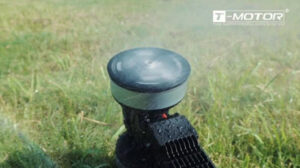
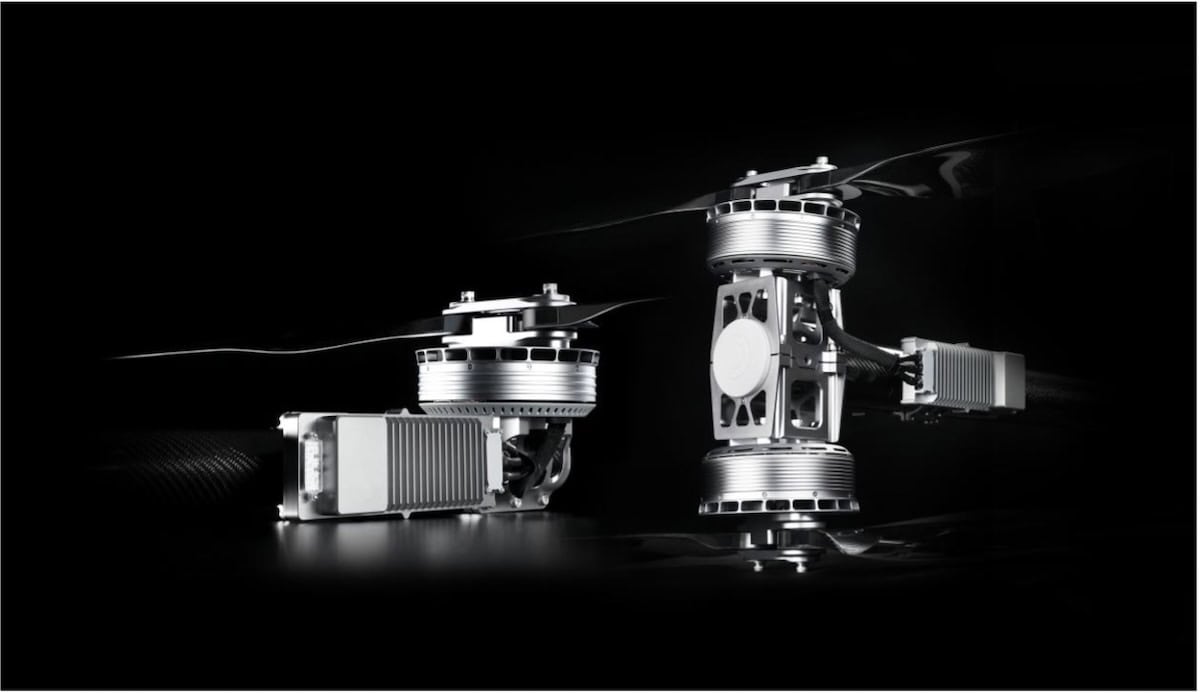
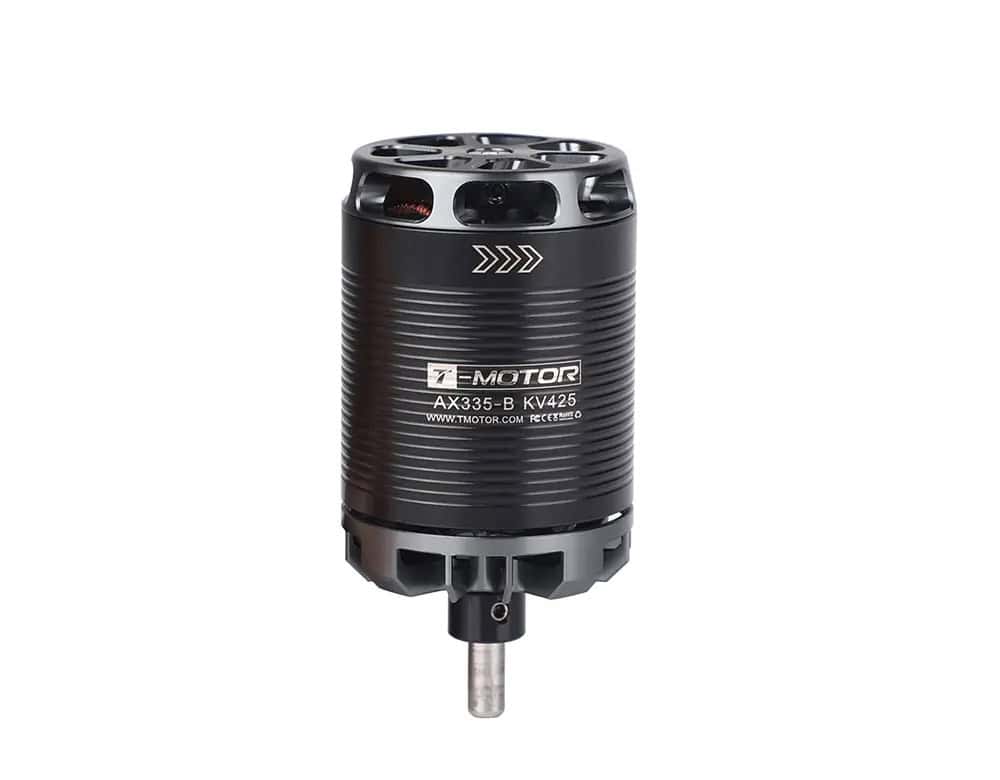
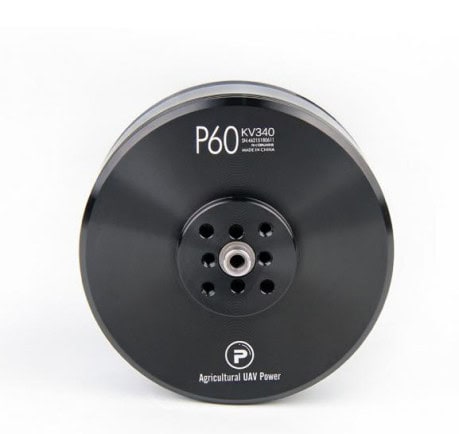
IPX6 protects against powerful, high-pressure water jets and can handle heavy spray impact and brief heavy rain. It is suited to operations in regions with frequent sudden showers and to high-pressure spray work, although it does not provide protection against water immersion. Reinforced sealing introduces minor thermal resistance, which can slightly increase operating temperature during long periods of continuous flight. T-MOTOR’s modular A Series and P Series agricultural drone motors carry an IPX6 waterproof rating.
IPX7 provides protection against temporary immersion in water at a depth of up to 1 meter for 30 minutes. Potential applications include extreme cases such as accidental water landings and operations in rainy and humid tropical regions.
However, the IPX7 rating applies under static test conditions and does not guarantee protection under vibration, high motor temperatures and thermal expansion during flight. A fully sealed housing also significantly restricts heat dissipation. For heavy-lift agricultural motors, this may reduce continuous power capability and increase the risk of thermal throttling, while additional sealing components add weight.
Selecting Protection for Field Operations
Agricultural drone propulsion systems must deliver stable power under complex field conditions. Choosing an appropriate waterproof rating can help balance reliability, efficiency and operational cost, with the required level of protection determined by the demands of the mission rather than simply by selecting the highest rating.
Visit the T-MOTOR website to learn more about its agricultural drone motors.