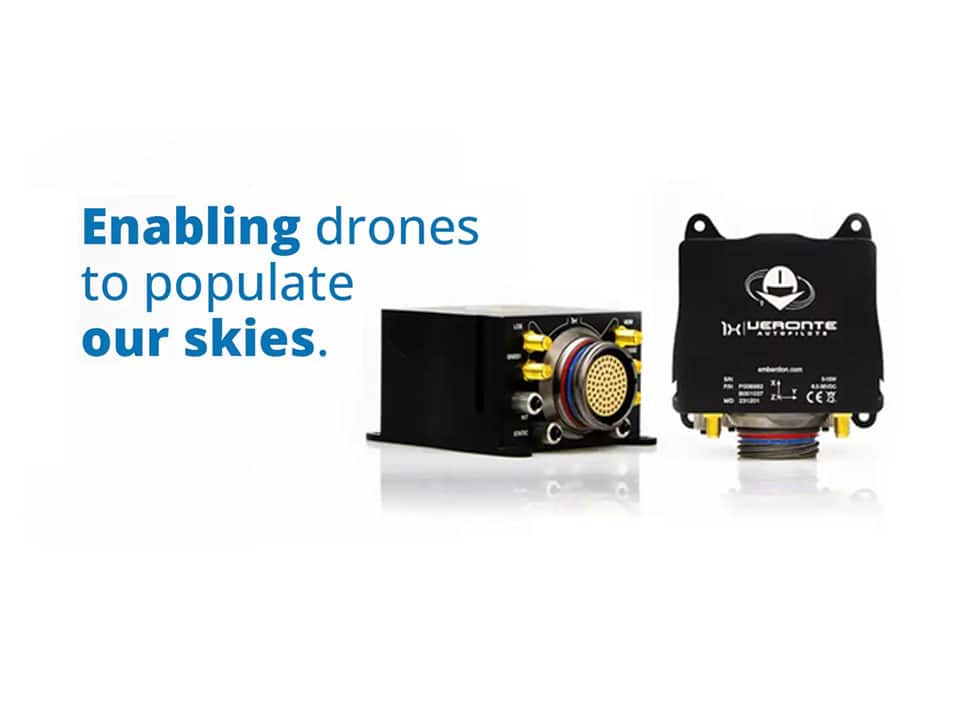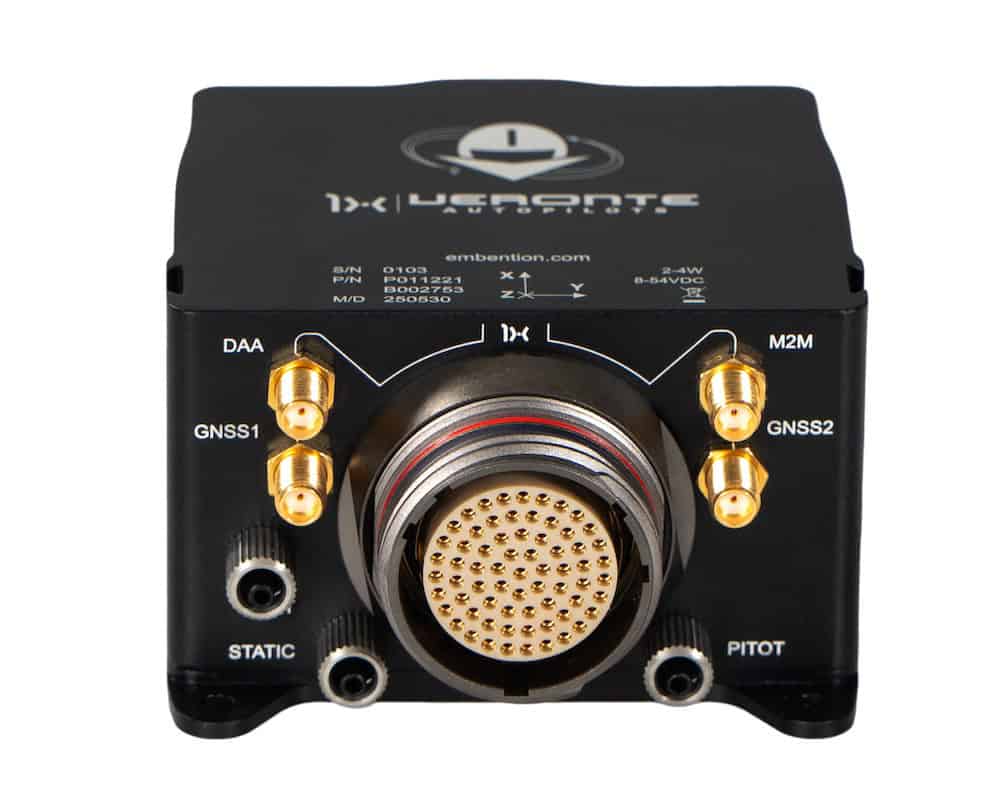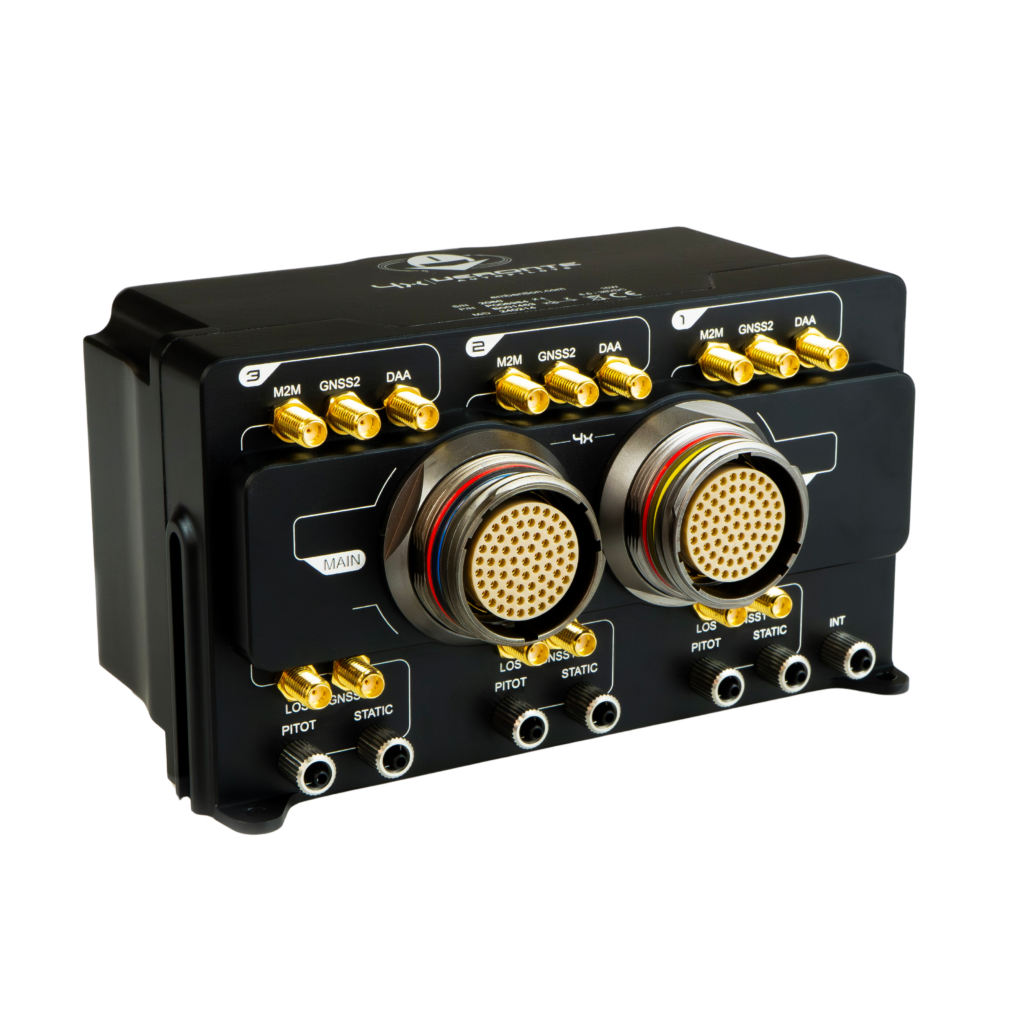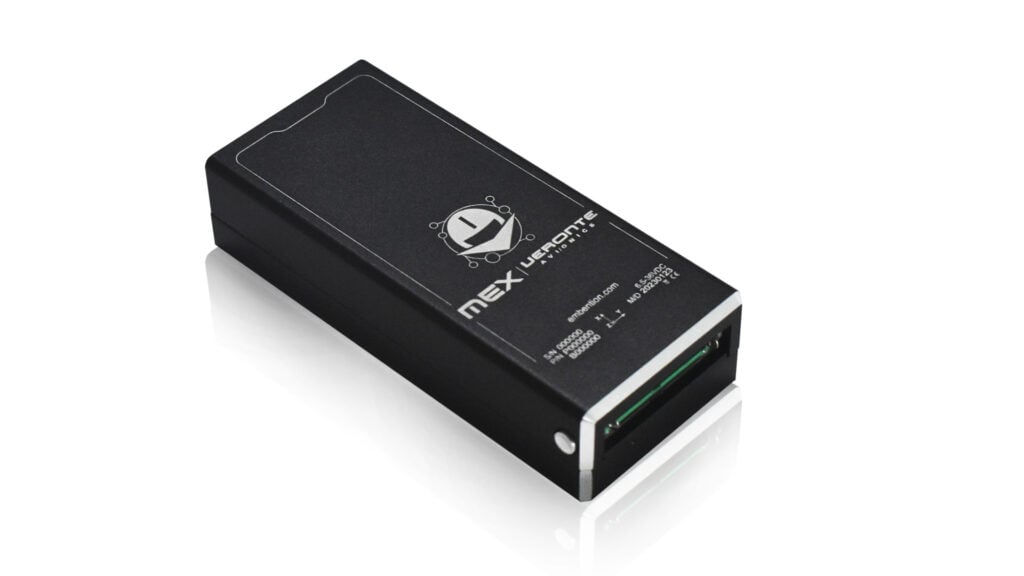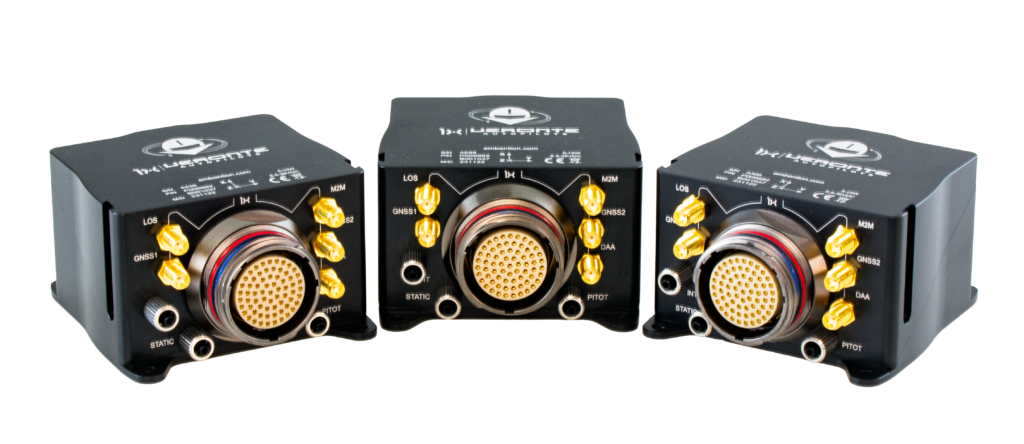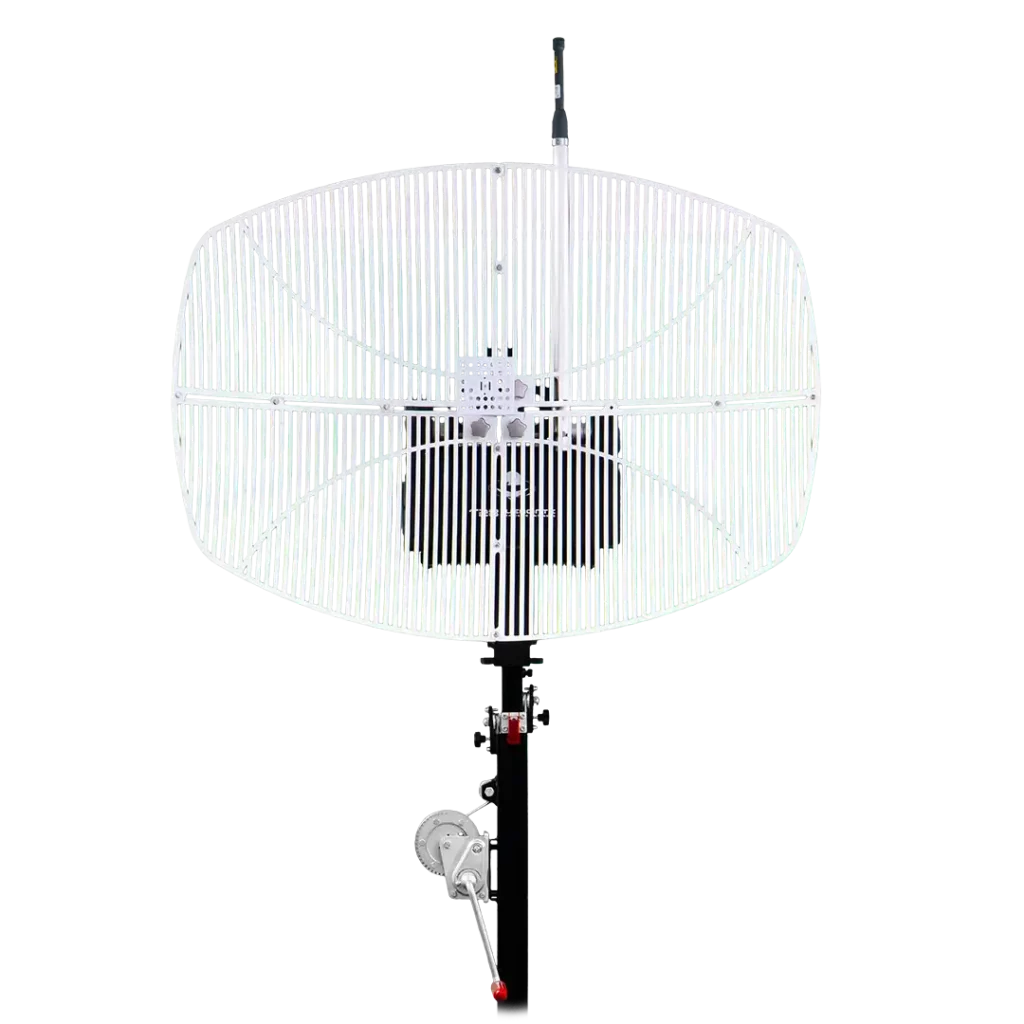
Embention, a provider of advanced avionics and autopilot solutions for unmanned systems, delivers specialized training through its UAM Academy focused on key technologies shaping modern airspace operations.
One of its targeted courses examines the differences between Remote ID and ADS-B, outlining their respective roles in ensuring safe and compliant Unmanned Aircraft Systems integration.
As airspace becomes increasingly saturated, the need for reliable mechanisms that support safety and coordination continues to grow. This course introduces the foundational concepts behind Remote ID and ADS-B, providing a focused overview of how these technologies contribute to air traffic management.
ADS-B (Automatic Dependent Surveillance-Broadcast) is presented as a system that enables aircraft to broadcast their GNSS position. This capability supports the execution of fully autonomous Sense & Avoid algorithms, helping to minimize the risk of mid-air collisions. By enabling aircraft to share positional data, ADS-B plays a role in enhancing situational awareness within shared airspace.
In contrast, Remote ID is described as the digital license plate of drones. It provides identification and positional information, supporting the legal and safe integration of unmanned aircraft, particularly in urban environments and within UTM operations. Its implementation is closely tied to regulatory requirements, making it a key component of compliant drone operations.
A central element of the course is the comparison between these two technologies. While both involve broadcasting information, their functions differ. ADS-B focuses on positional awareness to support collision avoidance, whereas Remote ID is designed to provide identification for regulatory and operational purposes. Understanding these technical and operational differences is presented as both a competitive advantage and a regulatory necessity.
The course is structured into five concise modules, beginning with the broader airspace challenge and the integration of UAS. It then introduces Remote ID and ADS-B individually before moving into a direct technical comparison. The final section addresses the future of autonomous flights, including the role of Sense & Avoid systems and the impact of mandatory regulations.
Through this structured approach, Embention’s UAM Academy provides a clear and focused learning resource for professionals seeking to strengthen their understanding of Remote ID and ADS-B, and their importance in the evolving landscape of unmanned aviation.
Explore the full course from Embention UAM Academy to gain a clear understanding of Remote ID and ADS B technologies and their role in safe, compliant UAS operations.