



ParaZero Technologies highlights the need for non-explosive drone interception at European airports, where conventional countermeasures face operational restrictions.
Following reports of suspected drone incursions potentially aimed at identifying gaps in NATO air defenses, the company highlights its RF-independent DefendAir system as a potential solution for strengthening existing counter-UAS infrastructure.
European Drone Incursions Highlight Airport Security Challenges
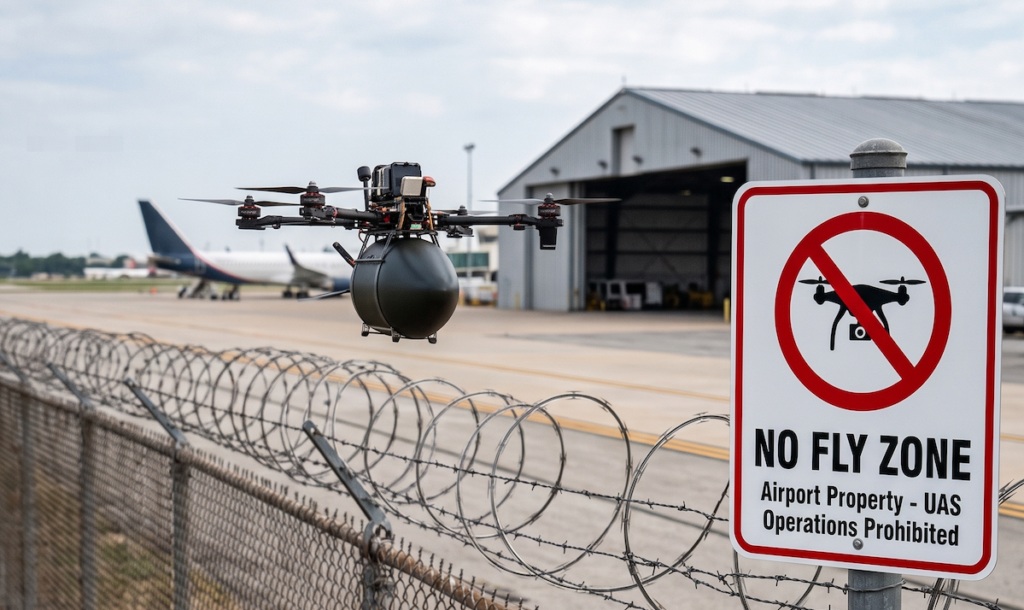
Between 2024 and 2026, researchers identified 144 suspected drone sightings across Europe, including incidents in Germany, France, Belgium, the Netherlands, the United Kingdom, and Denmark.
Activity peaked in late 2025, when unidentified drones disrupted airports in Copenhagen, Munich, and other locations across Denmark, Germany, and Spain, affecting tens of thousands of passengers. Subsequent analysis suggested that some incidents may have been coordinated efforts to identify gaps in NATO air defenses, potentially involving drones launched from vessels associated with Russia’s shadow fleet.
European defense organizations have taken steps to strengthen counter-drone capabilities. NATO’s Technical Interoperability Exercise 2026 in Latvia involved approximately 300 participants and more than 60 counter-drone systems, with a focus on interoperability.
However, ParaZero argues that improvements in detection, sensors, and command-and-control systems must be supported by effective physical interception capabilities.
Why Airports Require Alternative Drone Interception Methods
Airports present particular counter-UAS challenges because defensive measures must account for aircraft navigation, communications, passengers, and surrounding infrastructure.
RF jamming can interfere with aviation systems, while explosive interceptors and high-velocity projectiles pose risks near terminals, fuel storage facilities, and populated areas. Consequently, runway closures remain a primary response to suspected drone activity.
ParaZero also highlights the limitations of electronic warfare against fiber-optic guided drones, which are resistant to RF control-link jamming, citing experience in Israel.
These constraints emphasize the need for physical interception methods that do not rely on disrupting wireless communications or using explosive effects.
ParaZero DefendAir Provides Non-Explosive, RF-Independent Interception
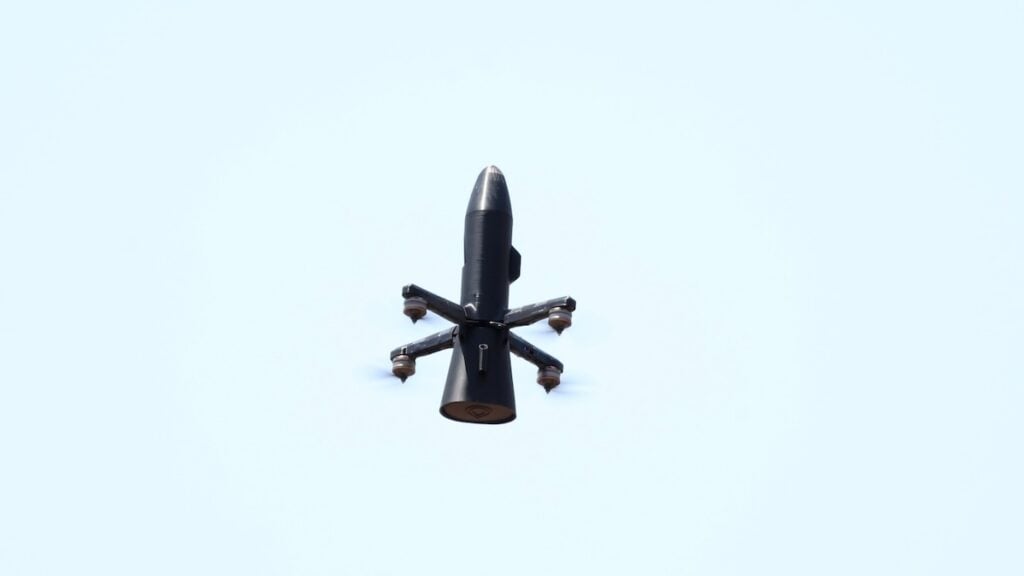
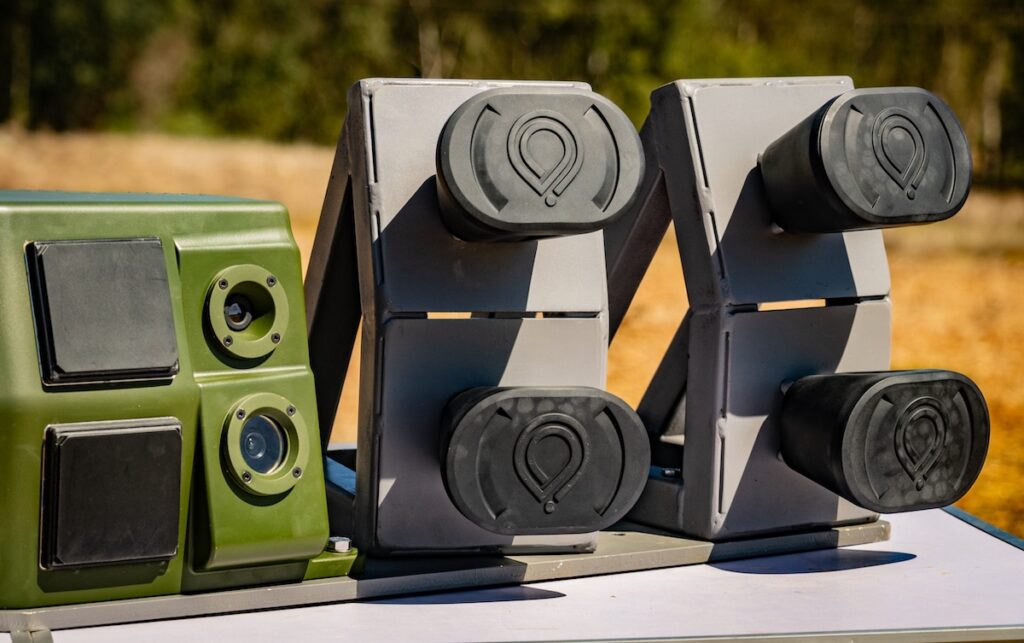
ParaZero describes its DefendAir system as a non-explosive, RF-independent drone interception solution that the company says can operate safely in urban and civilian environments.
DefendAir does not depend on disrupting the target drone’s wireless control link. ParaZero identifies this RF-independent approach as an alternative to jamming, which is ineffective against fiber-optic guided drones.
The system’s non-explosive configuration also addresses concerns associated with fragmentation and explosive effects near people and infrastructure.
DefendAir is described as system agnostic, allowing integration with existing drone detection and command-and-control infrastructure without requiring a complete replacement of established technologies.
Integrating Physical Interception into Airport Counter-UAS Systems
ParaZero positions DefendAir as a potential physical interception layer within existing counter-UAS architectures, complementing radar, sensors, and command-and-control systems.
The company presents the combination of existing detection infrastructure and non-explosive, RF-independent interception as an approach to expanding counter-drone response options at airports and other civilian facilities.
To learn more about non-explosive drone interception for airport security, visit the ParaZero Technologies’ website.