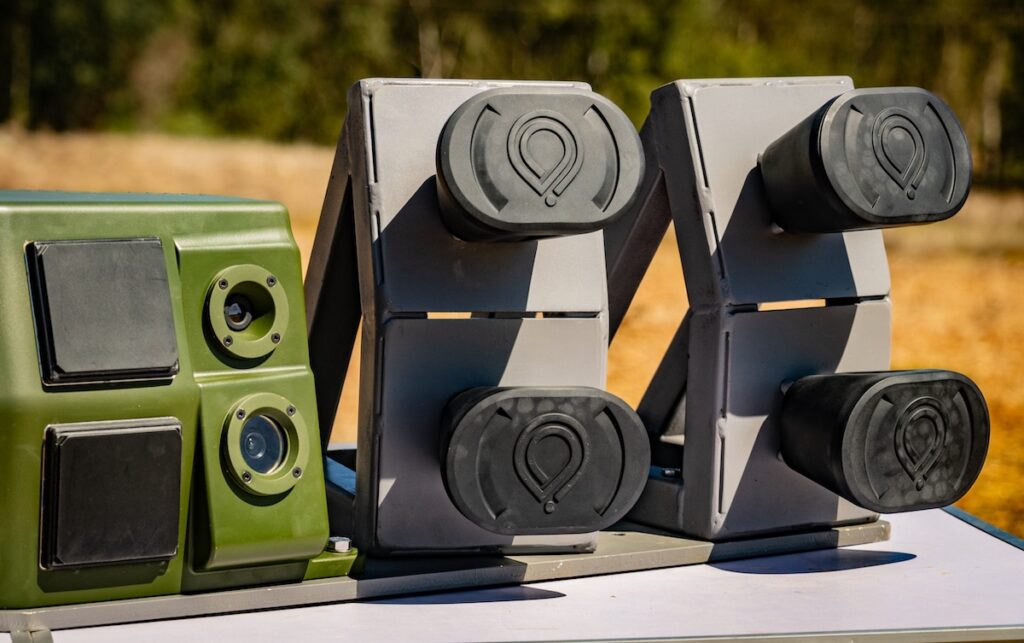


ParaZero Technologies has launched an autonomous counter-unmanned aerial system designed to defeat hostile drones through ground-directed guidance and reusable, net-deploying interceptors.
The commercially available platform, designated TillOnAIR, expands the aerospace defense company’s DefendAir portfolio into a complete detect-to-defeat architecture. Unlike conventional counter-UAS systems that equip the airborne interceptor with complex tracking electronics, TillOnAIR separates targeting and guidance from the aerial vehicle.
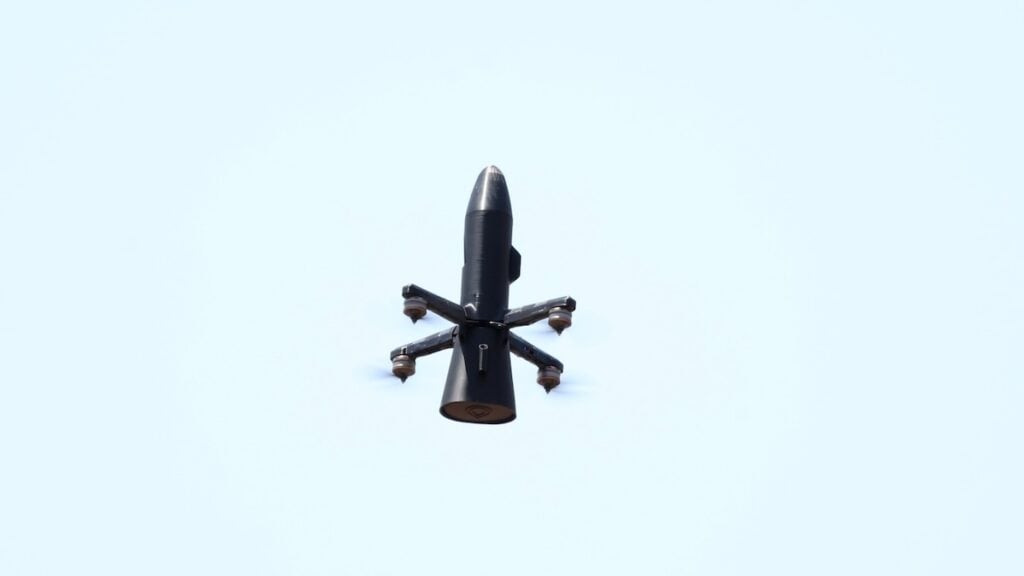
Detection and tracking are managed entirely by a ground-based mission control unit that guides the interceptor to the target, eliminating the need for onboard GPS, homing seekers, optical cameras, or beacon receivers. This offboard configuration results in a lightweight, mechanically simpler quadcopter that delivers lower production and replacement costs within a fully autonomous operational envelope.
The system is engineered to operate in environments heavily affected by electronic interference, jamming, and spoofing. Because interception relies on the mechanical deployment of a physical net rather than communications disruption, it can counter pre-programmed, autonomous, and fiber-optic-guided drones that operate without radio-frequency links. Engaging threats from above, the interceptor captures the hostile craft in a DefendAir net and returns intact to the launch site, requiring only a replacement net pod to return to service. The non-explosive mechanism also avoids the fragmentation risks and warhead hazards associated with traditional kinetic interceptors.
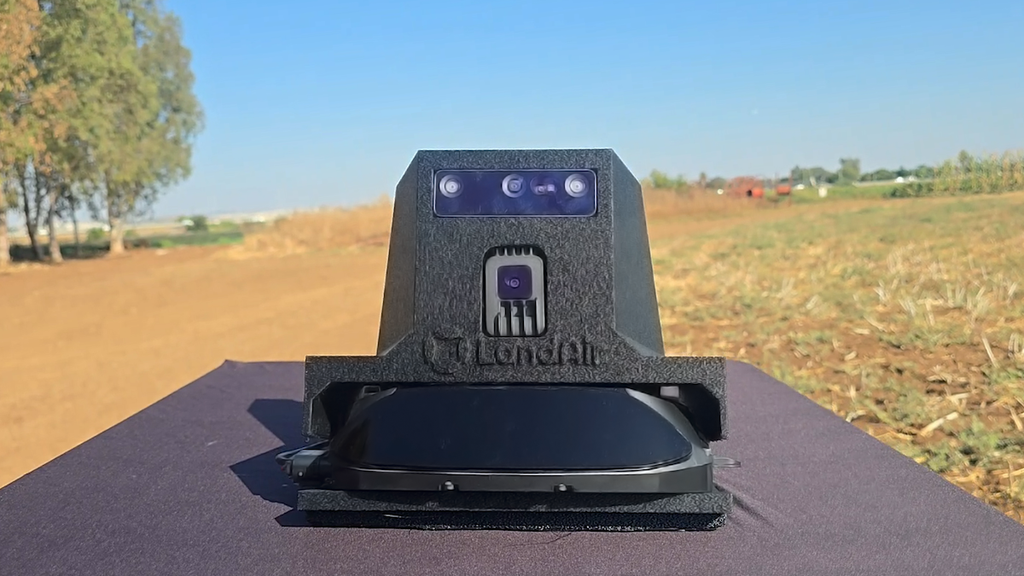
Designed for rapid deployment, the 15-kilogram system can be set up in approximately 20 minutes to establish a 50-to-100-meter protective bubble around high-value assets. A single ground unit can coordinate multiple interceptors simultaneously to address swarm or multiple-threat scenarios without human pilot or operator intervention. The platform is targeted at forward military installations such as field hospitals, outposts, and command centers, as well as permanent infrastructure including radar sites, energy plants, government facilities, and civil security environments where non-explosive measures are required.
Ariel Alon, CEO of ParaZero, said, “TillOnAIR introduces a unique approach to autonomous drone defense: the intelligence and guidance remain on the ground, while a simple, reusable interceptor physically stops the threat. We have brought detection, guidance and interception together in one complete ParaZero system. This expands our role from providing the interception capability to delivering an entire autonomous defense solution, adding a new perimeter-protection layer to the DefendAir family.”
Following initial appearances at the AUSA Annual Meeting and Exposition in Washington, D.C. and the SIBAT Israeli National Defense Pavilion, the system is scheduled for a series of operational demonstrations throughout November 2026 for defense, military, and government organizations.
TillOnAIR will also be showcased at the UVID DroneTech exhibition in Tel Aviv on November 12, 2026, ahead of planned international demonstration trials.