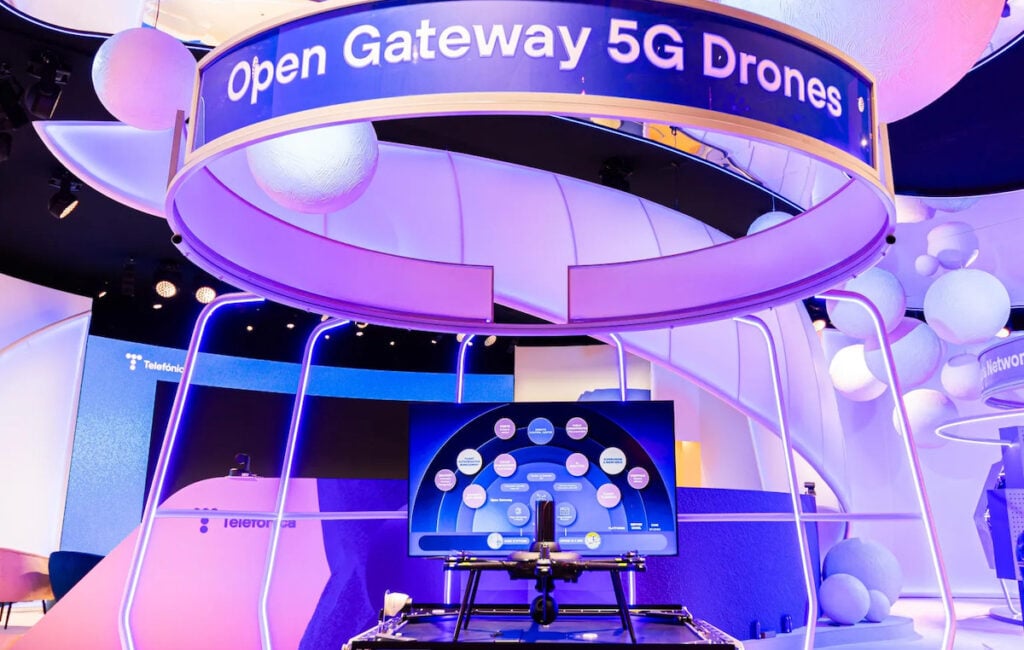
The drone market is entering a more mature and demanding phase. In a discussion with Thomas Eder, Head of Embedded Wireless Solutions at Nokia, scale, regulation, integration, component heritage, and operational readiness were identified as the key factors defining current customer adoption.
 Eder highlighted the pace of change in a young industry still moving through very fast technology cycles. While telecommunications typically works around longer renewal periods, the drone sector is seeing technology refresh cycles closer to one or two years. This reflects how quickly drones have moved from hobbyist use into industrial, public safety and defense-related applications.
The conversations taking place across events such as XPONENTIAL, Commercial UAV Expo and specialist forums like YellowScan’s LiDAR Convention show where the market is heading. These events bring Nokia into contact with supply chain partners, customers and potential future customers, while smaller expert-led forums create more space for detailed technical exchange. Technology roadmaps, new products and competitive positioning remain important, but customers are increasingly focused on how to move from single systems to scaled deployments involving tens or hundreds of drones.
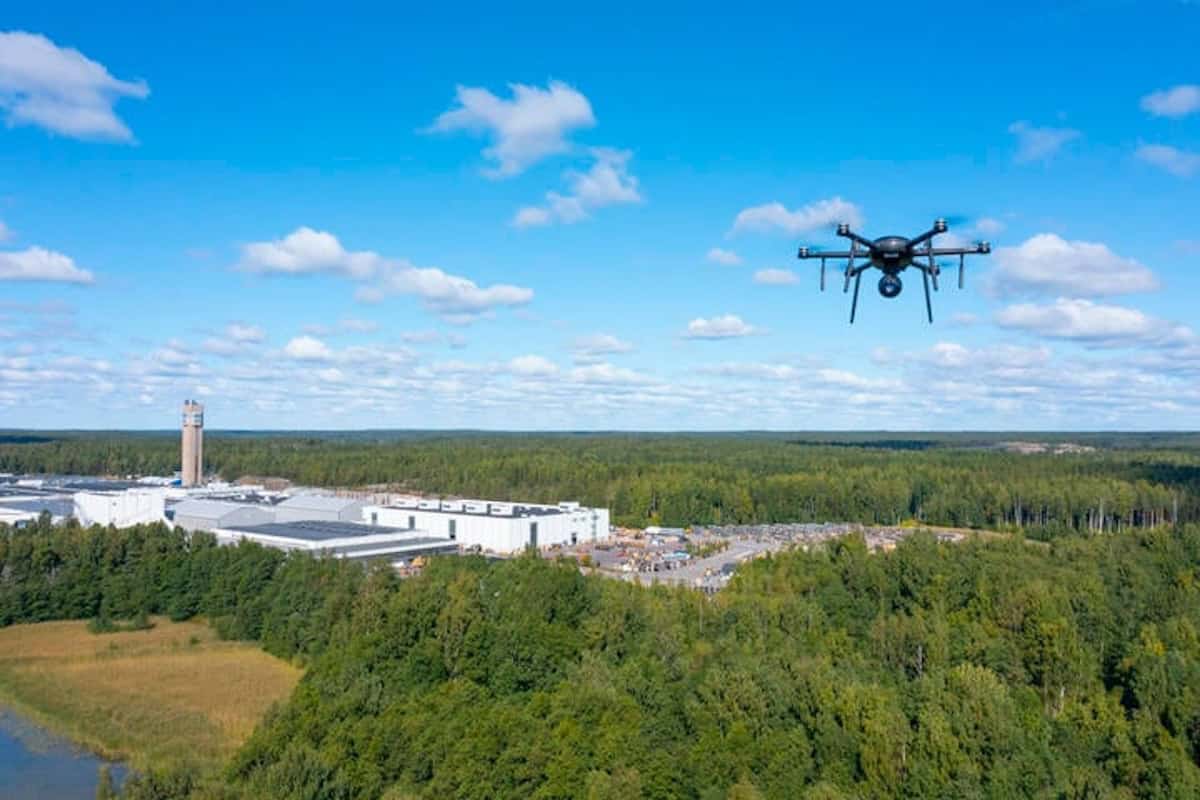
For Nokia, this is a central theme. A single drone can deliver value, but the wider opportunity comes when drones operate as part of a connected, cellular-enabled private network. At that point, the discussion shifts from aircraft capability alone to fleet management, automation, connectivity and the infrastructure needed to support repeatable operations.
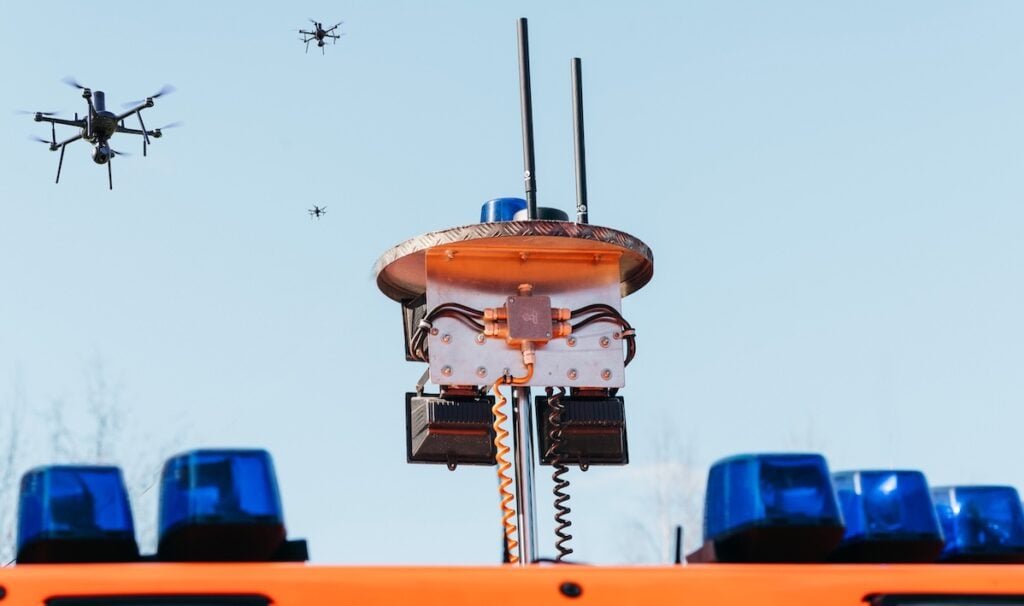
 Public safety remains one of the strongest areas of demand, particularly for drones as first responder. Police, firefighters and other blue light organizations are looking for aerial insight before personnel arrive on scene. Eder also connected this trend to the wider dual-use potential of drone networks, a capability designed directly into platforms such as Nokia Drone Networks. A single fleet deployed for public safety on one day could support a commercial task such as power line inspection on another, and then be applied to national defense or surveillance requirements, such as border monitoring or crisis-area surveillance, if geopolitical tensions arise.
Industrial inspection is also gaining momentum, especially across utilities, power line inspection, perimeter security and plant safety. This reinforces the point that many of the strongest drone opportunities are no longer isolated use cases, but part of a broader operational model where the same underlying systems can support public, commercial and security requirements.
Regional priorities are developing differently. In Europe, Eder pointed to the importance of EASA requirements and growing industrial adoption in countries including Germany, the UK, Belgium and Spain. Belgium remains especially notable from Nokia’s perspective because of the national-level use of drones for public safety, supported by Nokia’s network there. In North America, customer conversations are more heavily shaped by component heritage and supply chain architecture, particularly in public safety and defense-related markets.
The use cases may be established, but the technology is still being refined. Customers know the problems they want to solve, yet the sensors, software and integrations required to solve them reliably are still evolving. The market is moving beyond simply selling a drone with a camera. Customers now want systems that can detect the right objects and temperatures, while integrating with existing video management, perimeter surveillance, IT and operational technology systems.
This is creating greater demand for customization. Automation, Beyond Visual Line of Sight (BVLOS) readiness, cellular connectivity and remote fleet management are all becoming more important as organizations look to scale. But these capabilities require engineering depth, software expertise and commercial models that reflect the cost of tailored solutions.
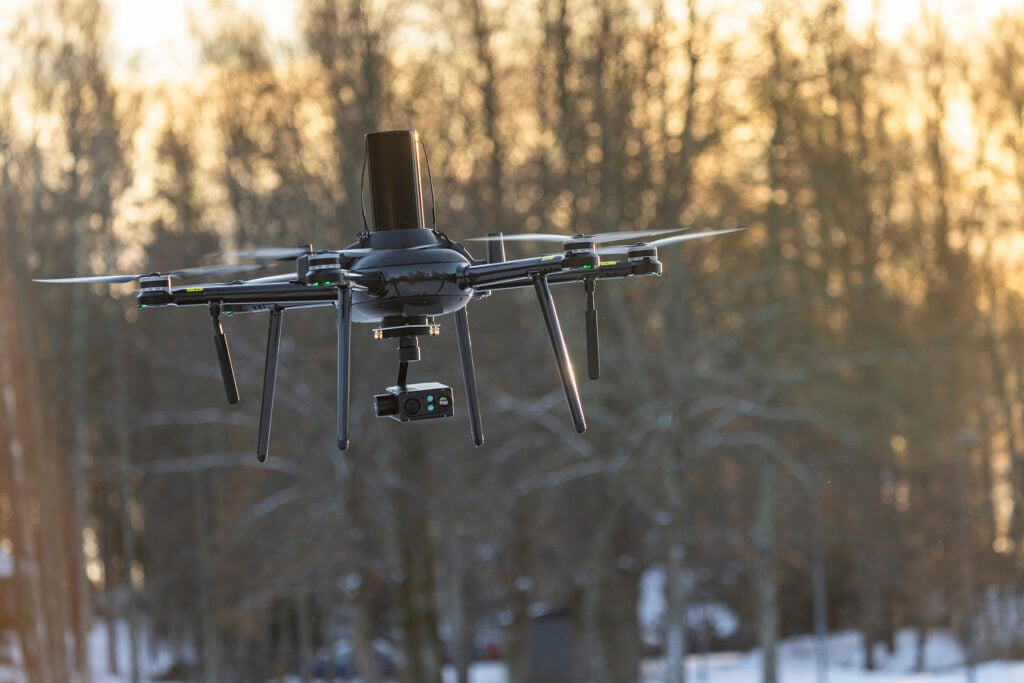
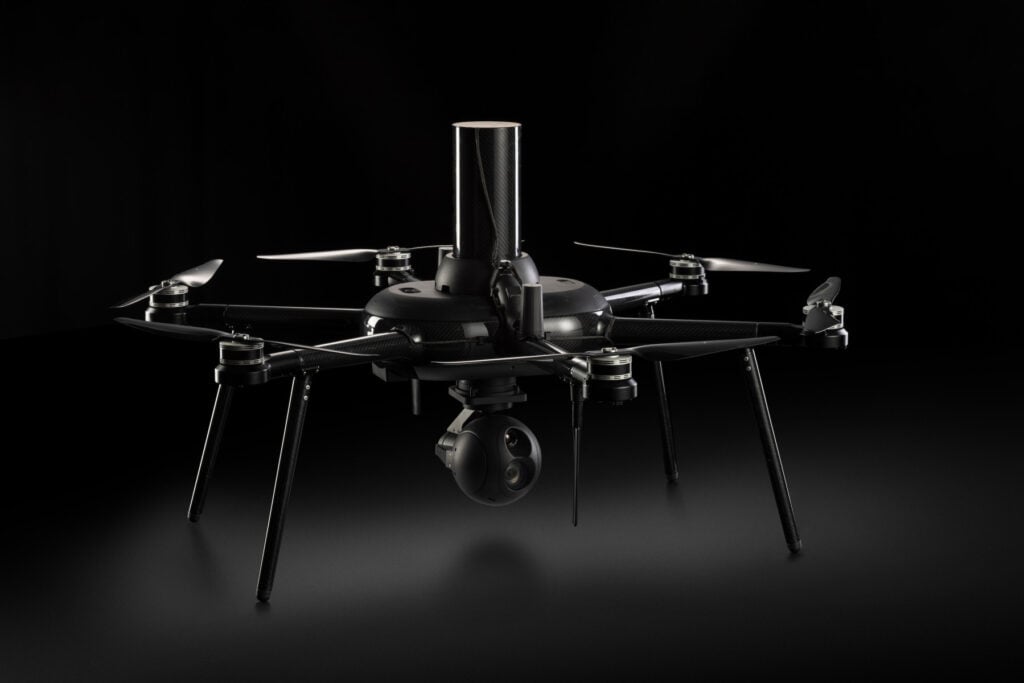
Defense and dual-use requirements are also becoming more prominent. Eder linked this to the wider geopolitical environment, as well as the growing importance of certification, component heritage and system-grade certification. The Nokia Drone Networks solution is positioned for civil use as well as defense-related intelligence and surveillance applications, rather than battlefield operations. Within that area, relevant payloads can include thermal cameras for identifying objects or targets, LiDAR scanners for generating accurate 3D models, and infrared or radar-based systems for situations such as disaster response or areas where personnel cannot safely enter.
Looking ahead, industrial automation and simplified regulatory frameworks are likely to define the next phase of market growth. The hardware and software needed to support more advanced operations are already available, but customer readiness to invest, regulatory clarity and supplier capability will determine how quickly the market scales.
Taken together, Eder’s perspective points to a broader shift in the drone market: growth is no longer defined by the aircraft alone. The next phase will depend on networks, automation, regulatory readiness, component heritage, supply chain architecture and the ability to integrate drones into the wider systems that public safety, industrial and security customers already use.
To learn more about the Nokia Drone Networks solution and its role in scalable, connected operations, visit the Nokia Drone Networks’ website.