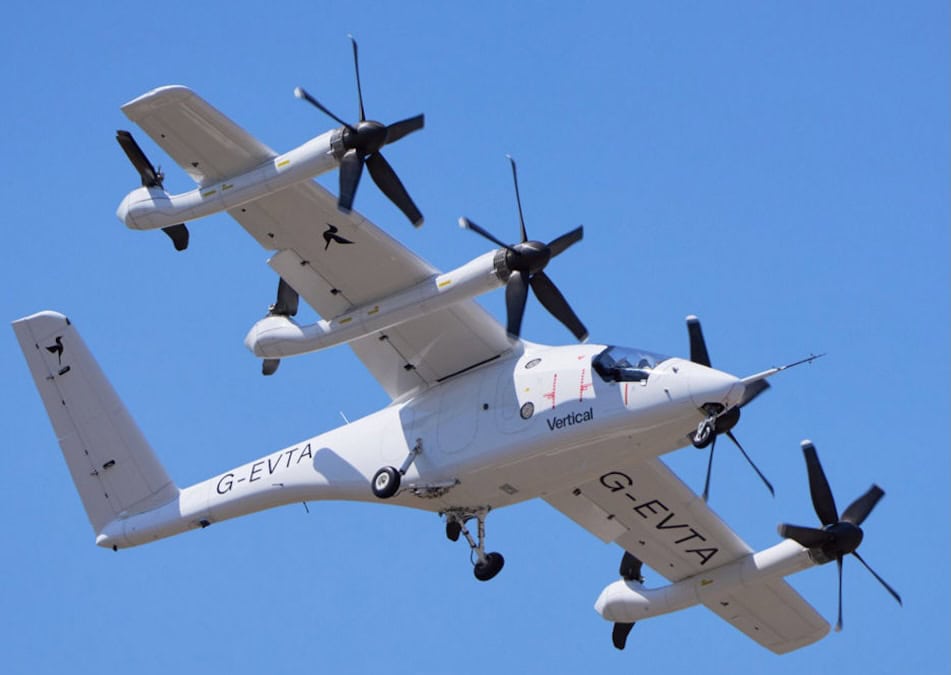




Honeywell Aerospace highlights the engineering considerations involved in integrating megawatt-class electrical power generation into aircraft, including weight, efficiency, cooling and electrical distribution. Read more >>
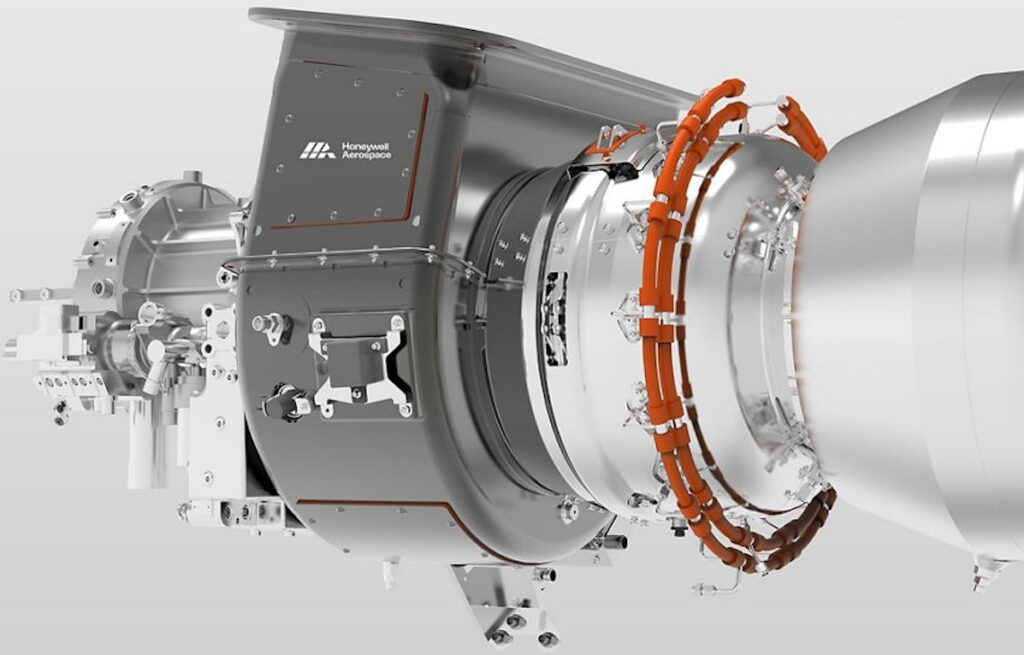
The company’s 1-Megawatt (MW) generator measures approximately one foot in diameter and two feet long, with a power density of around 8 kilowatts per kilogram and 97% DC design efficiency at rated load.
The generator provides a power source for hybrid-electric aircraft, including unmanned aircraft, urban air mobility vehicles and traditional airframes. In a hybrid-electric architecture, it can be integrated with a fuel-burning engine through a direct-drive shaft, converting mechanical power into electrical power for the aircraft. Aircraft manufacturers must also consider how this power is distributed and used within the platform’s weight, space and cooling constraints.
Honeywell Aerospace also addresses the thermal management challenges associated with higher electrical loads. Its wholly owned subsidiary Rocky Research is working on thermal energy storage technologies that can supplement aircraft cooling systems during periods of increased demand, reducing the need to size conventional cooling equipment around every temporary peak. The company notes that megawatt-class power requirements vary between aircraft platforms, with defense applications potentially introducing tighter packaging constraints and mission-specific electrical loads.