Honeywell Aerospace develops resilient navigation technologies that help maintain reliable positioning, navigation and timing (PNT) information when global navigation satellite systems (GNSS) are degraded or unavailable. Read more >>
By combining inertial navigation with complementary aiding sources, the company’s approach is designed to support defense aircraft and autonomous systems operating in increasingly contested environments.
As military operations become more autonomous and extend across air, land, sea and undersea domains, dependable navigation has become fundamental to mission execution. From loitering munitions and Uncrewed Aerial Vehicles (UAVs) to large fixed-wing aircraft, platforms must continue operating with confidence even when satellite navigation can no longer be relied upon.
The Growing Threat to GNSS
GNSS forms the foundation of most modern navigation systems, but it is also becoming increasingly vulnerable to jamming, spoofing and other forms of interference. These events now occur more than 1,500 times each day worldwide, creating risks for mission success, operational efficiency and safety across both military and civil sectors.
The impact is particularly significant for defense operations. Platforms conducting precision targeting, long-range missions or operating within denied environments depend on continuous access to trusted navigation information. When GNSS performance is disrupted, maintaining accurate positioning and mission continuity becomes considerably more challenging.
A Layered Approach
Rather than replacing GNSS, resilient navigation is intended to maintain operational capability whenever satellite-based navigation is degraded or unavailable.
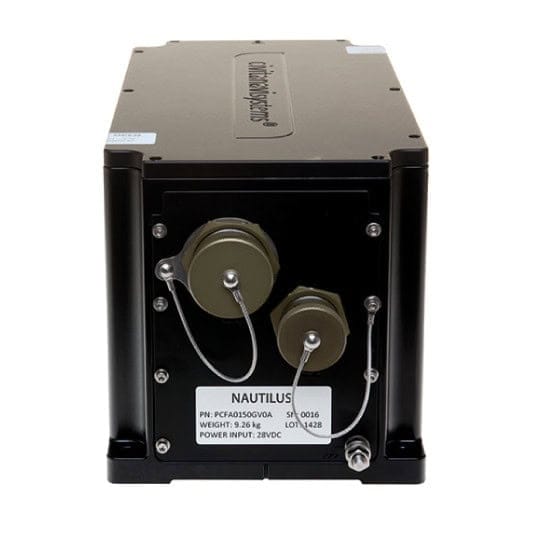
Honeywell Aerospace pioneered inertial navigation technology and continues advancing its performance. Unlike GNSS, Inertial Navigation Systems (INS) are self-contained and immune to external interference, providing continuous positioning, navigation and timing data, including in fully denied environments.
Matt Picchetti, Vice President and General Manager of Navigation & Sensors at Honeywell Aerospace, commented, “Resilient navigation is knowing where you are and where you’re going with a high degree of confidence, even when traditional navigation sources are disrupted. What we’re finding is that there is no single silver bullet. Resilient navigation systems are layered and multimodal, meaning they rely on complementary navigation sources working together rather than on any single technology acting alone.”
Rather than relying on a single navigation input, this approach combines inertial navigation with additional complementary technologies to provide a more resilient navigation architecture capable of maintaining trusted information under changing operational conditions.
From Redundancy to Resilience
Achieving navigation resilience requires more than sensor redundancy. Instead, multiple aiding sources are combined with inertial navigation to maintain performance if one or more inputs become unavailable.
Julie Heck, General Manager for Navigation and Sensors at Honeywell Aerospace, added, “Resilient navigation is really about layering aiding sources to create a solution that doesn’t rely on any single sensor. We start with inertial navigation as the foundation, use GNSS when it’s available and then layer in additional aiding sources to create resilience even when one input is degraded or unavailable.”
This design philosophy underpins the Honeywell Alternative Navigation Architecture (HANA), a flexible framework that integrates inertial navigation with complementary technologies to maintain performance across a wide range of mission profiles.
Supporting Multi-Domain Missions
Defense missions are becoming longer, more autonomous and increasingly complex, placing greater demands on navigation systems across air, land, sea and undersea environments.
Maintaining positional accuracy alone is no longer sufficient. Navigation systems must also provide continuous integrity by delivering trusted information throughout the mission, regardless of external conditions or the availability of GNSS.
Trevor Stephens, Senior R&D Manager at Honeywell Aerospace, “The objective is not to replace GNSS, but to augment it with complementary technologies that sustain reliable performance when GNSS is compromised.”
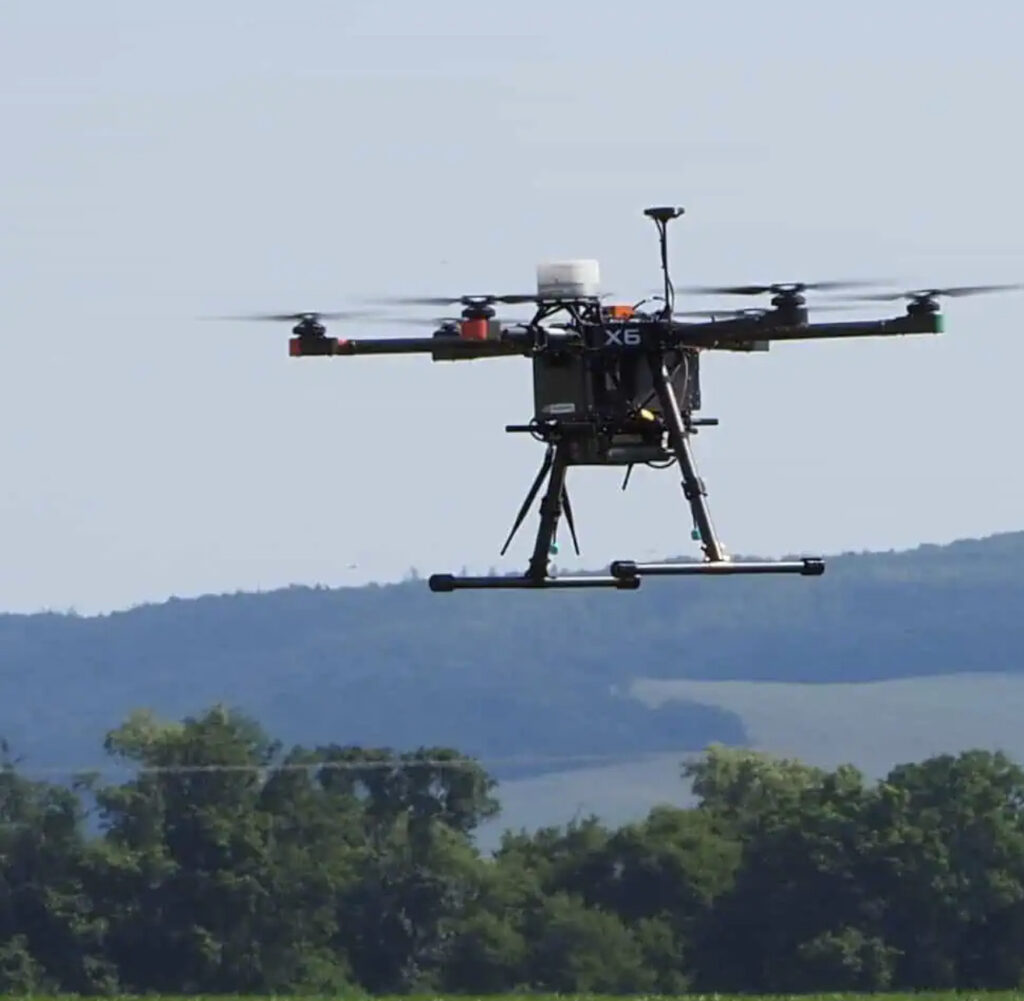
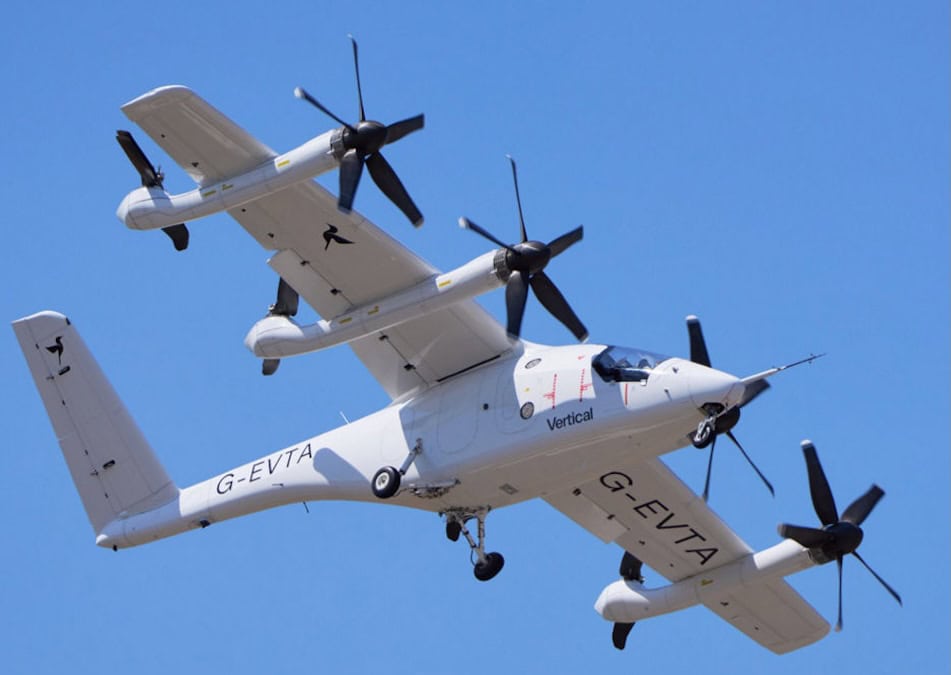
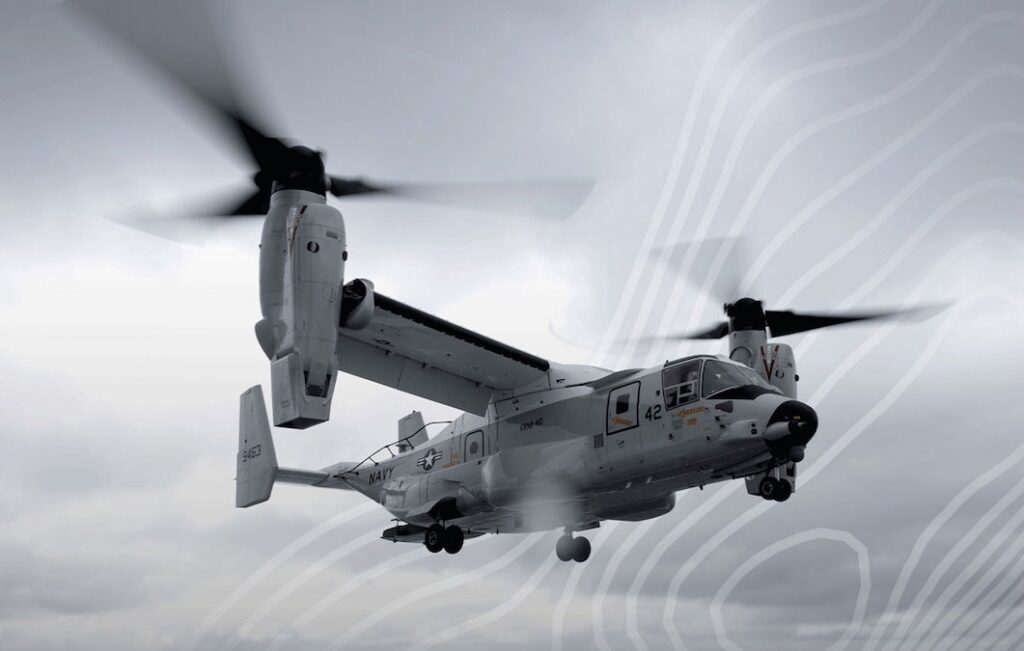
For UAV and loitering missions, this approach supports precise navigation within GPS-denied areas. For large fixed-wing and high-endurance platforms, it helps maintain mission continuity during extended operations where navigation reliability remains essential.
The Future of Navigation
Although the principles of navigation remain unchanged, the technologies supporting them continue to evolve in response to increasingly demanding operational requirements.
Julie Heck, General Manager for Navigation and Sensors at Honeywell Aerospace, “Technologies and system architectures will evolve significantly over the next 5 to 10 years as navigation systems become more modular, open and adaptable.
“The importance of resilient navigation will only continue to grow as threats become more severe and advances in artificial intelligence, autonomy and sensor fusion accelerate.”
As navigation architectures continue to evolve, Honeywell Aerospace is developing resilient navigation technologies that combine inertial systems with complementary aiding sources to help support defense operations in contested environments while addressing the growing requirements of future autonomous and multi-domain missions.