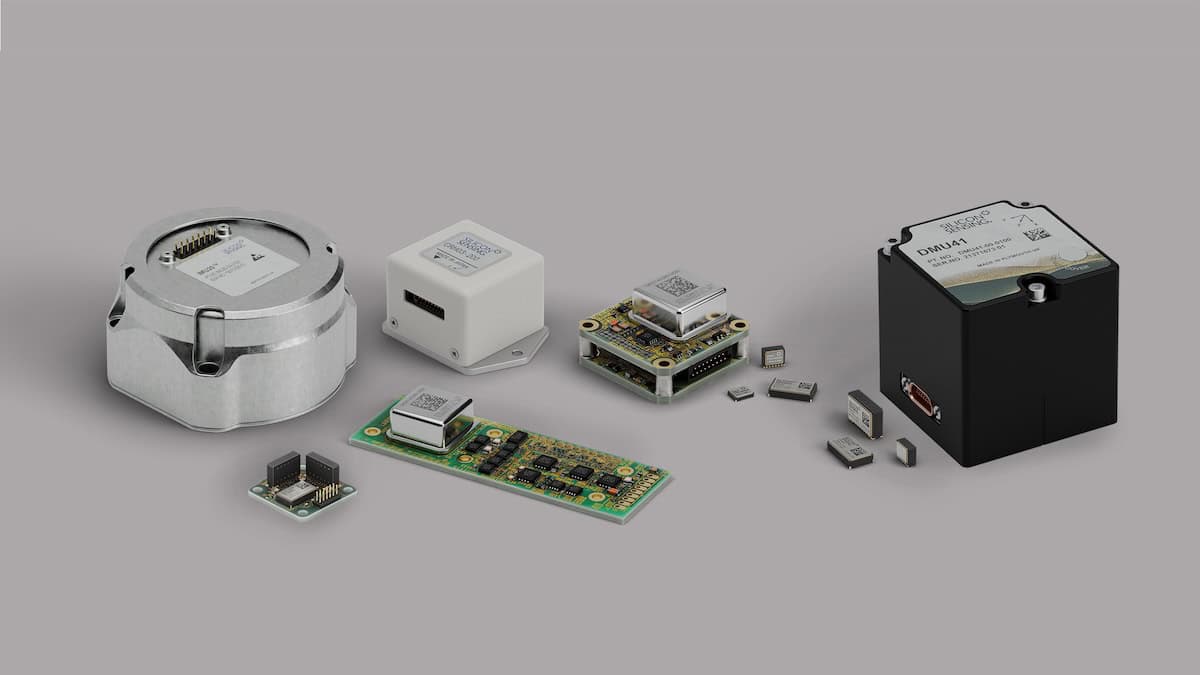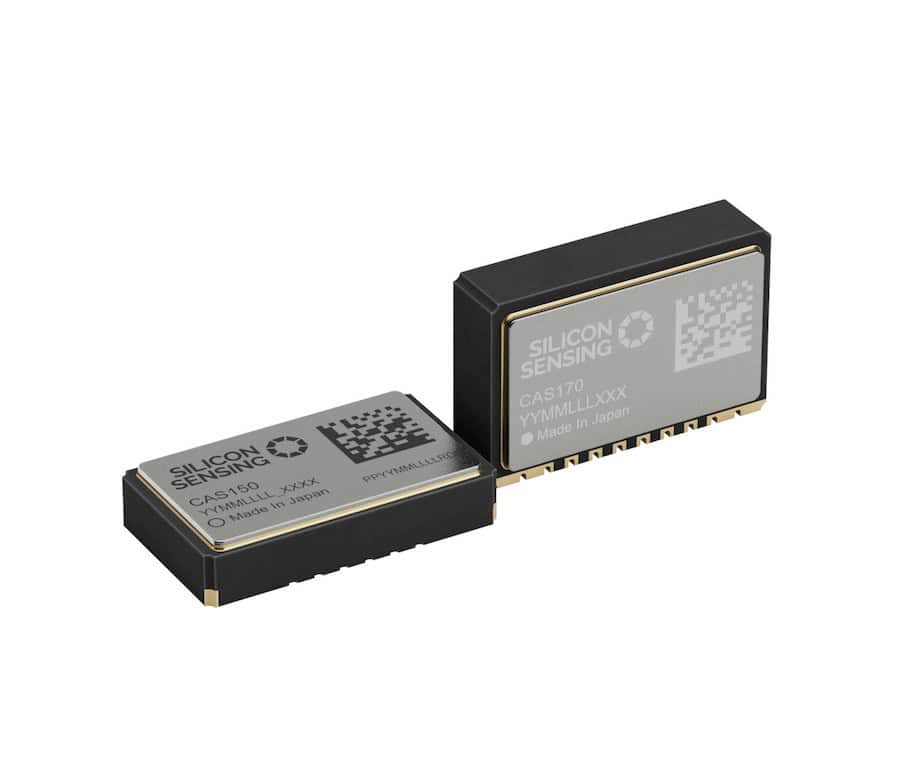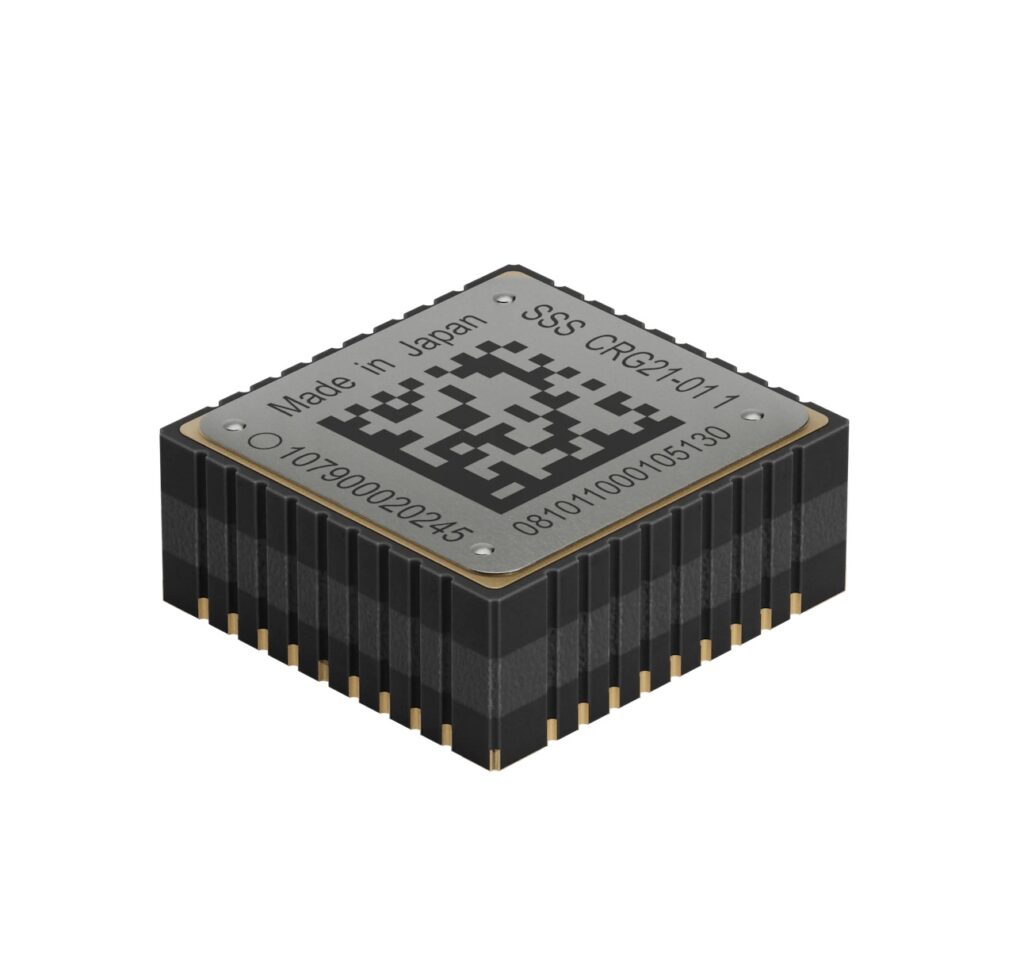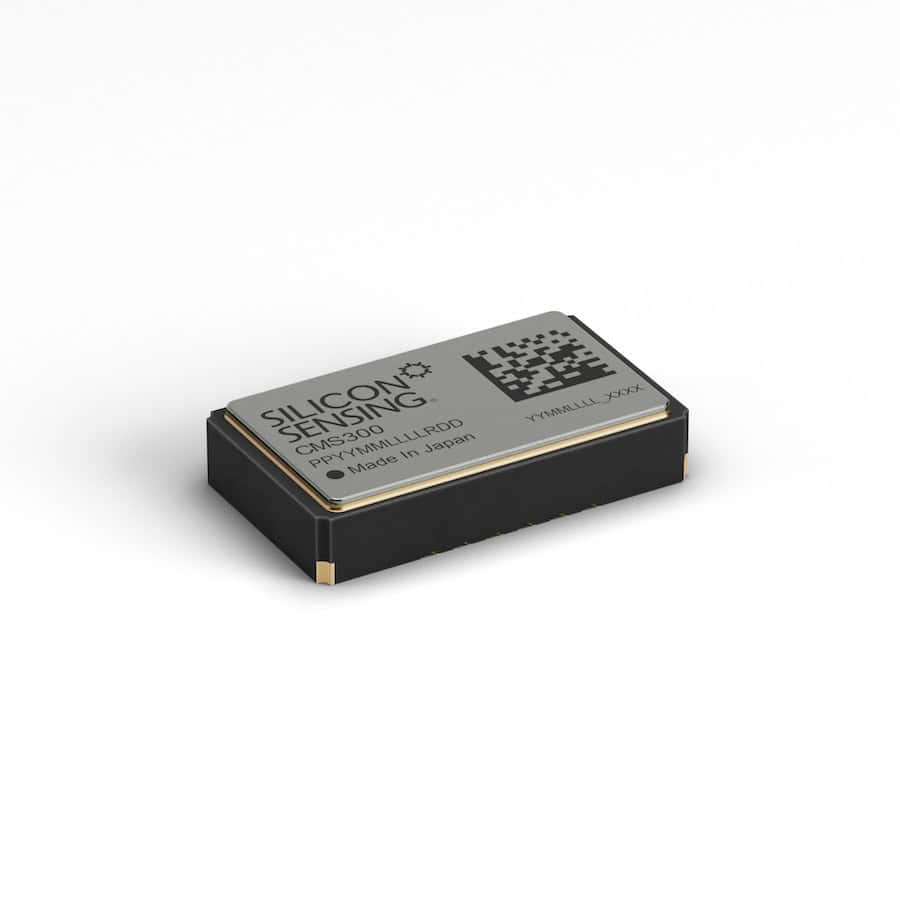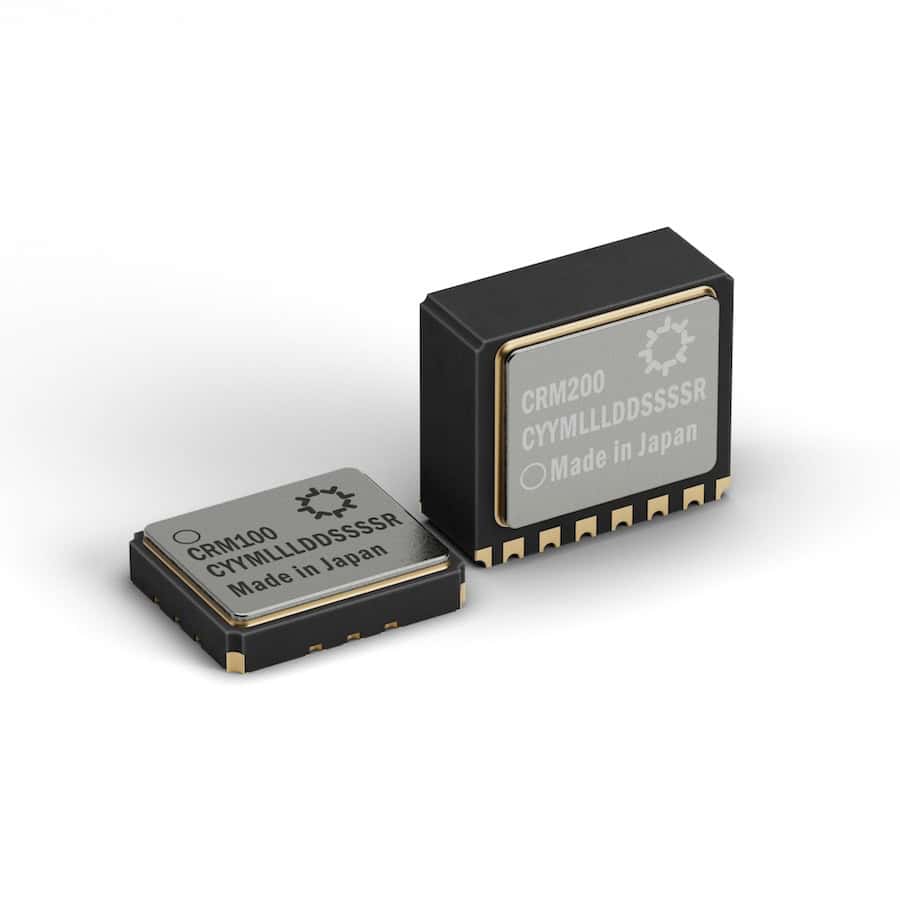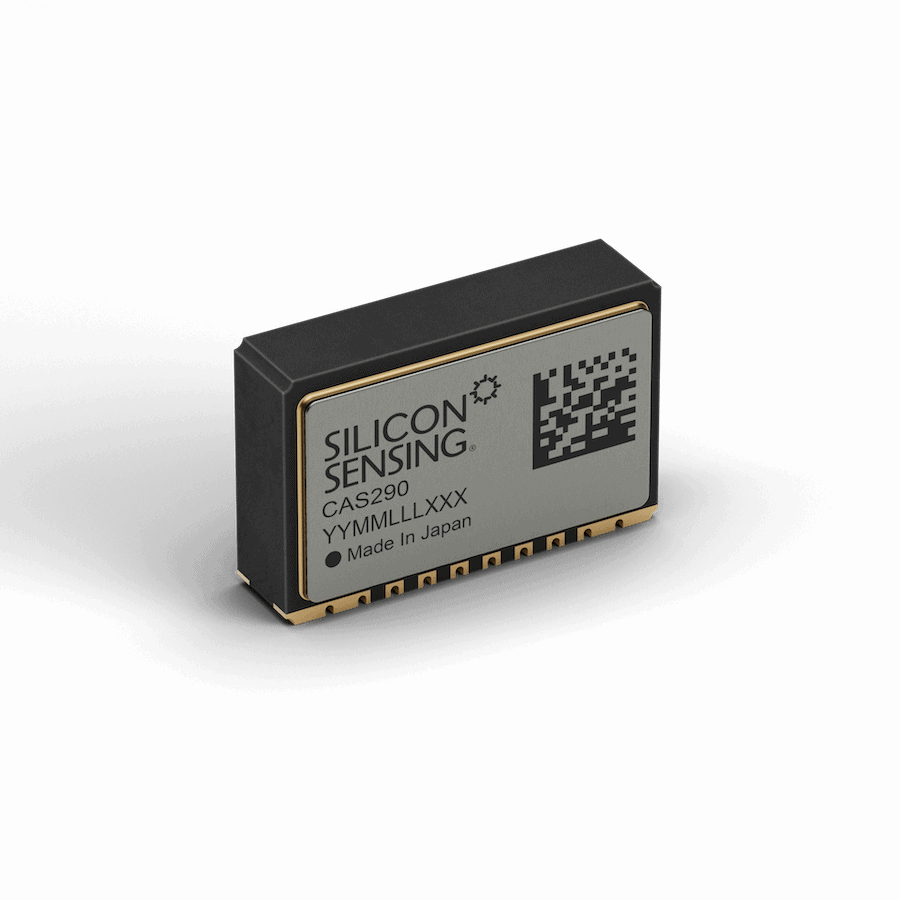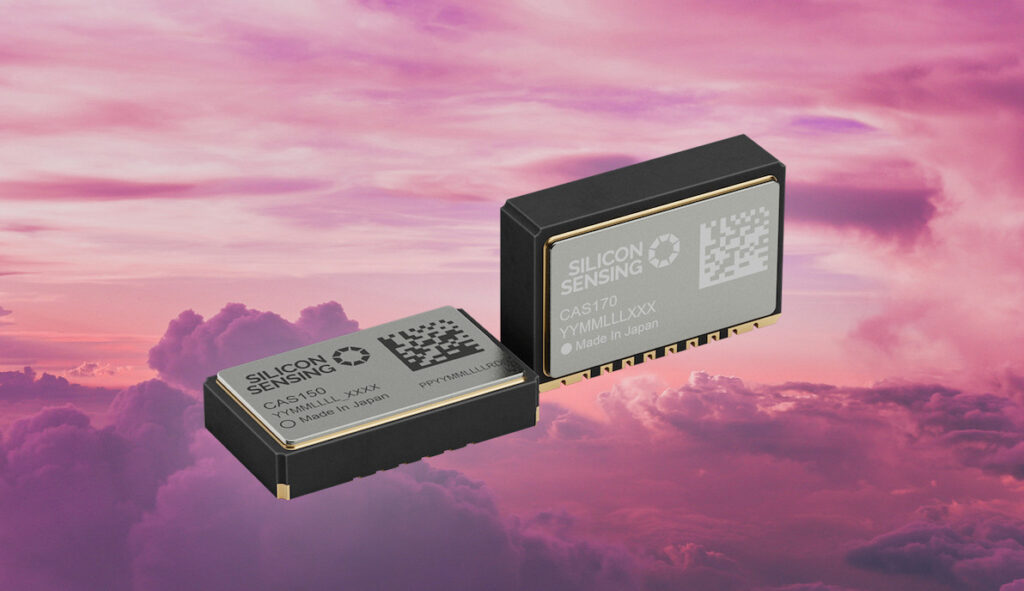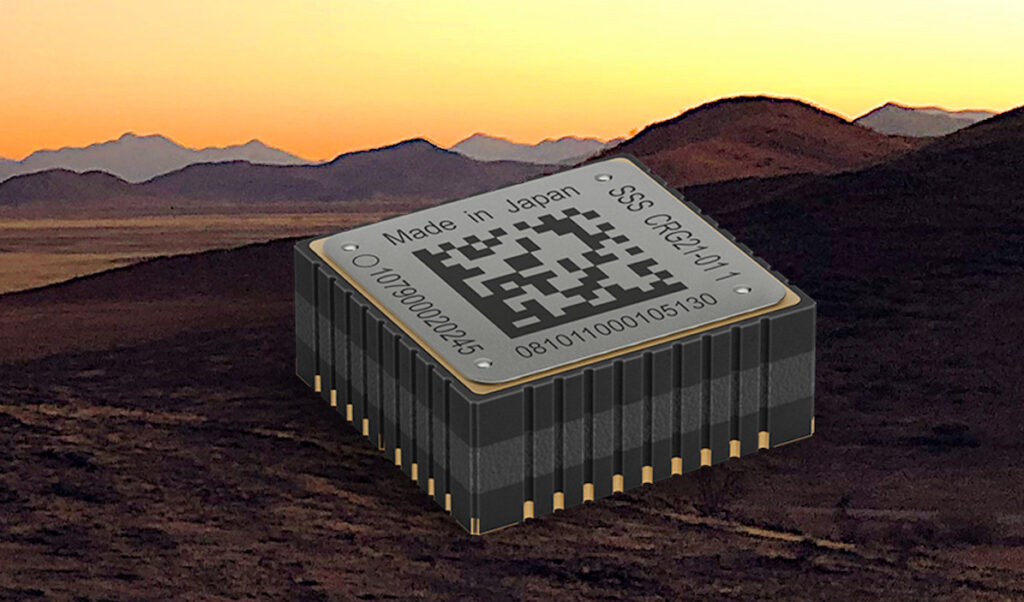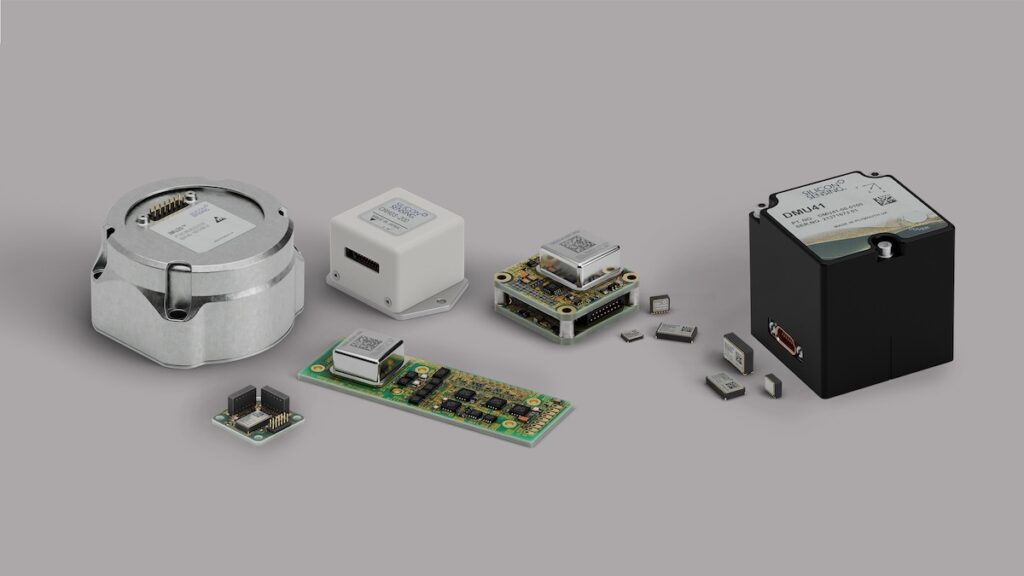


Advances in Micro-Electromechanical Systems (MEMS) inertial sensing are enabling autonomous systems to achieve higher levels of navigation, stabilization and control within tighter size, weight, power and cost constraints.

In a recent interview, Kevin Swain, Head of Sales and Business Development at Silicon Sensing, discussed how MEMS inertial technology is enabling more precise autonomous navigation, stabilization, and control.
Inertial Sensing for Autonomous Navigation
For autonomous platforms, inertial sensing sits at the heart of the navigation system, providing a continuous onboard source of motion information when external references such as Global Navigation Satellite Systems (GNSS) are unavailable.
Swain compares the Inertial Measurement Unit (IMU) and inertial sensors to “the heart of the system.”
By measuring angular rate and acceleration directly onboard the platform, an IMU can support navigation through temporary interruptions to external references.
“MEMS still needs to have inputs from other sensors — what we call sensor fusion — Doppler, LiDAR, GPS, things along that line,” Swain explains.
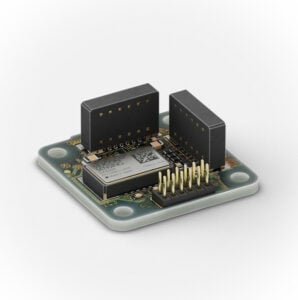 Rather than replacing these inputs, the IMU helps bridge periods when they are degraded or unavailable, with the duration and accuracy of unaided navigation dependent on the performance of the sensor and wider system.
Around a decade ago, MEMS technology was more closely associated with lower-dynamic stabilization, motion sensing and complementing external positioning sources. Continuous improvements have since moved the technology much closer to the requirements of precision navigation while retaining advantages in size, weight, power consumption and cost.
“The performance has evolved to almost precision navigation, but at a lower cost, lower power consumption,” Swain explains.
That progression is particularly relevant to autonomous platforms, where the required inertial performance varies significantly by mission. A small, short-range drone does not need the same IMU as a larger, long-range uncrewed aircraft.
Engineers therefore need to balance precision, drift and dynamic performance against Size, Weight, Power and Cost (SWaP-C). As MEMS capability improves, a wider range of sensor and IMU options allows designers to match performance more closely to the operational role.
Silicon Sensing works with customers to identify the most suitable product for a program before refining the sensor or IMU around more detailed requirements.
More Than Navigation
The same inertial measurements that support navigation are also critical to real-time stabilization and pointing.
Swain highlights applications including platform and gimbal stabilization, as well as antenna stabilization and pointing. These functions require accurate motion and orientation data and sensors capable of operating through vibration and shock.
MEMS technology is well suited to these conditions, combining compact size with high shock and vibration tolerance, wide-temperature operation and no moving parts.
These characteristics also support smaller and more tightly integrated autonomous platforms, while repeatable MEMS manufacture can help meet the cost and scalability requirements of systems produced in greater numbers.
Pushing MEMS Performance Further
Silicon Sensing has worked in inertial technology for more than 25 years, with particularly significant gains in sensor and IMU performance over the past decade. Swain describes that progress as gradual rather than the result of one major technological shift.
The longer-term objective is to move toward gyrocompass- and navigation-grade performance while retaining the size and cost advantages associated with MEMS.
Recent work involving Kongsberg points to the potential for higher levels of MEMS performance, while new generations of sensors are being developed for future production.
For autonomous platforms, further gains could extend useful dead reckoning, reduce reliance on continuously available external positioning references and support increasingly precise navigation, stabilization and control within smaller and longer-duration systems.
Kevin Swain leads the international sales and business team at Silicon Sensing Systems Ltd, a supplier of inertial products to aerospace, defence and commercial organisations worldwide. With nearly 20 years’ experience in inertial sensing, motion control and precision measurement, he works closely with engineering teams on navigation, stabilisation and system performance challenges. Swain began his career at Silicon Sensing before moving to Collins Aerospace, where he led the Inertial Business Development team, and returned to Silicon Sensing in 2024.