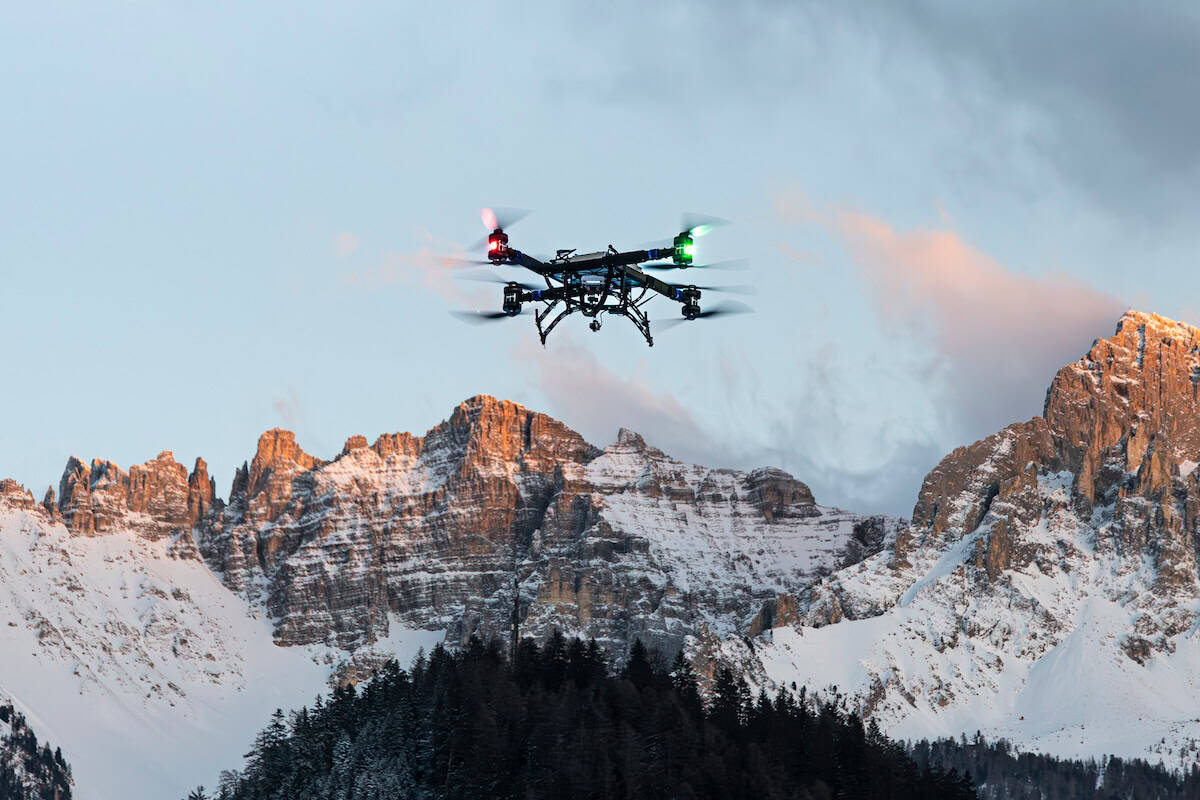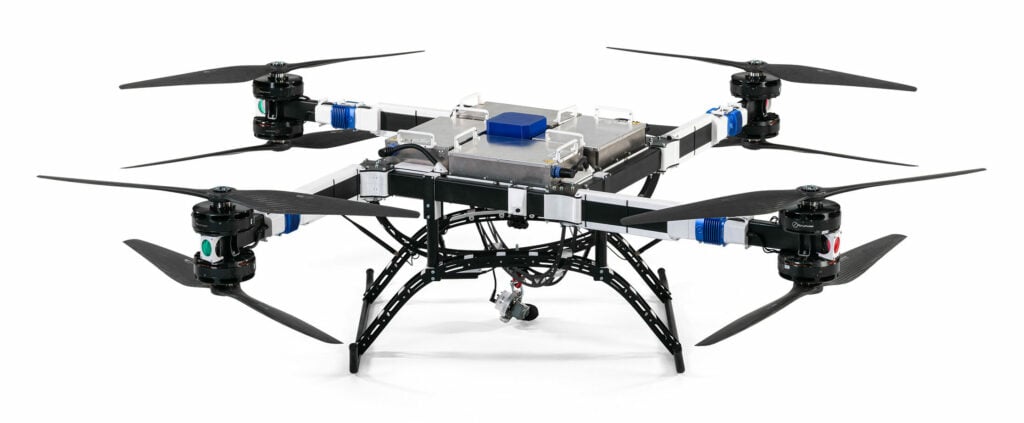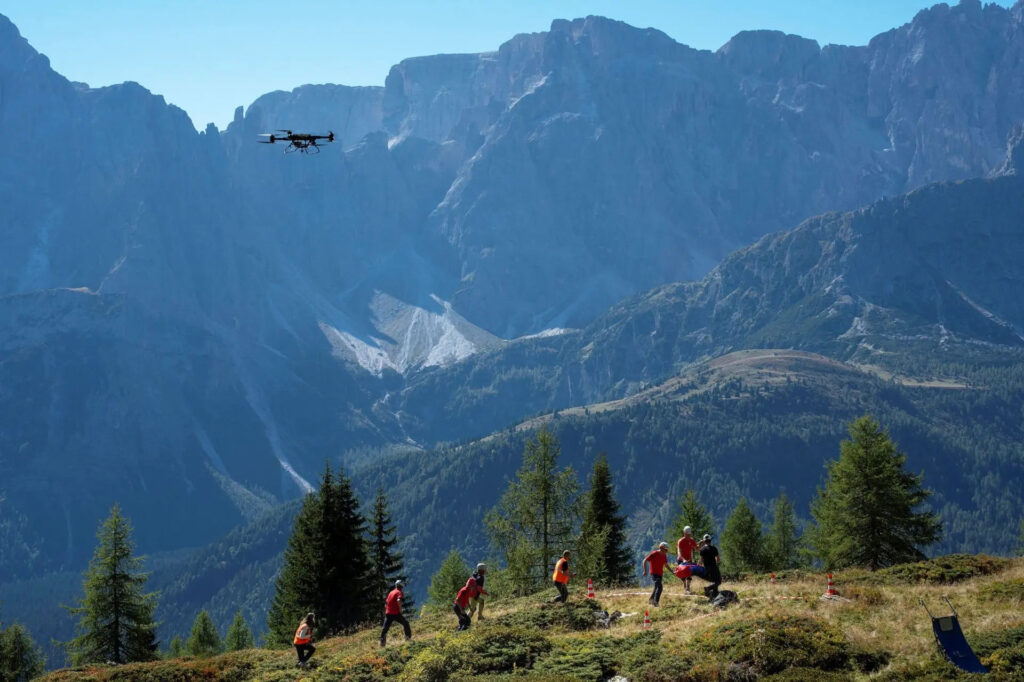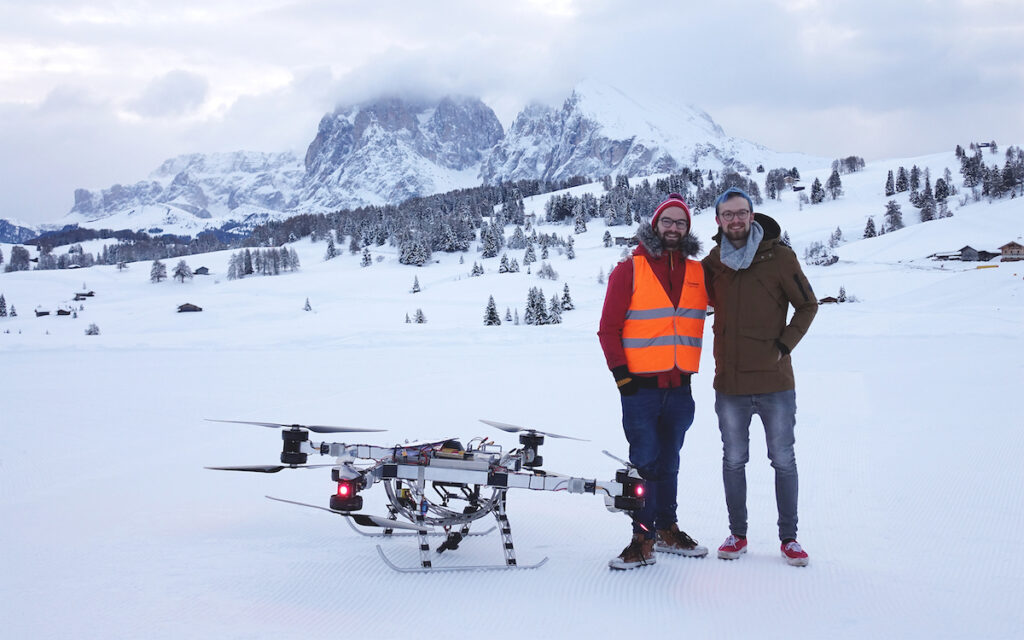




FlyingBasket has transformed experimental drone delivery trials into a scheduled, season-long logistical service across the South Tyrolean Alps.
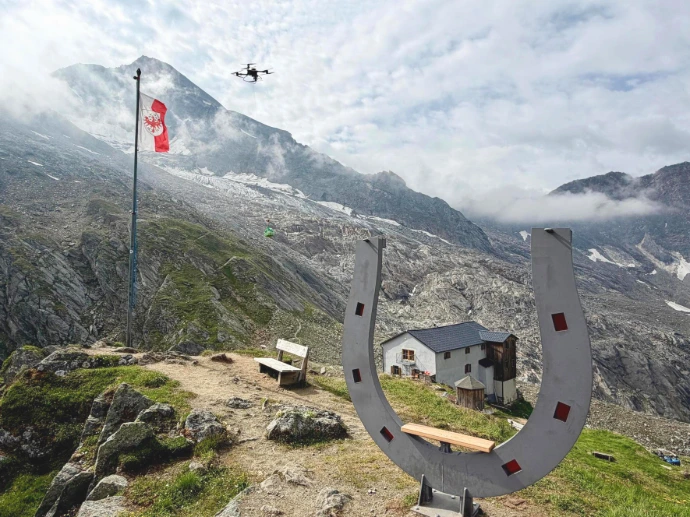
Operating between 1 June and 13 October 2026, the project involved eight remote mountain huts: Payer/Payerhütte, Sasso Nero/Schwarzensteinhütte, Tridentina/Birnlückenhütte, Giogo Lungo/Lenkjöchlhütte, Monteneve/Schneeberghütte, Forcella Vallaga/Flaggerschartenhütte, Vedretta Piana/Grohmannhütte, and Gino Biasi al Bicchiere/Becherhaus. Developed in collaboration with the participating facilities, the initiative was funded by the Asset Management Department of the Autonomous Province of Bolzano.
Across 32 operations, the company completed 189 flights carrying payloads of up to 60kg. In total, 7,078kg of supplies were delivered to the huts, while 1,491kg of waste, equipment, luggage, and materials were brought down to the valley on return legs.
Overcoming High-Altitude Challenges
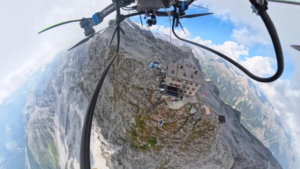
High-altitude logistics present severe operational demands. Missions to Becherhaus, situated at 3,156m, required navigating a route of approximately 10.7km with an elevation difference of around 1,500m. Flights to Payerhütte (3,038m) and Schwarzensteinhütte (3,018m) involved elevation gains of 1,200m and 1,166m, respectively.
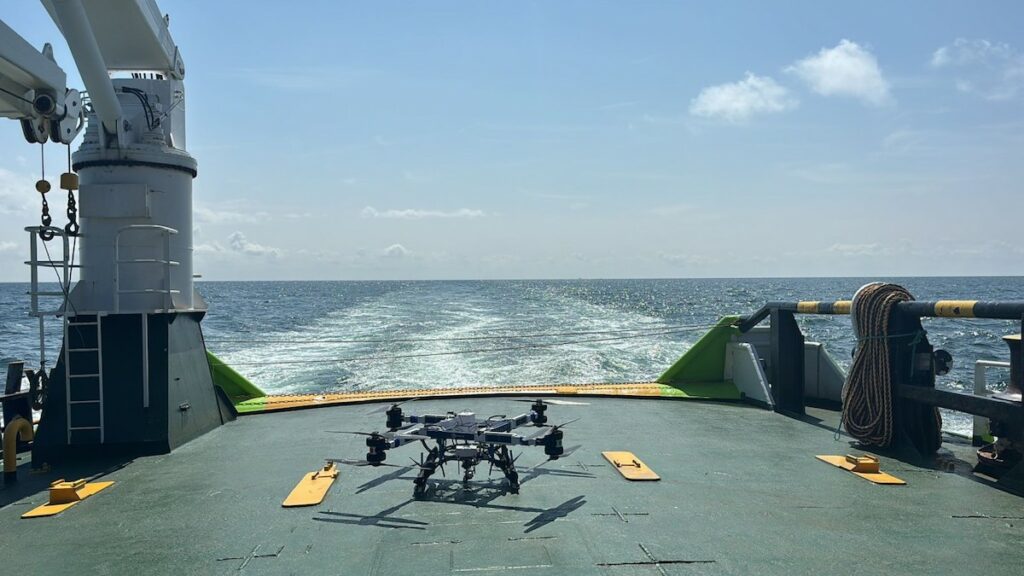
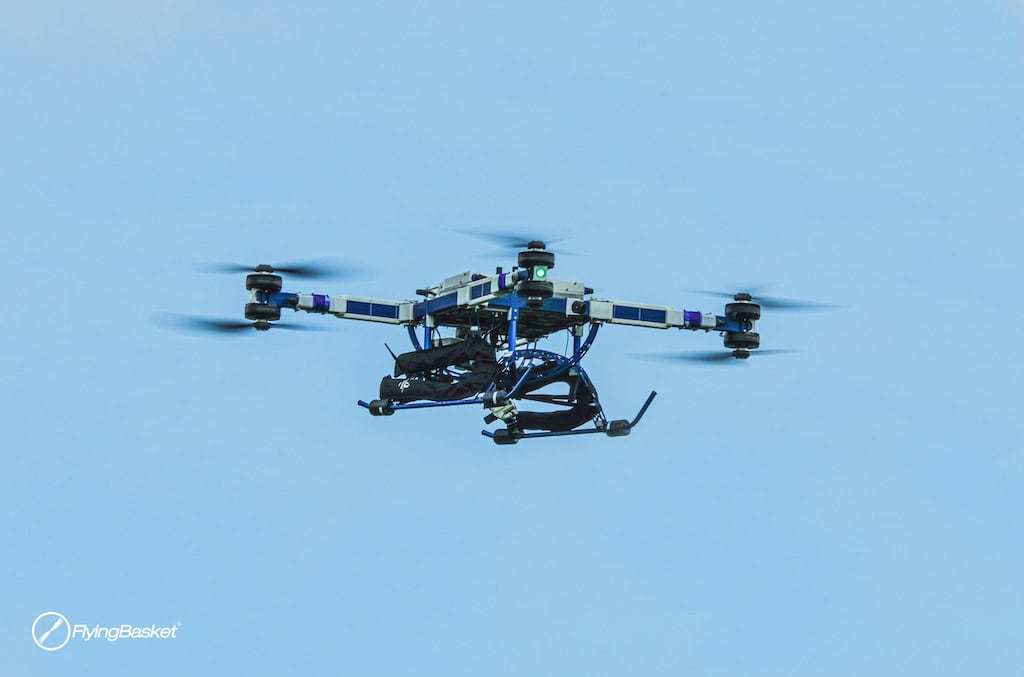
Throughout the season, the FB3 operated in variable winds, turbulence, low temperatures, clouds, and reduced air density. Terrain obstacles frequently obstructed direct radio line of sight between the ground crew and the aircraft, requiring alternative communication links via Starlink satellite connectivity or 4G mobile networks.
collaboration with ENAC, the Italian Civil Aviation Authority, provided the regulatory framework necessary to establish safe, authorized real-world operations in complex environments.
Versatile Cargo Capabilities
The service supported a wide range of goods. Upward flights delivered fresh food, such as bread, vegetables, flour, milk, apple juice, eggs, meat, and frozen dumplings, alongside construction materials, technical gear, and mountaineering equipment.
Participating hut staff received basic training to assist with load handling, allowing deliveries to be deposited directly adjacent to kitchen entrances in several locations. FlyingBasket managed mission planning, drone fleets, ground crews, and direct supply collection from local vendors.
Moritz Moroder, CEO and co-founder of FlyingBasket, said, “This project represents an important step for us in expanding the technical and regulatory boundaries of cargo-drone operations. By demonstrating these capabilities in real and complex operating environments, we are creating a clear path for our customers to use the same technology in similar scenarios. Our goal is to address the most complex aspects upfront, allowing customers to adopt an already validated solution and focus on their own operations.”
The 2026 season marks a substantial scale-up from 2025, expanding from four huts, 21 flights, and one tonne of transported material to double the facilities and eight times the payload volume.