Extending the endurance of Group 2 unmanned aircraft could allow smaller platforms to undertake a greater share of missions traditionally associated with larger UAS. Read more >>
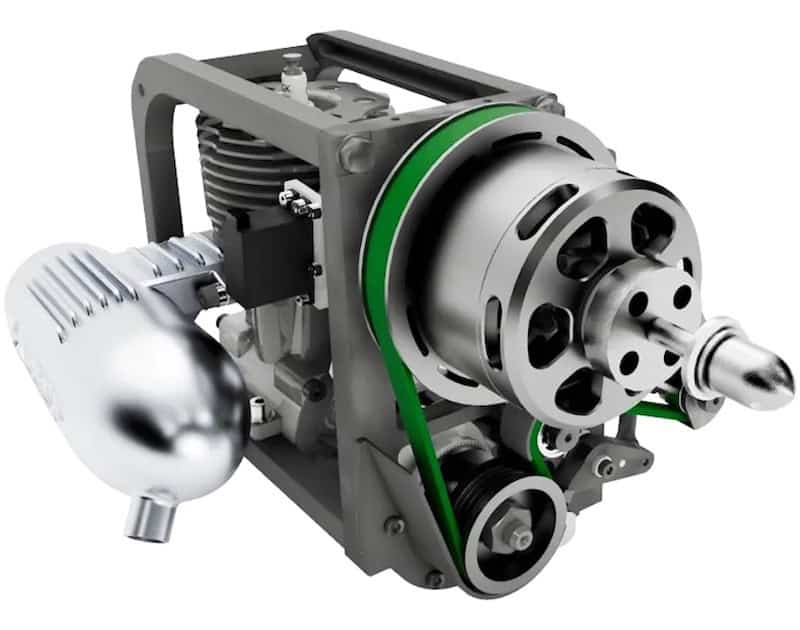
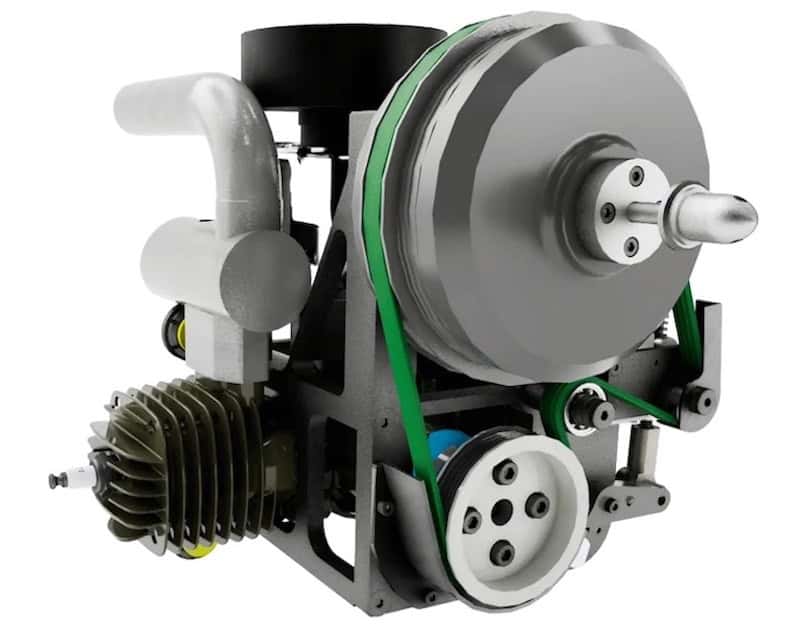
Lowental Hybrid examines how hybrid propulsion could help bridge the operational gap between Group 2 (20-55 lbs) and Group 3 (55-1320 lbs) aircraft, combining the deployment advantages of smaller systems with greater range and persistence.
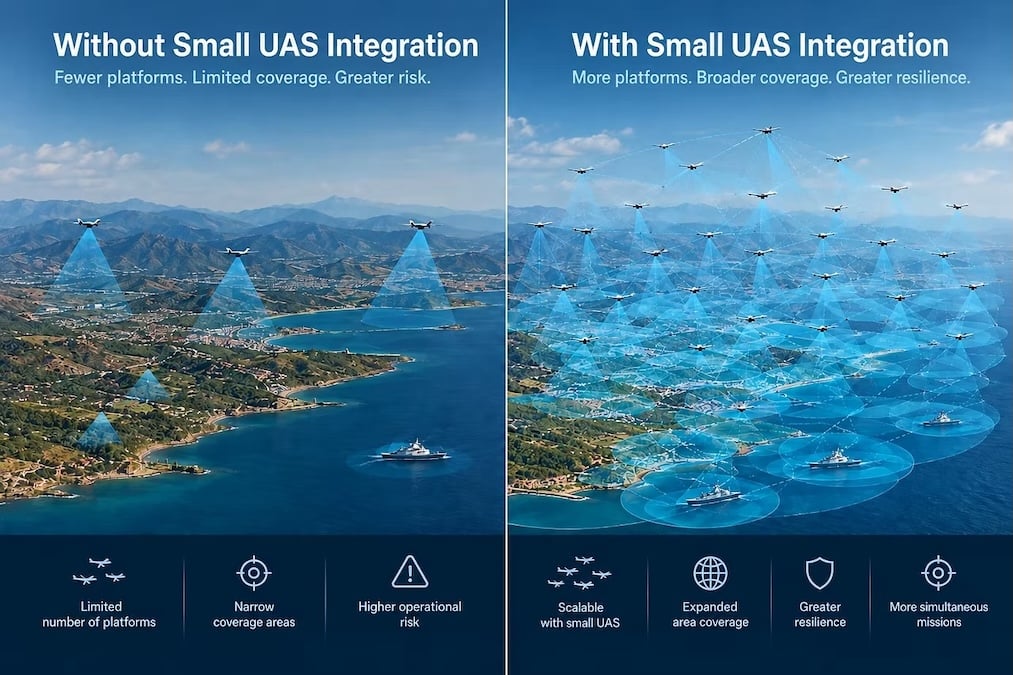
Across operational environments including the Indo-Pacific, Middle East and Ukraine, the ability to deploy greater numbers of aircraft with extended time on station could support distributed ISR, maritime surveillance, target acquisition, communications relay and collaborative sensing. While larger platforms remain essential for missions requiring heavy payloads, high altitude or severe-weather capabilities, improving Group 2 endurance could reduce reliance on these assets for missions that do not require their full capabilities.
A central consideration is energy density. Although electric propulsion offers efficiency, mechanical simplicity and a low acoustic signature, the comparatively low energy density of batteries presents a limitation for long-duration flight. Hybrid architectures offer an alternative by combining electric propulsion with the higher energy density of liquid fuel, allowing different energy sources to support specific phases of flight while balancing propulsion and onboard electrical requirements.
In the full article, Lowental Hybrid explores the operational case for longer-range Group 2 UAS, the potential of hybrid propulsion to extend mission capabilities, and the engineering challenges involved in integrating fuel and battery systems within strict size, weight and cost constraints. The analysis considers how greater persistence could support a more distributed and scalable UAS force, allowing larger platforms to remain focused on missions that require their specific capabilities.
Read the full article: Can Group 2 UAS Deliver Group 3 Performance?