

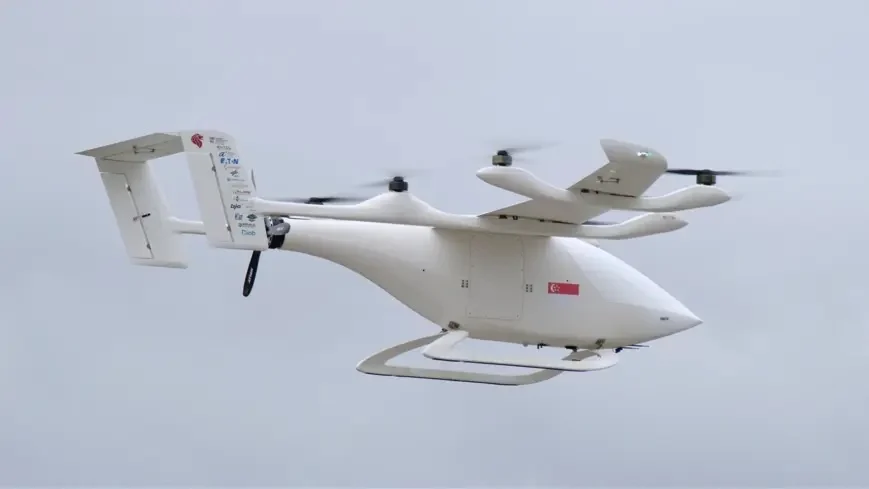
Embention has contributed engineering expertise and technology in autonomous flight and avionics to an electric vertical takeoff and landing (eVTOL) aircraft project led by Nanyang Technological University (NTU) Singapore. The aircraft completed its first phase of flight testing in Cochstedt, Germany, in July 2026, marking a milestone for Singapore’s urban air mobility (UAM) research and development activities.
Designed, engineered, and built in Singapore, the aircraft became the first Singapore-developed eVTOL to complete flight tests. The project also demonstrates progress toward larger passenger-carrying aircraft, while highlighting the importance of safety-critical flight control systems and certification considerations in advanced air mobility (AAM).
NTU Singapore Completes Initial eVTOL Flight Testing in Germany
The NTU Singapore project involved more than 20 students and alumni working under Professor James Wang, Director of NTU’s eVTOL aircraft research and innovation center.
According to The Straits Times, the team conducted flight tests over a two-and-a-half-week period at a German Aerospace Centre test area in Cochstedt. Two aircraft prototypes, with wingspans of 3 m and 8 m, were flown during the campaign.
Professor Wang described the flight tests as successful, providing a basis for the team’s plans to scale the aircraft design to different sizes.
The development program has also received backing from the Singapore government, supporting research into eVTOL aircraft and their potential application in future urban air transportation.
Scaling eVTOL Technology Toward Passenger Operations
Although the initial flight tests represent progress for Singapore’s eVTOL research, the transition to commercial passenger operations remains a longer-term objective.
Professor Wang indicated that eVTOL aircraft could take eight to 10 years to enter commercial operation in Singapore, a timeline he compared with that of commercial jet aircraft. Based on this estimate, commercial eVTOL operations could begin around 2035.
The NTU Singapore team plans to develop the aircraft design in different sizes, including a proposed 14 m variant capable of carrying five people.
Scaling from research prototypes to passenger-carrying aircraft introduces additional considerations relating to flight control, system reliability, and certification. These requirements are particularly relevant to the safety-critical avionics and autonomous flight control technologies used in eVTOL development.
Safety-Critical Flight Control and Redundancy in Urban Air Mobility
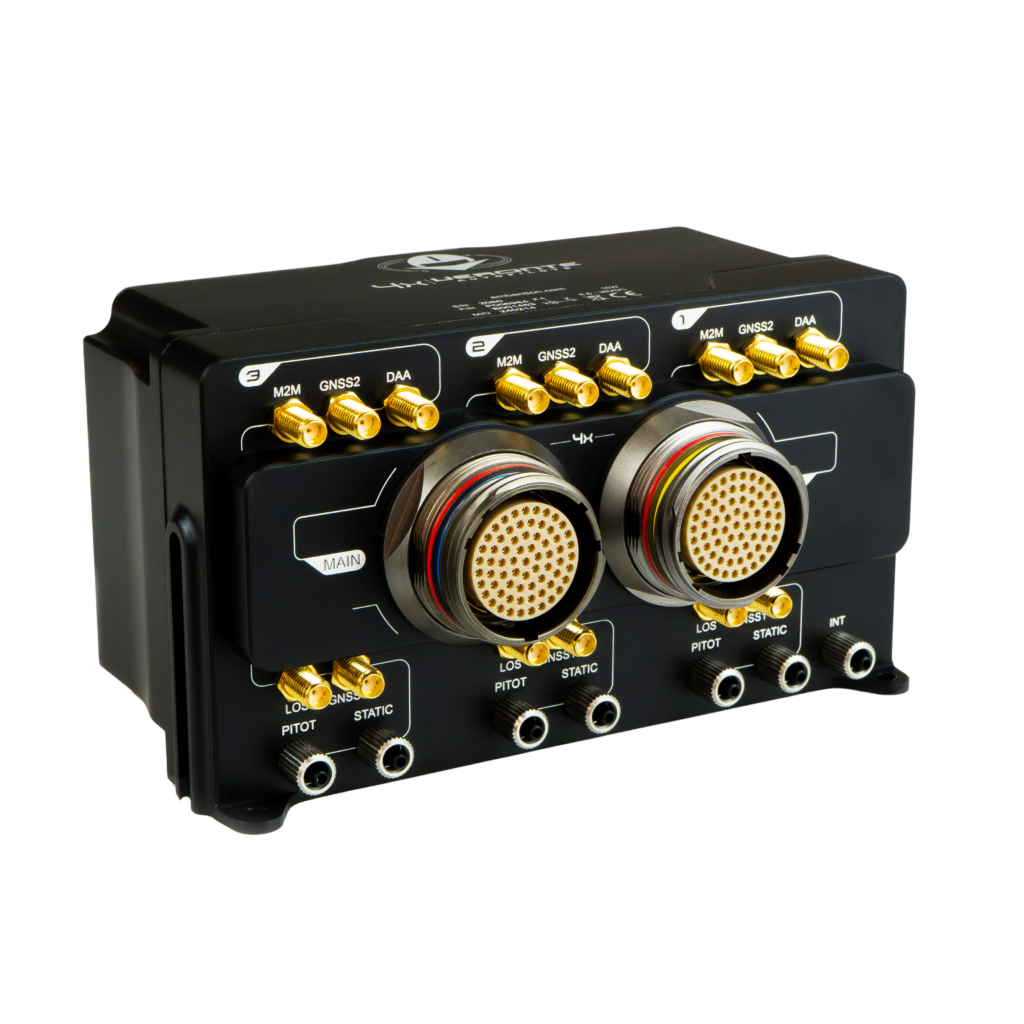
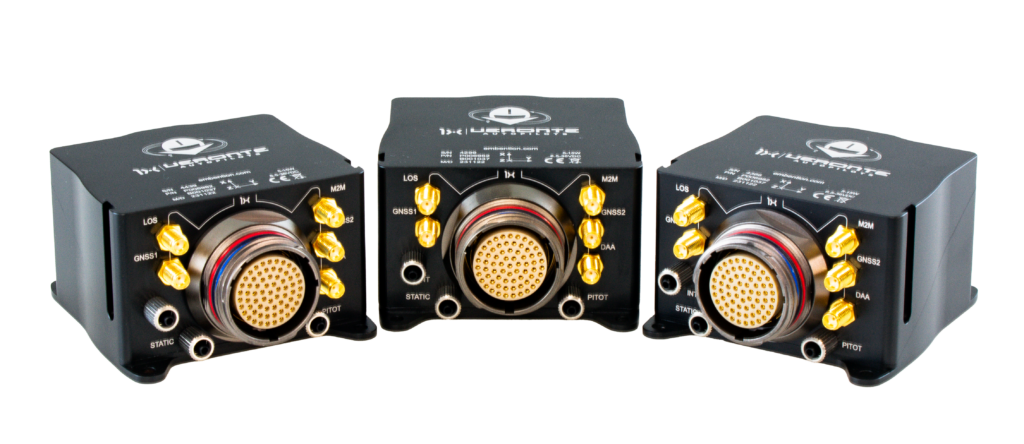
Flight control system reliability is a central consideration in the development of aircraft for urban air mobility applications. Systems must be capable of maintaining aircraft control in the event of a component failure, making redundancy and safety-critical architecture important elements of the design process.
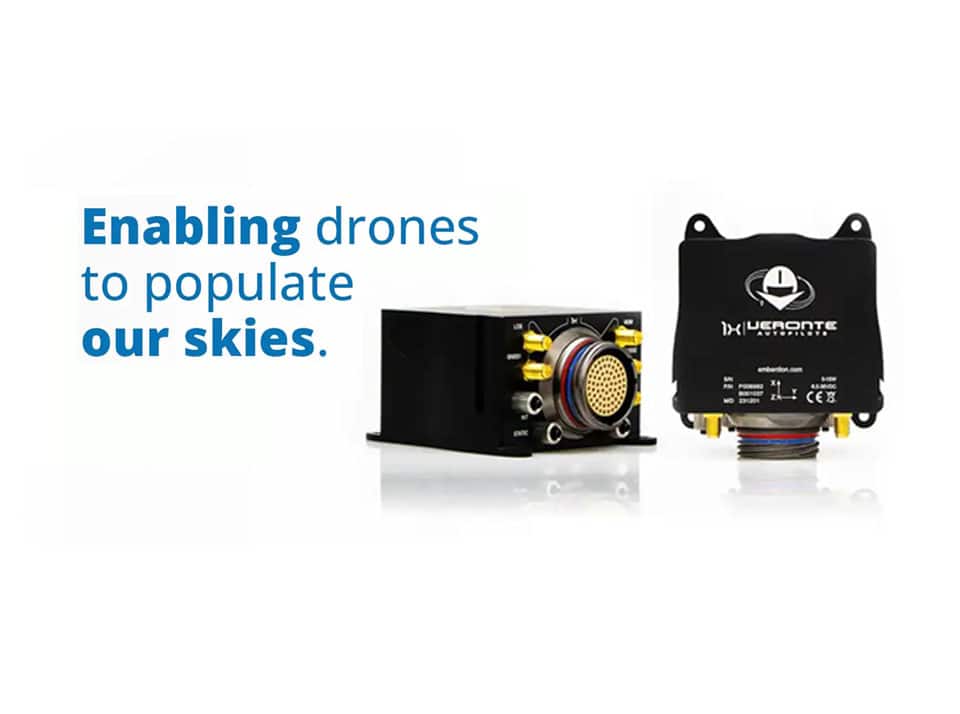
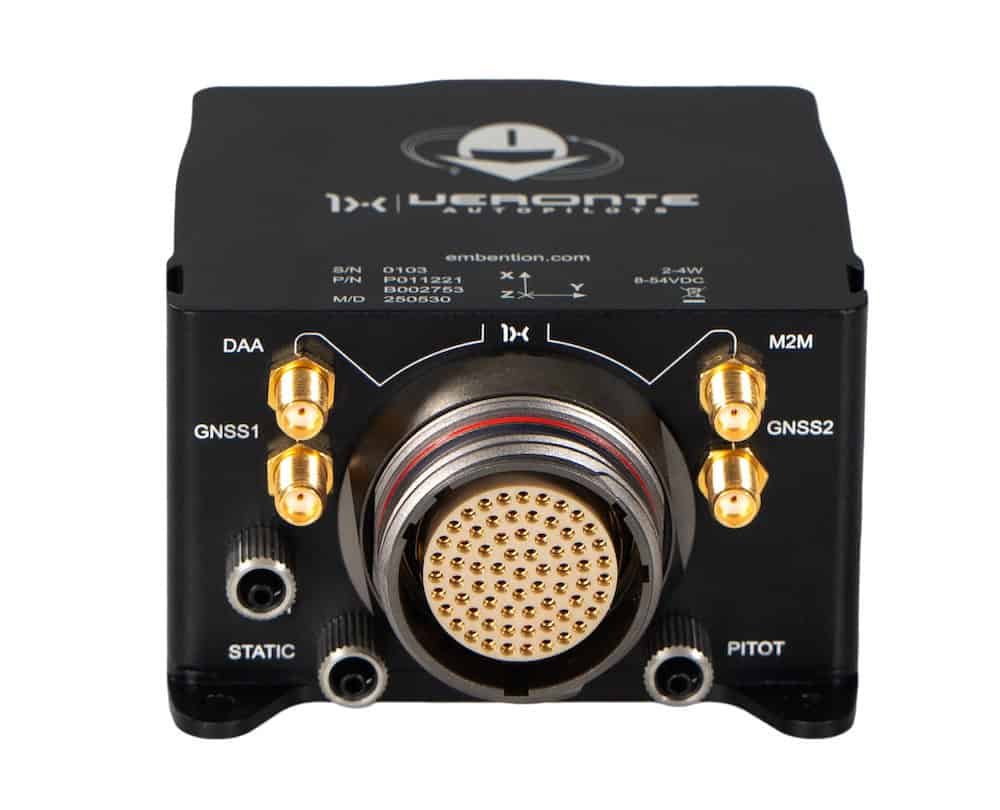
Embention develops safety-critical avionics and autonomous flight control systems that incorporate redundancy as a core design principle. Its approach places particular emphasis on the requirements associated with aircraft certification.
By developing systems with certification considerations integrated into their design, Embention aims to help aircraft manufacturers and integrators address the challenges involved in progressing from demonstrator platforms to certifiable aircraft.
For UAM developers, these considerations extend beyond demonstrating an aircraft’s ability to fly. Flight control architecture, component redundancy, and the ability to meet applicable certification requirements are important factors in preparing eVTOL technologies for potential commercial use.
Embention Engineering Involvement in the NTU eVTOL Program
Embention’s involvement in the NTU Singapore project included direct engineering participation during aircraft development and flight testing.
Pablo Ceacero, PDI Team Member at Embention, accompanied the NTU team throughout these activities, contributing technology and expertise in autonomous flight and avionics.
Reflecting on the project, Ceacero commented, “It has been an incredible experience to work as an engineer on the development and flight testing of Singapore’s first locally designed and built full-sized eVTOL.
“Being part of a project like this, working alongside such talented engineers and seeing all the hours of integration, testing and problem-solving finally come together in flight, has been extremely rewarding. A huge thank you to the Nanyang Technological University Singapore team for the collaboration and trust throughout the project.
“And especially to Embention for giving me the opportunity to be part of this journey and contribute with our technology and expertise in autonomous flight and avionics. Projects like this are exactly why I became an engineer. Looking forward to what comes next!”
From eVTOL Research to Future Urban Air Mobility Applications
The completion of NTU Singapore’s initial eVTOL flight tests provides a foundation for further development of the aircraft concept, including the planned exploration of larger configurations capable of carrying passengers.
The project also illustrates the relationship between aircraft development, engineering integration, flight testing, and safety-critical avionics in UAM programs.
As NTU Singapore continues its work toward larger eVTOL configurations, the requirements associated with flight control reliability, redundancy, and certification will remain relevant to the broader objective of transitioning electric vertical flight technologies from research platforms toward potential passenger operations.
Read How Urban Air Mobility is getting ready for passengers: the NTU Singapore case on the Embention website.