

SubC Imaging highlights the importance of clear live video during underwater inspections and surveys, particularly when operating in conditions affected by turbidity, suspended particles, inconsistent lighting, low contrast, haze, or low light. Read more >>
Visibility can also change quickly depending on current, depth, weather, seabed disturbance, or the type of operation being performed. These conditions can make it harder for pilots, inspectors, and operators to identify features, assess conditions, and capture usable data while the vehicle is in the water.
Reduced live visibility can affect inspection and survey efficiency. When video quality is unclear, operators may need to reposition the Remotely Operated Vehicle (ROV), adjust lighting, repeat passes, or spend additional time confirming details that might otherwise have been immediately visible. Offshore inspection teams may require more operational time or have less confidence in findings captured during the dive, while survey teams can find it more difficult to distinguish features, identify anomalies, or maintain consistent visual documentation across the operation.
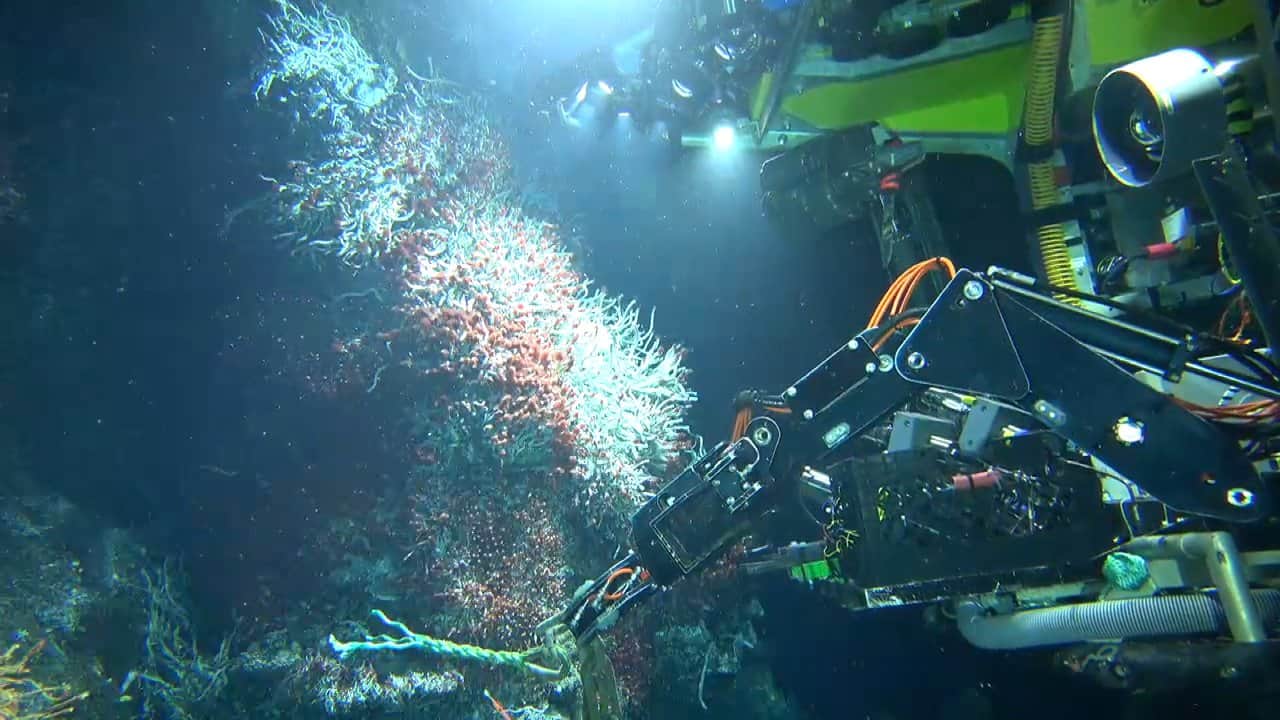
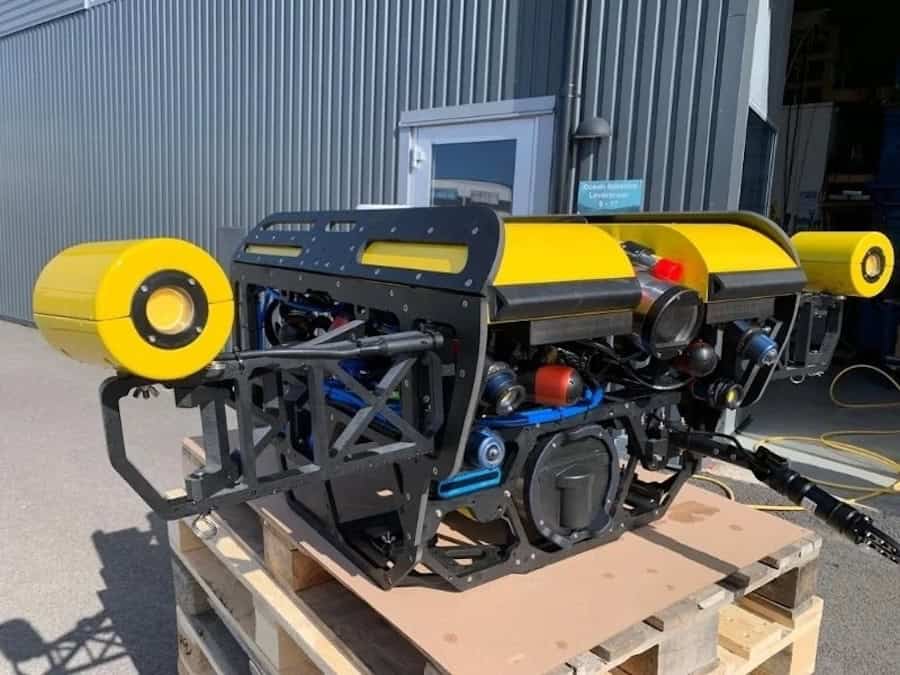
Photo credit: MARUM − Zentrum für Marine Umweltwissenschaften; Universität Bremen; V.Diekamp
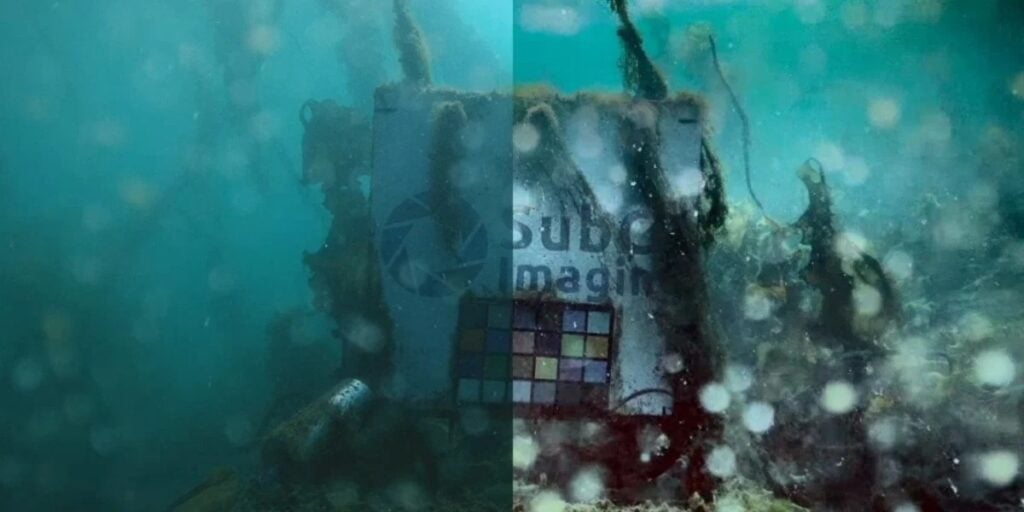
The problem does not always involve severe visibility loss. Reduced contrast or haze caused by suspended particles and underwater lighting conditions can leave important details present in the image but make them harder to interpret during live viewing. During extended shifts, repeatedly interpreting dark, murky, or low-contrast footage can also contribute to fatigue among pilots and inspection teams.
Post-processing remains useful for reporting, analysis, archival purposes, and improving footage after an operation, but it cannot assist with decisions that must be made while an inspection or survey is underway. Teams still need to navigate effectively, identify areas of interest, assess findings in real time, confirm image quality before moving on, and make operational decisions immediately. If visibility problems are addressed only after the dive, footage may later lack the clarity required for inspection review or reporting, potentially leading to repeated inspections, additional vessel time, or incomplete documentation.
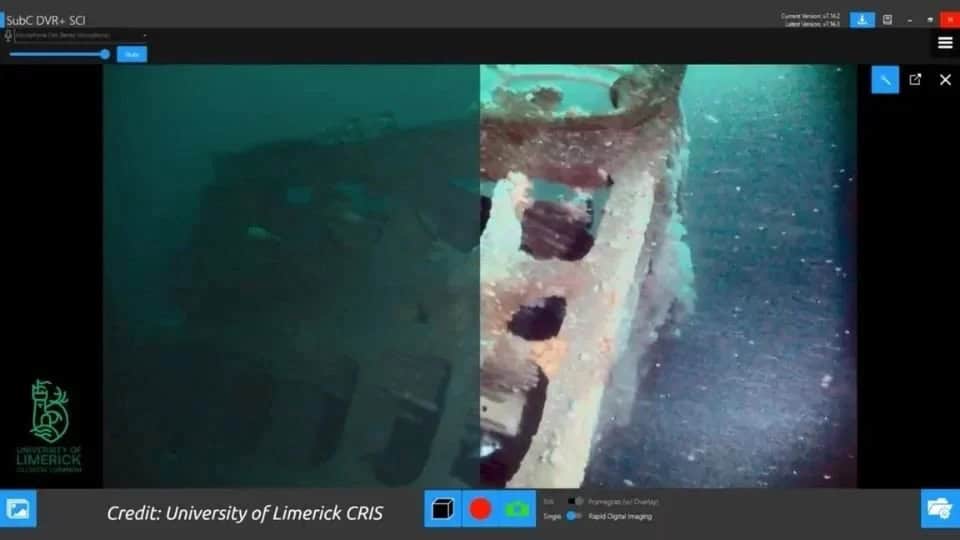
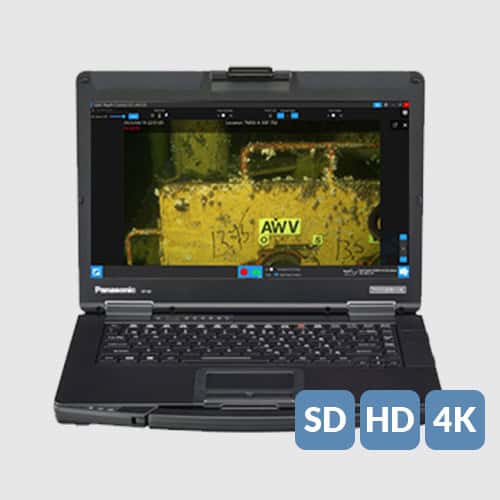
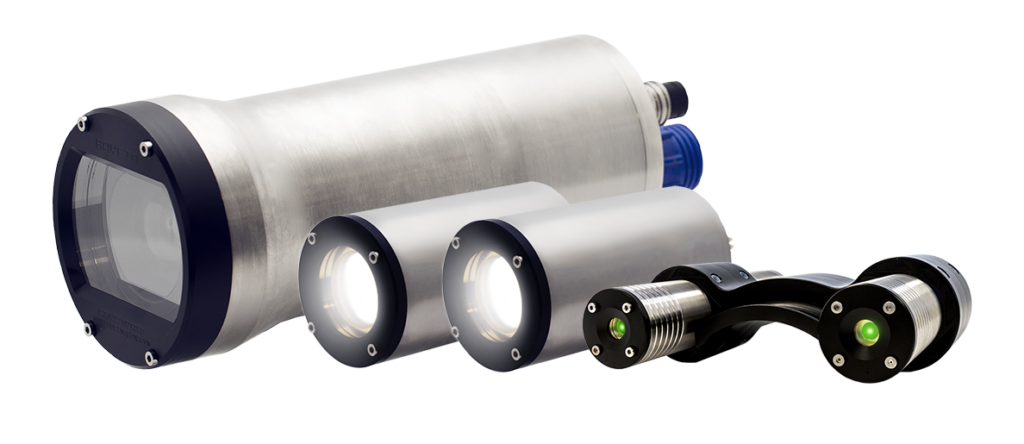
Across all Rayfin cameras and DVR+ systems, operators can enhance live underwater video in real time with a single click. This can help improve visibility in conditions including turbidity, haze, and low light, helping operators more clearly identify subsea infrastructure, marine growth, corrosion, structural features, damage, and other areas of interest while the vehicle is in the water. The capability can also help reduce repeated positioning, unnecessary passes, and uncertainty during operations.
The enhancement capability is integrated across the Rayfin and DVR+ ecosystem, providing a consistent imaging workflow for offshore inspections, marine research operations, infrastructure surveys, and live ROV deployments. Because the enhancement is built directly into the system, operators do not need separate processing software or additional hardware to improve live visibility during inspections, helping simplify deployment and reduce operational complexity in the field.
The capability is designed to help improve live visibility and usability rather than artificially alter underwater scenes or replace proper lighting and camera setup, as strong imaging fundamentals remain important. By helping teams interpret underwater conditions more clearly during operations, live image enhancement can help inspection and survey teams work more efficiently and maintain confidence in the visual data being collected.
Read ‘Improving Live Visibility During Underwater Inspections’ for more information.