New Imaging Technologies (NIT) outlines how Short-Wave Infrared (SWIR) imaging can support long-range Unmanned Aerial Vehicle (UAV) detection and identification in challenging environmental conditions, including haze, fog, and humidity.
Combining SWIR with active illumination and gated imaging can provide further improvements in imaging performance over extended distances.
Addressing Long-Range Imaging Challenges
Long stand-off distances, low-contrast targets, and atmospheric conditions can reduce visibility and limit the effectiveness of conventional visible imaging systems.
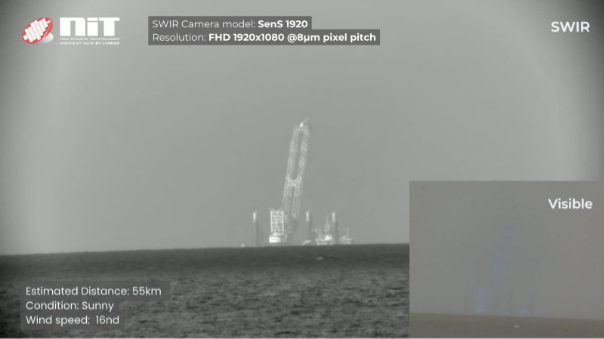
SWIR sensors and cameras can help address these challenges through reduced scattering compared with visible wavelengths. SWIR is less affected by atmospheric particles, helping maintain image clarity in degraded environments.
Better contrast retention over distance also allows targets to remain more distinguishable at extended ranges. Together, these characteristics support more reliable detection and identification in applications such as border surveillance, perimeter monitoring, and long-distance aerial identification.
Extending Range with Gated Imaging
Combining SWIR with active illumination and gated imaging enables further performance improvements.
Using very short exposure times, NIT’s SWIR solutions can isolate targets at specific distances, reduce background interference, and enhance scene clarity at long range.
Learn more about gated imaging >>
SWIR Solutions for UAV Integration
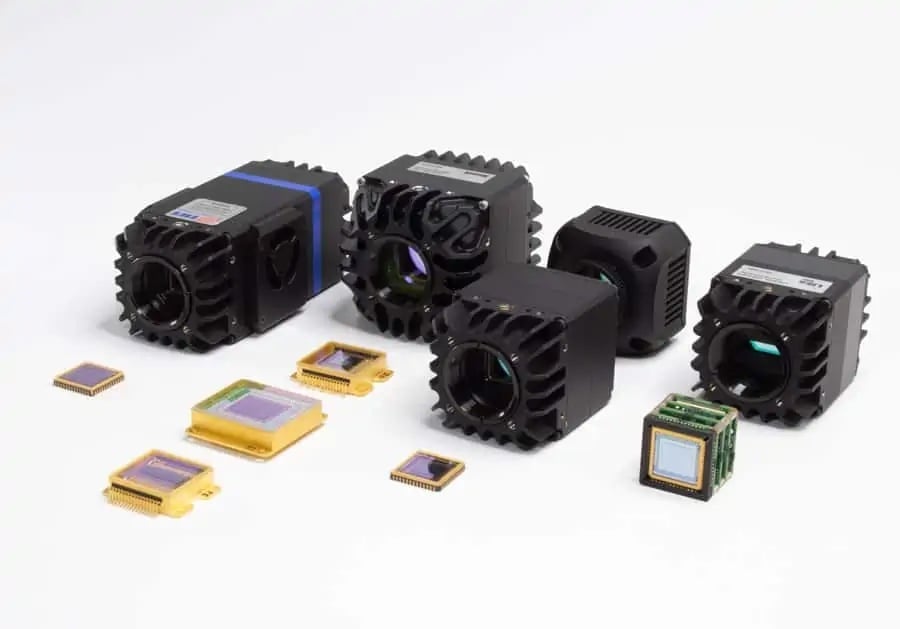
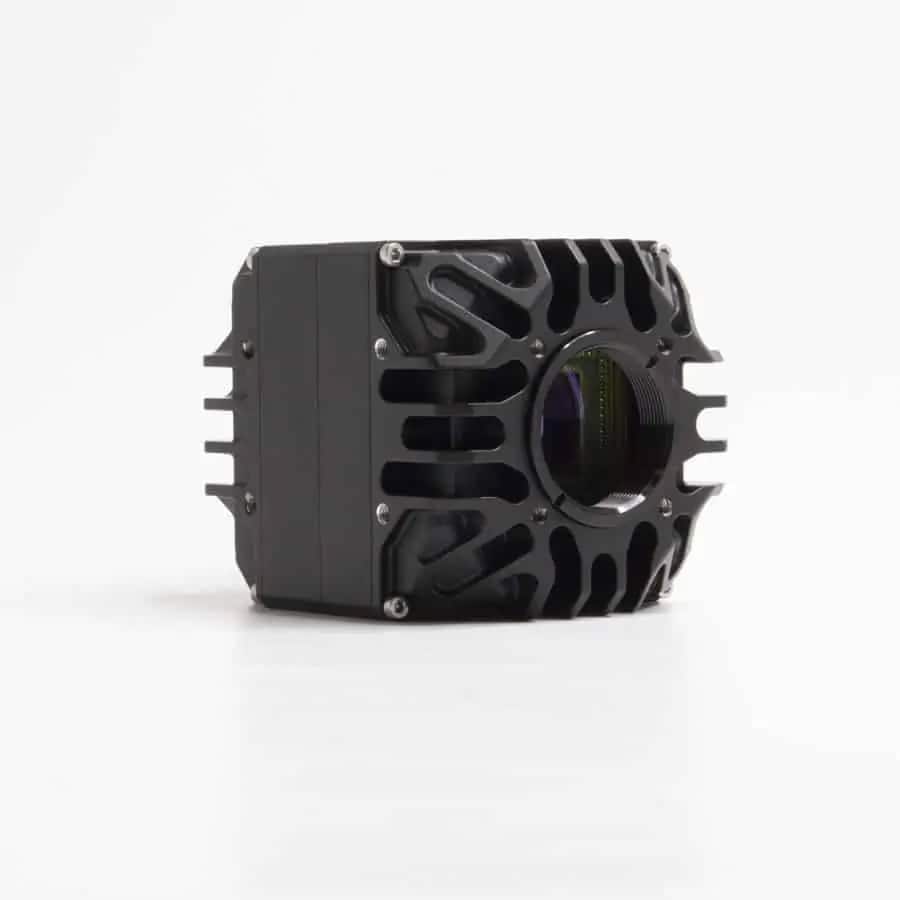
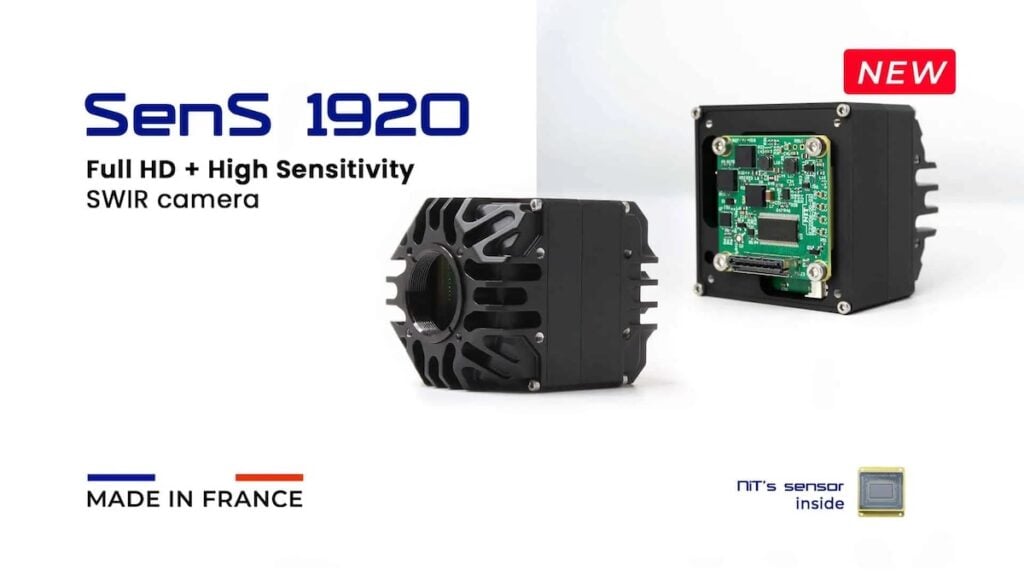
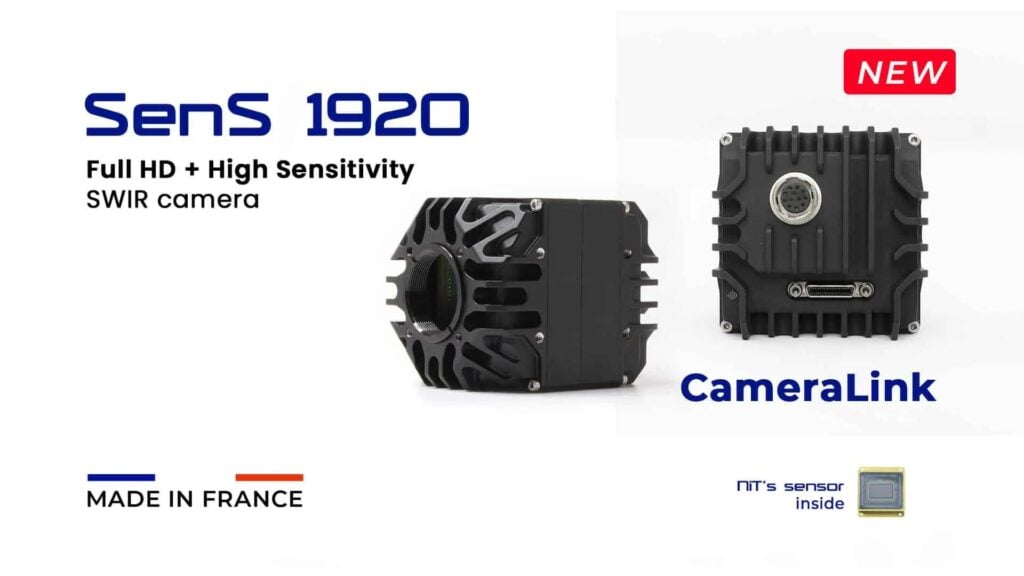
NIT offers SWIR solutions suitable for long-range UAV applications, with high sensitivity, resolutions ranging from qVGA to Full HD, and high dynamic range of up to 120 dB.
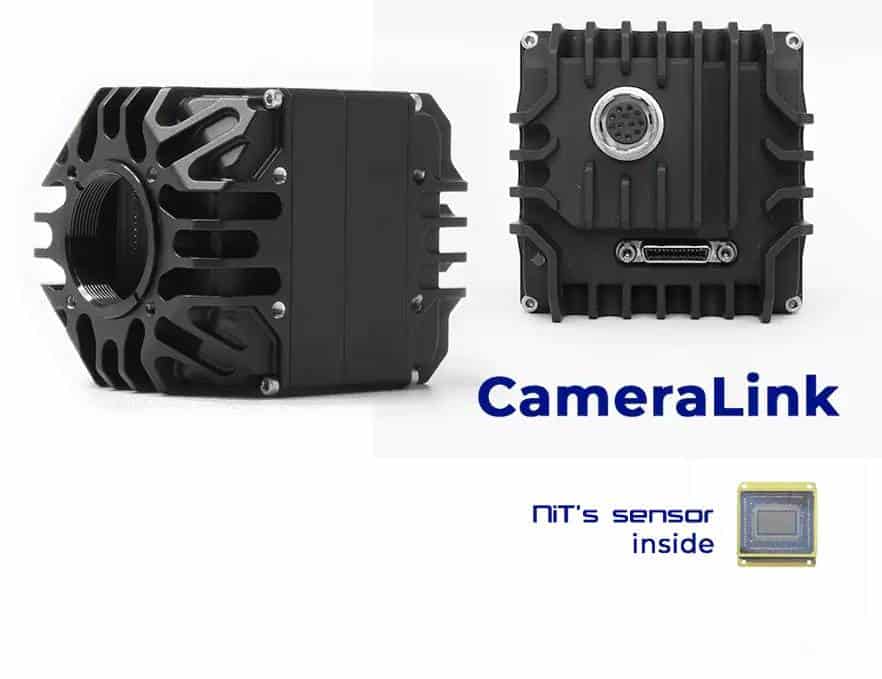
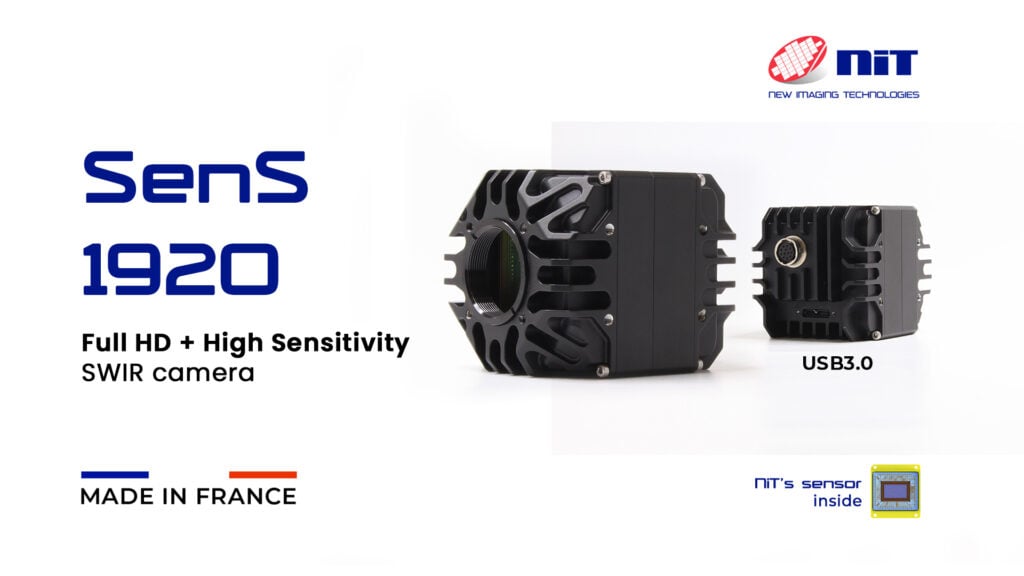
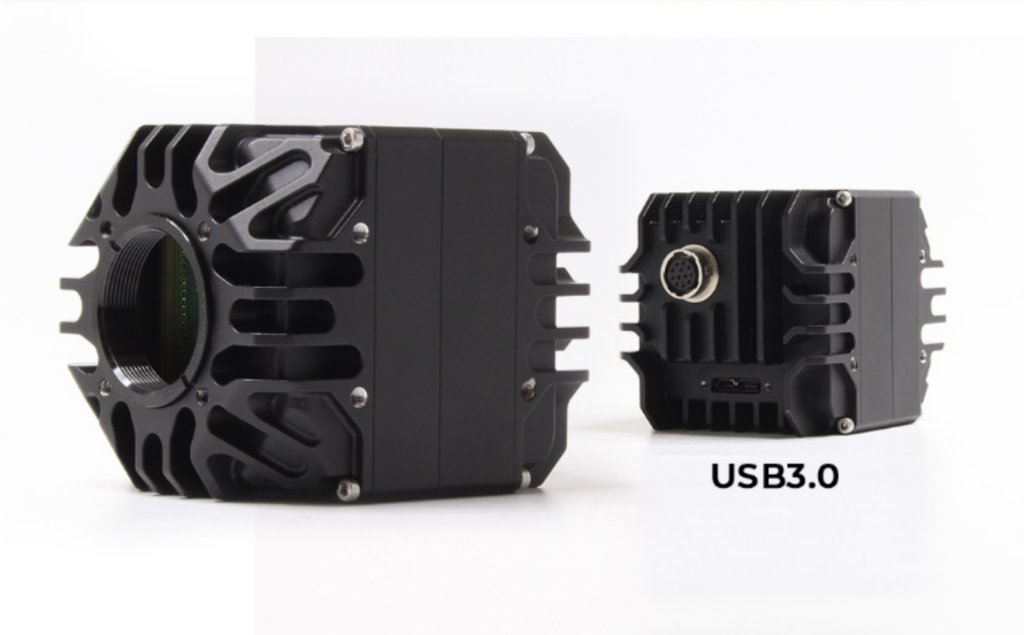
Available formats include sensors, boards, and camera modules, with USB3.0, CameraLink, and HD-SDI interfaces.
NIT’s SWIR solutions can support more reliable long-range detection and identification when environmental conditions degrade.
For more information on SWIR imaging technology, visit the NIT website.