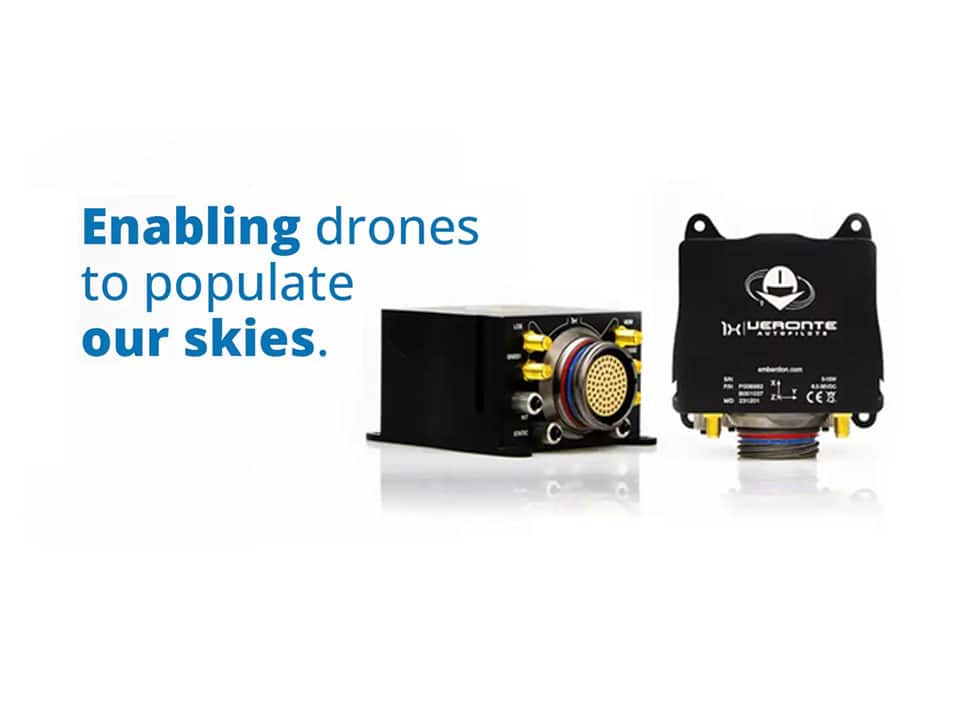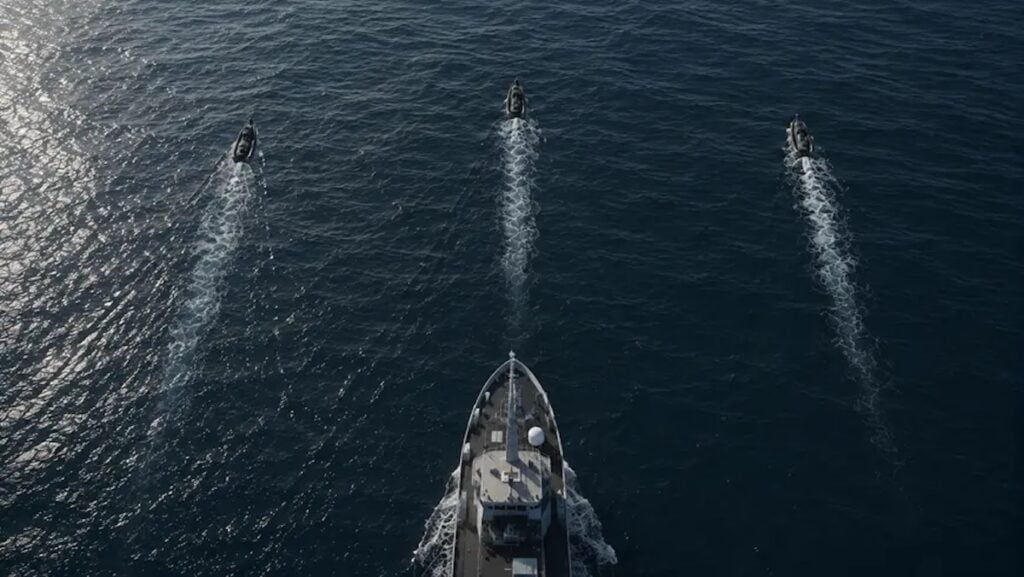
Embention examines the use of Unmanned Surface Vehicles (USVs) in oceanographic research, maritime surveillance, and defense operations, highlighting their ability to undertake missions without onboard personnel.
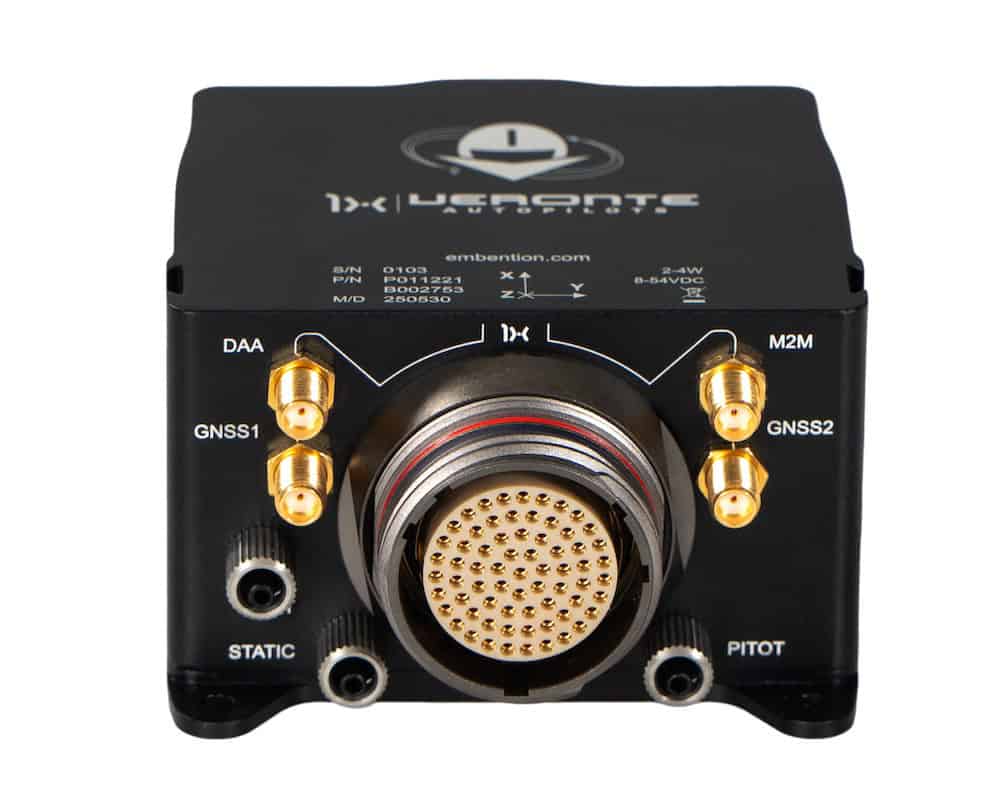
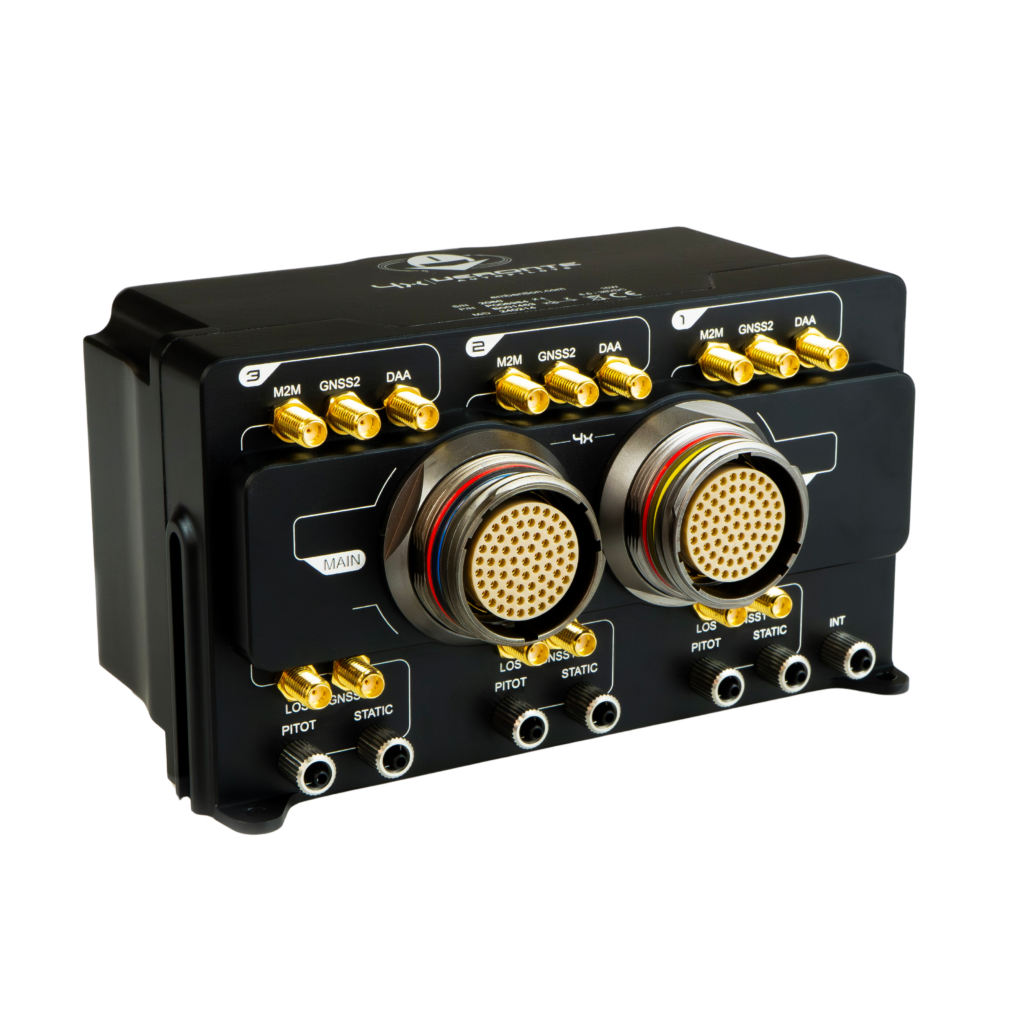
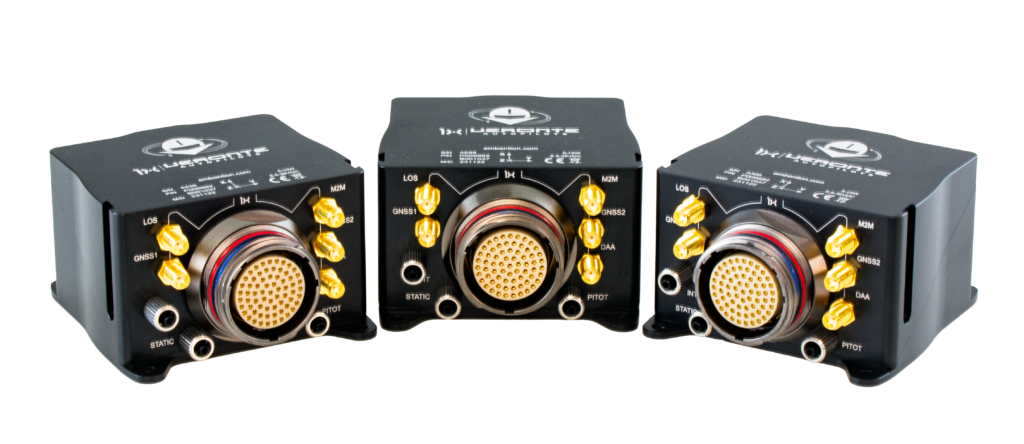
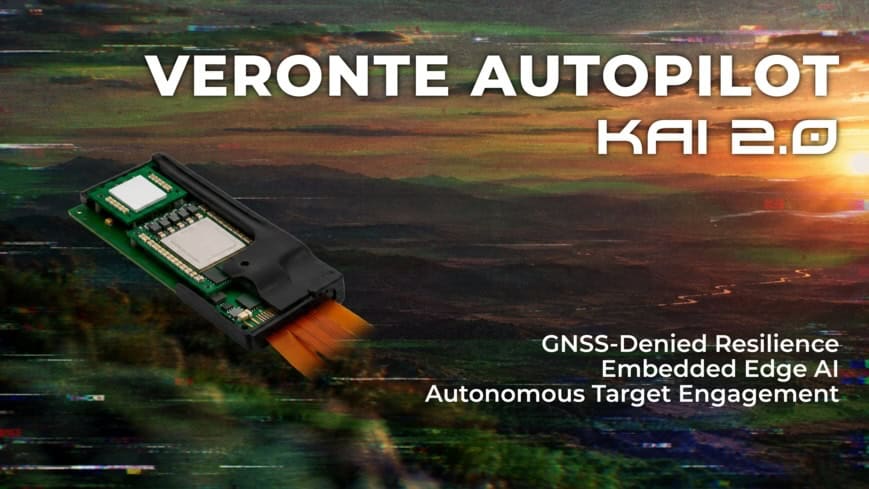
The integration of Veronte Autopilot 1x supports fully autonomous control, configurable safety functions, and coordinated operations involving multiple unmanned platforms.
USV Applications in Maritime Operations
Unmanned Surface Vehicles (USVs), also known as Autonomous Surface Vehicles (ASVs), operate on the water’s surface without a crew. They can be remotely controlled from land or another vessel, or operate fully autonomously.
These platforms can support frontline defense, vessel inspections, reconnaissance, and mapping while allowing operators and supporting vessels to remain at a safe distance. For oceanographic research, USVs can be more useful than weather buoys, more cost-effective than weather ships or equivalent research vessels, and more adaptable than commercial vessels.
Applications include bathymetric surveying, seabed exploration, marine mapping, and tracking large marine mammals for biological studies. Some USVs use wave energy and solar cells, allowing them to achieve months of maritime autonomy.
Defense and Surveillance Applications
In defense operations, USVs offer greater persistence than static coastal sensors and a more cost-effective alternative to deploying crewed warships for routine patrols. Their unmanned configuration also reduces risks to personnel during hazardous missions.
Applications include long-range Intelligence, Surveillance, and Reconnaissance (ISR), harbor security, mine countermeasures (MCM), and anti-submarine tracking.
Modern defense USVs often incorporate low-observable designs and autonomous swarming capabilities, which can extend fleet operational reach while keeping operators away from potential threats.
USVs can also be equipped with stabilized weapons systems, surveillance systems, and electro-optical tracking systems capable of day and night monitoring using infrared vision.
Veronte Autopilot 1x Integration for USVs
Embention details how Veronte Autopilot 1x supports autonomous USV operations across different vessel configurations, including solar boats, catamarans, and motorboats.
The autopilot provides several control, safety, and mission management capabilities:
- Autonomous control: Fully autonomous USV operation, with missions configurable relative to a control station located on land or aboard another vessel.
- Multi-vehicle operations: Control of multiple USVs or combined USV and drone missions from a single control station or multiple stations.
- Configurable safety functions: No-go areas, safe areas, and predefined responses to system failures or data link loss, including returning home, system disconnection, flare deployment, and light activation.
- Follow me functionality: Tracking of targets, other vessels, and marine mammals.
- Sensor-based automation: Automatic routines configured according to information captured by sensors.
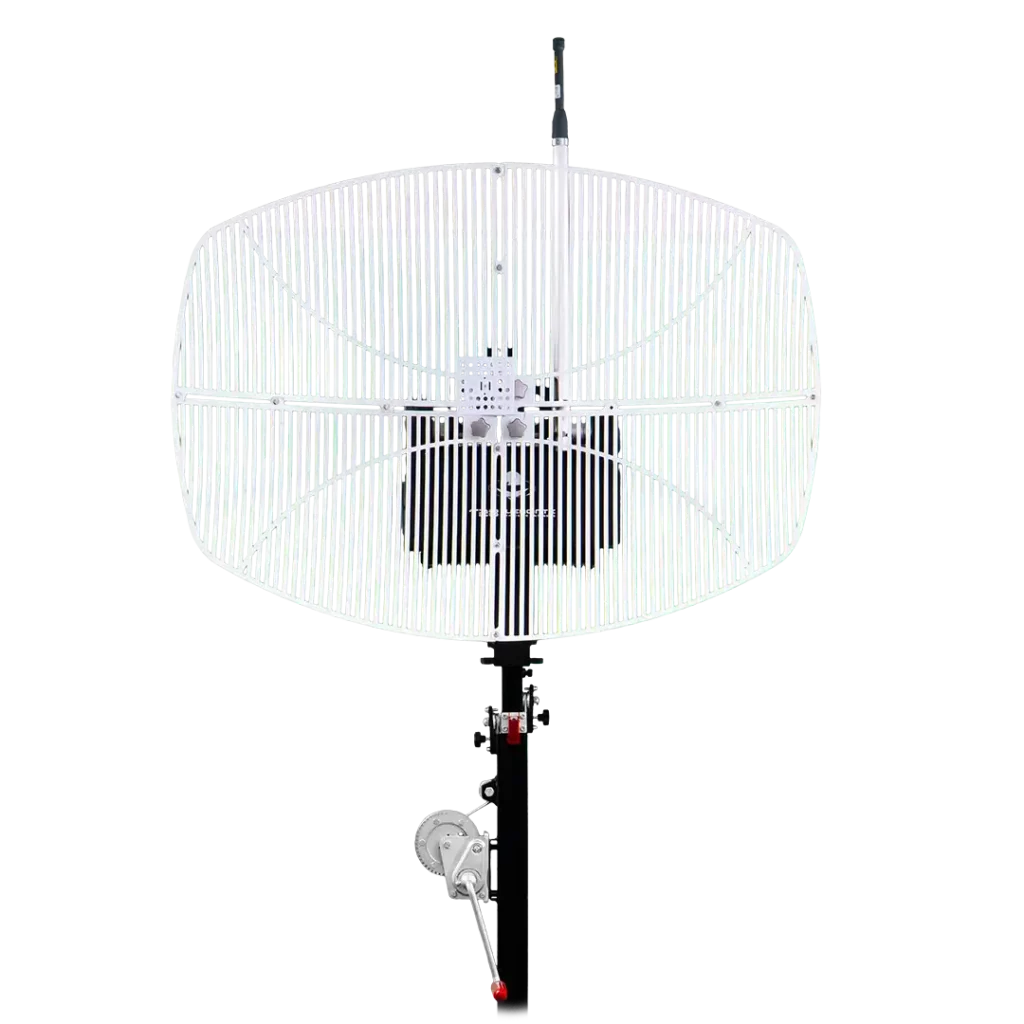
- Satellite communications: Support for satellite communications with global coverage.
These capabilities provide options for configuring autonomous surface operations involving vessel tracking, maritime research, surveillance, and defense missions.
For more information on the applications and advantages of USVs, visit the Embention website.