



Sentera Sensors & Drones examines the technical considerations behind dedicated-channel and multi-channel multispectral imaging systems in a white paper exploring how sensor architecture influences resolution, radiometric accuracy, and data quality.
Multispectral imaging systems use different approaches to capture narrowband spectral data, each presenting distinct considerations for sensor construction, performance, and cost. Understanding these differences is important when selecting a camera for a particular remote sensing application, particularly where spectral precision and image quality are key requirements.
Sentera’s white paper, Precision Filtering: Dedicated-Channel and Multi-Channel Systems, examines the construction and functionality of both architectures, exploring how their respective filtering methods influence the resulting imagery. It considers the relationship between sensor design and effective resolution, alongside the implications for radiometric accuracy, spectral band selection, and operational flexibility.
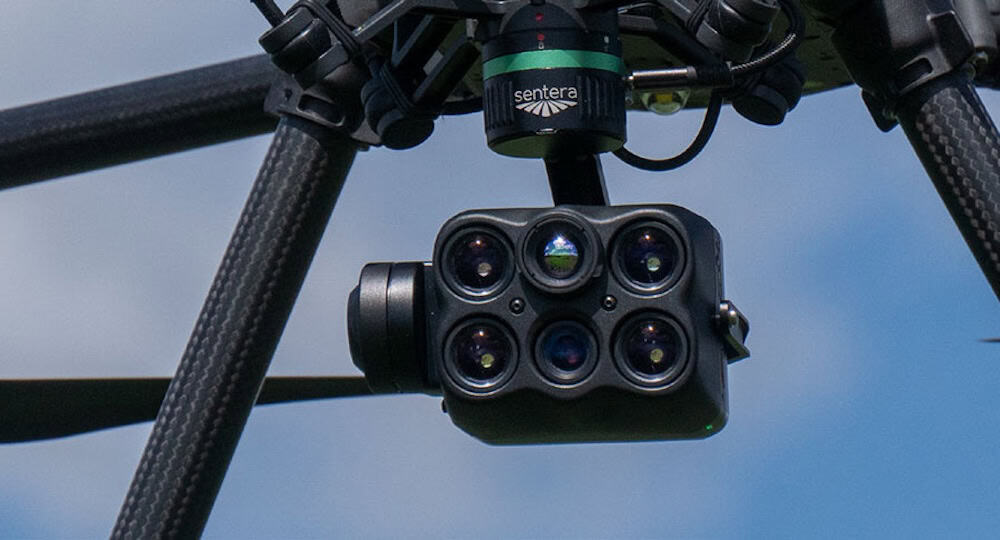
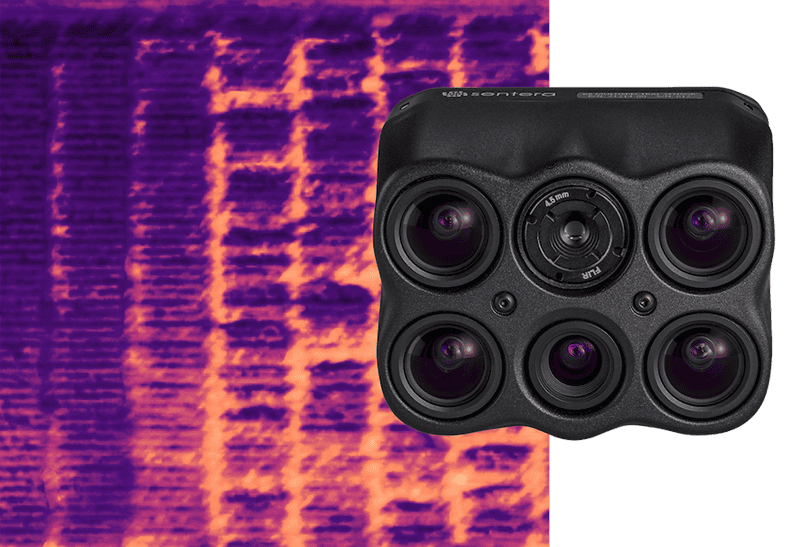
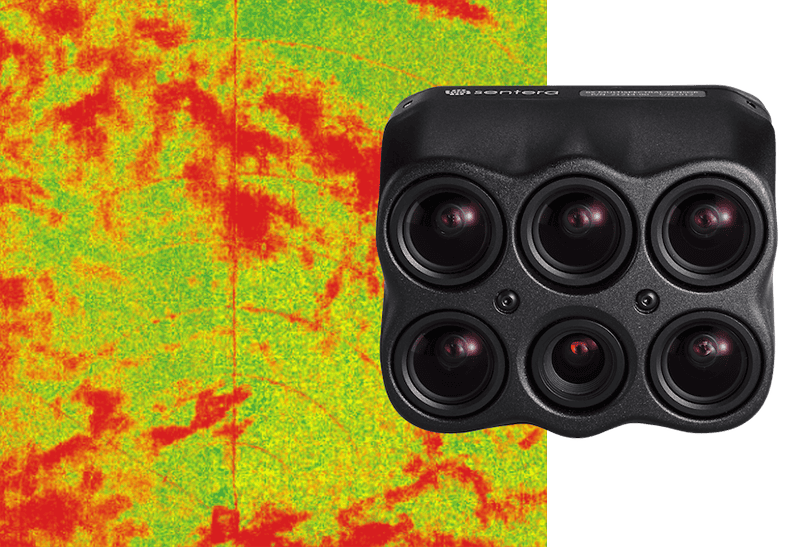
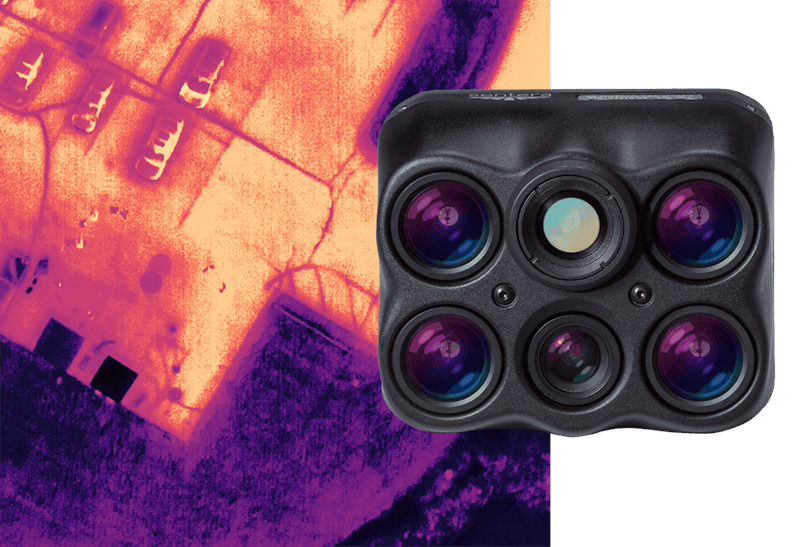
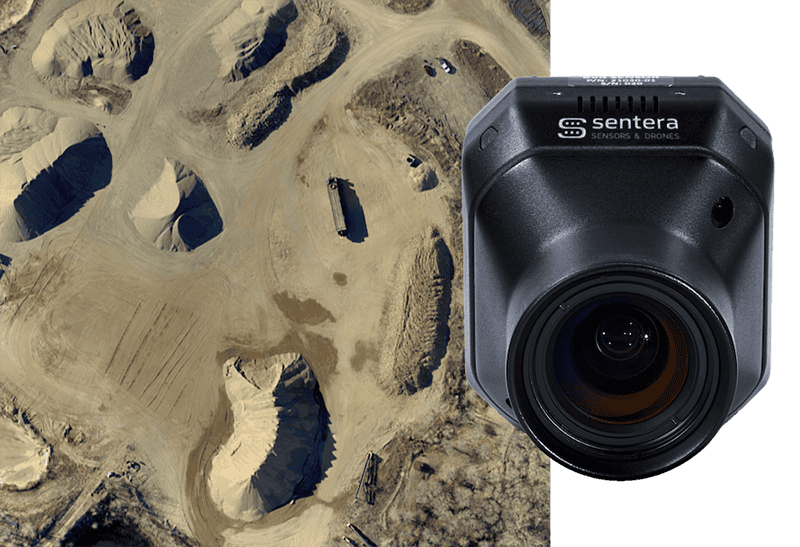
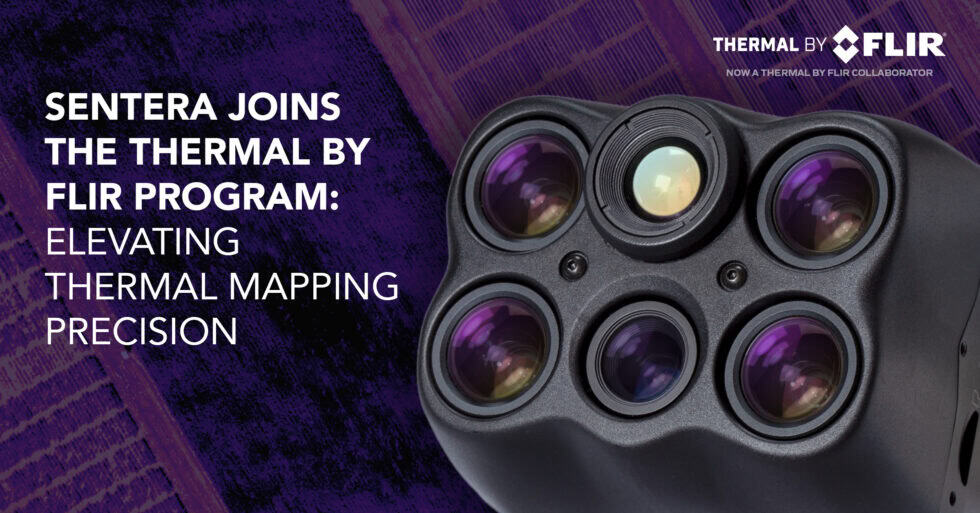
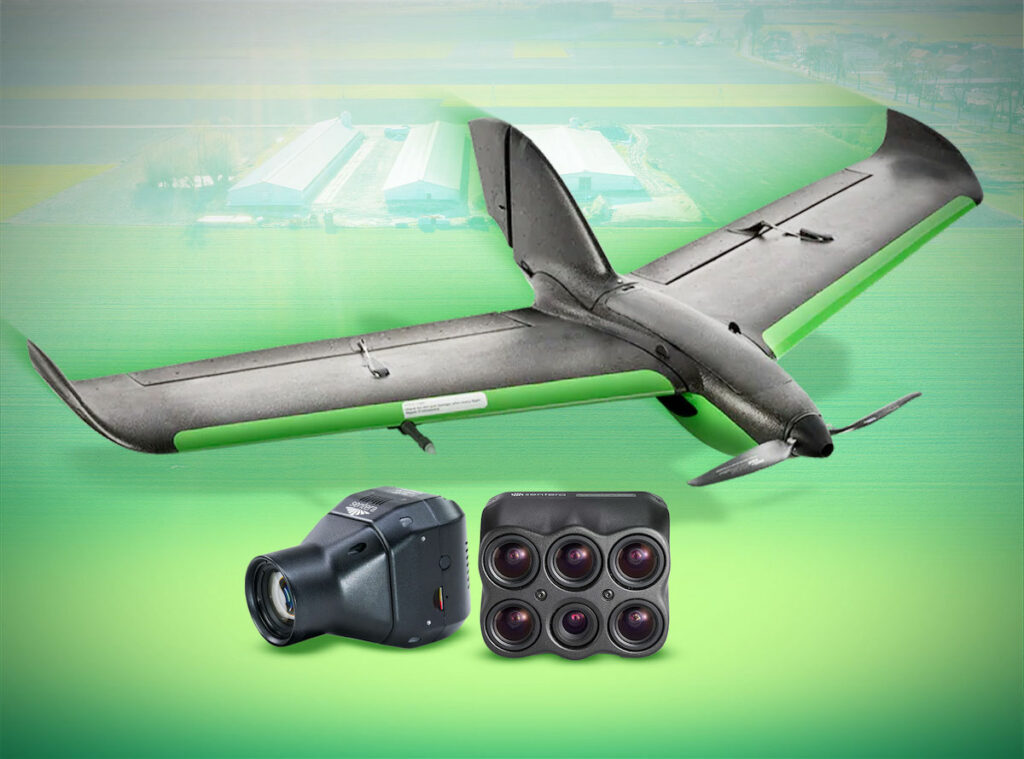
Drawing on its experience with both architectures, including the 6X Multispectral sensor series and Double 4K sensor, Sentera provides a technical comparison of the advantages and limitations associated with each approach. The paper also explores considerations such as system complexity, synchronization, image alignment, and exposure optimization, highlighting the factors that should be considered when evaluating different multispectral sensing solutions.
Download the full white paper to explore the technical trade-offs between dedicated-channel and multi-channel systems and gain a clearer understanding of the factors influencing multispectral sensor selection.