Aegis Power Systems is a U.S.-based manufacturer of rugged power electronics and conversion systems for unmanned, military, and embedded computing applications.
In this Q&A, UST sat down with Arlissa Vaughn, CEO of Aegis Power Systems, to discuss evolving power conversion requirements, as well as Size, Weight, and Power (SWaP), efficiency, and thermal challenges, and the role of rugged power systems in modern Counter-Unmanned Aircraft Systems (C-UAS).
How are power conversion requirements evolving as C-UAS systems become more compact, mobile and capable?
Power converter solutions must be modular and scalable to support a wide range of system requirements. Portable and mobile platforms typically prioritize size and weight, often with limited available power, whereas larger C-UAS systems may demand significantly higher power levels. However, even in larger systems, size and weight remain critical considerations, particularly for mounted installations where integration and logistics must be carefully managed. Therefore, modularity in design allows for users to access maximum cost controls due to parts similarity and reuse, while still engaging with the best power architectures and design options.
What are the main SWaP, energy efficiency, and thermal management challenges when designing power architectures for C-UAS platforms?
SWaP considerations are closely tied to overall system design, and as mentioned earlier, can be partially addressed by modularity. Thermal management is always an important consideration for mitigation and planning, and is directly influenced by the efficiency of the power converter or power supply. The higher the efficiency, the less thermal mitigation required. Improving energy efficiency is a top priority for our ongoing internal research and release of new products.
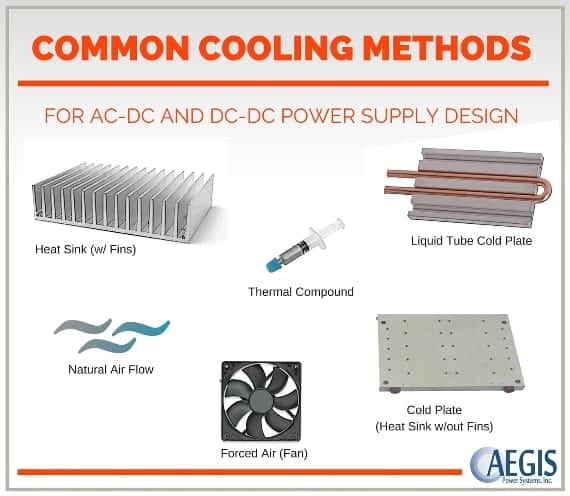
Some systems may have liquid cooling available, while others require the power supply to independently manage thermal performance or rely on natural convection. These discussions are best held early in the design process so that integrators can consider the trade-offs between different approaches.
Why is rugged, reliable power conversion so important for counter-drone systems operating in demanding defense environments?
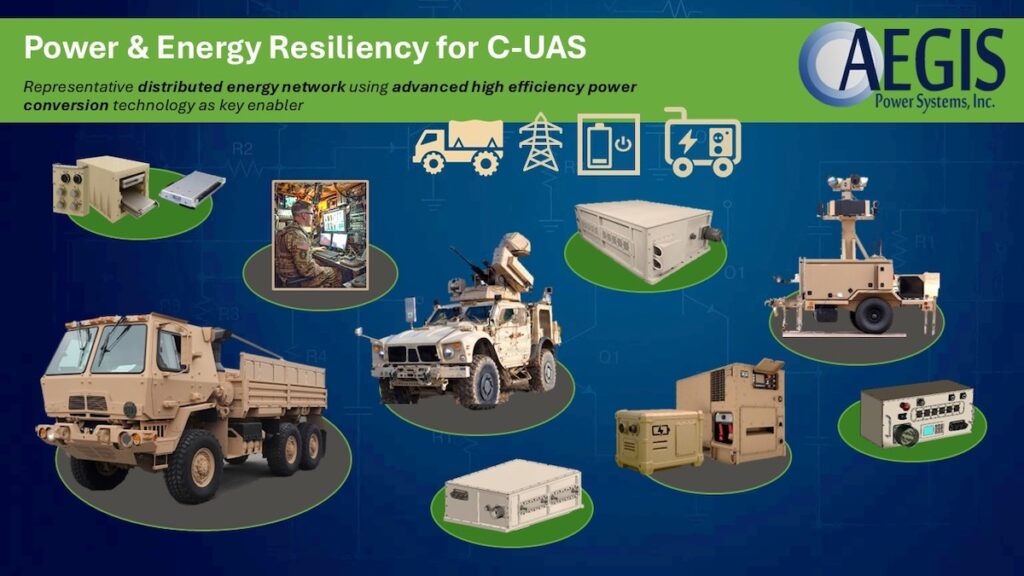
Stealth, reliability and environmental endurance are critical in national defense applications. Systems are often deployed in contested or otherwise challenging environments. C-UAS systems are typically heavy power users, making power source selection an important factor in determining the viability of stealth locations.
Mission planners must look at multiple energy sources to improve energy resiliency and maximize access for a variety of scenarios. Fuel-based generators are highly efficient, but may emit strong thermal, electromagnetic and audible signatures, whereas battery-based solutions can enable silent and stealthy operations, but duration and recharge logistics may become a limiting factor. Power converters that can accept both types of input and support microgrid scenarios provide greater flexibility for dynamic mission profiles.
How can power supply design help support embedded computing, sensors and RF subsystems within modern C-UAS solutions?
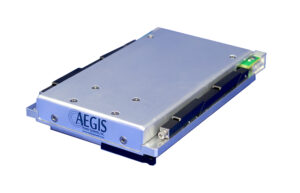
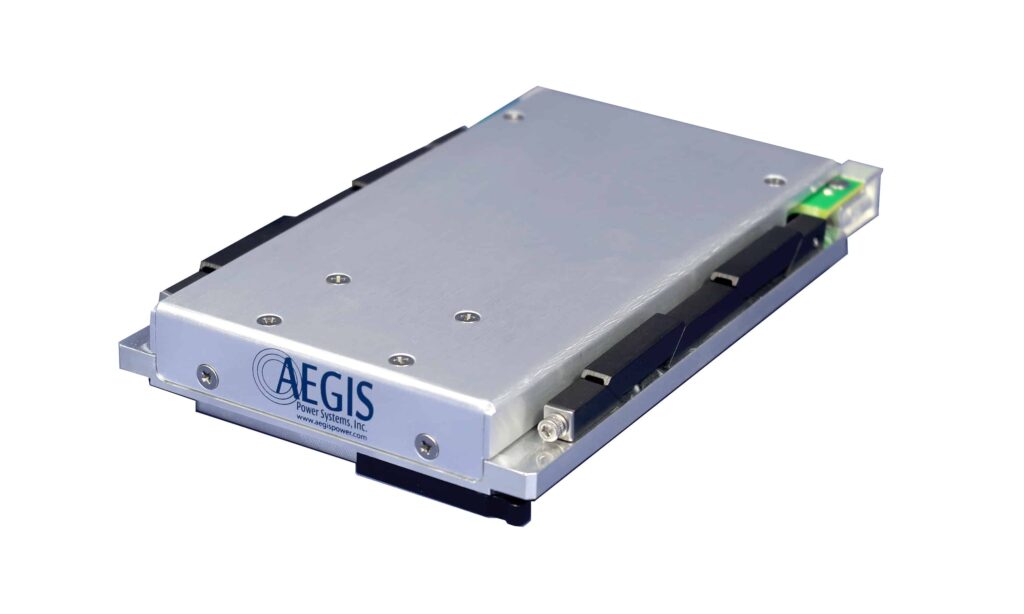
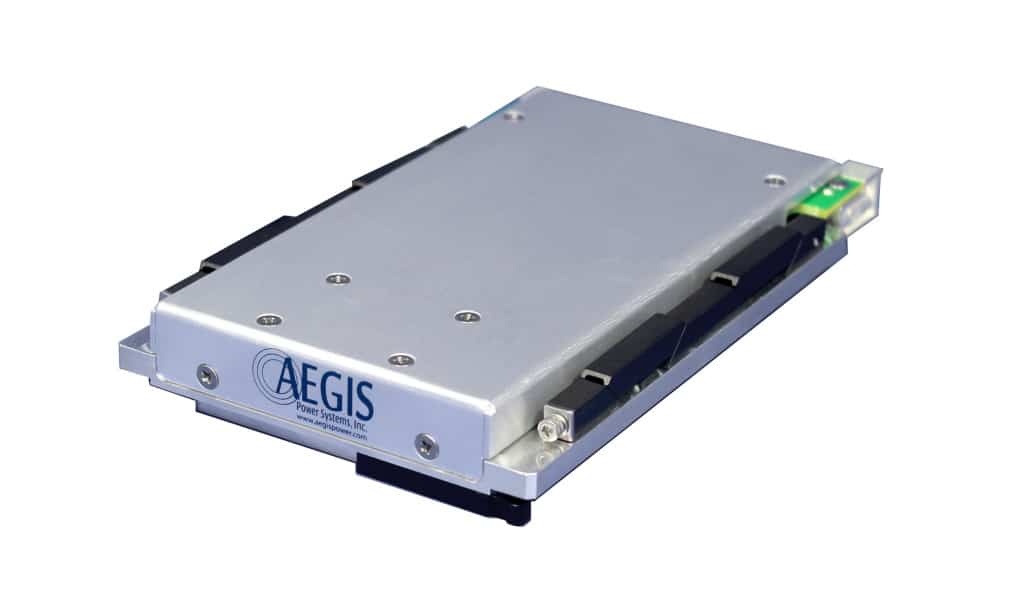
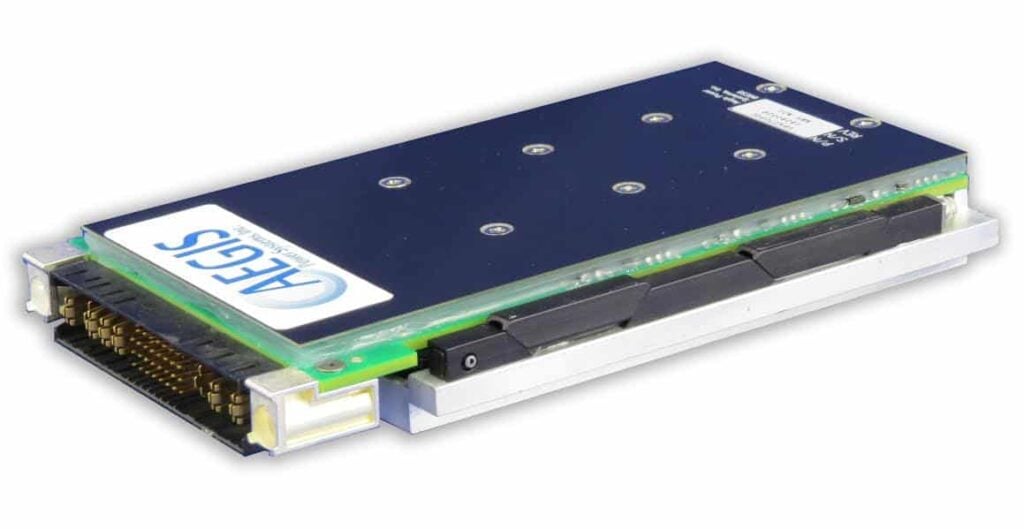
VPX283UC300 VPX Power Converter.
Compute, sensing and RF subsystems within C-UAS applications often require different voltage and power levels than the primary radar power converters. A power distribution system may be used to step power down to the lower voltages and levels required, if in close proximity to the system elements. If this is not feasible, individual smaller power converters may be the best solution for powering compute, sensing and RF subsystems. The VPX chassis solutions are often used in these lower-power scenarios.
What role do Electromagnetic Interference (EMI) mitigation and standards compliance play in the development of military-grade power systems for C-UAS applications?
EMI mitigation is critical in military systems, and especially so for C-UAS applications. Most commercial off-the-shelf power conversion equipment is unlikely to meet the required lower and upper harmonic distortion limits needed to maintain stealth.
How does Aegis Power Systems support defense OEMs with custom and standard power solutions for next-generation C-UAS platforms?
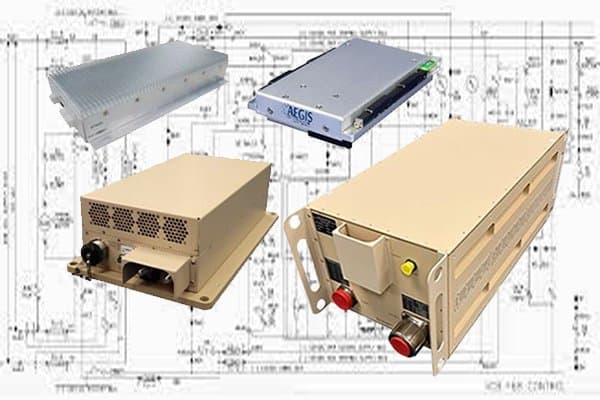
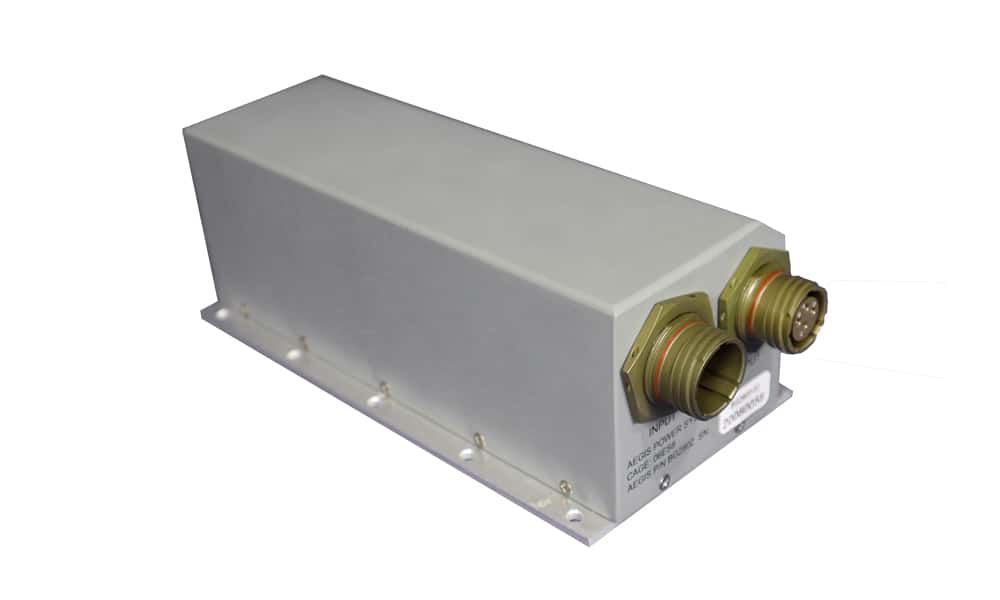
Aegis Power Systems’ power conversion products, including AC/DC, DC/DC and DC/AC solutions ranging from 100W up to 60kW, are available and can be modified to help defense OEMs bring products to market faster. Many of these teams do not maintain full-time power conversion expertise in-house and can instead leverage Aegis’ team of specialist engineers to achieve the required performance, improve system efficiency, optimize cooling requirements, and evaluate optimal dimensions and other design constraints. The company’s integrated R&D and manufacturing facilities allow for rapid and agile design with flexible production lines, both of high value for this industry.
Thank you for your time. We look forward to seeing how power conversion continues to shape the performance and deployment of next-generation C-UAS systems.