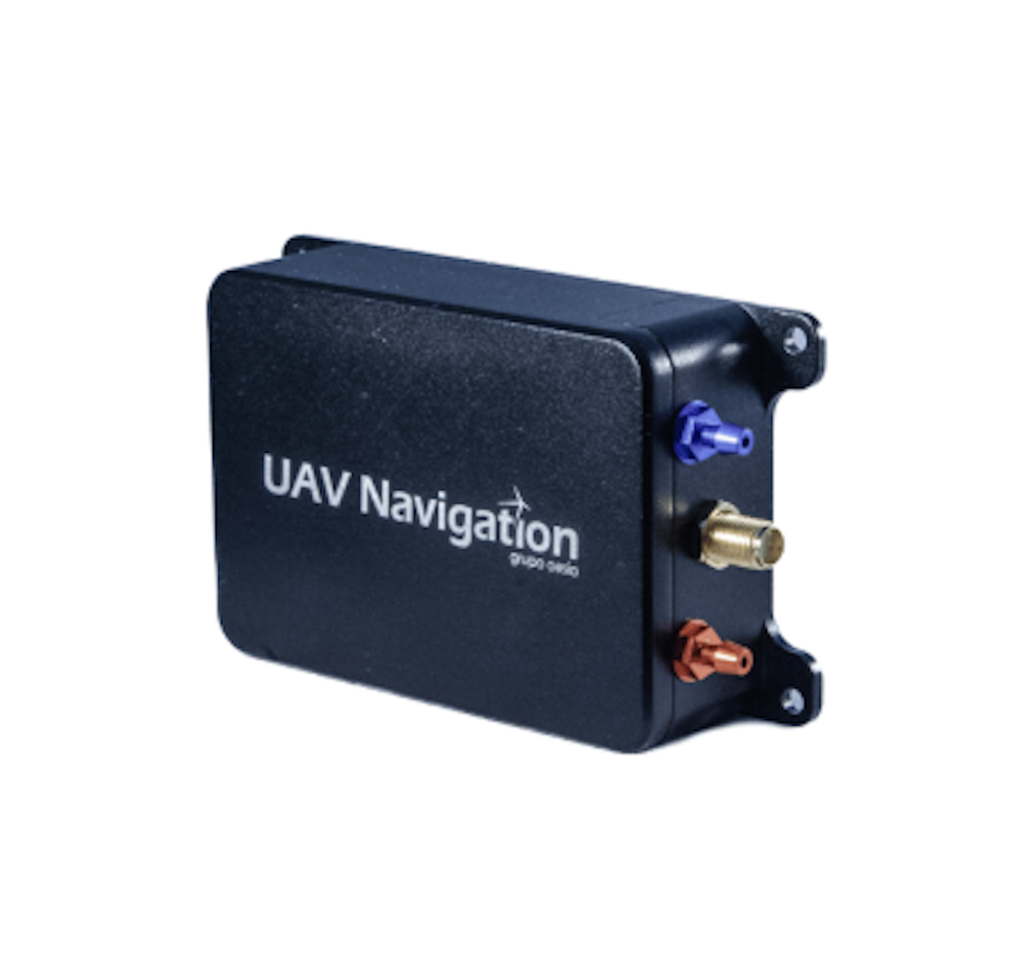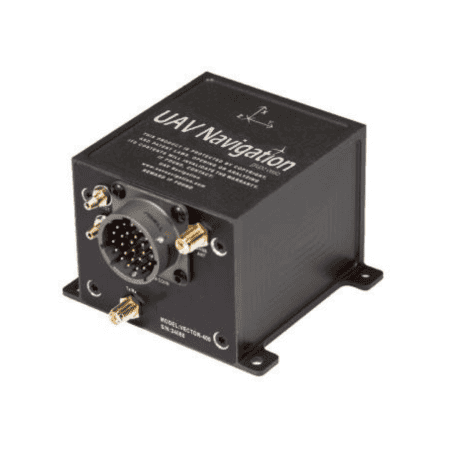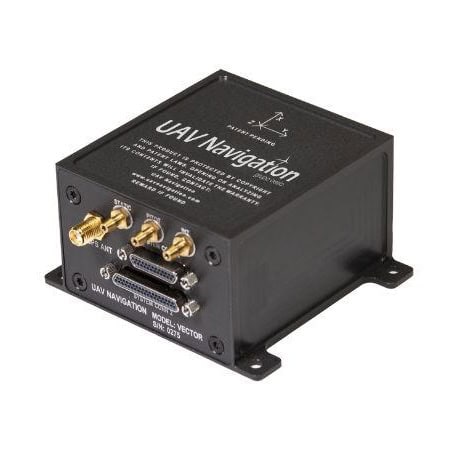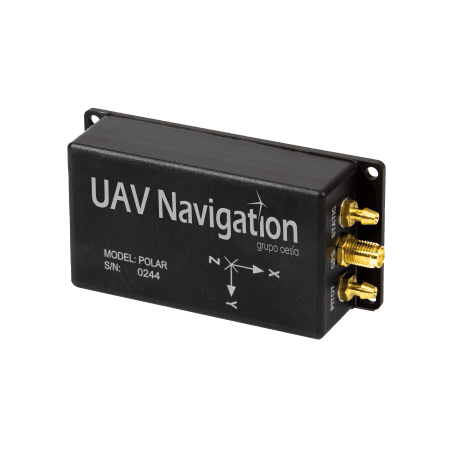
UAV Navigation–Grupo Oesía has highlighted the growing tactical necessity of advanced Guidance, Navigation, and Control (GNC) systems for unmanned aerial platforms in modern defense operations.
High-Dynamic Capabilities and Operational Autonomy
Modern defense scenarios have increasingly relied on loitering munitions to combine short-, medium-, and long-range tactical and strategic missions. These platforms have been engineered to remain airborne until identifying a target and intercepting it with high precision, minimizing collateral damage while optimizing operational effectiveness.
Having low acoustic, visual, and thermal signatures, these aerial platforms have proven difficult to detect and track during specialized missions such as Suppression of Enemy Air Defenses (SEAD) and precision strikes against mobile targets. Beyond offensive operations, these unmanned platforms have provided significant defensive capabilities as interceptors to detect, pursue, and neutralize ground and aerial threats.
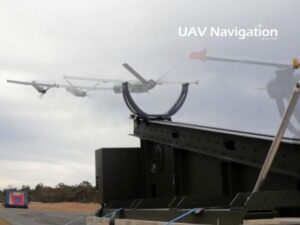
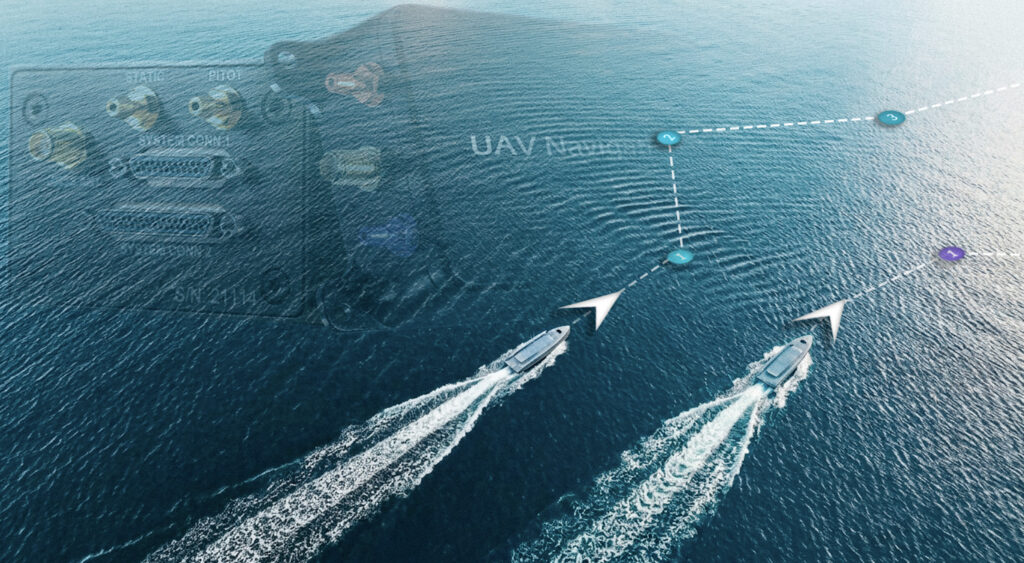
To meet the growing demand for low-cost, expendable assets, the European Defence Industrial Strategy (EDIS) has promoted agile, high-quality manufacturing aligned with stringent production requirements. The core intelligence driving these missions has relied on onboard autopilots, which have provided the stability, accuracy, and operational autonomy required to execute high-dynamic maneuvers. Leveraging extensive experience in controlling high-dynamic target drones, UAV Navigation–Grupo Oesía has designed complex flight control solutions capable of maintaining performance in demanding operational environments. These systems have successfully achieved historic technical milestones, including autonomous sea-skimming flight at just 7 meters above sea level at high speed and automatic evasive maneuvers for defensive testing.
Key Capabilities for Mission Success
To ensure operational success, loitering munitions have required GNC systems equipped with several critical capabilities:
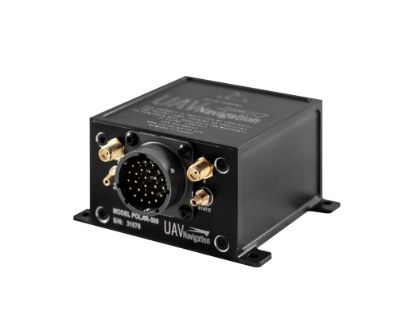
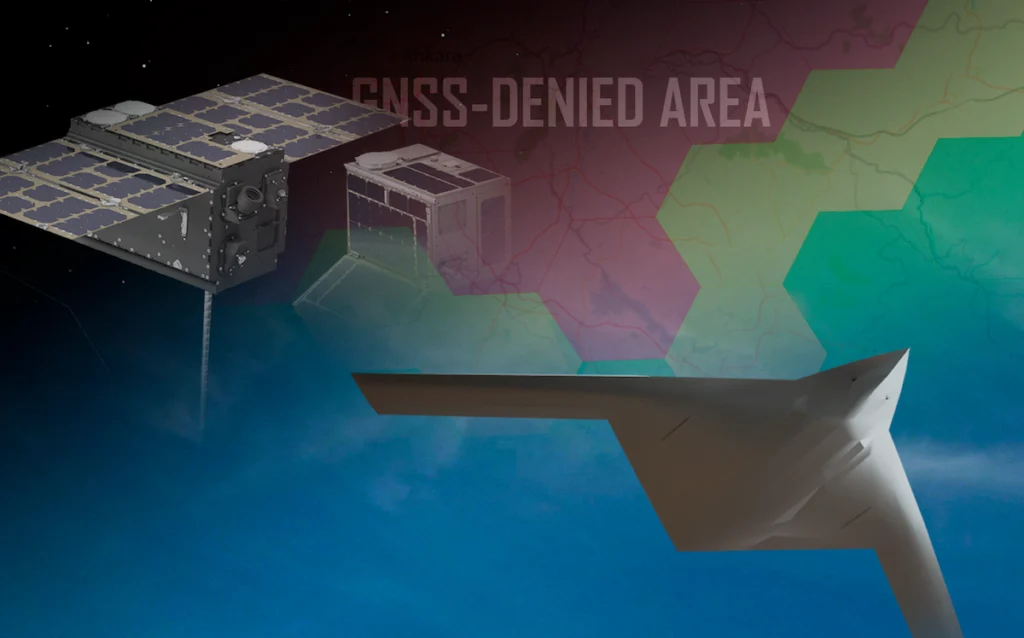
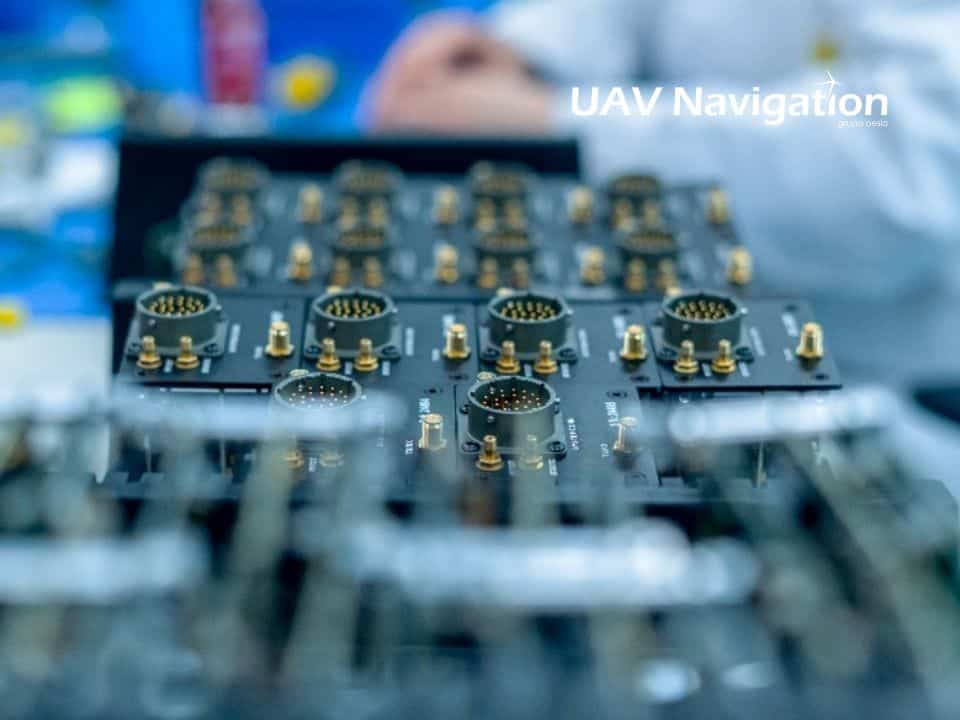
- Resilient Navigation in Contested Environments: Operations have frequently occurred in denied environments where GNSS signals face jamming or spoofing attacks and communications are disrupted. UAV Navigation–Grupo Oesía has addressed this challenge through advanced autopilots like the VECTOR-600, which combines an Attitude and Heading Reference System (AHRS) with a Visual Navigation System (VNS). In recent military counter-UAS trials, these systems have successfully detected and withstood electronic attacks while maintaining target precision.
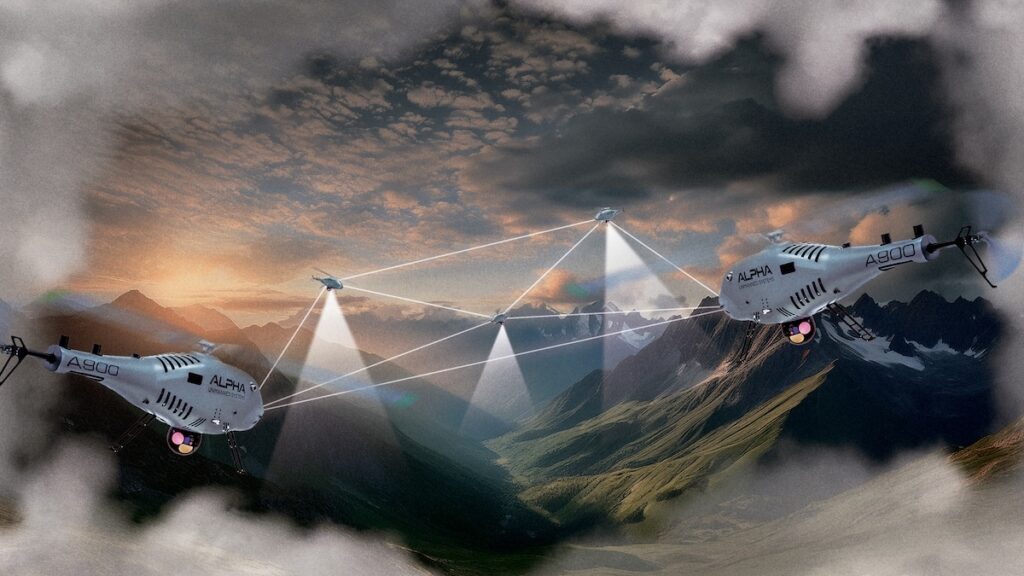
- Formation and Swarm Flight: Coordinated multi-UAS swarms have enhanced interception capabilities by sharing real-time information and adjusting flight strategies autonomously to neutralize multiple threats.
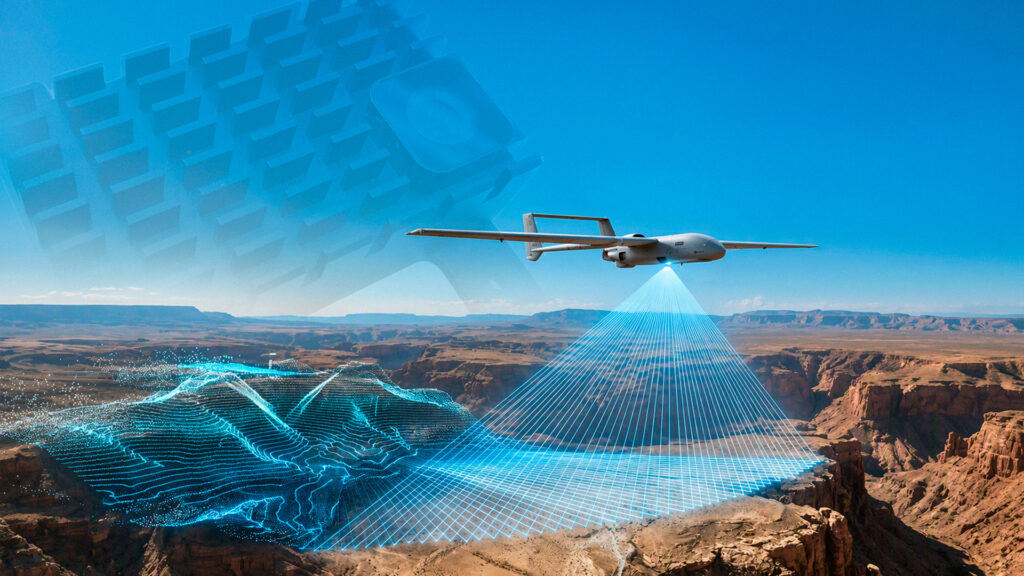
- Optical Terminal Guidance: Integrating live video feeds with navigation units has allowed Optical Terminal Guidance (OTG) and EO/IR payloads to support full 4D trajectory control. Overlaying guidance data on live video has enhanced situational awareness during ISR missions and target tracking while ensuring a human remains in the decision loop.
- Open Architecture and NATO Interoperability: Systems built on agnostic architectures aligned with standards such as STANAG 4586 have enabled seamless integration into NATO operational environments and multi-domain operations.
- Flexible Launch Capabilities: Modern flight control architecture has accommodated demanding launch methods, including deployment from motherships, pneumatic or hydraulic catapults, and rocket-assisted take-off (RATO) generating accelerations up to 25G, while integrating with Manned-Unmanned Teaming (MUM-T) frameworks.
- Referenced Navigation: Real-time target coordinate adjustments have enabled automated flight plan updates to neutralize high-speed moving targets.
- Automatic Evasive Maneuvers: Adaptive control systems have automatically executed low-altitude terrain- or sea-skimming maneuvers to evade countermeasures and fulfill mission objectives.
Through these continuous technological advances, UAV Navigation–Grupo Oesía has positioned itself as an industry leader, delivering robust solutions that maximize the strategic potential of unmanned aerial vehicles across military and security domains.