BeeX highlights its recent completion of an adaptive autonomous inspection of a four-legged oil and gas jacket for a major operator, marking the company’s first adaptive autonomous inspection of this structure type while extending its underwater drone operations beyond standard monopile work.
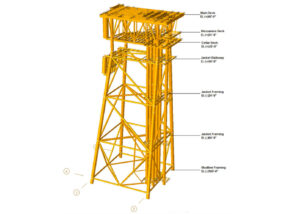
Overview of jacket structure, taken from Kaban, Siti N. et al. (2023)
The fixed steel jacket reached the seabed at 71 meters and covered a 1,225-square-meter base area. BeeX completed the work in 4.5 operational days using a single shift, carrying out a full General Visual Inspection (GVI), Cathodic Protection (CP) stabs at 10 predefined locations, and delivering a complete geo-referenced anomaly and inspection report.
Exploring Alternatives for Inspection Efficiency
The client had previously used mini-Remotely Operated Vehicles (ROVs) and work-class ROVs for routine inspections. Mini-ROVs offered lower productivity, while work-class ROVs provided greater versatility and productivity but required costly vessels and larger crew mobilizations.
Seeking an alternative that could provide high-quality data and operational efficiency, the client required BeeX to complete two sea trials before proceeding with the offshore jacket inspection.
Autonomous Inspection of a Complex Jacket
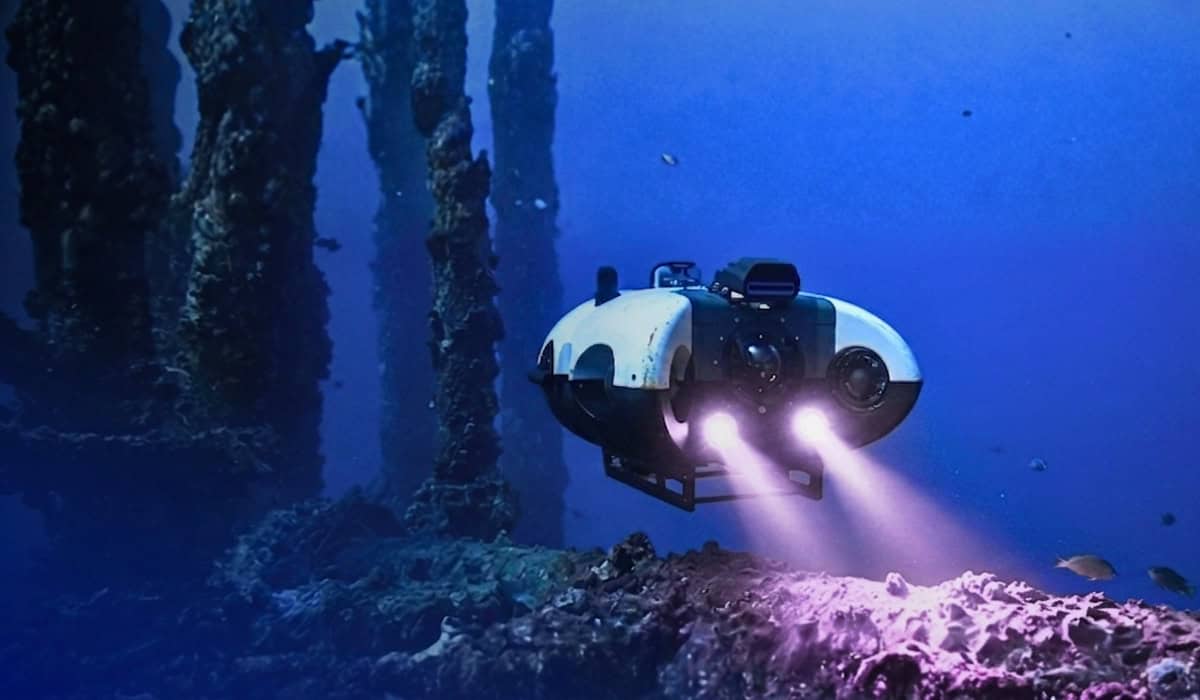
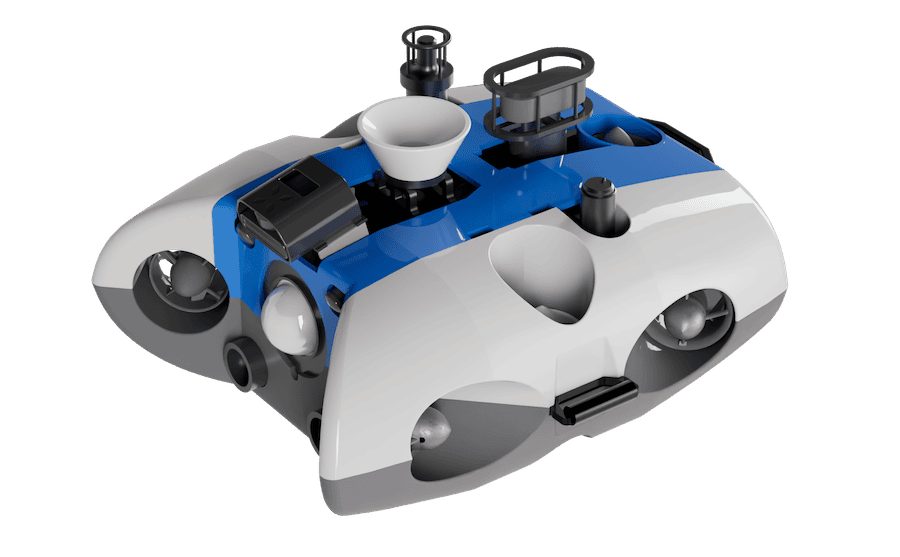
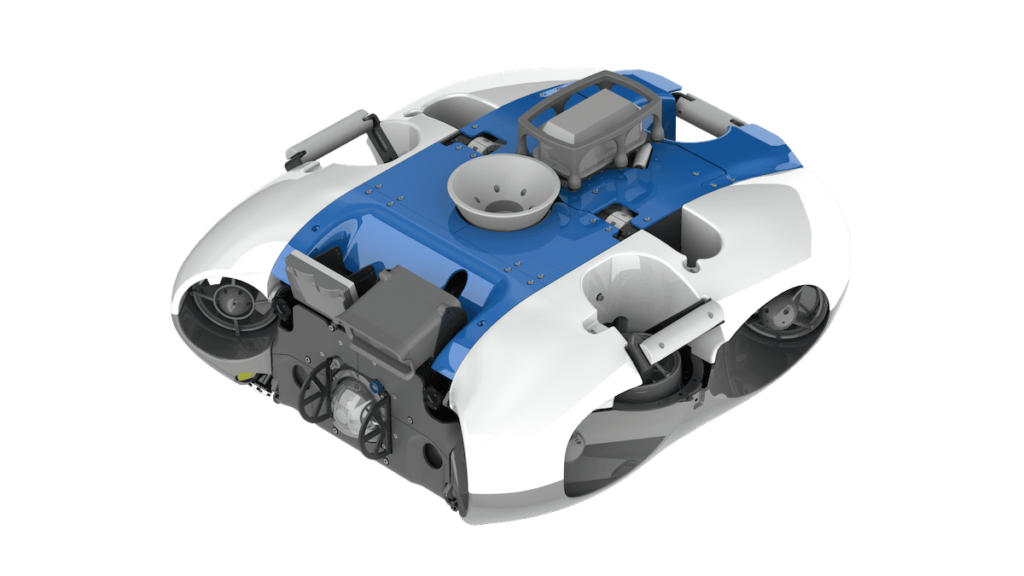
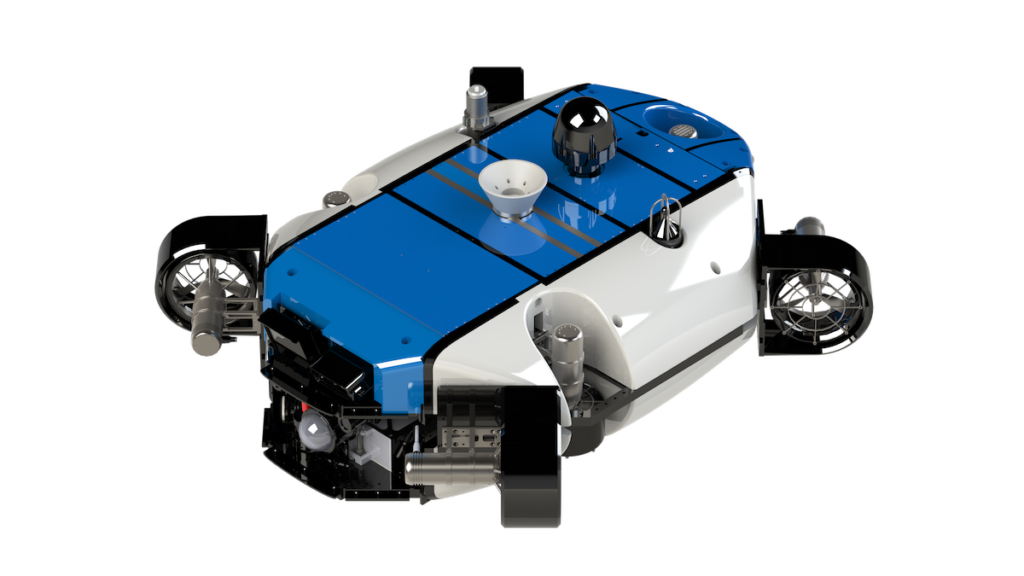
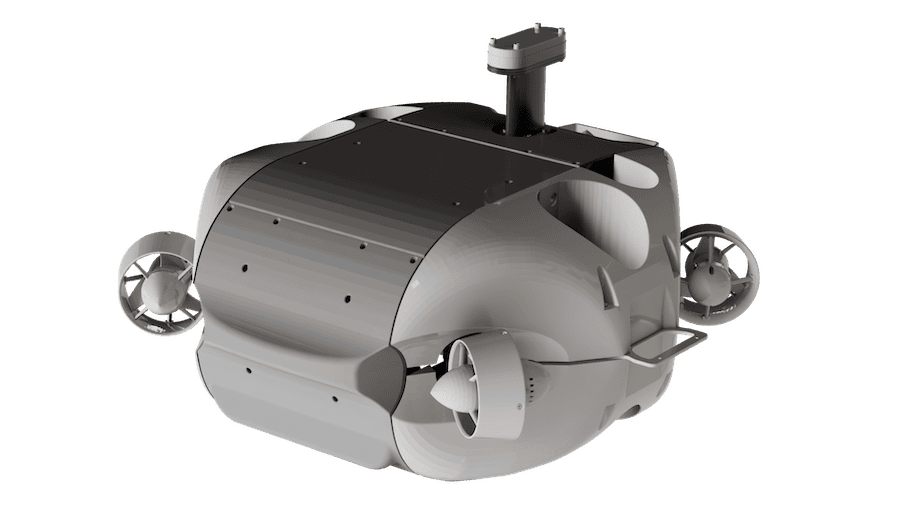
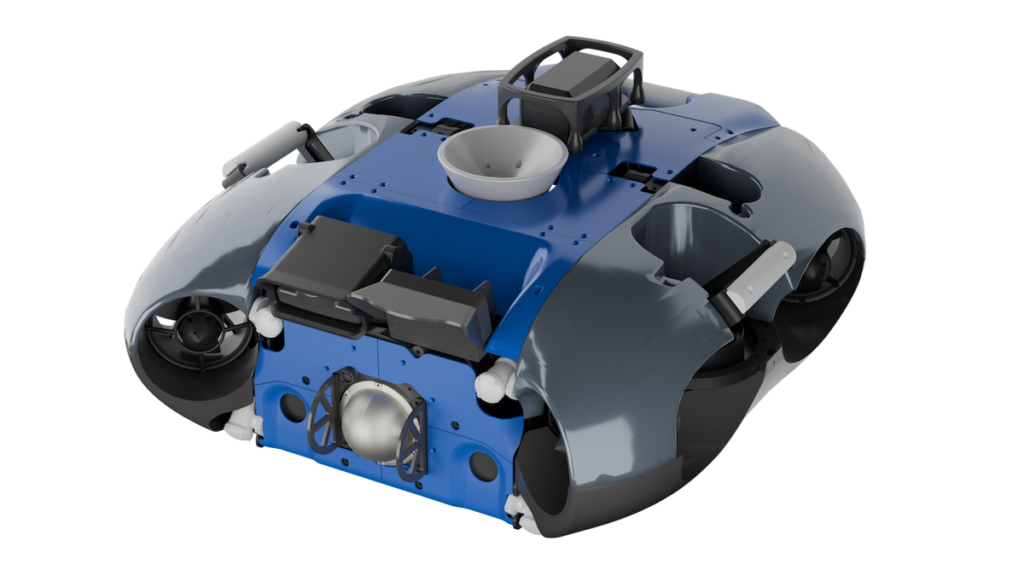
BeeX deployed its A.IKANBILIS autonomous underwater drone to inspect the jacket, one of the largest structures the company had inspected. The asset contained hundreds of interconnected components across four steel legs extending to the seafloor.
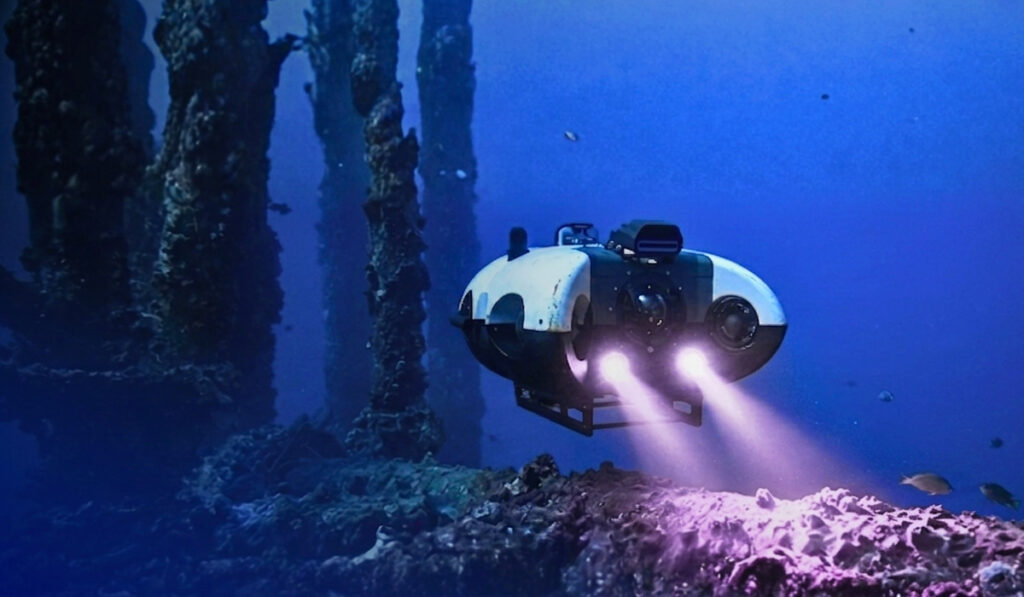
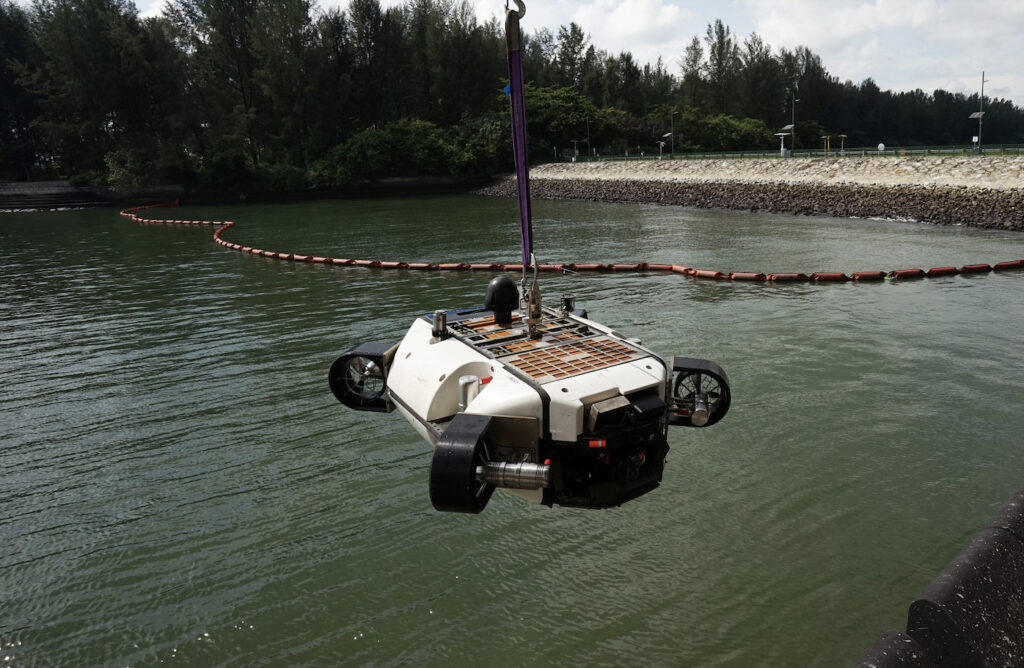
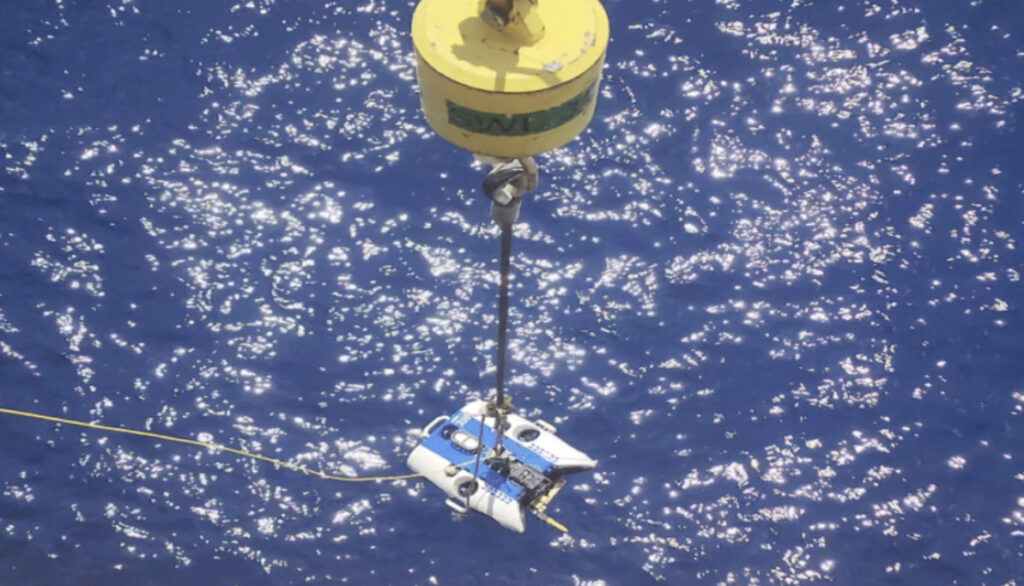
A.IKANBILIS was lowered from the platform by pedestal crane and guided by three BeeX operators. In hover mode, it maintained consistent standoff distance and imaging parameters to support uniform data capture across complex geometries.
Currents reached up to 0.8 knots, with the vehicle autonomously adjusting thruster power to counter the surrounding flow.
Sonar-Aided Navigation and Adaptive Autonomy
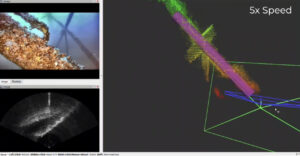
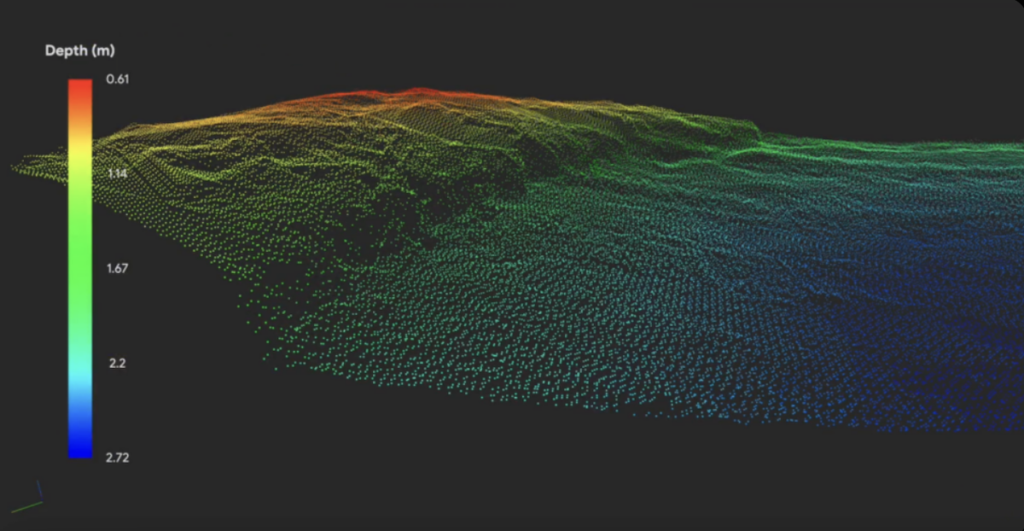
Sonar-aided navigation combined with an object tracking system mapping out the structure
A.IKANBILIS used sonar-aided navigation and object tracking to stabilize its performance, together with computer-aided flight and obstacle avoidance.
The vehicle inspected the four legs, risers, and riser clamps, following autonomous downward-to-upward flight paths while tracking each structure. Riser clamps were inspected manually because of their unique shape.
Within the steel framework, onboard navigation optimized and tracked the vehicle’s path to follow the simplest effective routes while preventing tether entanglement.
The inspection covered three J-tubes, 300 anodes, two tube-like caissons, and 150 horizontal and vertical cross-steel braces, with particular attention to clamps, braces, and joints where early signs of fatigue or displacement typically appear.
Cathodic Protection and Reporting
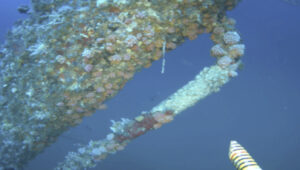
Anode depletion on a steel bar
CP stabs were completed at 10 predefined locations identified on the client’s drawings, with corrosion levels measured using a cathodic protection sensor mounted on A.IKANBILIS.
Following the campaign, the client received a complete geo-referenced anomaly and inspection report through Sambal UI, BeeX’s proprietary data reporting portal.
An executive from the client’s innovation team shared, “This was our first experience with an autonomous inspection drone, and we were positively surprised by its autonomous performance. Given the limited setup on site, other inspection systems would have struggled to deliver the level of data quality and speed we experienced. BeeX’s drone autonomy as a differentiator has real value for oil and gas inspections. ”
Extending Inspection Beyond Monopiles
According to BeeX, the deployment demonstrated multiple degrees of adaptive autonomy while matching the productivity of work-class ROVs.
The campaign also moved BeeX’s next-generation autonomy beyond monopile inspections and into a more complex oil and gas environment at depths of up to 71 meters.