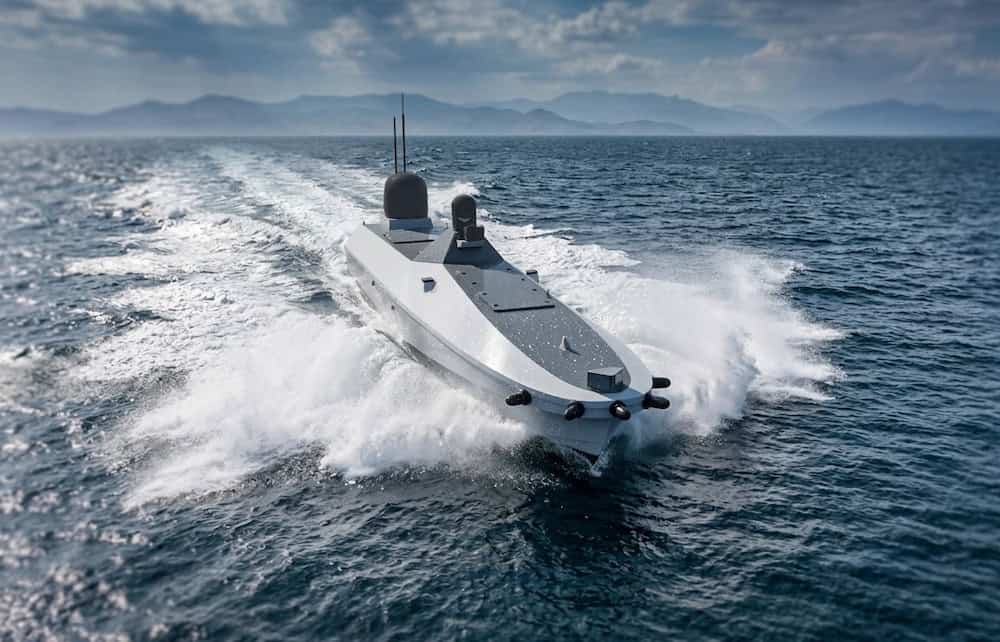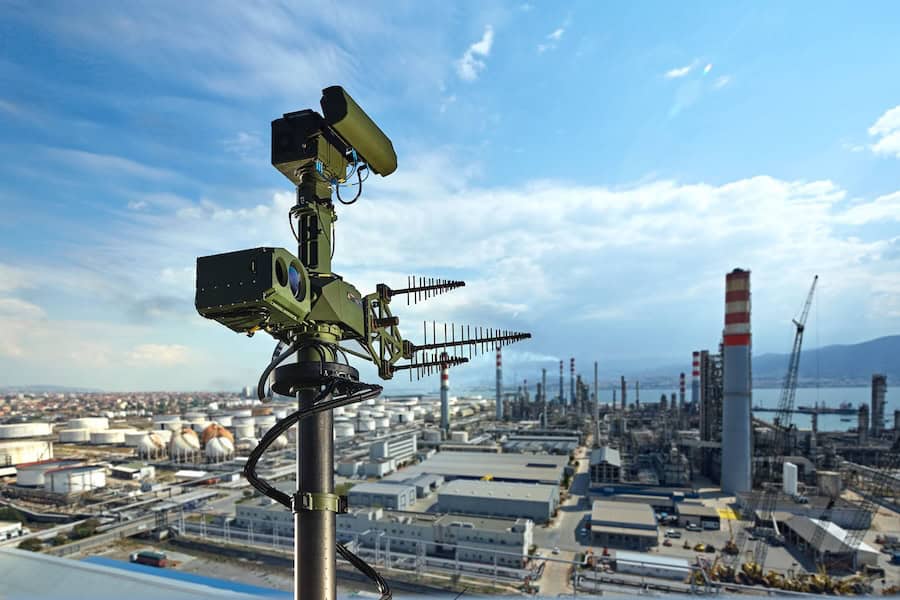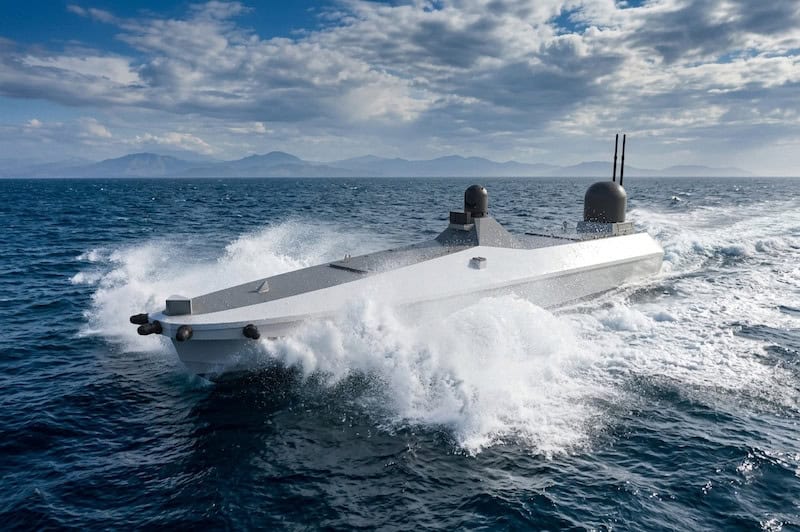




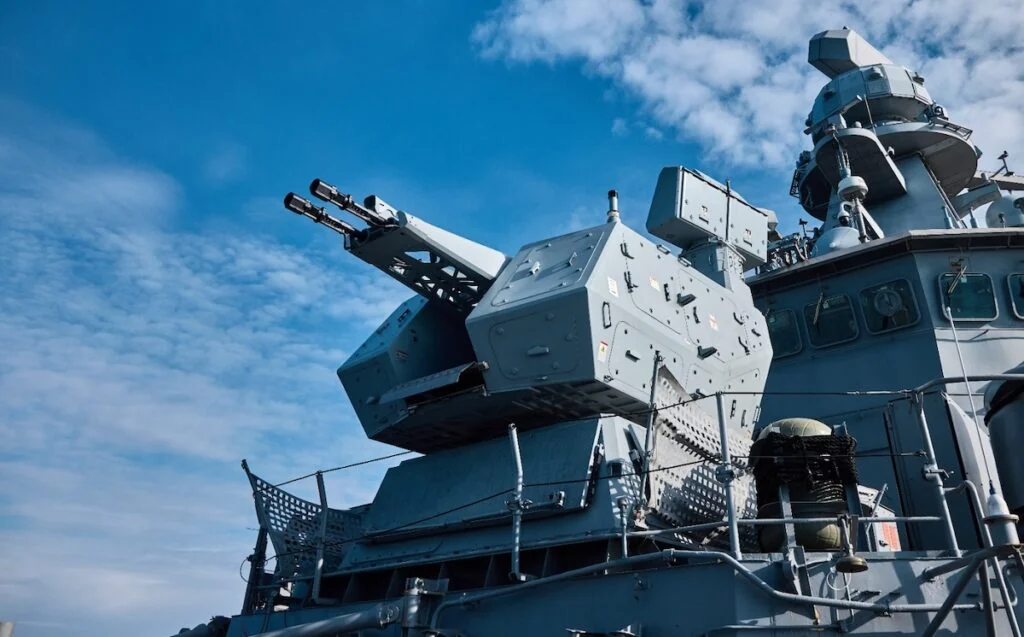
ASELSAN has demonstrated its GÖKDENİZ naval air defense system in semi-autonomous mode during a live-fire trial off the northern coast of Türkiye, successfully destroying a moving aerial target.
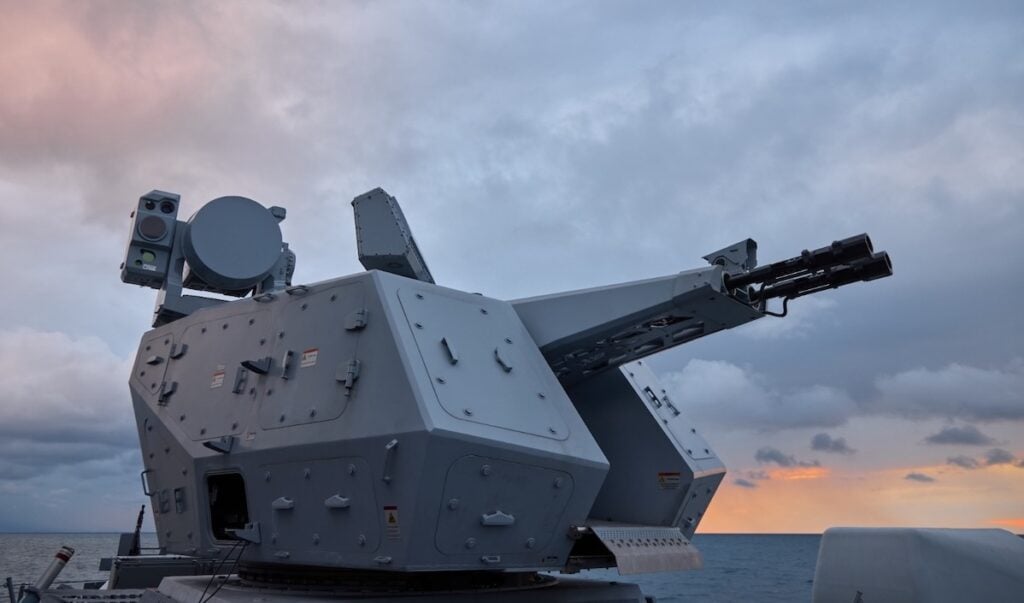
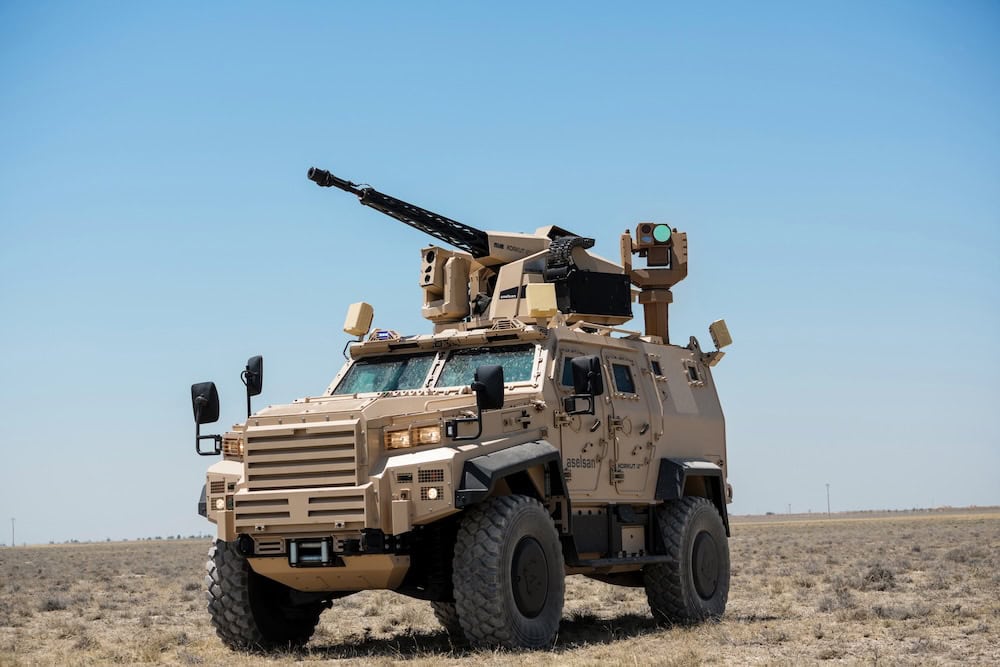
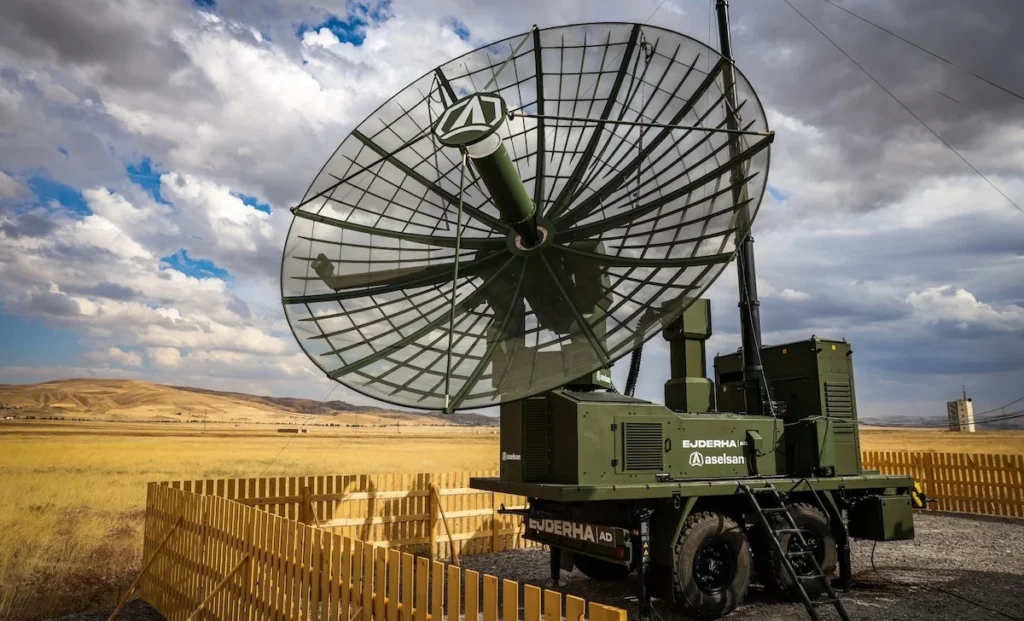
Developed as the naval configuration of the land-based KORKUT air defense system, GÖKDENİZ is engineered to provide close-in defense for maritime platforms. It is designed to address small, fast-moving, and maneuverable aerial threats, including Unmanned Aerial Vehicles (UAVs) and anti-ship missiles.
During the maritime trial, the host vessel maintained a speed of 5 to 10 knots while the system engaged a representative high-speed, jet-engine UAV. The target’s flight profile included low-altitude maneuvering, simulating the challenging characteristics of modern asymmetric aerial threats such as UAVs and cruise missiles.
The engagement took place in semi-autonomous mode, with automated target detection, tracking, and prioritization, while firing remained subject to operator authorization. GÖKDENİZ also features a fully autonomous mode, which was not demonstrated during this trial.
According to ASELSAN, automating detection, tracking, and engagement reduces reaction times in time-critical naval defense scenarios.
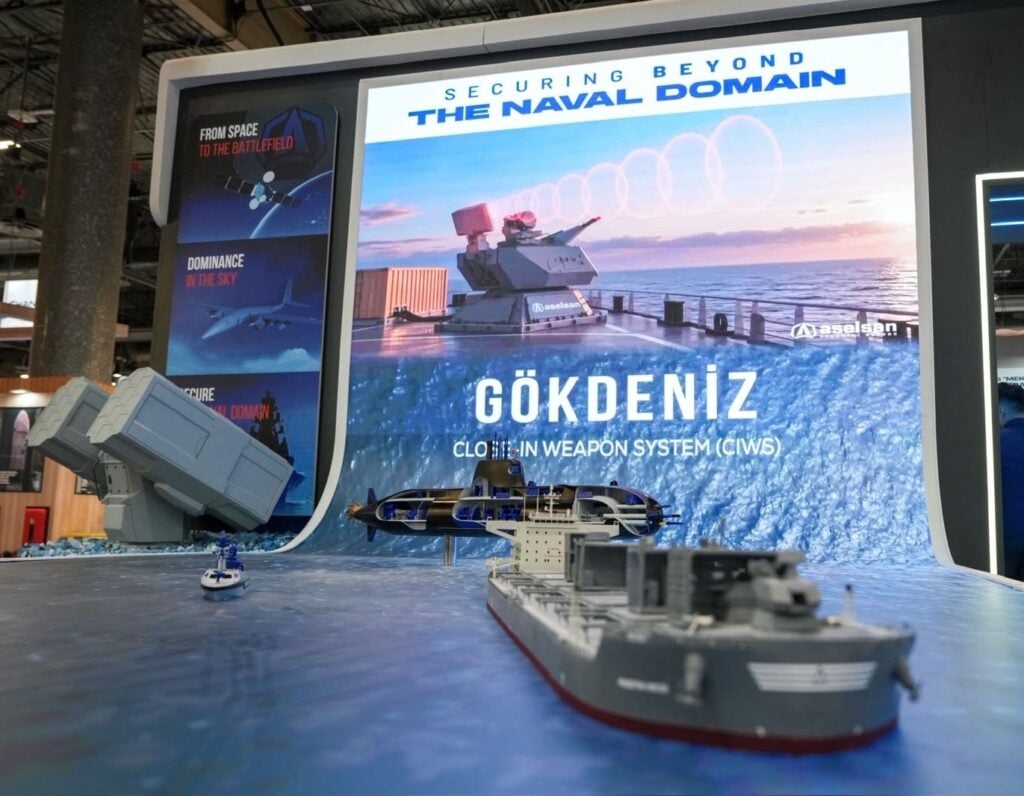
Extending this capability beyond conventional military vessels, ASELSAN has also introduced a deployable, containerized configuration of GÖKDENİZ at EURONAVAL. This configuration is designed to offer flexible deployment options and can also provide close-in defense capabilities for commercial vessels.