



UAVOS has reached a operational milestone as its proprietary APX Autopilot surpassed 100,000 flight hours across diverse unmanned platforms.
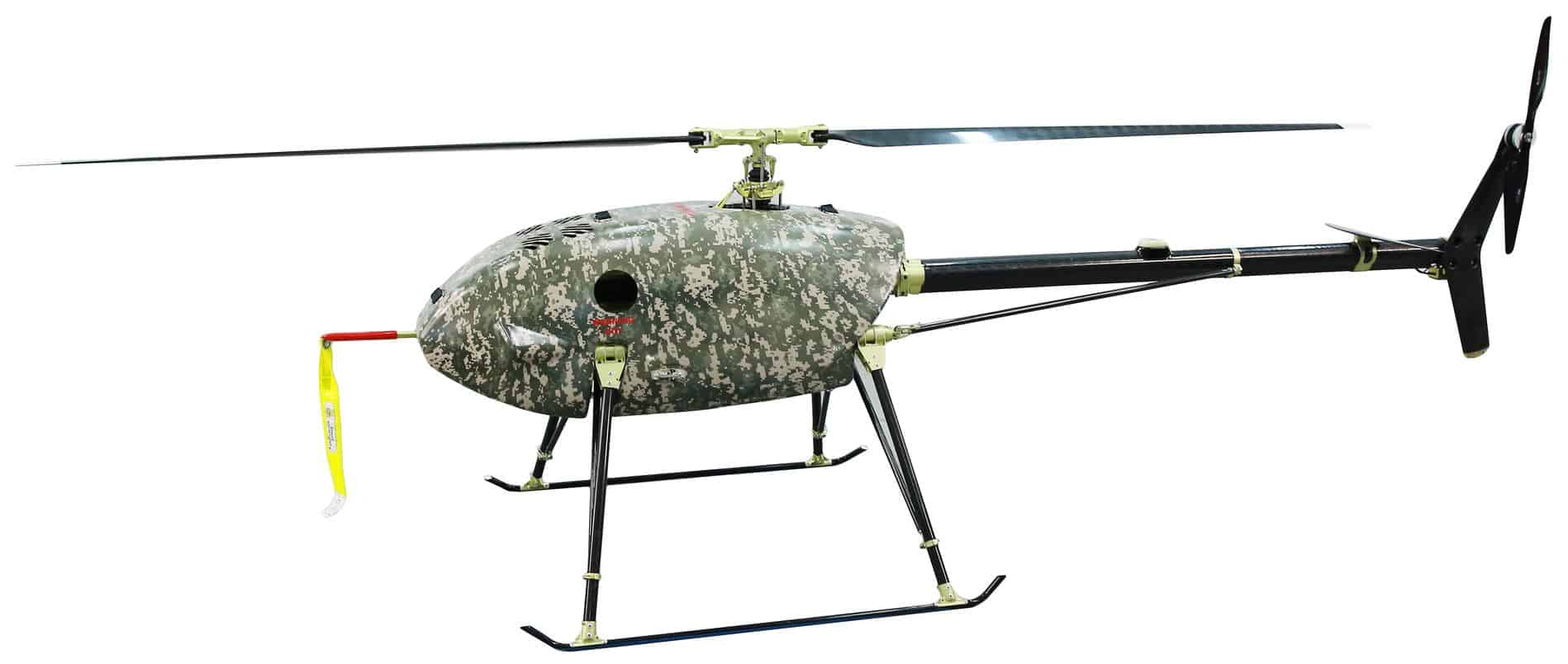
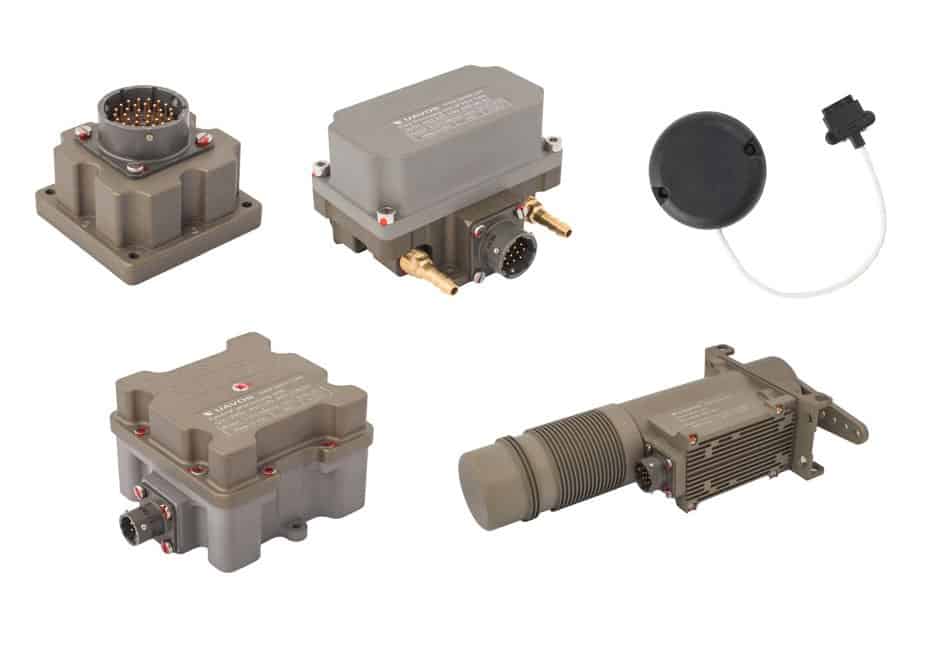
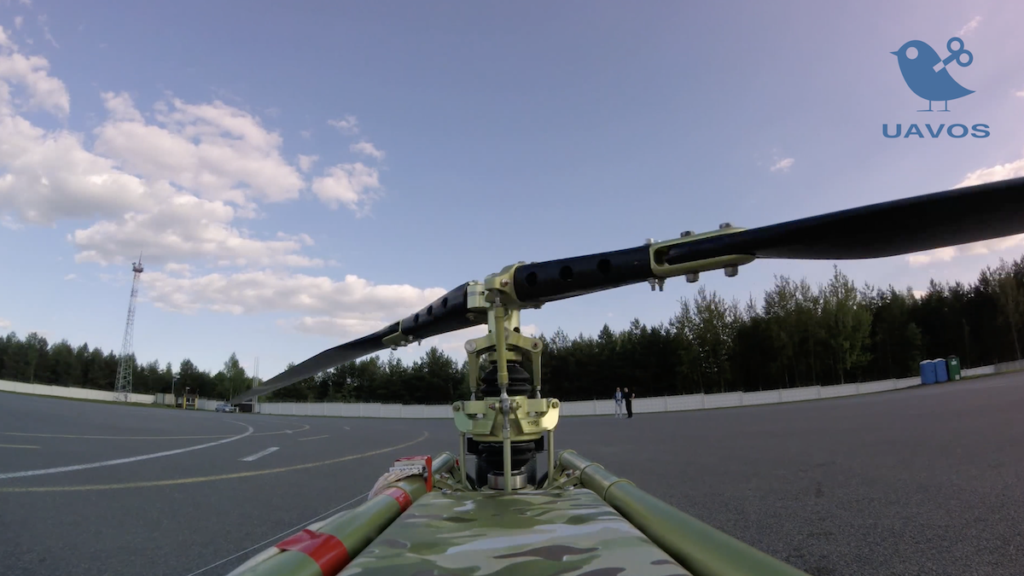
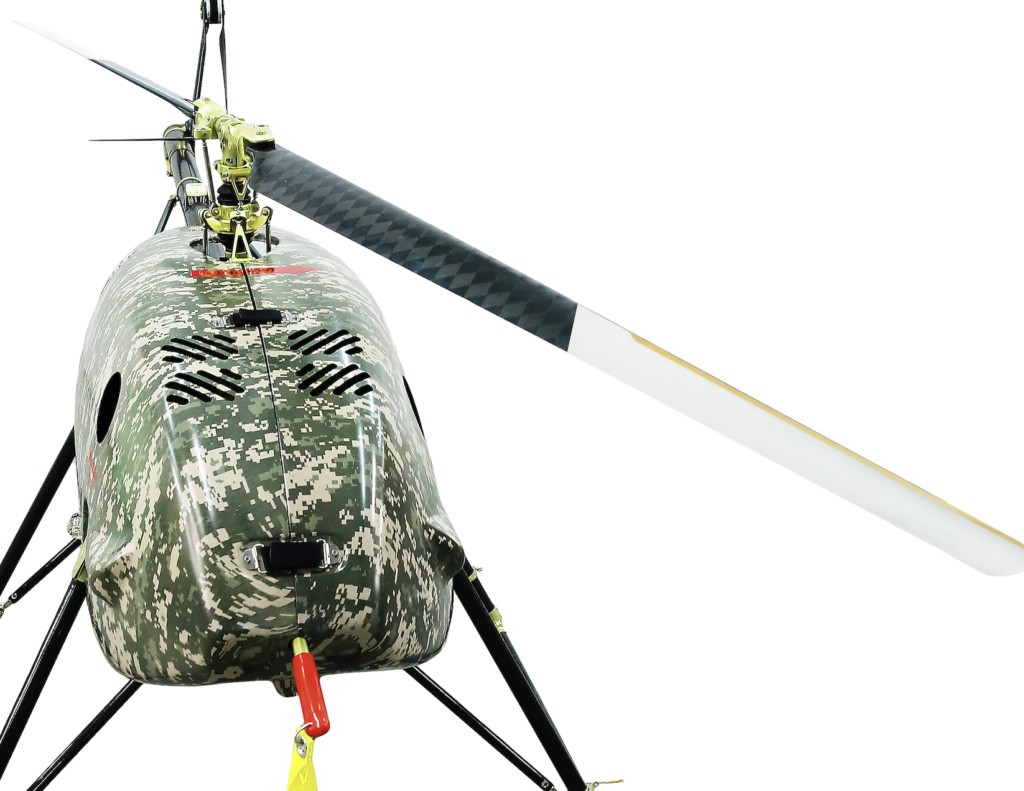
The system’s distributed architecture allows operators to rapidly integrate advanced control systems into small unmanned aerial systems, heavy-lift unmanned helicopters, and high-altitude stratospheric aircraft without replacing existing avionics ecosystems. Built with flexible software layer options and payload integration capabilities, the platform retains existing customer hardware setups while adding redundant control features.
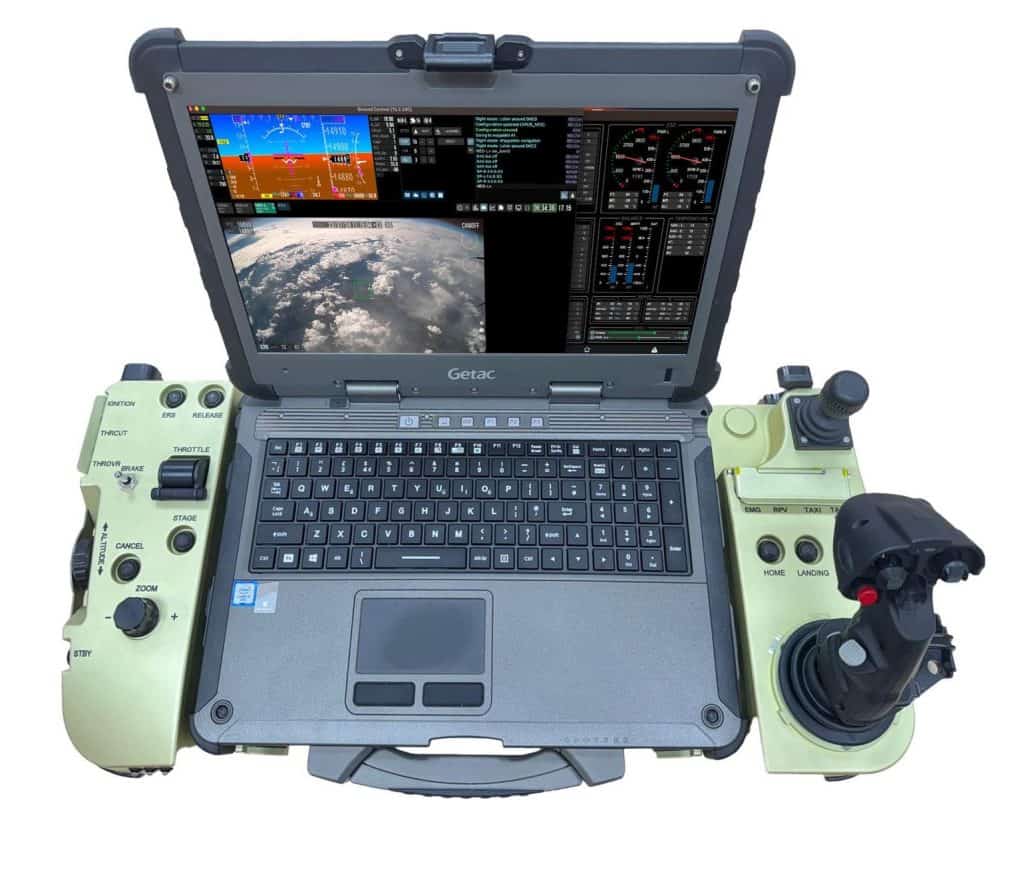
To protect system integrity, UAVOS employs proprietary firmware to maintain complete control over security protocols, software update cadences, and platform adaptation. Concurrently, the system utilizes open-source ground control software, offering operators transparency and extensibility for specific operational needs.
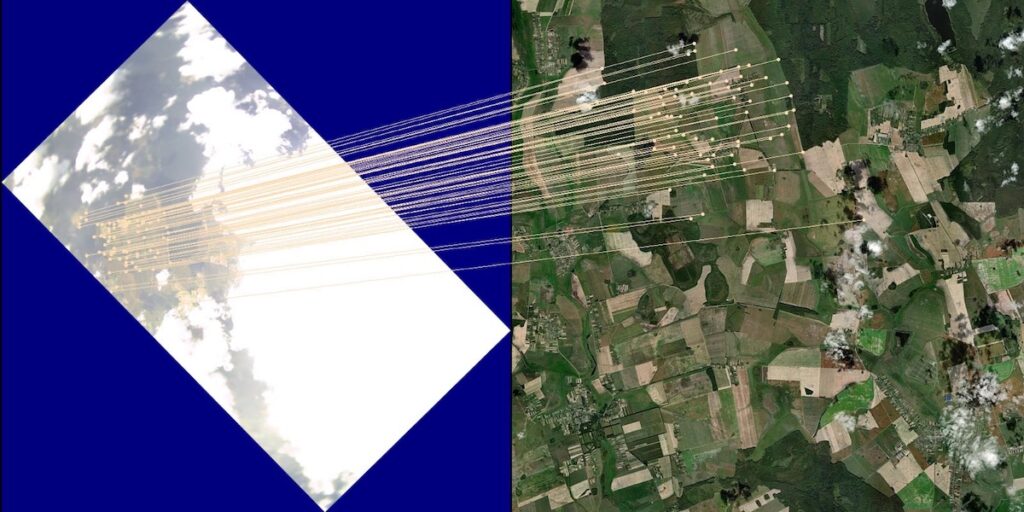
Hardware reliability is reinforced by redundant inertial measurement units, power redundancy, and onboard watchdog monitoring systems. These layers of fault tolerance maintain steady flight control during critical mission phases and enable complex functions, including autonomous takeoff and landing, engine-failure management, autorotation, and GPS-denied navigation.
Aliaksei Stratsilatau, Founder and CEO of UAVOS, said, “Reaching 100,000 flight hours is an important milestone, but the broader achievement is the operational maturity behind that number. This is the single brain UAVOS integrates across platform types – solving one of autonomy’s hardest problems: how to bring one trusted control architecture to radically different vehicles.”
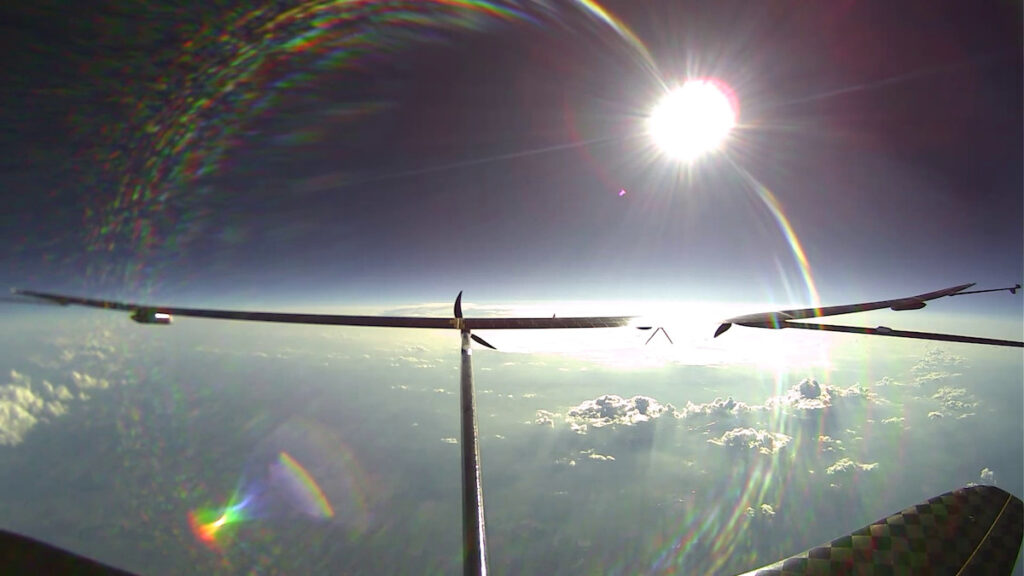
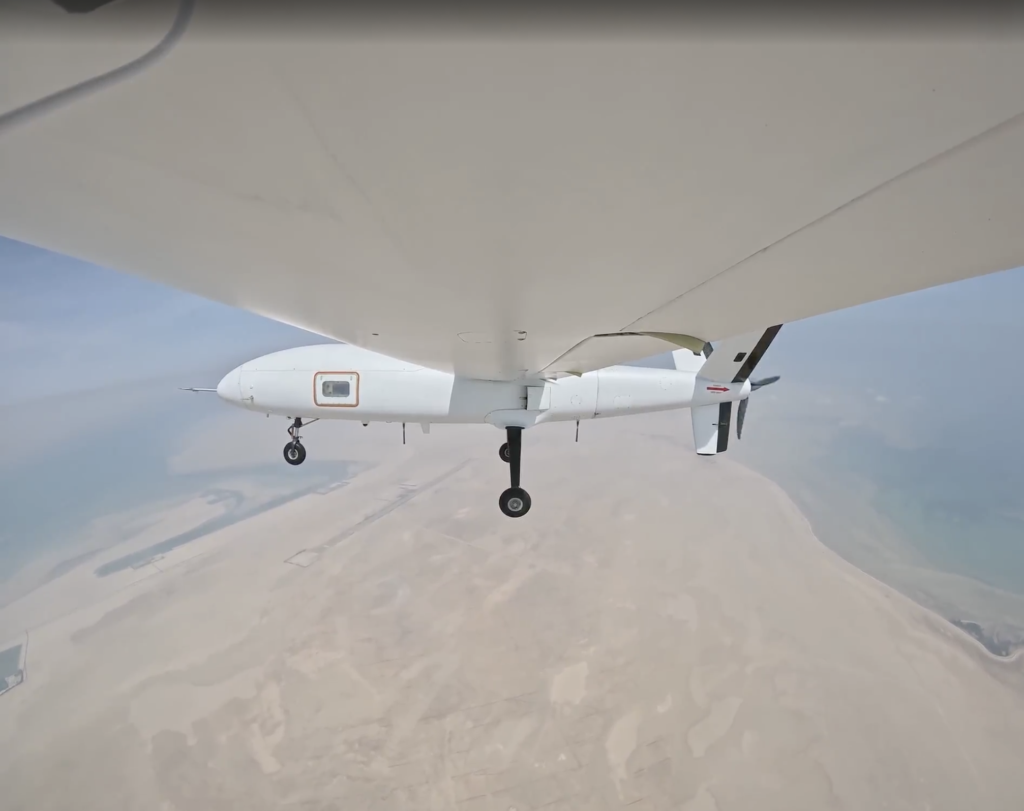
The APX Autopilot has been demonstrated in flight on the HiDRON stratospheric glider and the ApusDuo solar-powered HAPS aircraft. It has also been deployed on larger systems, such as the HAPS or S1-300 MALE platform, paired with redundant avionics and satellite communication link capabilities.