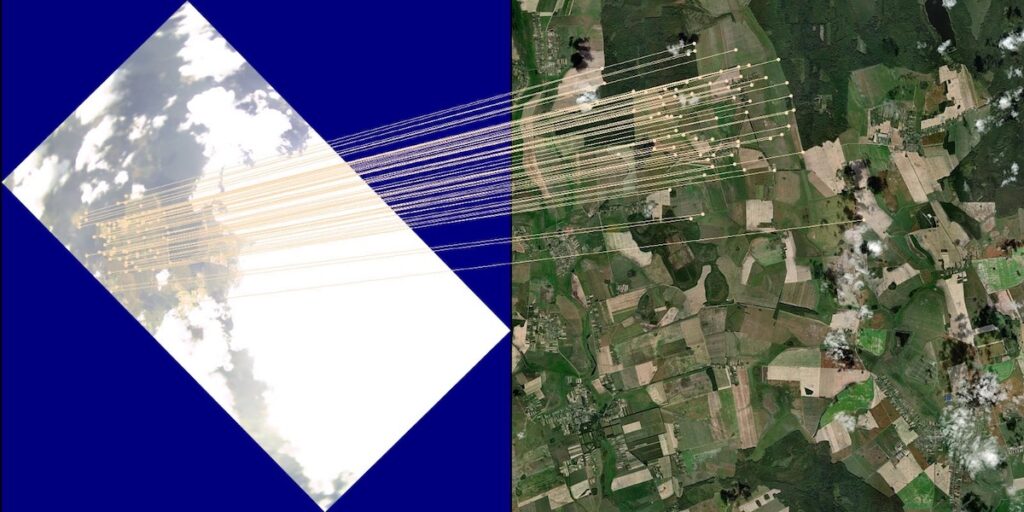
UAVOS has successfully tested a new vision-based navigation module designed to improve the resilience of Unmanned Aircraft Systems (UAS) when Global Navigation Satellite System (GNSS) signals are degraded or temporarily unavailable.
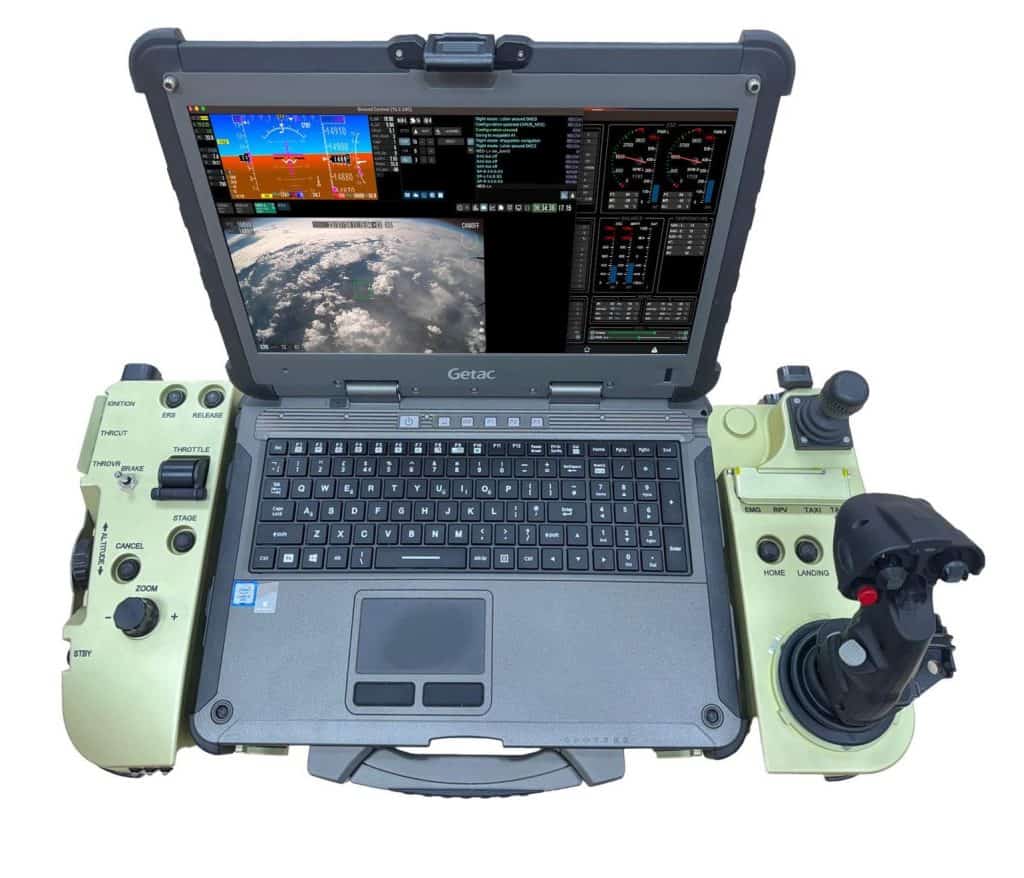
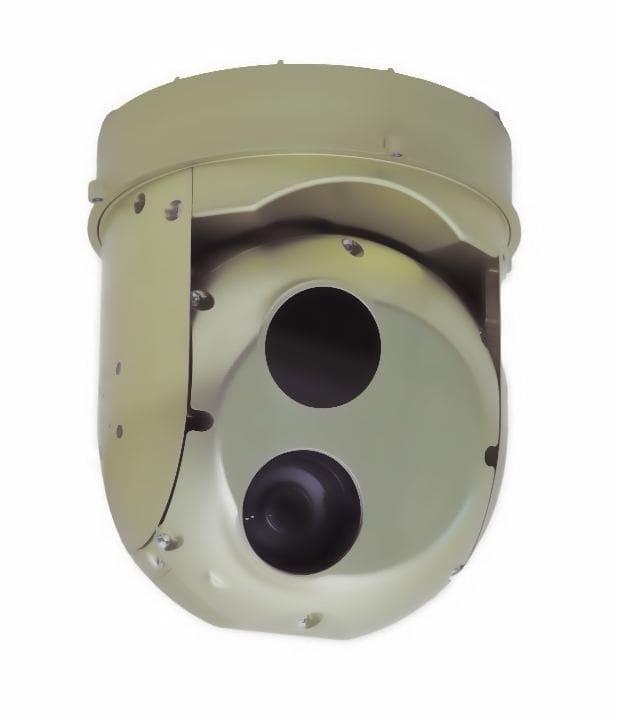
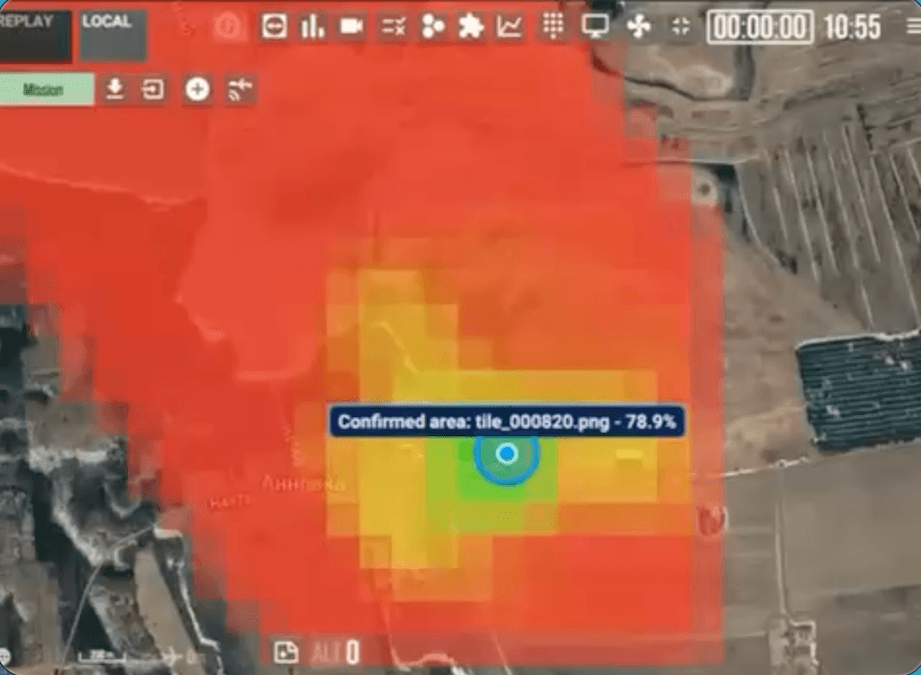
The system, known as NAVAI, uses neural networks to analyze real-time camera imagery and compare it with pre-loaded terrain maps, helping the aircraft estimate its position when satellite navigation cannot be relied upon. Built to run on embedded computing platforms and external mission computers, the technology integrates with the APS Ground Control Station (GCS), providing operators with live system diagnostics, navigation confidence information, and visualization of terrain matches.
The module incorporates dynamic motion correction, automatically compensating for aircraft pitch and roll by converting tilted camera imagery into a stable, top-down view for map matching. Artificial Intelligence (AI) algorithms also filter visual noise to help the system recognize ground features despite conditions such as cloud cover, haze, low light, or seasonal changes in the landscape.
NAVAI also features a data-verification layer that monitors image quality in real time, assigns confidence scores to image matches, and rejects unreliable data. Through a dedicated interface, operators can view a live overlay of the imagery captured by the aircraft matched directly onto the mission map, providing additional situational awareness.
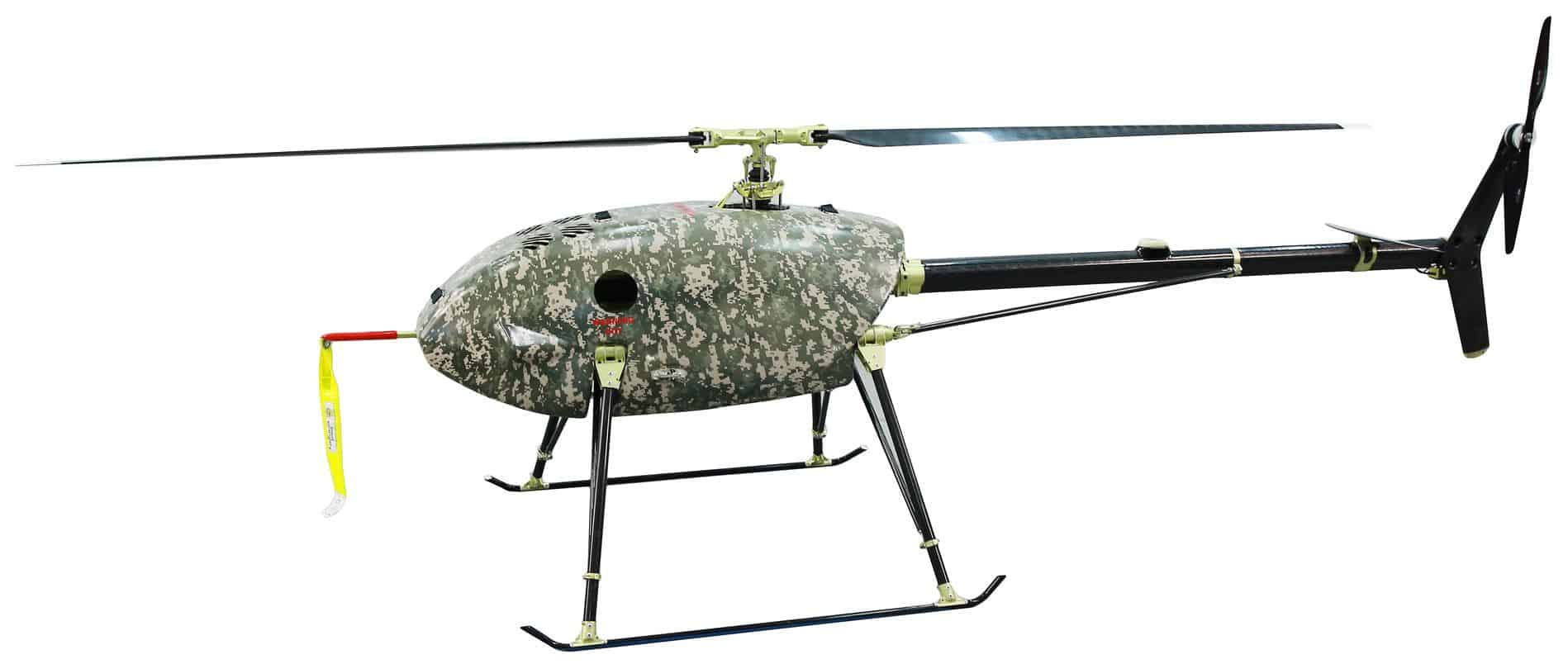
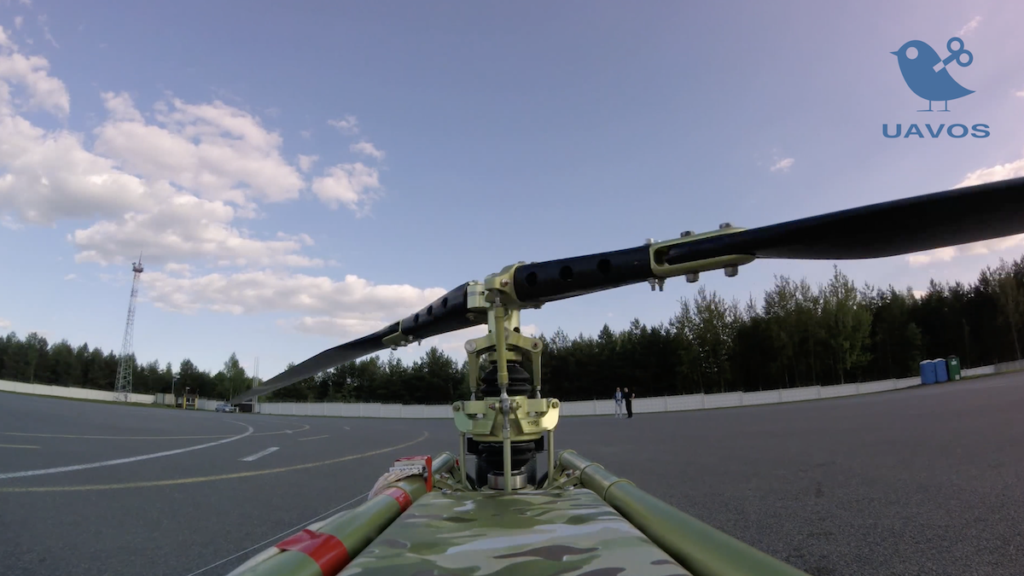
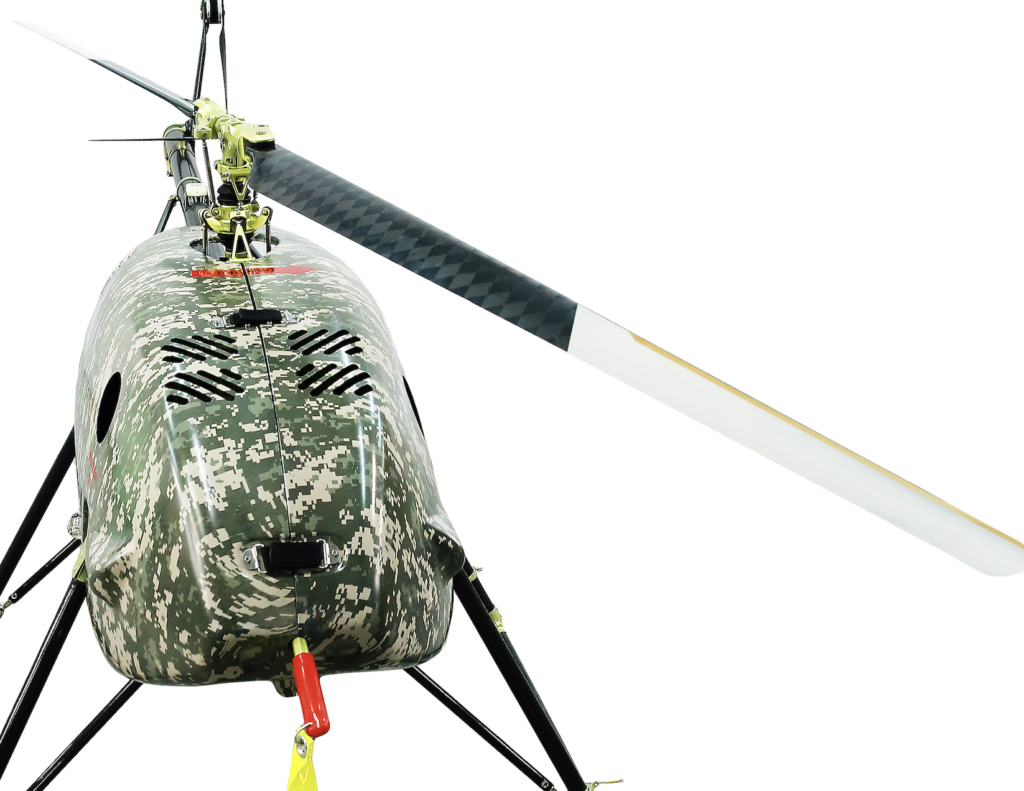
Designed as an additional navigation layer for fixed-wing Unmanned Aerial Vehicles (UAVs) and unmanned helicopters, NAVAI is intended for autonomous operations across commercial and industrial applications, as well as approved specialized programs where applicable.
Aliaksei Stratsilatau, Founder and CEO of UAVOS, stated, “Vision-based navigation is becoming a defining capability for UAS operations in GNSS-degraded environments. As operating conditions become more complex, the ability to navigate safely and autonomously without relying exclusively on satellite signals will move from a technical advantage to a mission-critical requirement.”