



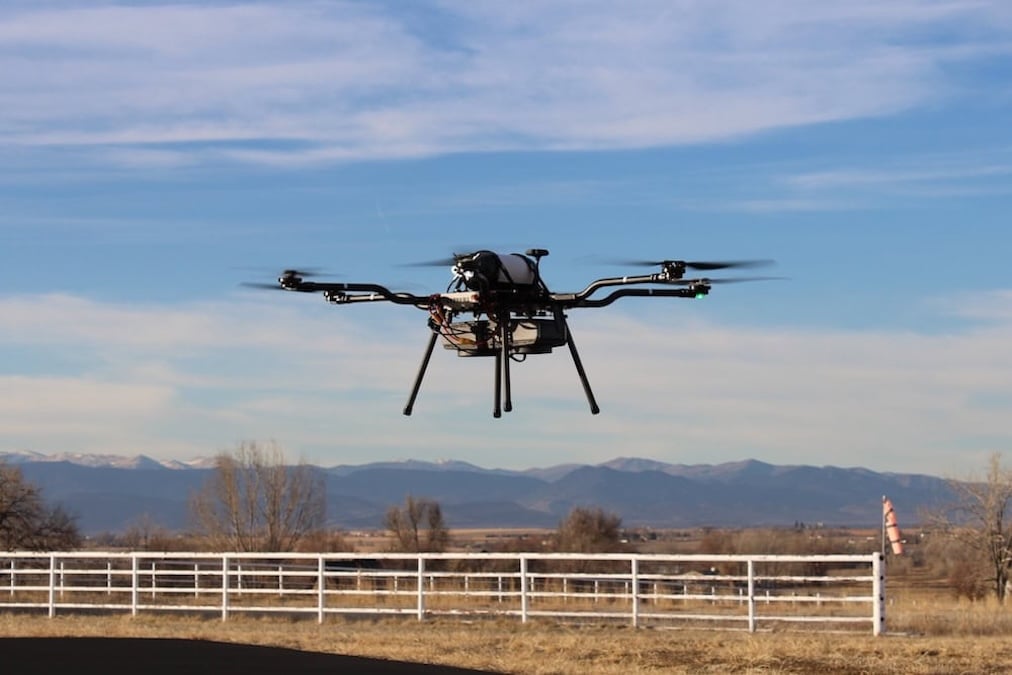
Cellen, a US manufacturer of hydrogen-powered drone solutions, has partnered with Cantronic Systems to develop a long-endurance aerial methane detection solution for oil and gas operators.
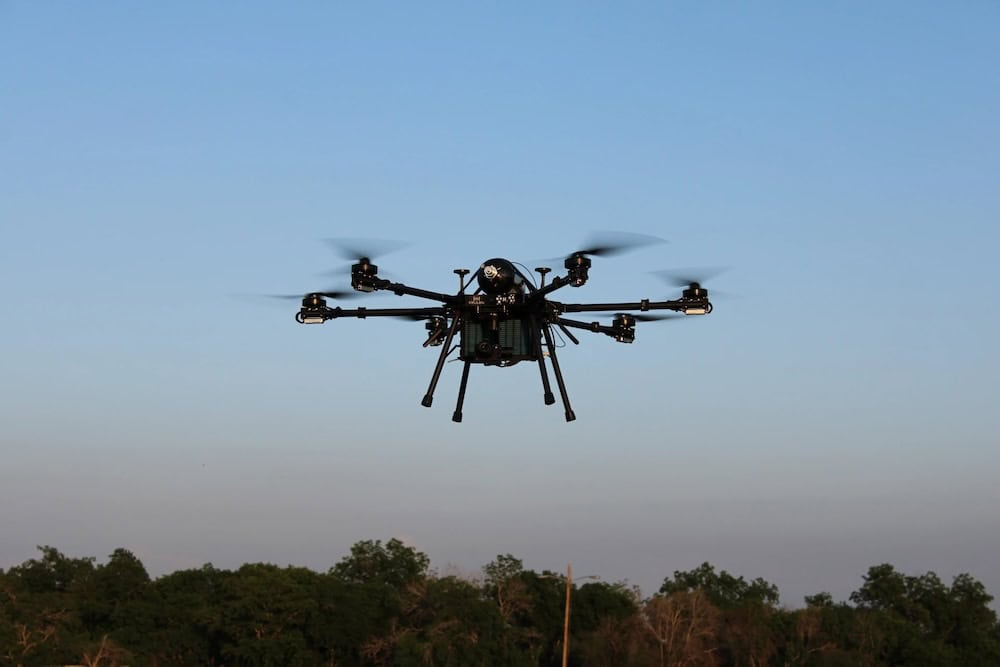
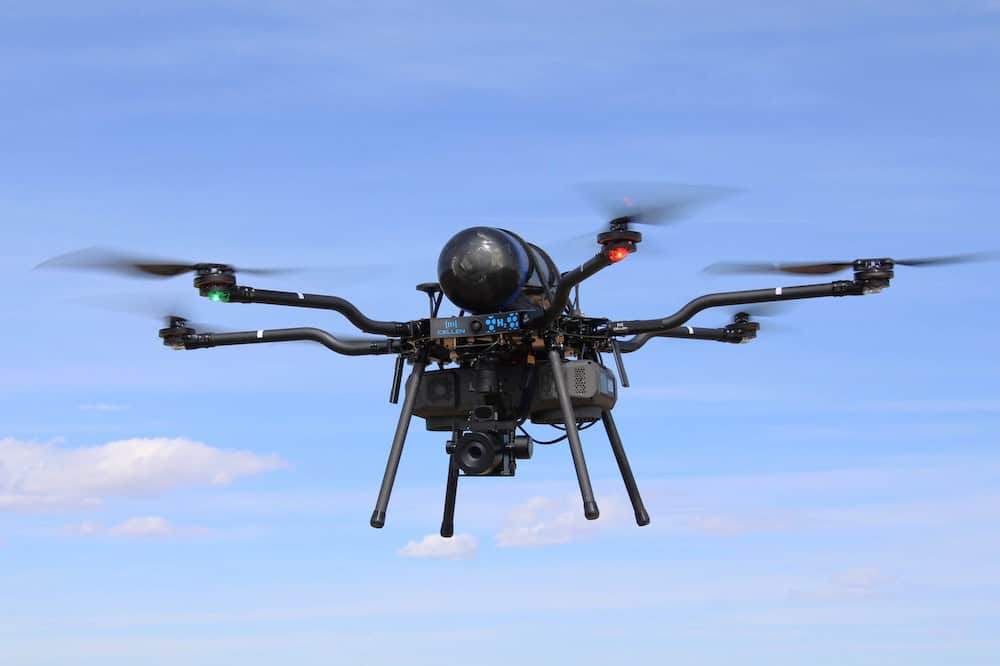
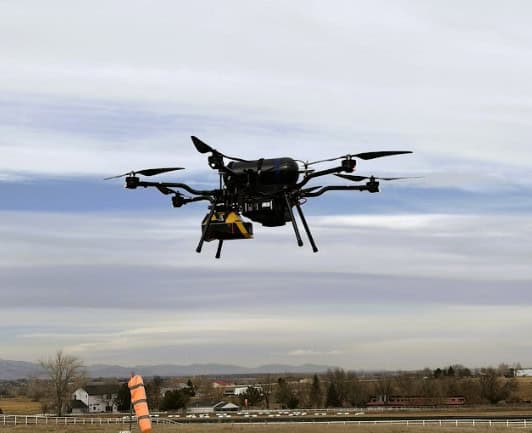
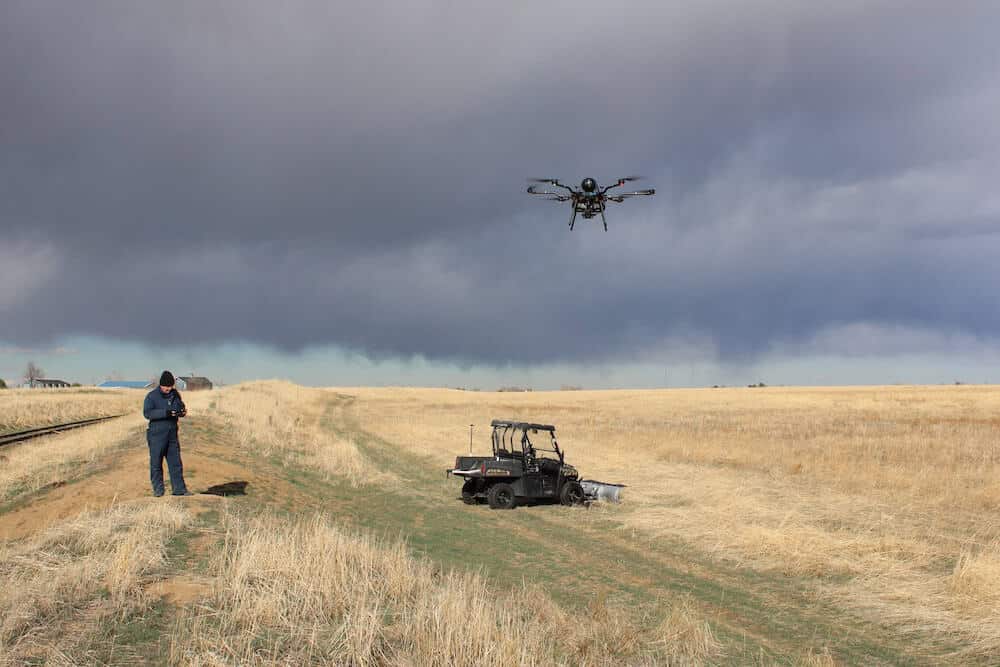
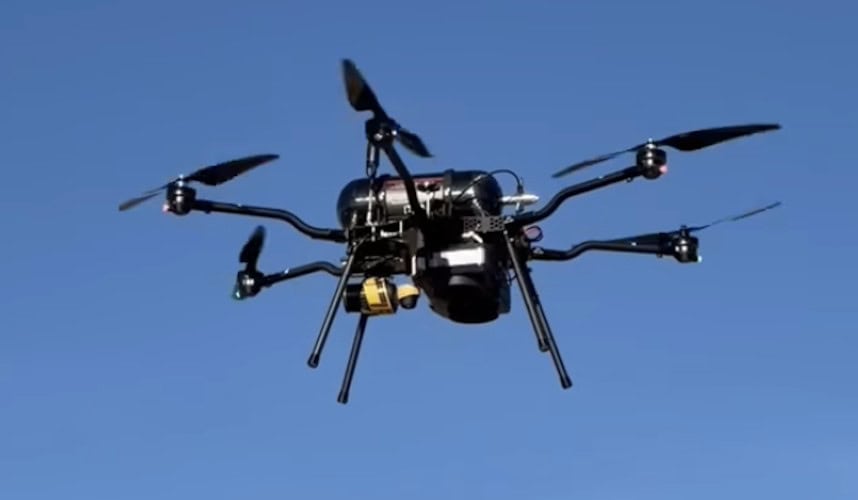
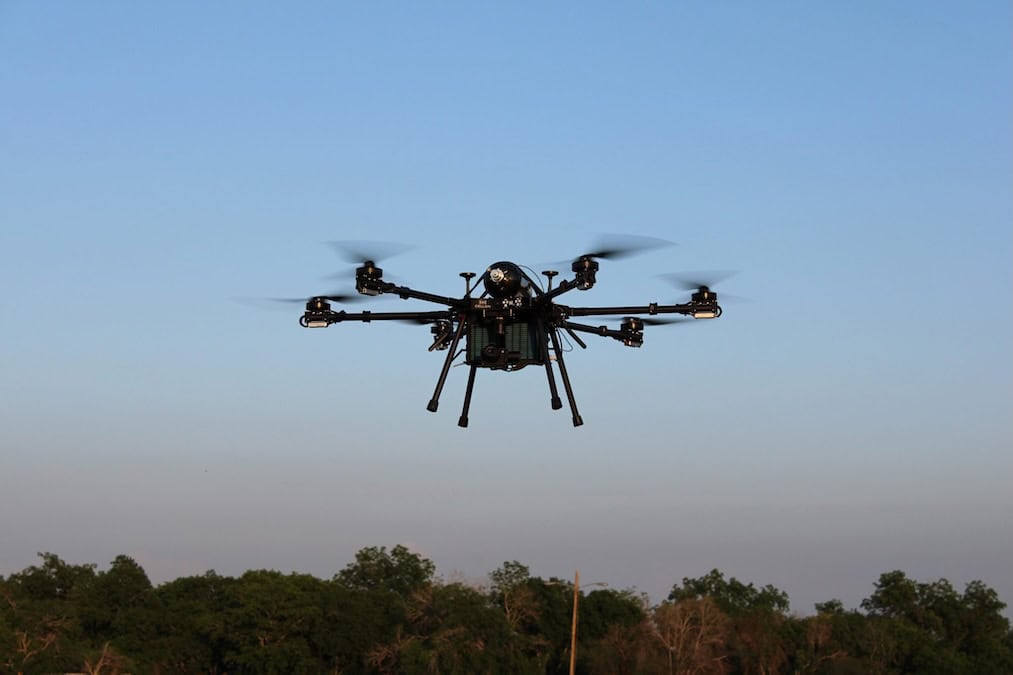
The collaboration will focus on integrating Cantronic’s REDEAGLE U340 Optical Gas Imaging (OGI) payload with Cellen’s H2-6 hydrogen-powered multirotor Unmanned Aircraft System (UAS), targeting extended surveys of pipelines, well pads and large facilities.
The proposed integration aims to enable single-flight coverage of long pipeline corridors and large facility areas, reducing the need for repeated landings and battery changes compared with the platforms currently carrying the U340. The sensor can identify leak locations and estimate leak rates, with the partnership aiming to provide defensible, site-level methane detection data beyond a simple pass/fail indication.
Roberto Yelin, CEO of Cellen, commented, “Our customers inspect pipelines, well pads and large facilities where flight time is the limiting factor. Bringing the Cantronic REDEAGLE U340 onto the Cellen H2-6 will mean an operator can fly optical gas imaging surveys for up to 1.5 hours on a single hydrogen quick change cylinder, covering ground that would take multiple battery swaps on the platforms the U340 currently flies on. That is the combination our oil and gas customers have been asking for: a proven OGI sensor on a long-endurance, NDAA-compliant aircraft.”
Hydrogen-Powered H2-6 UAS Capabilities
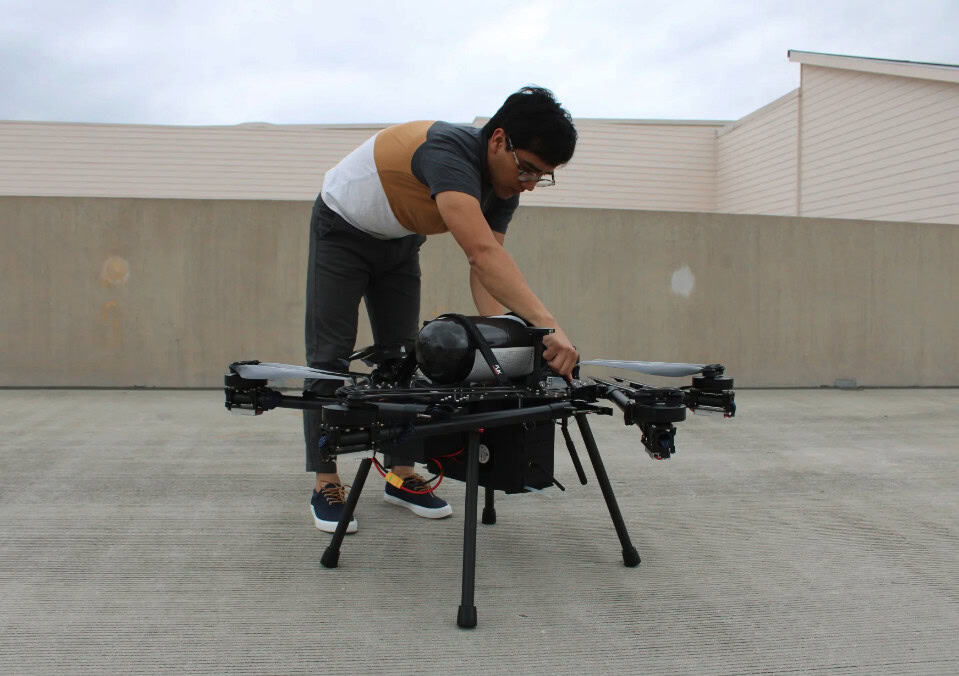
Designed and manufactured in the United States, Cellen’s H2-6 is a fully electric, hydrogen-powered multirotor UAS developed for commercial applications requiring extended flight endurance and flexible payload integration. The NDAA-compliant aircraft also meets FAA Remote ID requirements and is designed for approximately 90 minutes of flight endurance, roughly three times that of a comparable battery-powered platform.
The H2-6 uses an onboard hydrogen fuel cell to generate electricity, producing water vapour as its only by-product. Easily replaceable hydrogen cylinders enable refuelling, while flight endurance varies according to payload weight, reaching up to 140 minutes with a 2 lb payload, 120 minutes with 6 lb and 60 minutes with 10 lb.
Cellen’s H2-6 supports a range of imaging and sensing payloads, including OGI sensors, EO/IR systems, high-resolution cameras and LiDAR equipment. Beyond methane detection, the aircraft can be used for pipeline, power line and railway inspections, aerial mapping and photogrammetry, as well as wind turbine and solar farm inspections.
Methane Monitoring & Reporting
The partnership comes amid developments in methane monitoring and reporting. Guidance issued by the Texas Commission on Environmental Quality (TCEQ) in 2026 has simplified the transition from Method 21 leak detection to OGI-based programs. Many operators also have voluntary commitments under frameworks such as OGMP 2.0, which call for measurement-based, site-level methane reporting rather than estimates.
Ethan Moore, Director of Operations at Cantronic Systems Inc., added, “Cantronic has spent over a decade developing optical gas imaging cameras for industrial and airborne applications. The REDEAGLE U340 has established itself as the OGI camera of choice for drone service providers working in oil and gas. Until now, those operators have flown it on platforms that limit sortie length and, increasingly, raise supply chain compliance questions for their customers. The Cellen H2-6 solves both. Longer flights mean fewer landings and more endurance to detect any leaks, and a domestic, NDAA-compliant airframe removes a barrier that federal and regulated operators face when selecting a drone provider.”