HNO International and Cellen have signed a Memorandum of Understanding (MOU) to launch a pilot program for a dedicated hydrogen tank delivery and return system.
The partnership aims to simplify the supply chain for Cellen, a US-based manufacturer of long-endurance hydrogen-powered drones. Under the new agreement, HNO International will utilize its production facilities to provide a direct delivery and replacement service for hydrogen tanks filled to 350 bar. This decentralized approach is designed to circumvent the complex, multi-faceted sourcing and delivery systems currently utilized in the industry.
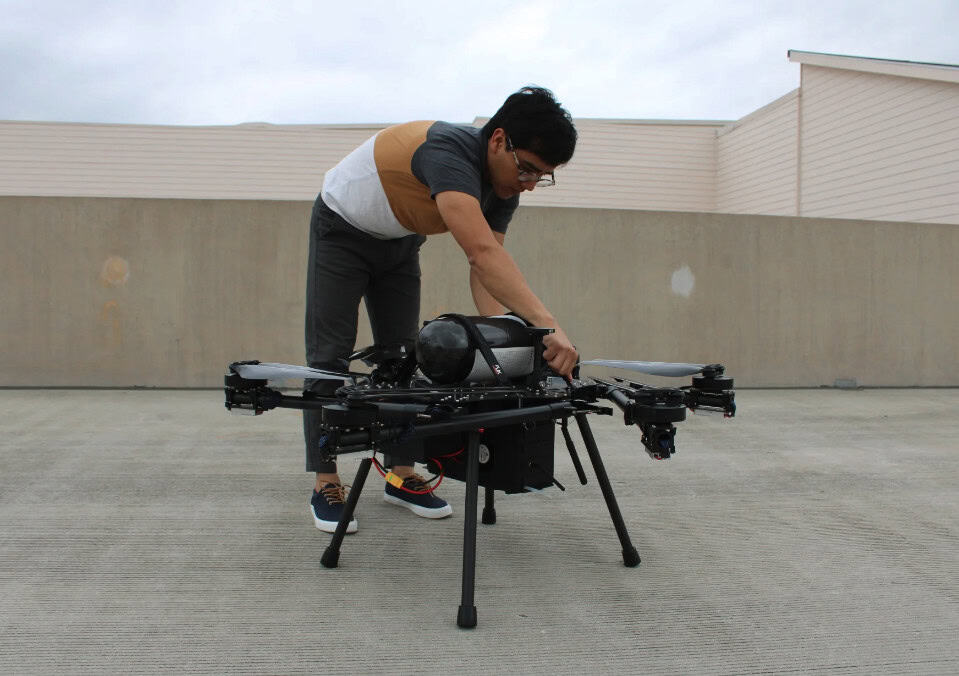
The hydrogen for the program will be produced at an HNO International partner facility located in Katy, Texas. From there, the fuel will be delivered to Cellen’s primary Colorado facility, with additional deliveries to their Texas site as required. The program is built on a closed-loop reuse model, ensuring that tanks are returned and refilled efficiently. This pilot phase is intended to serve as a foundation for scaling the distribution system to support higher volumes and a broader geographic reach in the future.
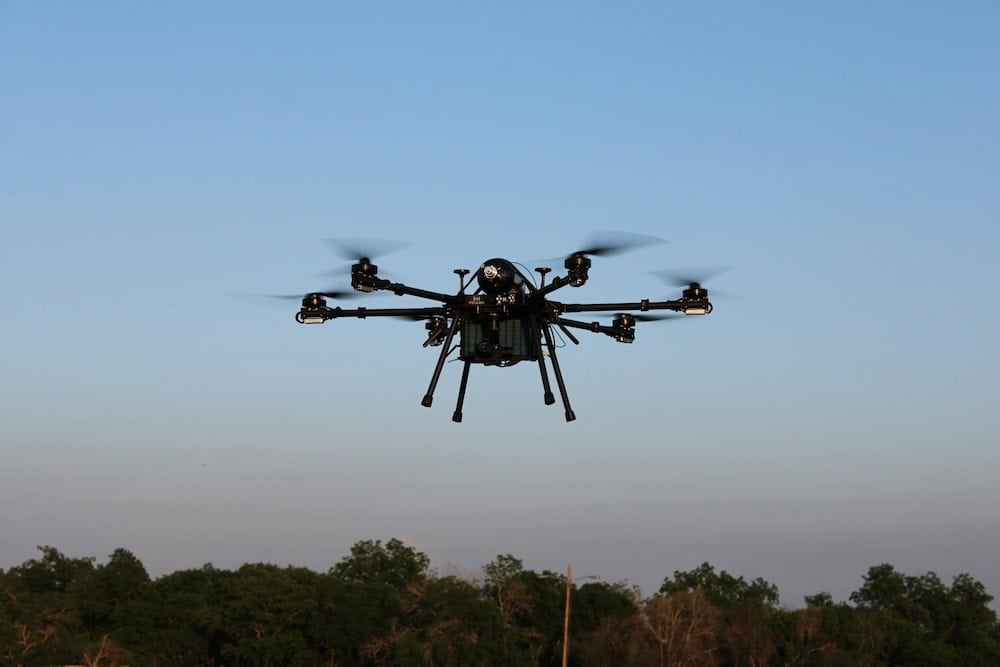
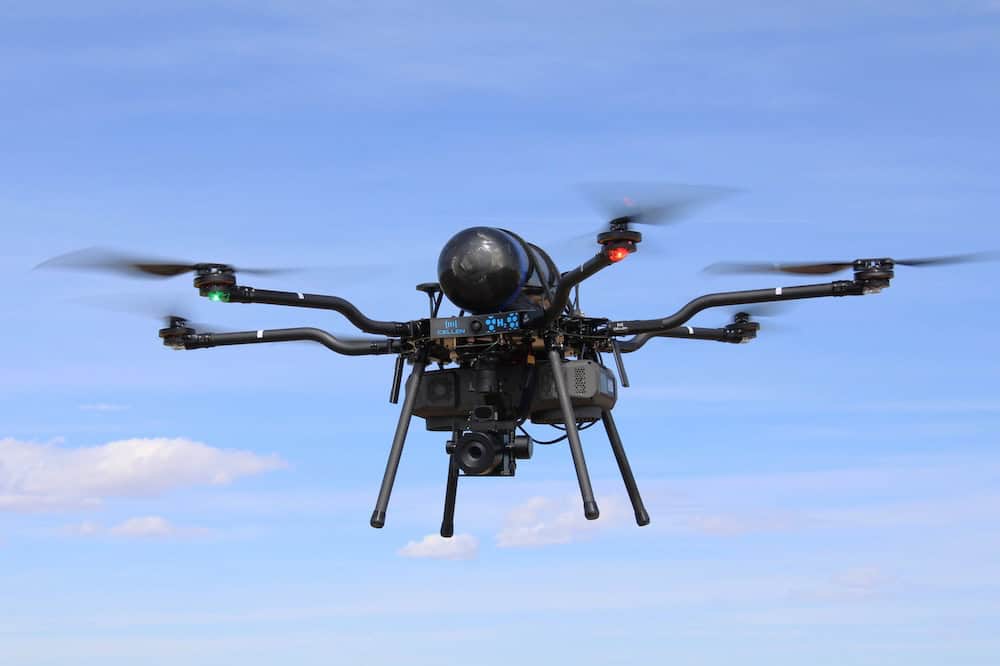
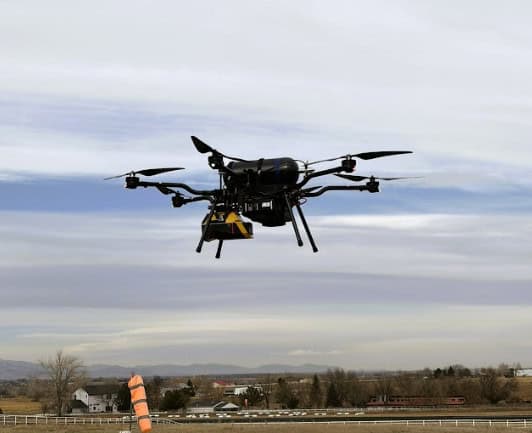
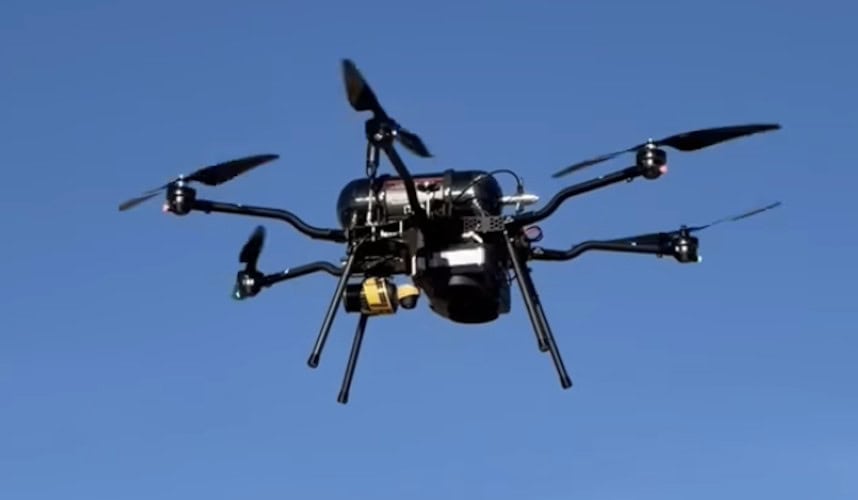
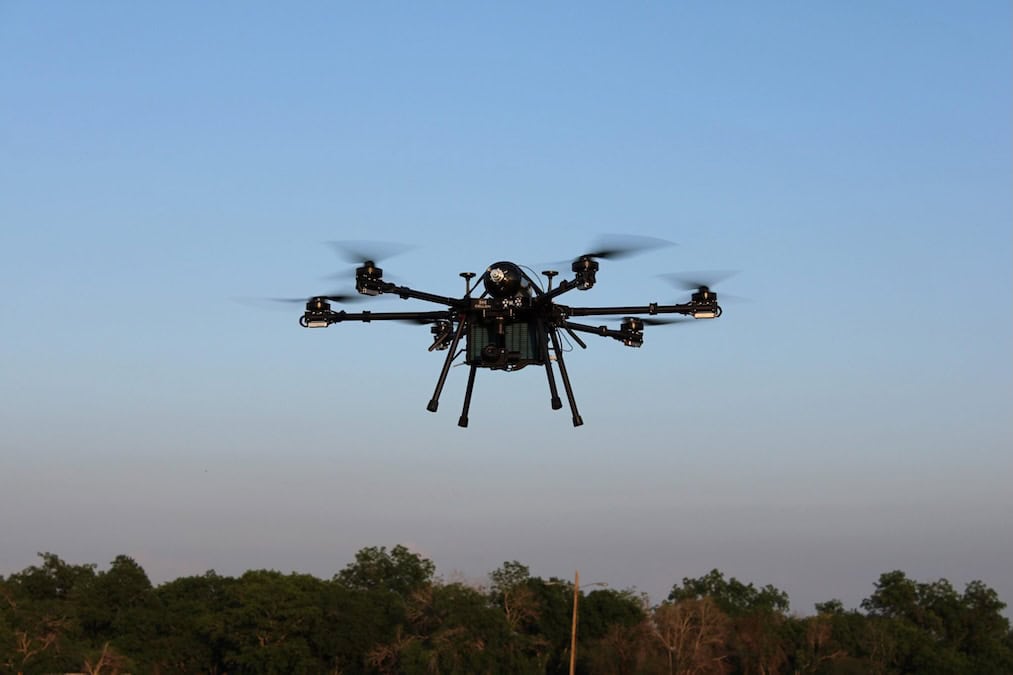
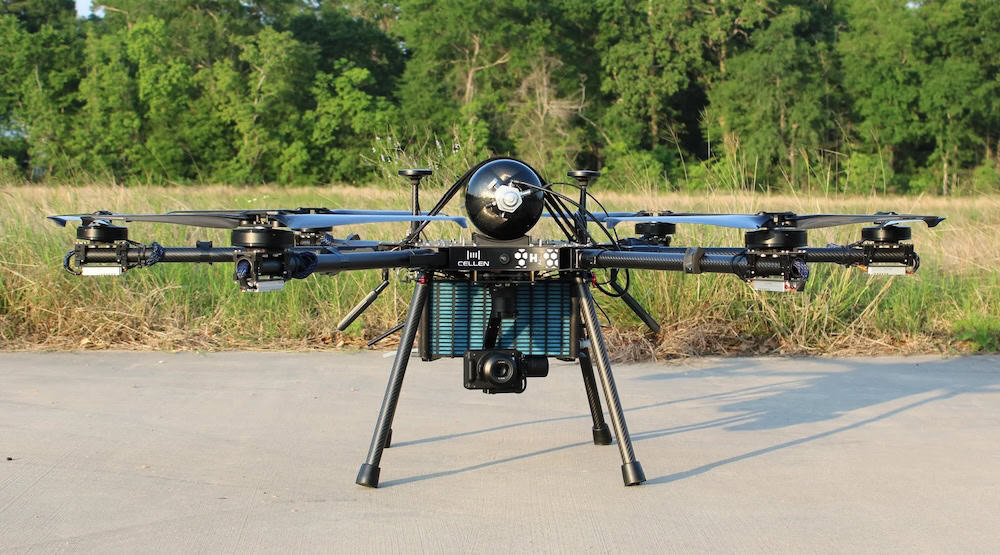
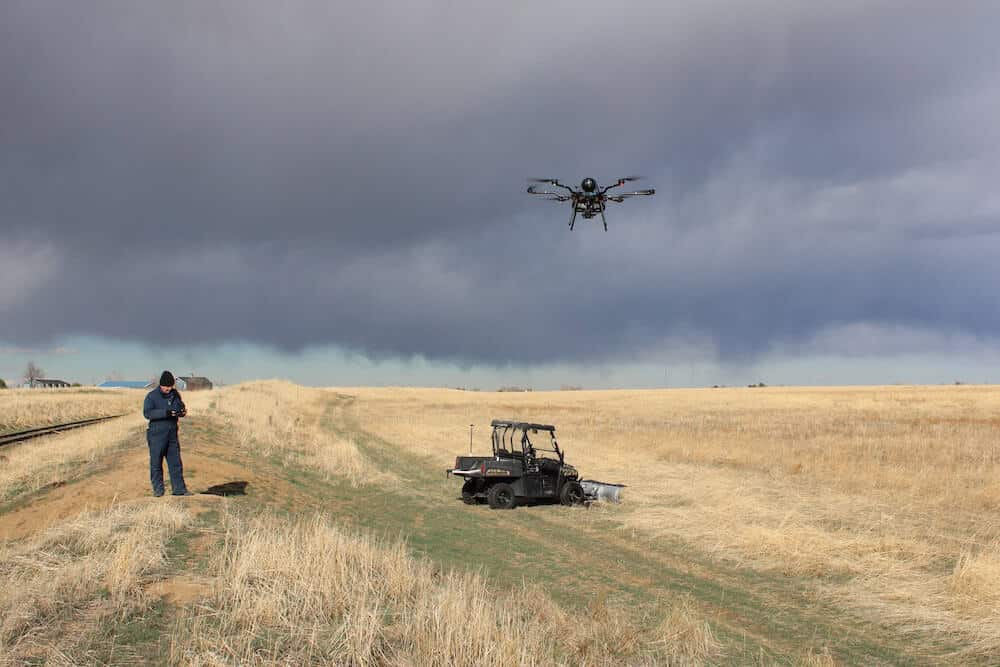
Cellen specializes in hydrogen-powered drones designed for industries such as energy, oil and gas, telecommunications, and surveying. By utilizing hydrogen, these aircraft can achieve flight times of up to 150 minutes and carry 10-pound payloads, allowing for advanced data collection. The technology offers zero emissions and features swappable cylinders that facilitate rapid refueling and continuous operations, reducing the efficiency losses often associated with traditional drone systems.
Don Owens, CEO of HNO International, Inc., stated, “Demand for hydrogen fuel is growing rapidly, our MOU with Cellen is indicative of the exploding demand for longer drone flights. Our team is excited to work with Cellen on this pilot program, providing for a new, consistent, sales pipeline for our hydrogen.
As a leader in decentralized energy solutions, HNO International’s involvement in this pilot highlights the growing infrastructure necessary to support the transition to hydrogen-based aerial operations.