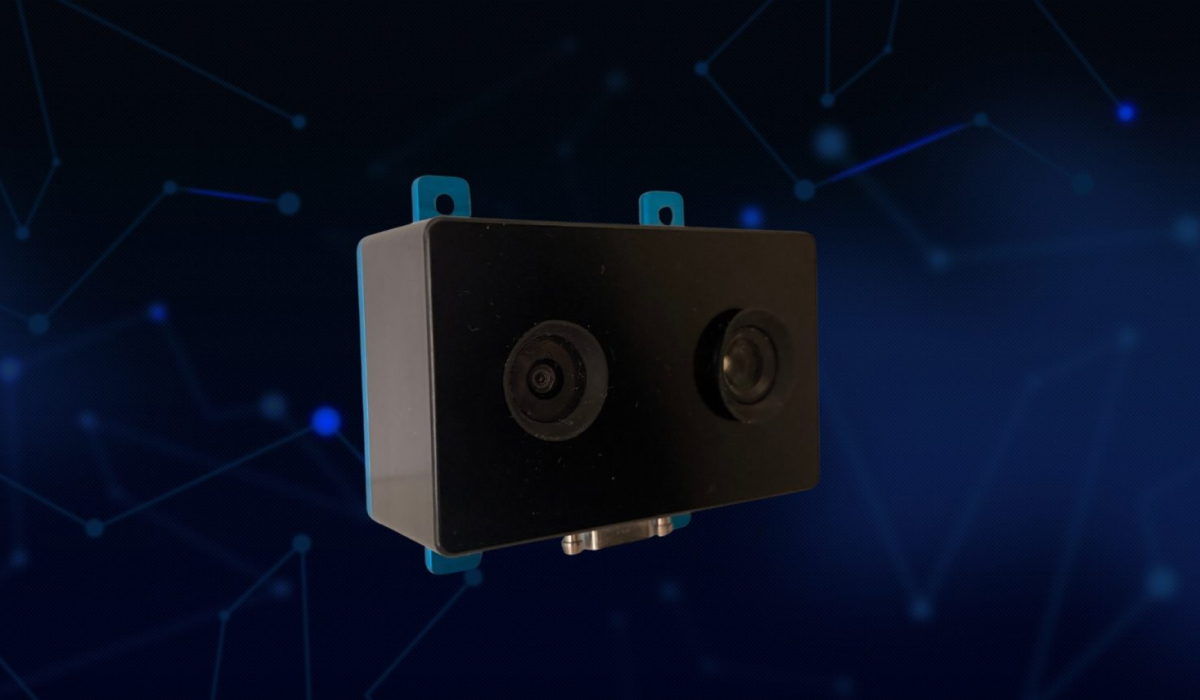


Stelion Systems develops advanced celestial navigation sensors for UAVs and autonomous platforms, delivering resilient positioning and heading capabilities in GNSS-denied and degraded environments.
Unmanned Systems Technology (UST) is pleased to announce the addition of Stelion Systems to our global supplier ecosystem. Their new Silver supplier profile showcases a range of advanced celestial navigation sensors designed to provide reliable positioning, heading and orientation information for UAVs, uncrewed vessels and autonomous ground platforms.
Drawing on proven sun sensor and star tracker technology developed for space missions, Stelion Systems utilizes optical observations of the Sun and stars to provide independent navigation references. By combining precision optical sensing, inertial measurements and advanced processing, the company’s technology complements existing GNSS and inertial navigation systems, helping maintain operational resilience against satellite signal interference, jamming and spoofing.
Key products in the STELION navigation range include:
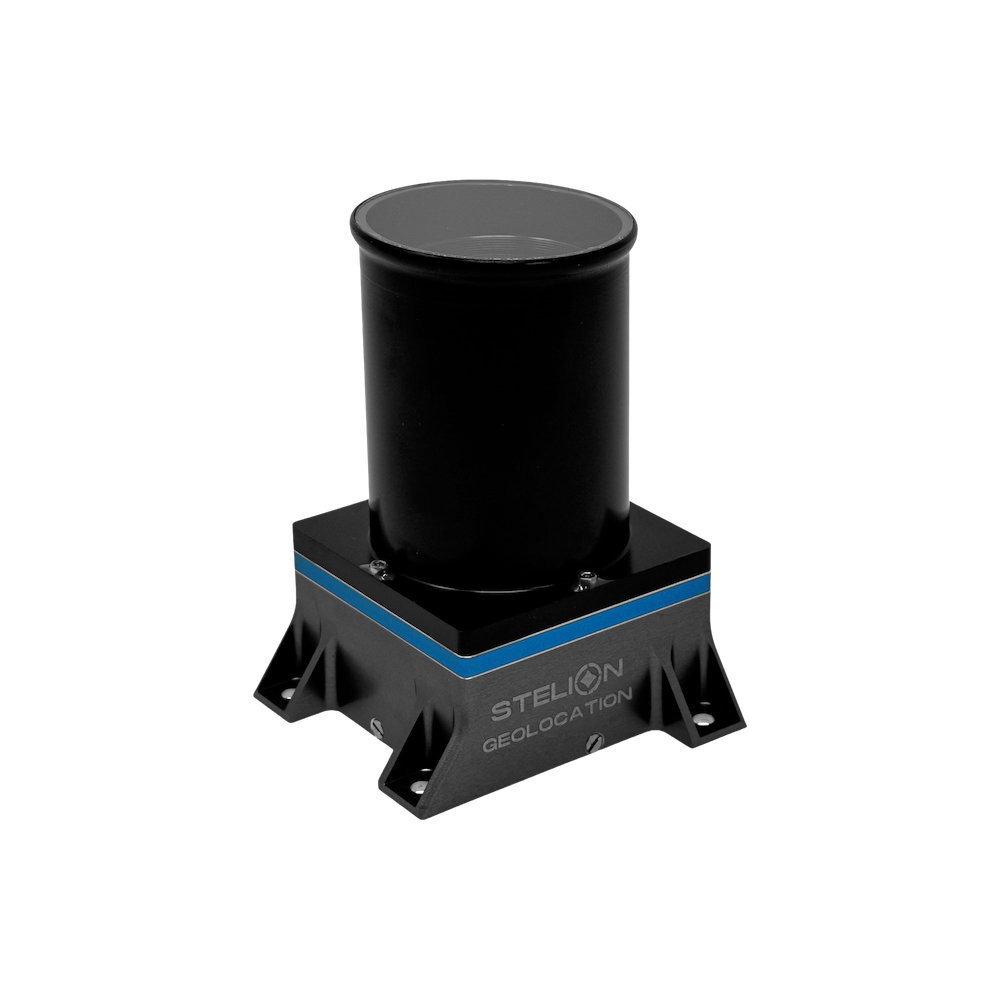
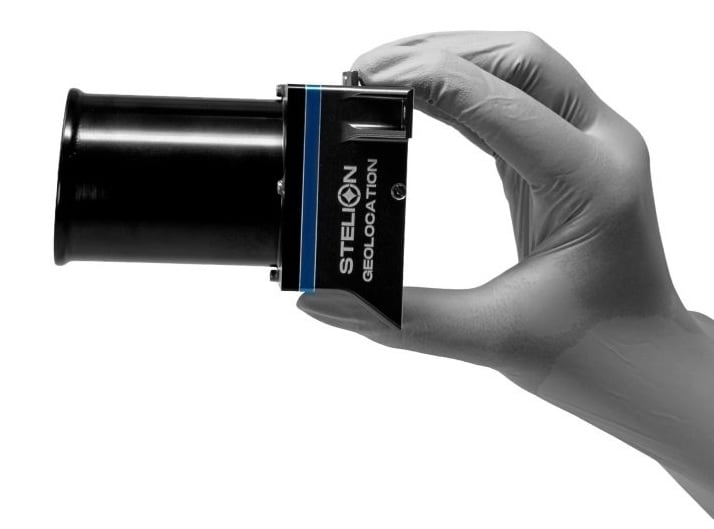
STELION Geolocation (STELION-SGS): A compact nighttime optical sensor delivering autonomous geolocation and orientation, with positioning accuracy of less than 500 m depending on the INS. Weighing under 360 g, it provides an independent positioning input for GNSS-denied operations.
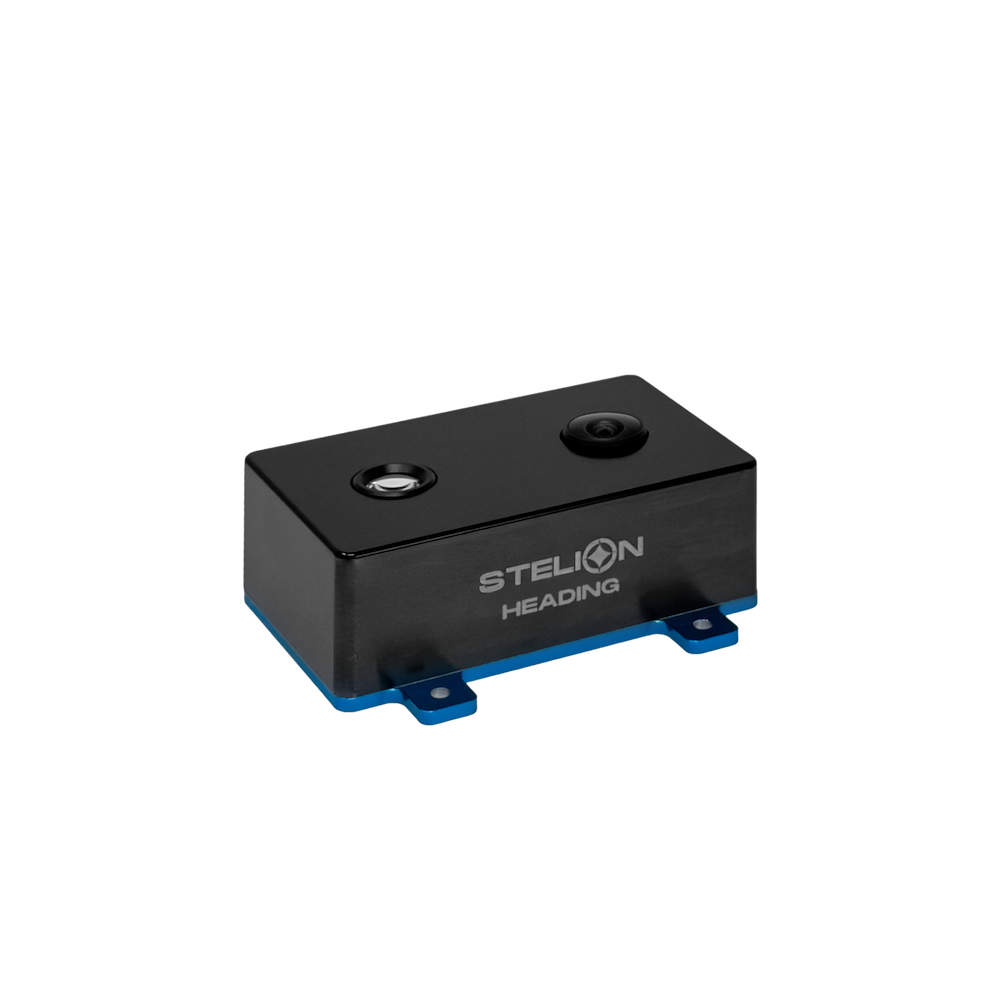
STELION Heading (STELION-SHS): A high-precision optical heading and orientation sensor operating during both day and night, delivering yaw accuracy down to 0.1° without relying on magnetic references. Its lightweight design and low power consumption make it ideal for SWaP-constrained unmanned platforms.
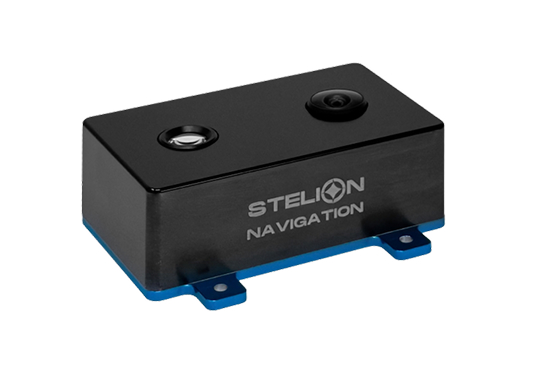
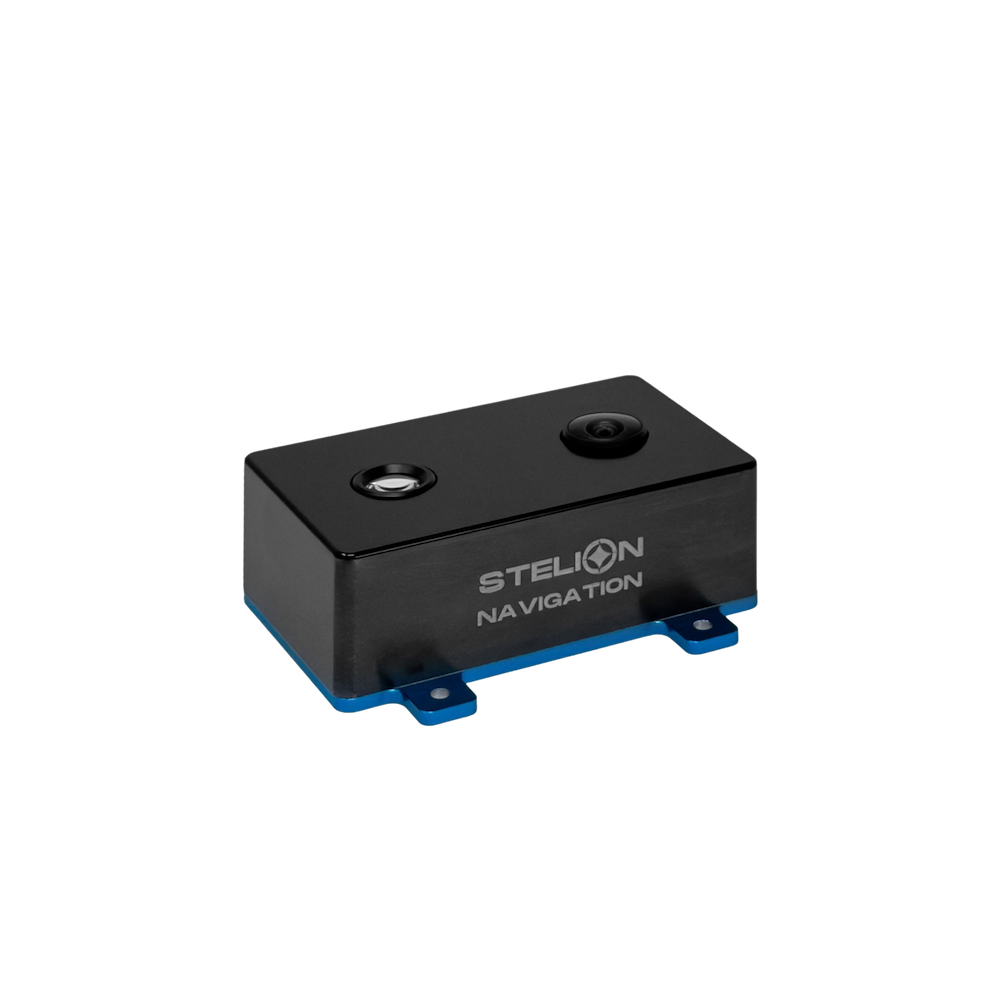
STELION Navigation (STELION-SNS): An integrated celestial navigation sensor combining heading, geolocation and orientation capabilities for day and night operations. Featuring 0.1° heading accuracy and a compact plug-and-play architecture, it provides complementary navigation data for autonomous vehicles.
Designed for seamless integration into existing vehicle architectures, Stelion’s passive optical sensors provide an additional layer of navigation resilience without emitting RF signals. Suitable for UAVs, uncrewed surface vessels and autonomous ground vehicles, the technology enables OEMs and system integrators to reduce dependence on satellite-based navigation while supporting mission continuity in remote and electromagnetically contested environments.
To learn more about Stelion Systems’ celestial navigation sensors for unmanned platforms, visit their full supplier profile on Unmanned Systems Technology.