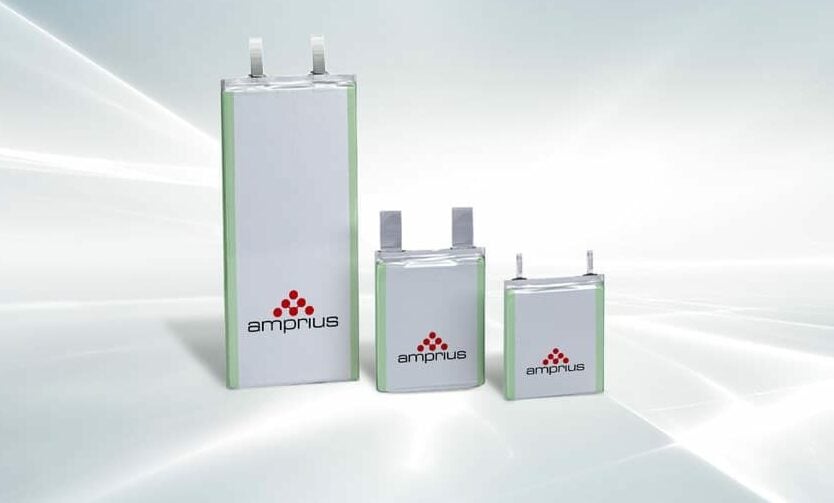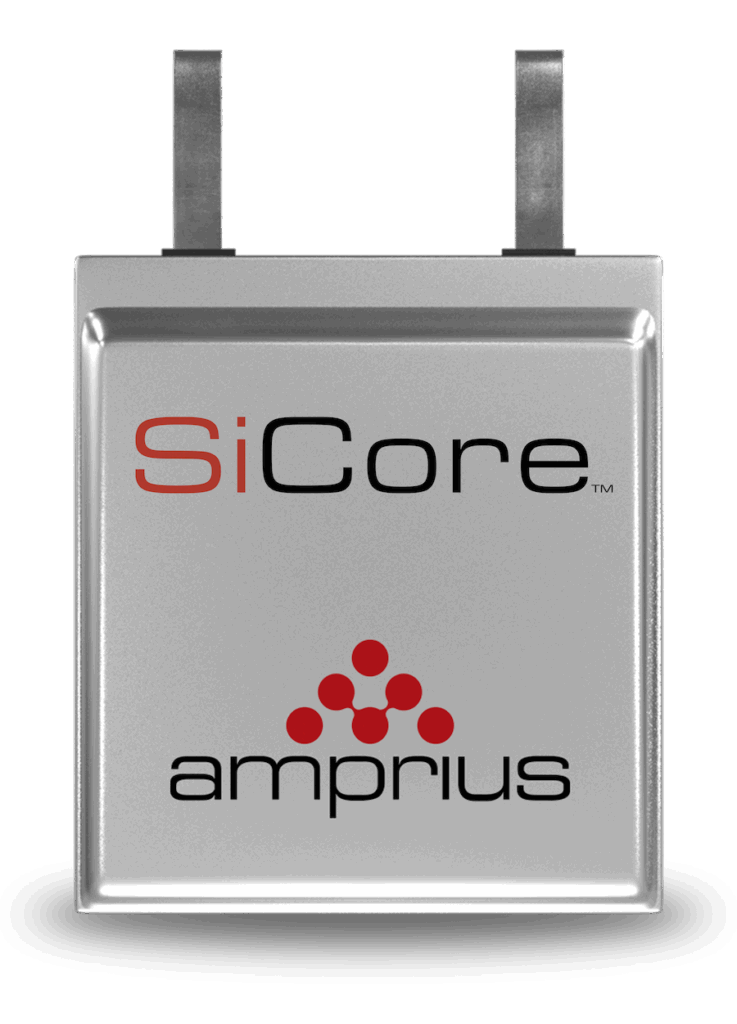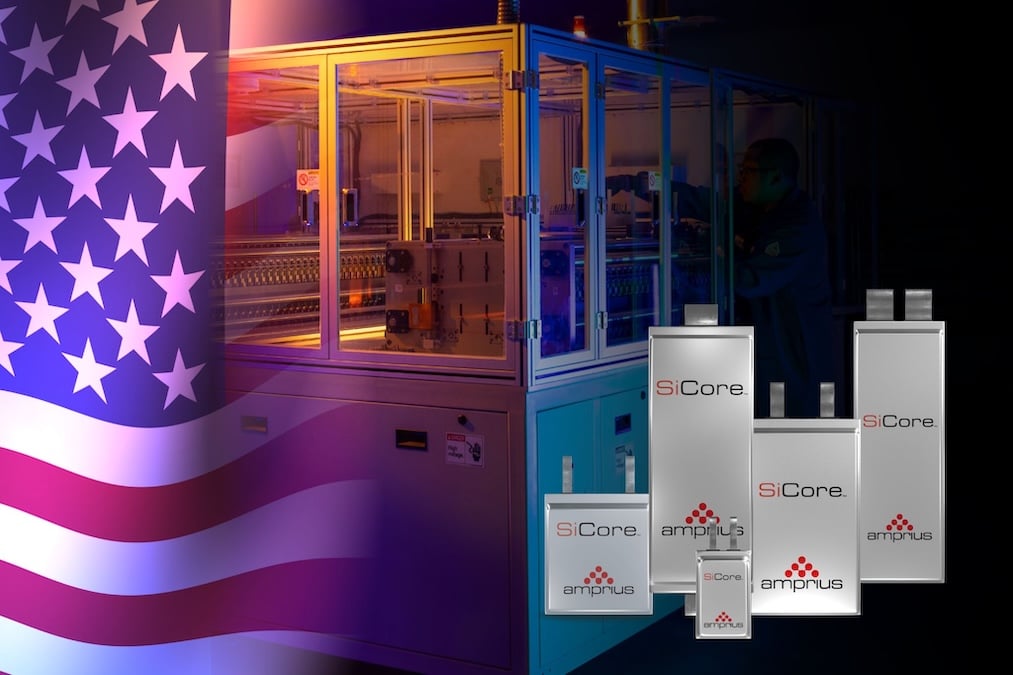
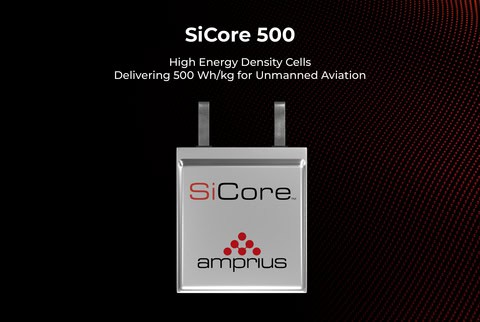
Amprius Technologies has announced a new SiCore battery cell designed to deliver an energy density of 500 Wh/kg for long-endurance aviation applications.
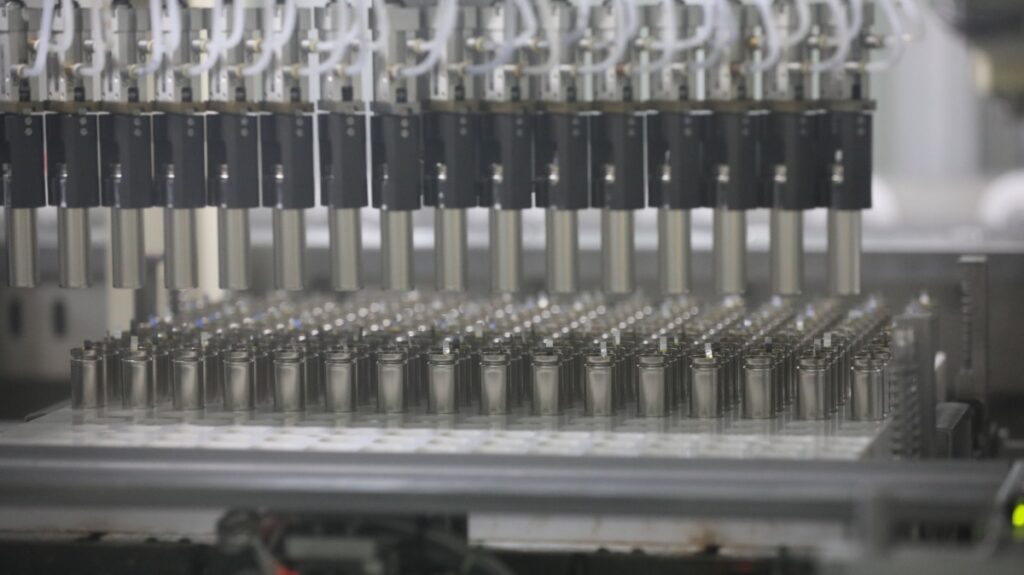
The second-generation SiCore platform achieves a 500 Wh/kg specific energy at a 1C continuous discharge rate using conventional lithium-ion battery manufacturing equipment and cell formats. While high-energy-density cells previously required specialized materials handling and non-standard construction processes, the new platform is designed to be produced across existing installed equipment in the company’s global contract manufacturing network. This approach allows customers to move from qualification to volume production without requiring specialized tooling, supporting an asset-light manufacturing model.
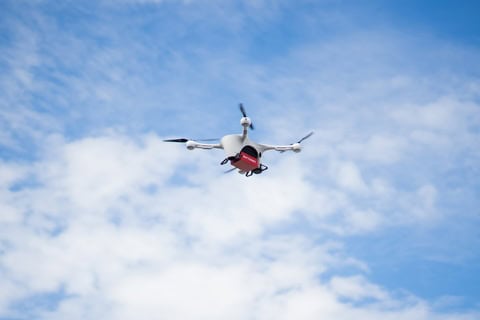
Optimized for sustained, low-rate discharge profiles, the technology targets fixed-wing drones, lighter-than-air platforms, and High-Altitude Platform Stations (HAPS). In stratospheric flight, stored energy and battery weight dictate operational feasibility, as fixed-wing aircraft store daytime solar energy to fly overnight while lighter-than-air systems require energy for propulsion and station keeping. Higher specific energy allows operators to extend flight duration, increase operating range, and carry larger payloads without increasing overall weight.
Amprius has supplied battery cells for AALTO HAPS since 2018 across multiple generations of its Zephyr platform, including a flight in 2025 that reported setting a 67-day world endurance record. AALTO, an Airbus subsidiary, develops 100% solar-electric HAPS for connectivity and earth observation.
Pierre-Antoine Aubourg, COO at AALTO HAPS, said, “Energy density is fundamental to Zephyr’s endurance. Our longstanding relationship with Amprius has focused on advancing the energy storage required for persistent stratospheric flight. Continued gains in specific energy can meaningfully extend flight duration and expand mission capability.”
Dr. Ionel Stefan, CTO of Amprius Technologies, added, “Reaching 500 Wh/kg is a significant technical milestone, but how we reached it matters as much as the number. By achieving that performance level on conventional manufacturing equipment, our aviation customers can qualify this cell knowing that we have designed a cost-effective, scalable path to volume behind it.”
Though Amprius previously reached and exceeded the 500 Wh/kg threshold in past developments, those earlier cells relied on specialized processes and were not produced at commercial volumes. The updated SiCore platform represents the company’s first commercially scalable platform to achieve this performance benchmark on standard manufacturing infrastructure.