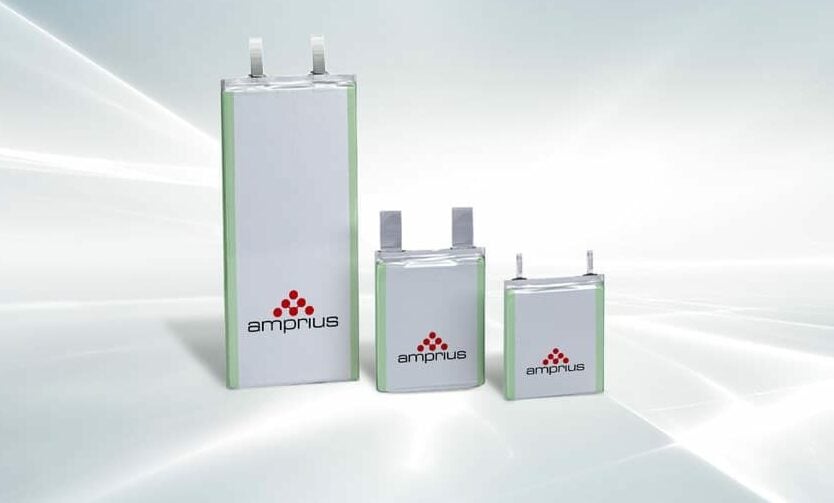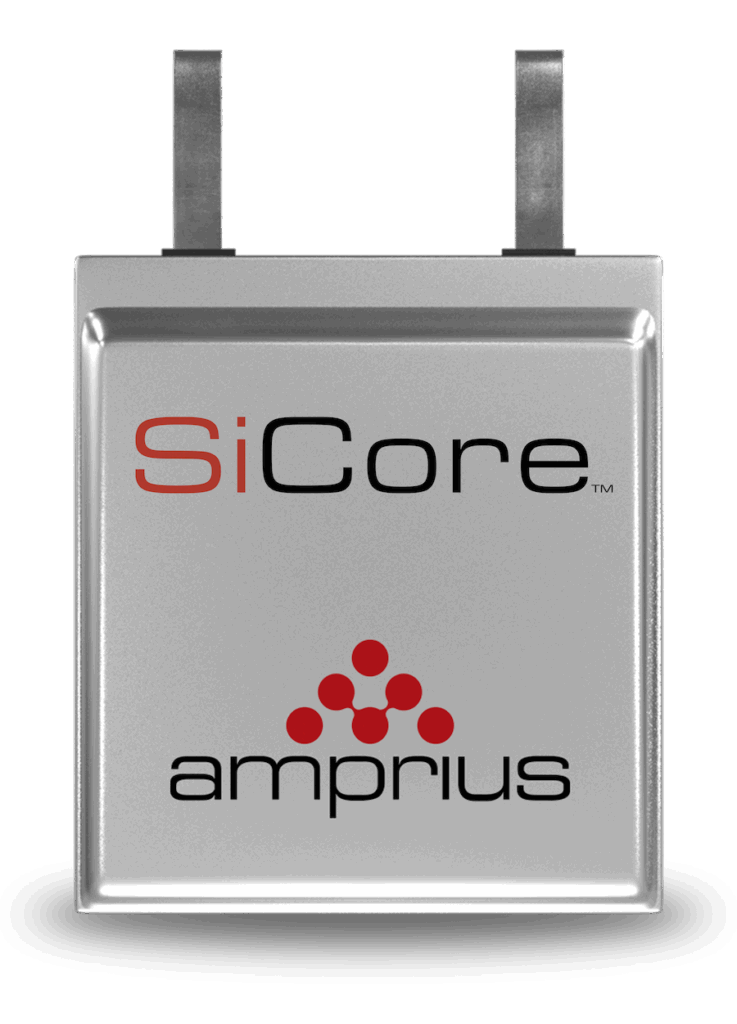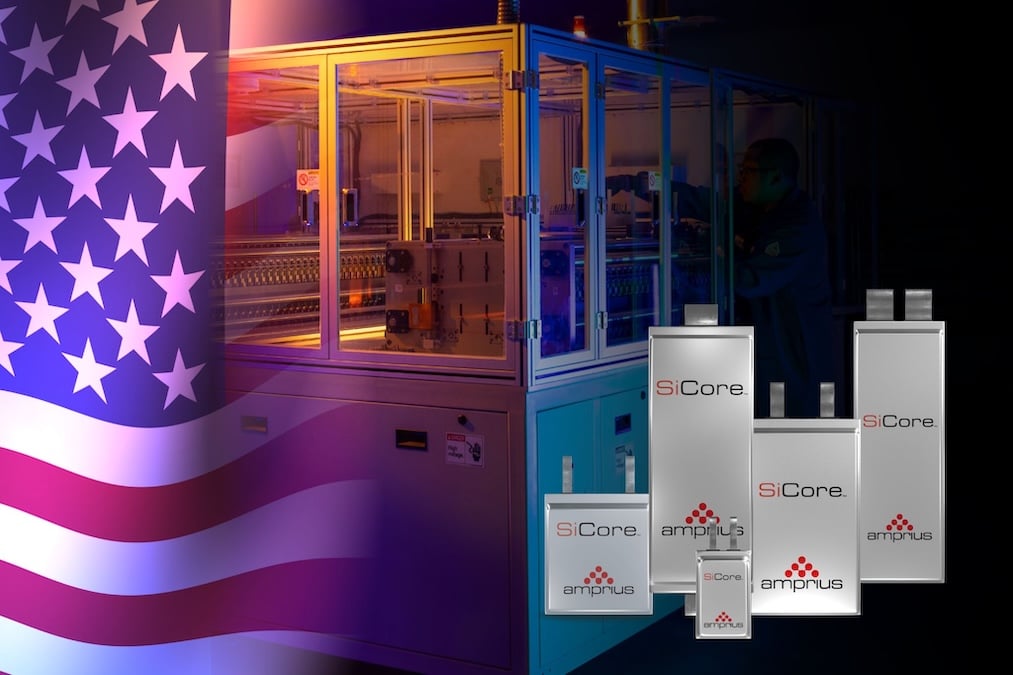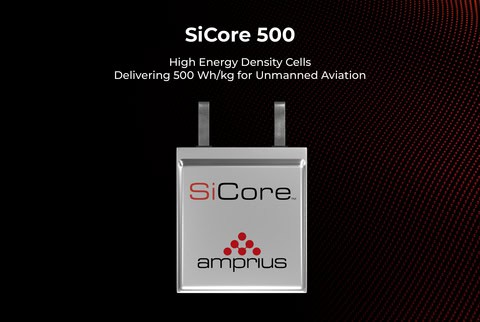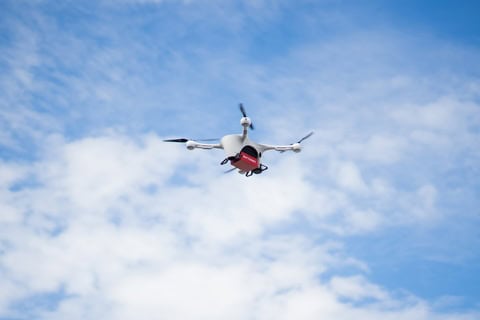

Nokia Drone Networks has integrated Amprius Technologies’ SiCore® lithium-ion battery cells into its next-generation drone-in-a-box solution to support high-reliability aerial operations.
The selection follows a period of qualification and testing designed to evaluate the endurance, power delivery, and safety performance of the battery technology. According to the technical specifications, the balanced cells provide the necessary burst power required for takeoff maneuvers while maintaining the sustained energy needed for extended flight durations. This power profile ensures that safety-critical subsystems, such as obstacle avoidance and return-to-home functions, remain operational throughout the mission.
The integration of high-energy-density cells addresses specific engineering challenges regarding weight and payload capacity. The lightweight design of the SiCore platform enables the drones to carry advanced equipment, including LiDAR sensors, thermal imaging systems, and 5G communication modules, without sacrificing flight endurance or overall system reliability.
Thomas Eder, Head of Embedded Wireless Solutions at Nokia, said, “Amprius’ batteries offer performance gains that meaningfully enhance our drone capability. With SiCore®, we can extend mission range, increase payload versatility, and improve system efficiency while maintaining the safety and reliability our customers expect. These advancements strengthen our leadership in public safety and industrial monitoring, and open new opportunities for mission-critical aerial operations.”
Nokia Drone Networks utilizes an open architecture combined with 5G connectivity to facilitate secure, long-range Beyond-Visual-Line-of-Sight (BVLOS) missions. The platform’s Extra Long Range (XLR) capability leverages the energy-dense cells to expand the operational reach of automated drone fleets, targeting rapid deployment scenarios and large-scale use.
Kang Sun, CEO of Amprius Technologies, added, “Nokia’s selection further demonstrates Amprius’ leadership in aviation battery technology and reflects the growing demand for our SiCore® platform in high-impact deployments. As UAVs take on more complex and autonomous missions, energy density and temperature control become decisive advantages. Our technology enables drones to operate longer, carry more, and perform in conditions once considered impractical, helping customers improve safety, minimize downtime, and increase mission value.”
The collaboration highlights a broader trend in the sector toward utilizing advanced battery chemistry to support complex mobility platforms. Amprius currently maintains partnerships spanning UAVs, eVTOL, and advanced mobility sectors, focusing on delivering endurance and resilience for electrified flight applications.