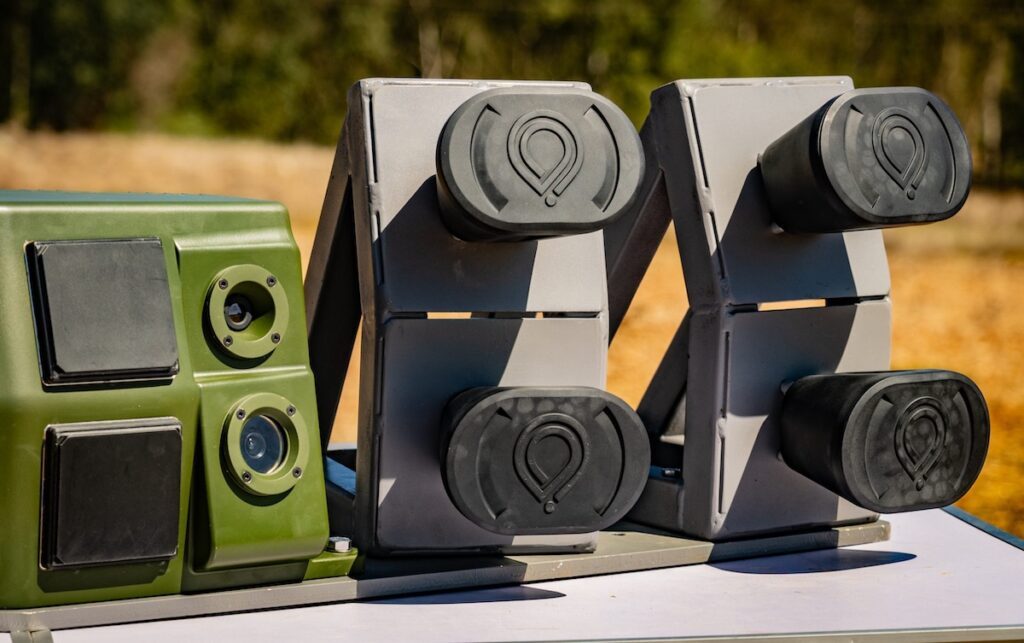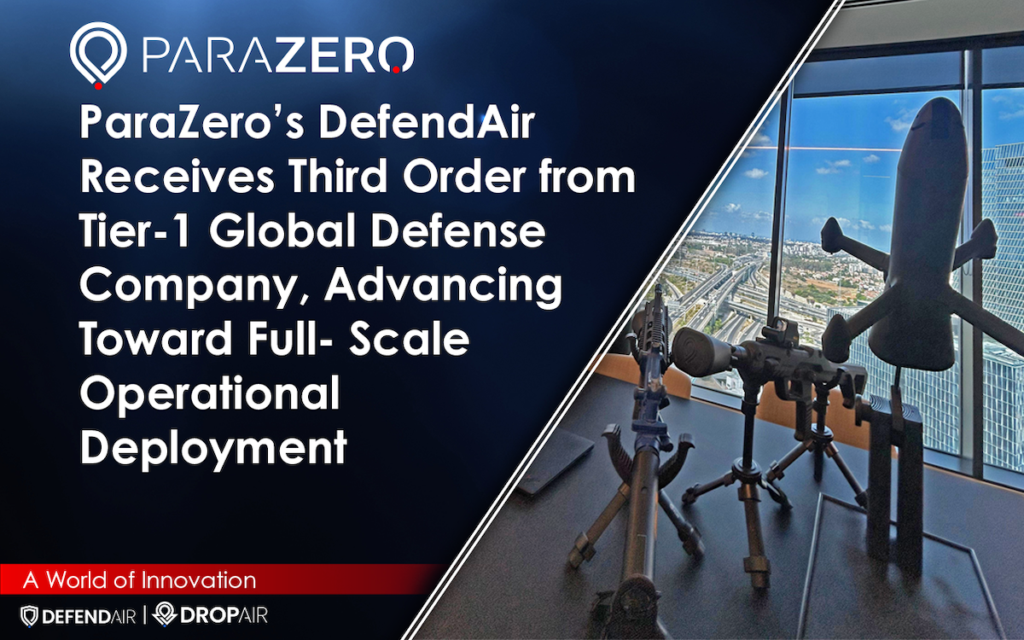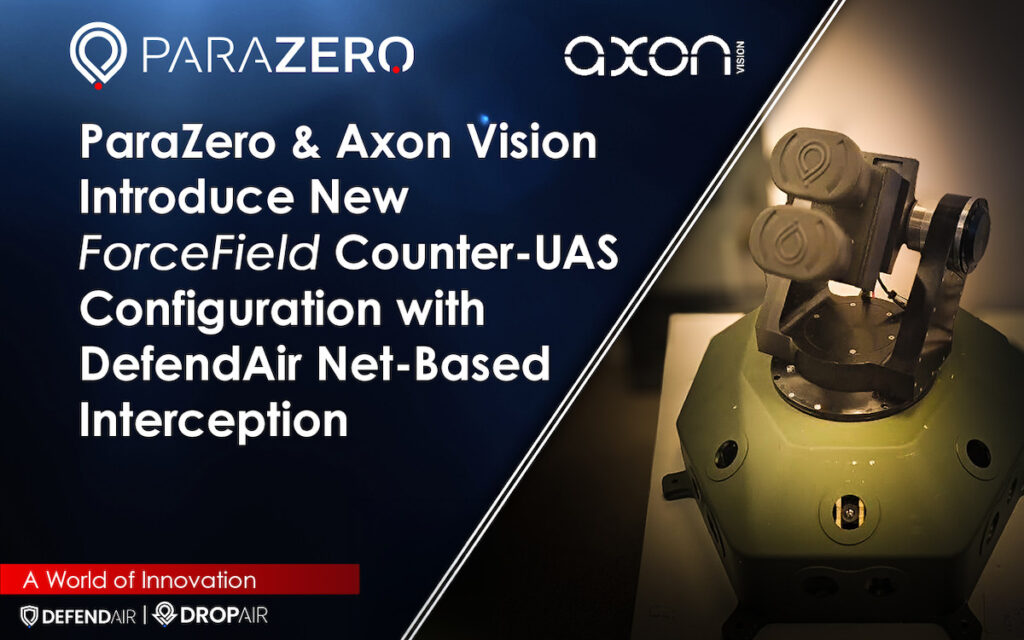

ParaZero Technologies has received an additional order from a second business unit of a Tier-1 Israeli-based global defense company to support the integration of its DefendAir Net Pod into an autonomous ground-based Counter-Unmanned Aircraft System (C-UAS) platform.
The order covers both the supply of DefendAir Net Pods and dedicated engineering integration hours from ParaZero, an aerospace defense technology company specializing in smart, autonomous solutions for manned and Unmanned Aerial Systems (UAS). The engagement reflects the growing development of autonomous Counter-UAS platforms and increasing demand for deployable kinetic interception capabilities that can be integrated into advanced defense systems.
The DefendAir Net Pod provides a non-explosive, net-based physical interception layer designed to neutralize hostile drones in environments where precision, mobility, and reduced collateral damage are critical. Featuring a modular architecture, the system can be adapted across multiple platform types and mission profiles, supporting the transition of Counter-UAS systems from detection and tracking to active, controlled drone neutralization.
Ariel Alon, CEO of ParaZero, stated, “This additional order from a second business unit within this Tier-1 Israeli-based global defense company further reinforces the expanding role of the DefendAir as a deployable physical interception layer for autonomous Counter-UAS applications. As defense customers accelerate the development of autonomous ground systems, we believe the DefendAir will play a pivotal role in the future of active protection systems (APS) C-UAS. This order highlights both the flexibility of our Net Pod architecture and ParaZero’s ability to support customers through engineering integration toward operational deployment.”
The order aligns with ParaZero’s broader strategy to position DefendAir as a modular interception solution for autonomous, mobile, fixed, and personal Counter-UAS defense applications. As drone threats evolve, autonomous Counter-UAS platforms are increasingly expected to form part of layered defense architectures, requiring effective physical end-effectors capable of stopping hostile drones during the final stage of engagement.