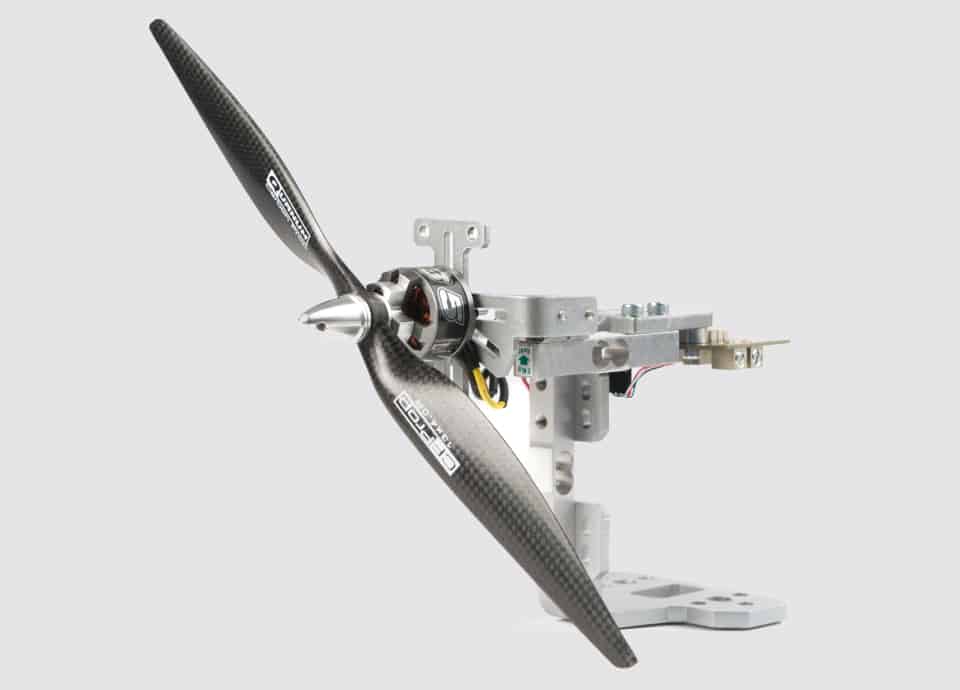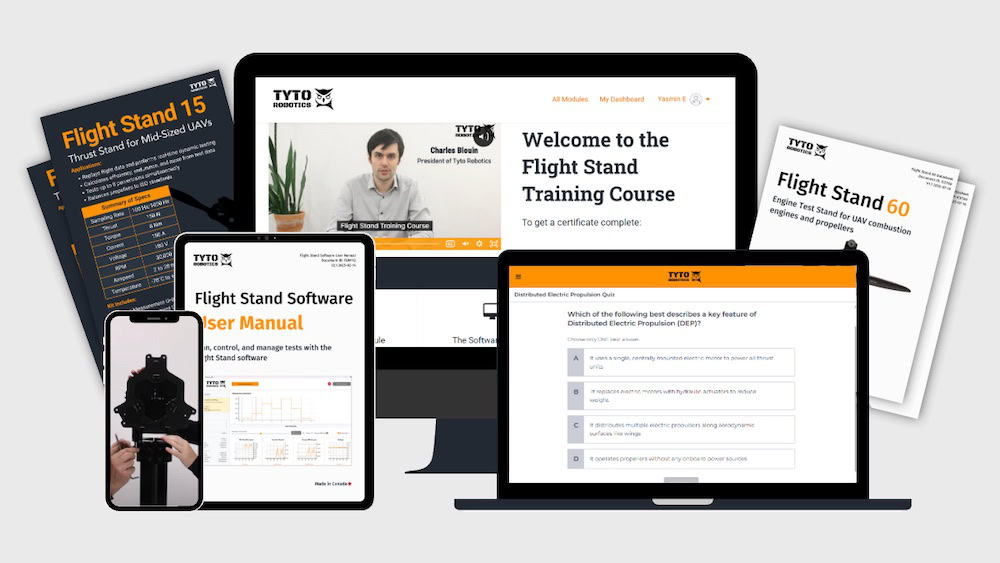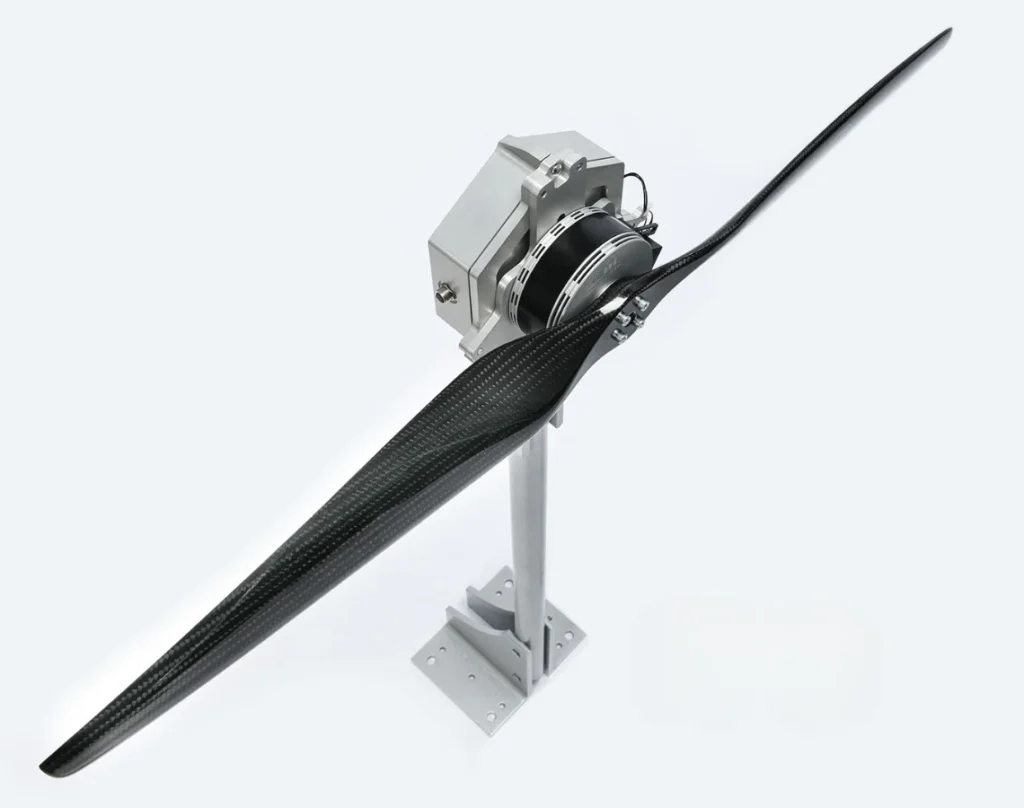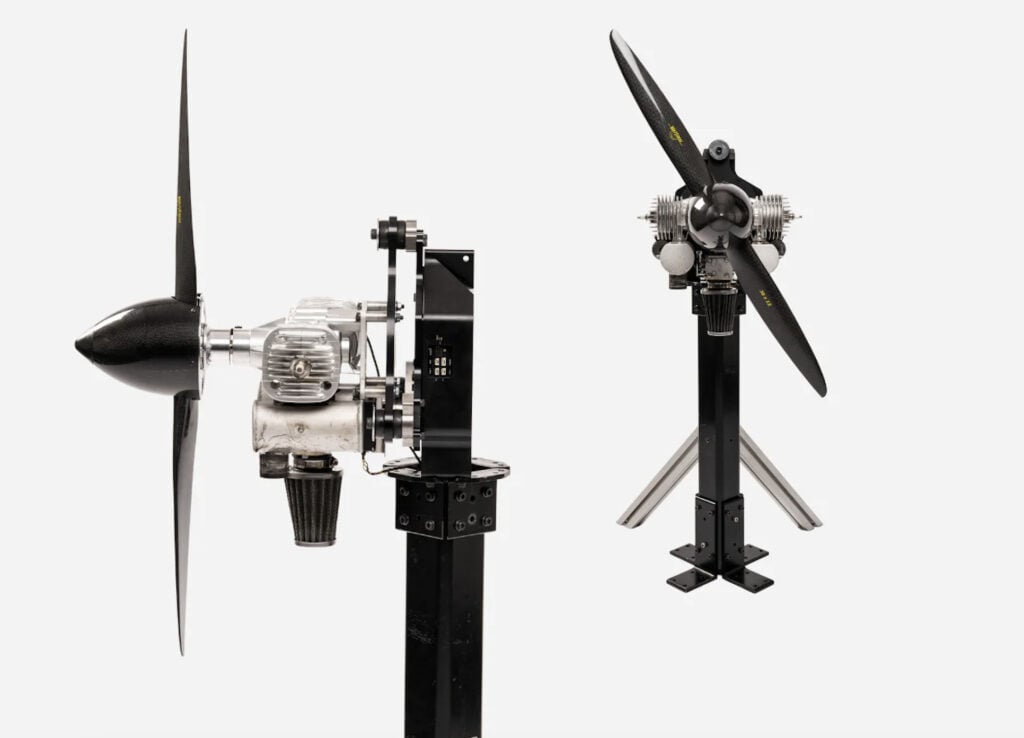

This video by Tyto Robotics features CEO and Co-Founder Charles Blouin, explaining how to generate motor efficiency and power consumption maps for drone applications without the need for a traditional brake dynamometer.
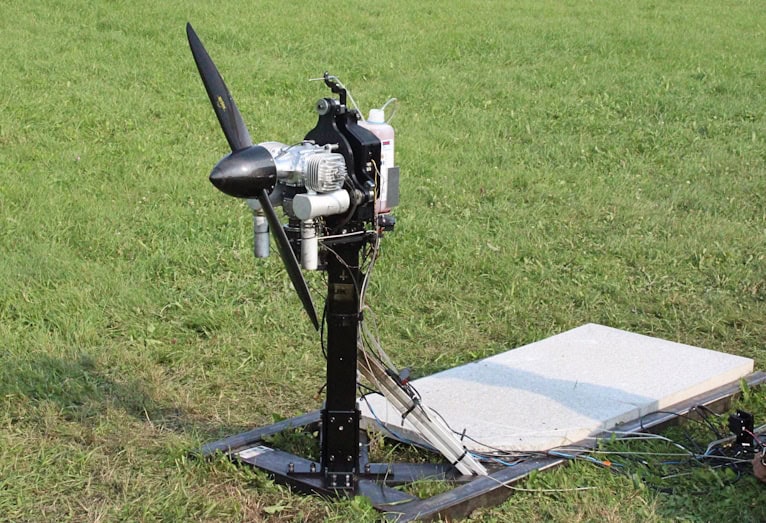
Using a Flight Stand 15 thrust stand, the video outlines a simple automated testing process that captures motor performance data across a wide range of operating conditions using multiple propeller sizes. This approach enables the collection of key parameters including RPM, torque, voltage, and current, which are then exported and processed using a Python script in a Google Colab notebook.
The workflow shows how to fit a third-order model to the dataset in order to generate a motor power consumption map, plotting RPM against torque and visualizing electrical power usage. From this model, a motor efficiency map is derived, defined as mechanical power divided by electrical power, allowing users to clearly identify the regions where the motor operates most efficiently.
The video also highlights the accuracy of the modeling approach, with minimal error between predicted and measured data, and demonstrates how these maps can be used to evaluate performance even at operating points that were not directly tested.
Practical applications are explored, including optimizing motor and propeller selection, improving endurance estimates, and reducing design risk. The methodology also supports the development of reusable motor models, allowing engineers to simulate different motor and propeller combinations without the need for extensive repeated physical testing.