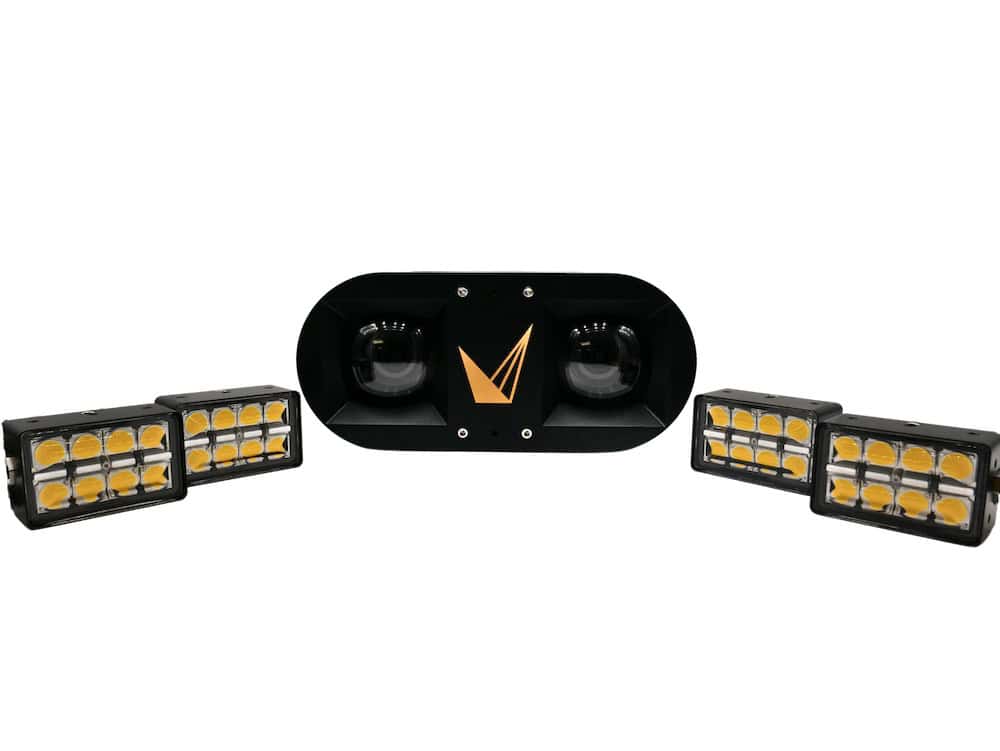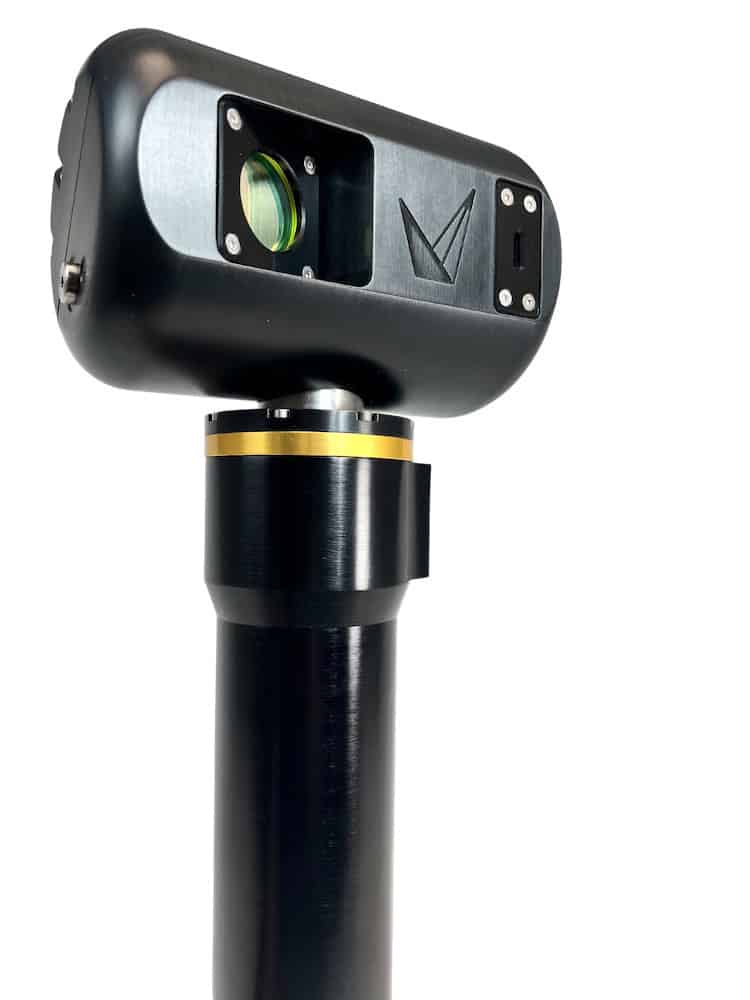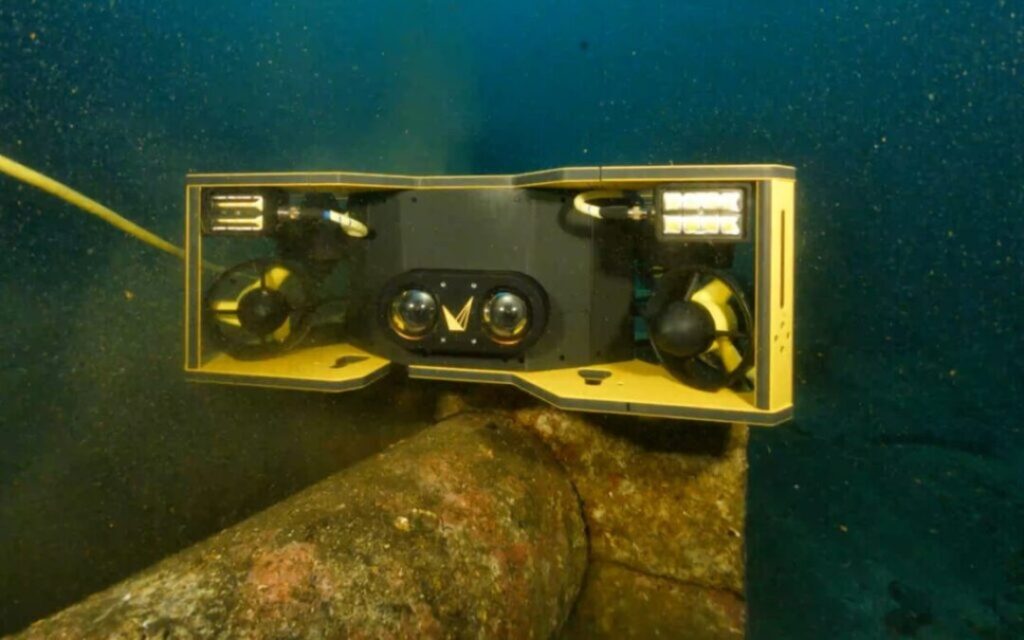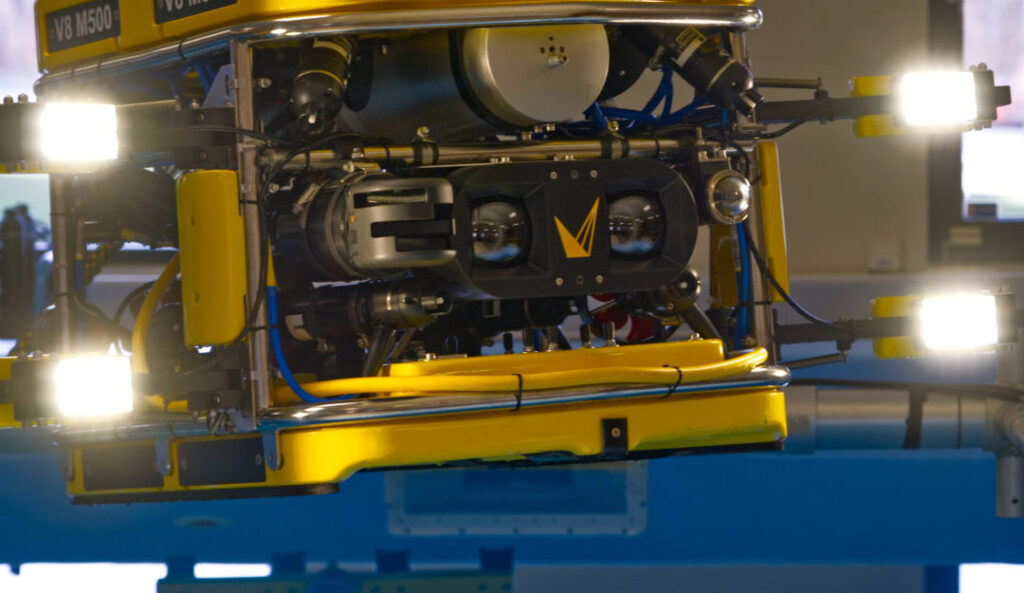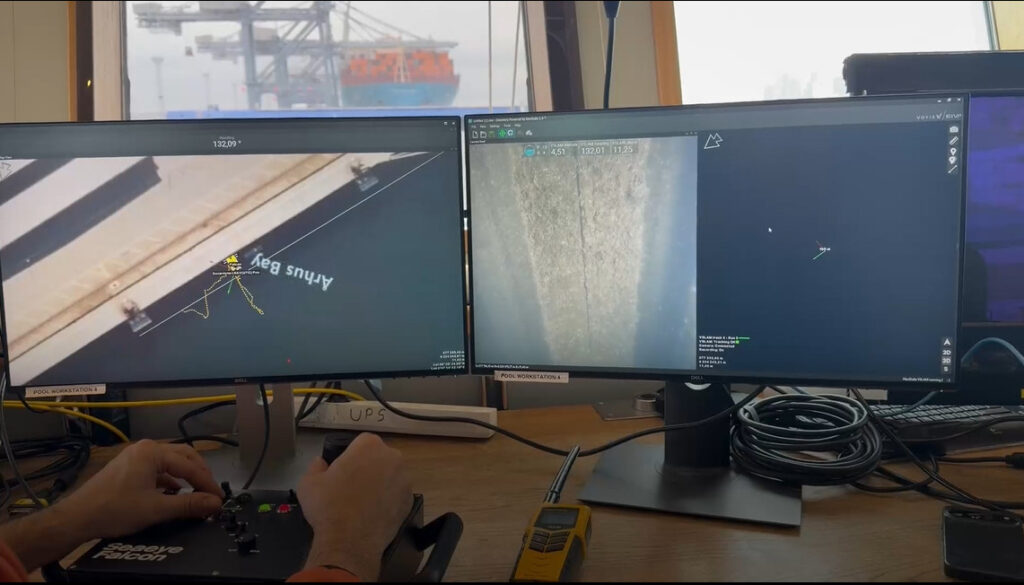
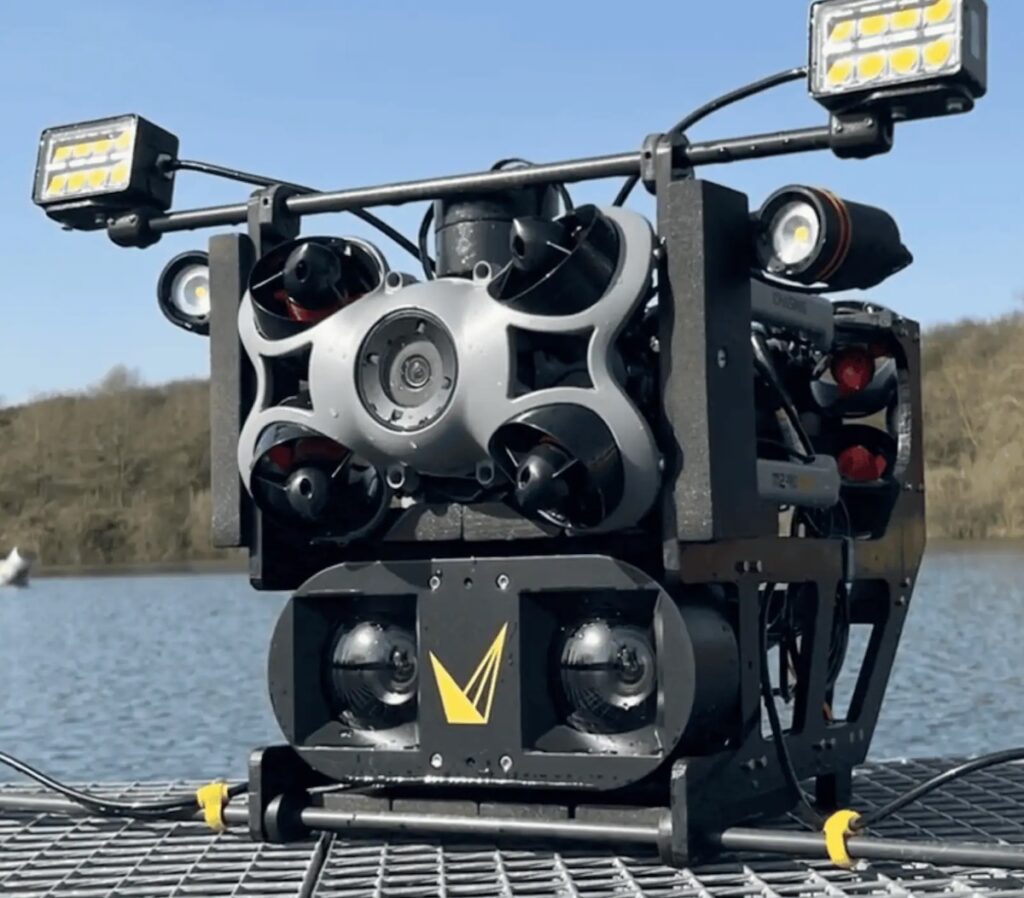
Voyis, working with its French reseller CADDEN, has demonstrated an integrated subsea inspection configuration pairing the Voyis Discovery Stereo Inspection Series with the CHASING M2 PRO MAX ROV. Trials conducted at several locations in France showed how the combined platform can collect detailed three-dimensional information for infrastructure monitoring and condition assessment. Read more >>
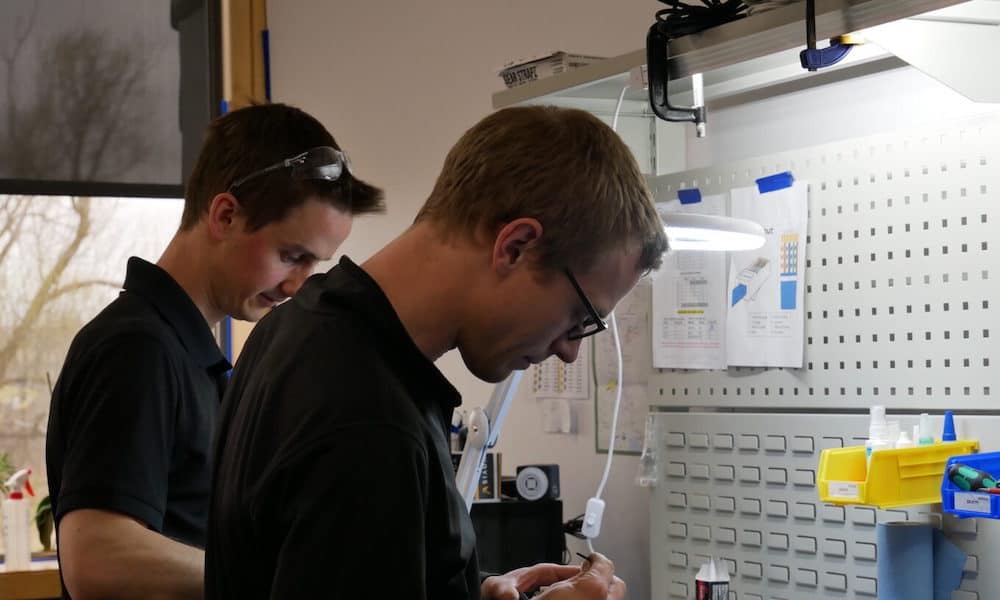
CADDEN’s technical team carried out the mechanical and operational integration, creating a unified inspection setup for operators in France. The configuration combines Voyis stereo photogrammetry technology with a compact, maneuverable ROV to gather inspection data in areas where access, visibility, or asset geometry can complicate underwater surveys.
Combining Stereo Photogrammetry with a Compact ROV
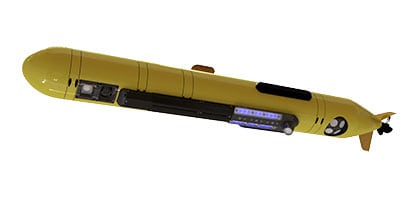
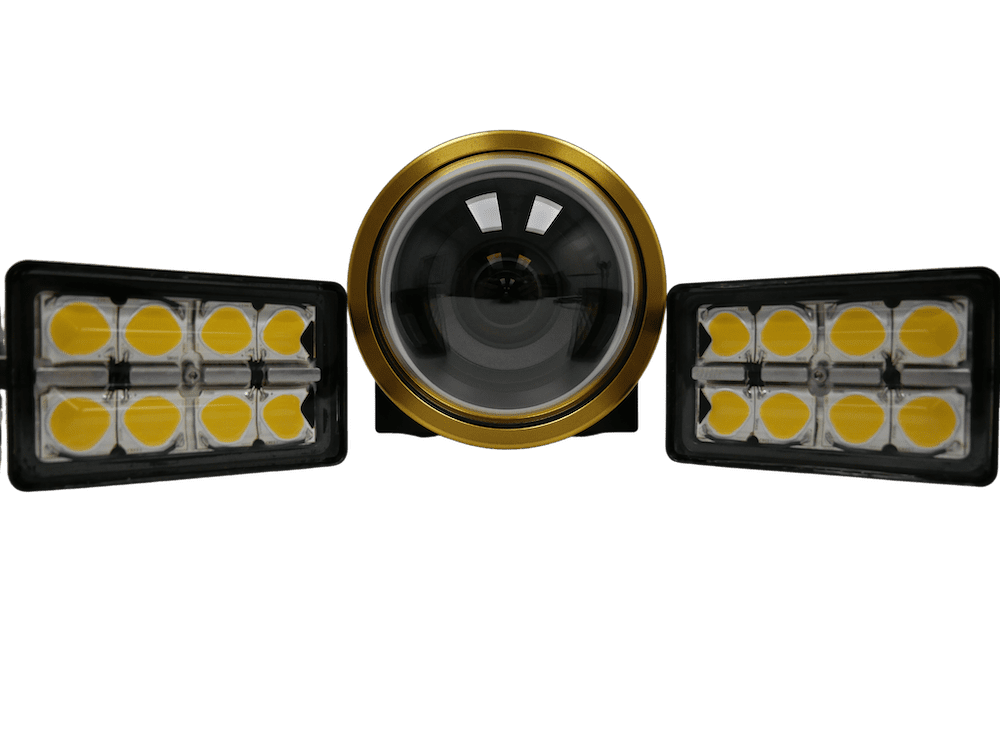
The Voyis Discovery Stereo Inspection Series is engineered to support precise underwater 3D reconstruction. Calibrated stereo imaging combined with synchronized illumination captures high-resolution imagery for subsequent photogrammetric processing.
Processing these datasets produces measurable 3D models that can be used to identify corrosion, evaluate structural defects, and establish records of asset condition for comparison over time.
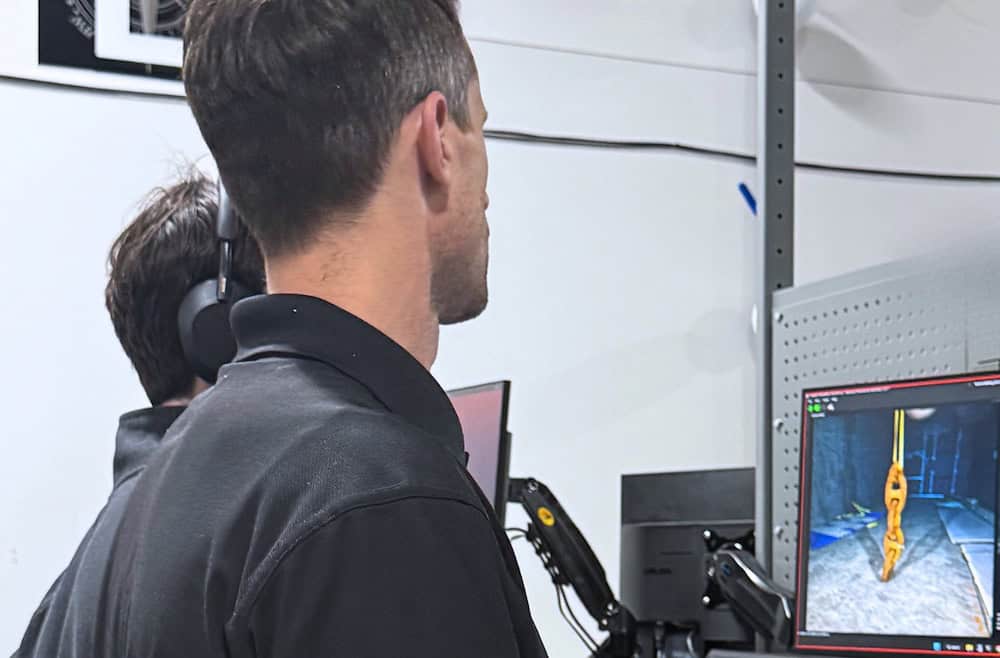
For the French demonstrations, the Discovery system was installed on the CHASING M2 PRO MAX. The ROV’s compact form, stability, and agility allow the integrated system to collect data within confined spaces and other locations that can be difficult to reach with larger platforms.
The resulting configuration enables inspection teams to acquire detailed underwater imagery without deploying divers, providing an alternative approach for examining submerged structures and assets.
CADDEN’s role in completing the system integration also illustrates how regional technical capabilities can support the deployment of specialized subsea imaging equipment for local operating requirements.
Testing Across Different Underwater Environments
The integrated inspection system was deployed at several French sites encompassing dock infrastructure, submerged statues, and inland ponds. Together, these locations presented conditions commonly encountered during subsea inspection work, including restricted access, low underwater visibility, and assets with complicated structural geometries.
For port and dock infrastructure, high-resolution three-dimensional models can assist operators in identifying cracks, corrosion, and other forms of structural deterioration. These records can inform preventative maintenance decisions and provide information for managing operational risks.
Submerged statues and cultural heritage assets represent a different inspection requirement. Detailed 3D documentation provides a non-invasive means of recording their condition and monitoring changes while minimizing physical interaction with the site.
The compact ROV configuration can also support pond and vessel hull inspections. Its size and maneuverability enable continued inspection activities in shallow water and restricted locations where deployment of larger underwater systems may be impractical.
Supporting Repeatable Underwater Inspection
The demonstration by Voyis and CADDEN shows how stereo photogrammetry can be incorporated onto a compact ROV to acquire measurable and repeatable subsea inspection datasets.
Combining the Discovery Stereo Inspection Series with a locally integrated ROV platform provides operators with a method for producing detailed three-dimensional records across varied underwater environments. Voyis’ collaboration with regional partners such as CADDEN also supports the implementation of underwater 3D inspection technology for specific operational conditions and inspection requirements.
Read “Voyis and CADDEN Showcase Integrated Inspection Solution in France” here.