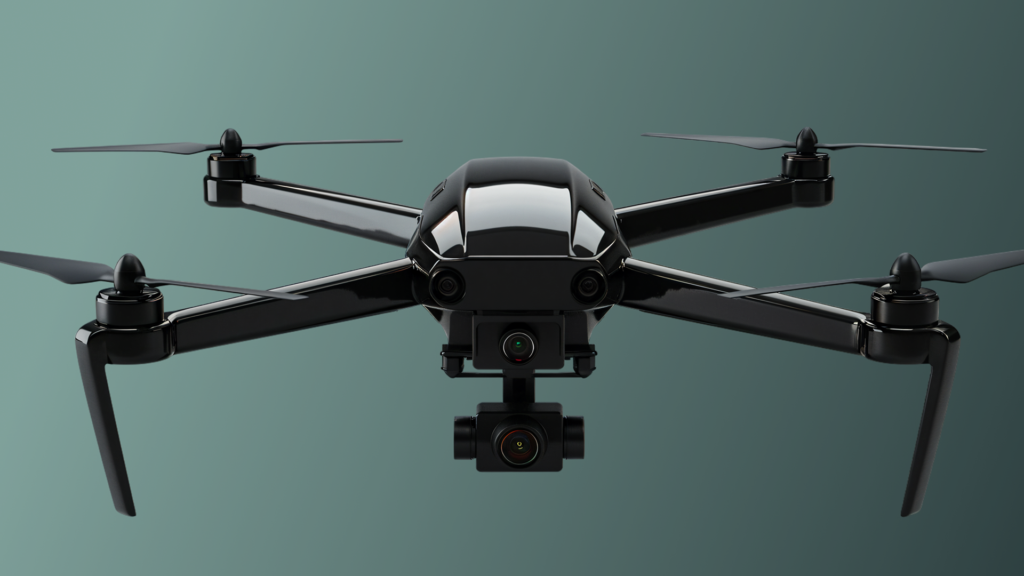
Gambit examines how coordinated autonomy and adaptive intelligence could help address one of the key challenges facing the future of unmanned systems: enabling heterogeneous platforms to operate effectively as a team.
At the Sea-Air-Space conference, senior US Navy leaders highlighted the need for different unmanned systems to be tailored to specific missions and operating environments. However, deploying a diverse fleet introduces another challenge: ensuring systems with different capabilities, architectures, and communications technologies can coordinate effectively when conditions change.
Gambit’s blog explores why simply fielding more specialized autonomous platforms is not enough, and why the software and integration layer will play an increasingly important role in delivering operational capability. It examines how shared intent, interoperability, and adaptive decision-making can help connect heterogeneous systems across domains, particularly in environments where communications may be degraded or unavailable.
The article also considers what is required to realize the Navy’s emerging high-low mix of crewed and uncrewed platforms, and how coordinated autonomy can enable systems to adapt beyond pre-planned instructions.
Read The Right Drone for the Right Mission is Only Half the Problem.