


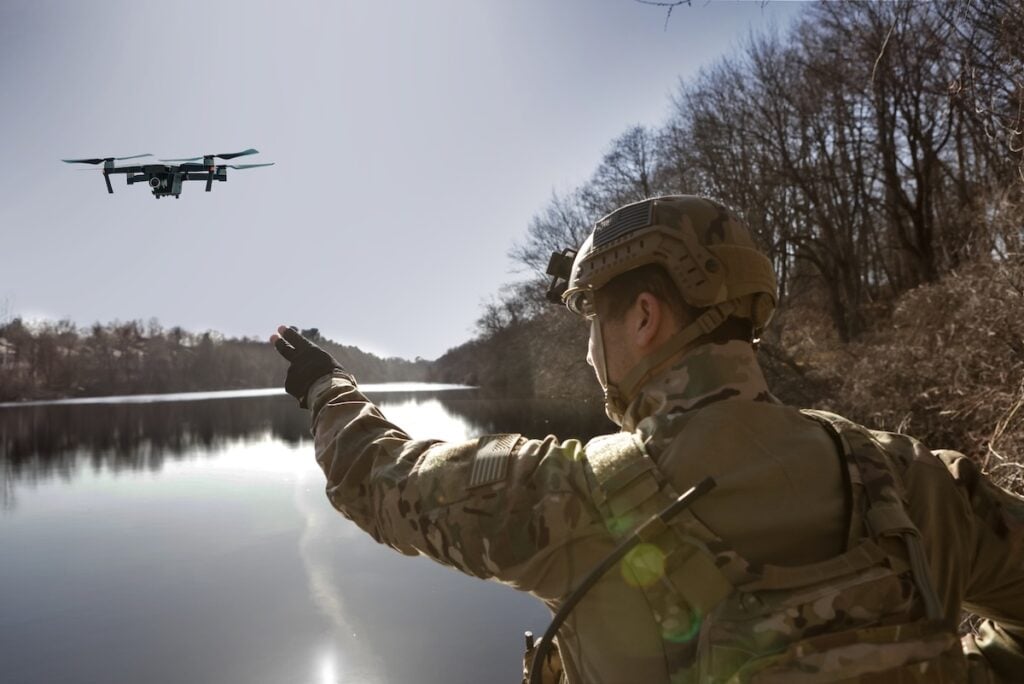
Gambit has integrated its autonomous systems software with Human Systems Integration’s TacPAN wearable edge computing platform, bringing multi-system command and control directly to mobile and dismounted field operators.
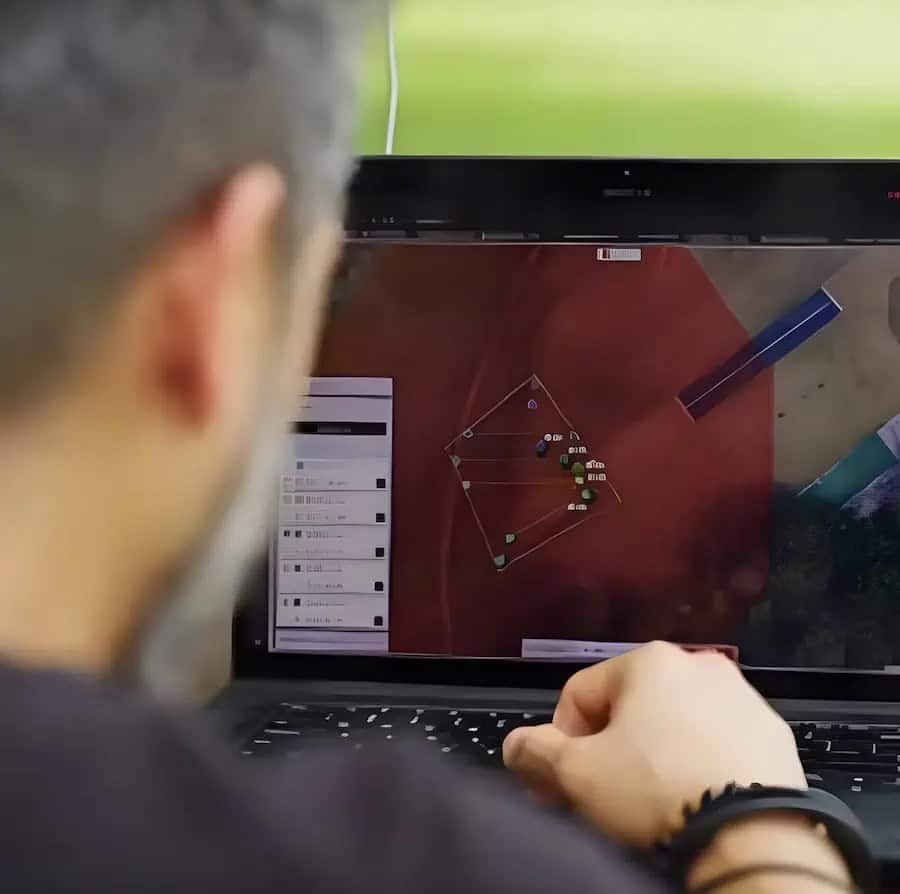
The technical integration allows Gambit’s software stack to run on Human Systems Integration (HSI) wearable edge compute hardware, reducing the need for personnel to transport and interact with a traditional laptop in the field. By migrating system control to the compact TacPAN platform, operators can remain mobile while maintaining continuous access to the software needed to direct and coordinate autonomous assets. The software framework focuses on operator-centric autonomy, designed to direct heterogeneous autonomous systems across multiple domains without forcing users into platform-by-platform control.
“Autonomy becomes significantly more useful when the operator isn’t tied to a workstation,” said Gambit CEO Josh Giegel. “Integrating Gambit onto HSI’s wearable compute platform is another step toward giving operators the ability to coordinate autonomous systems wherever the mission takes them, with less equipment and less cognitive burden.”
Alongside the edge compute hardware, the system incorporates HSI’s TacSIGN technology to support gesture-based interactions with autonomous assets. This interface addresses operational settings where conventional input methods prove cumbersome or impractical, offering a more intuitive human-machine interface for edge environments.
“Integrating TacPAN and TacSIGN with the Gambit software stack creates a more intuitive way for warfighters to command-and-control autonomous systems,” said Brian Farrell, CEO of Human Systems Integration. “By pairing powerful edge compute with baselayer instrumentation, we can enable one operator to manage multiple autonomous assets, and deliver a more natural human-machine interface and a tactically feasible capability at the edge.”
By combining wearable edge computing, baselayer instrumentation, and domain-spanning autonomy software, the joint capability provides a path toward lighter, more mobile, and more intuitive control as fleets of autonomous systems continue to expand in operational environments.