




Ground Control examines how satellite Internet of Things (IoT) connectivity can support metocean monitoring and early warning systems, addressing the challenges of transmitting detailed ocean observation data during extreme weather and tsunami events. Read more >>
For buoy manufacturers and system integrators, communications capacity, transmission reliability, power consumption, and operating costs are key considerations in determining how much data reaches shore and how quickly it becomes available.
Ocean Observation and Early Warning
Data buoys are frequently among the first instruments to detect tsunamis and severe ocean conditions, providing forecasters and emergency response agencies with measurements as events develop.
Following the eruption of the Hunga Tonga-Hunga Haʻapai volcano on January 15, 2022, a deep-ocean tsunami buoy near Tonga detected the resulting wave 30 minutes later. New Zealand’s emergency management agency issued a national tsunami advisory within hours, subsequently crediting the buoy network with enabling faster and more accurate warnings.
On July 29, 2025, a magnitude 8.8 earthquake off Russia’s Kamchatka Peninsula generated a tsunami that was detected by a North Pacific buoy approximately 35 minutes later. The instrument recorded a 0.85 m wave, one of the largest readings in the network’s history.
Observations from eight Pacific buoys allowed the Pacific Tsunami Warning Center to refine its forecasts, helping inform warnings for coastal communities from Japan to Hawaii.
During Storm Éowyn in January 2025, an Irish weather buoy off the coast of Cork recorded a wave measuring 20.15 m. The wider buoy network continued transmitting observations throughout the storm, providing data on the extreme conditions affecting Ireland and the UK.
The growing demand for dependable ocean observations is reflected in the World Meteorological Organization’s description of 2024 as a year of “record-breaking rainfall and flooding events”, highlighting the importance of effective early warning systems.
Across tsunami detection, severe weather forecasting, and offshore operations, the effectiveness of ocean monitoring systems depends in part on how reliably and quickly measurements can be transferred ashore.
Metocean Data Transmission Challenges
Modern ocean observation buoys can incorporate sensors measuring wind, atmospheric pressure, air and sea temperature, directional wave spectra, currents, and water quality.
However, transmitting these measurements requires system integrators to balance data volumes and reporting intervals against communications capacity, power consumption, and airtime costs.
Traditional Iridium Short Burst Data (SBD) supports a maximum payload of 340 bytes per transmission. While suitable for compact messages, this limitation can require high-resolution wave spectra and time-series measurements to be condensed into summary statistics or divided across multiple transmissions.
Some deployments retain complete datasets on onboard SD cards for later physical retrieval, leaving potentially valuable forecasting and analytical data unavailable to shore-based applications until the equipment can be accessed.
When sensors generate data faster than the communications system can transmit it, delays can occur. Message queues may reach capacity, resulting in dropped messages and gaps in observations. These limitations can be particularly consequential during severe weather, when conditions are changing rapidly.
Satellite airtime costs present additional challenges, with operators potentially reducing reporting frequency or transmitted data volumes to manage expenditure. Such decisions can restrict the information available for forecasting, analysis, and early warning.
Connectivity Resilience and Offshore Maintenance
Cellular communications can provide a practical option for nearshore monitoring platforms, although severe weather can disrupt the terrestrial infrastructure on which these connections depend.
During Hurricane Helene in 2024, more than 20% of mobile sites across affected areas of the United States were reported out of service, with the figure exceeding 48% in North Carolina. Infrastructure damage, severed fiber connections, and power failures contributed to the disruption.
Maintaining offshore observation equipment presents additional challenges. Ocean observatories have reported high failure rates among deployed instruments, cables, and connectors, while the National Oceanic and Atmospheric Administration (NOAA) has estimated that vandalism reduces buoy data availability by 15-20%. Damaged or severed moorings can also leave buoys adrift.
Offshore equipment repairs can depend on vessel availability and suitable weather windows. In 2022, two long-standing Gulf of Mexico buoys went offline, requiring the deployment of uncrewed surface vehicles (USVs) to provide temporary observations until maintenance personnel could access the equipment.
These operational constraints place interconnected demands on buoy designers, including data collection, communications reliability, reporting frequency, and the need to minimize costly offshore maintenance interventions.
Increasing Data Capacity with Satellite IoT
Iridium’s constellation of 66 low Earth orbit (LEO) satellites provides global, pole-to-pole coverage for applications including remote ocean monitoring.
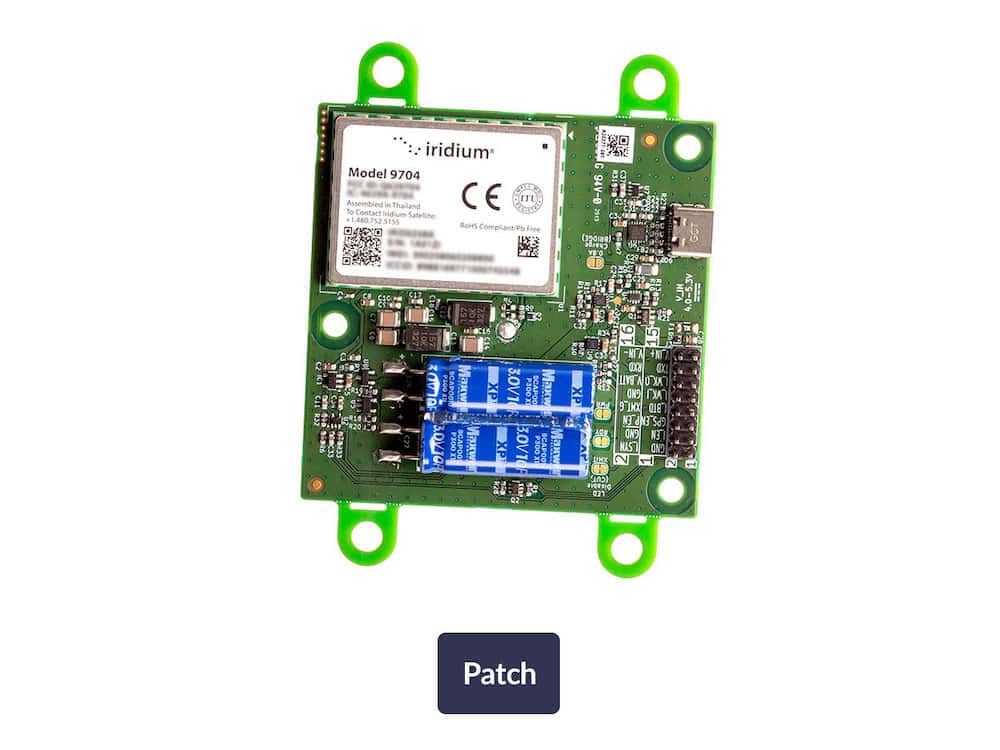
The Iridium Messaging Transport (IMT) service, supported by the Iridium 9704 module, increases available message capacity compared with traditional SBD while retaining two-way communications. Ground Control’s RockBLOCK Pro incorporates these capabilities into a ready-to-integrate solution for buoy manufacturers and system integrators.
IMT supports messages ranging from 25 to 100,000 bytes, with a maximum payload approximately 300 times that of traditional SBD.
The increased capacity allows operators to transmit more detailed datasets, including directional wave spectra and high-frequency pressure measurements, without extensive data reduction or message fragmentation. This can provide data scientists with more complete inputs for forecasting and analysis, while compatibility with SBD AT commands supports system integration.
An onboard processor within RockBLOCK Pro handles message queuing, retries, and network optimization, reducing processing demands on the host datalogger and helping maintain reliable message delivery.
Two-way communications also allow operators to adjust reporting strategies in response to changing conditions. During normal operation, buoys can transmit compact routine updates, increasing reporting frequency to transmit more detailed measurements when thresholds are exceeded. Data volumes can subsequently be reduced as conditions stabilize.
Rather than being restricted to a fixed reporting strategy, operators can balance data requirements against power consumption and satellite airtime costs.
Data Delivery and Cloud Integration
RockBLOCK Pro typically delivers device-to-cloud messages in under 10 seconds, supporting applications that require timely access to ocean observations.
Through Ground Control’s Cloudloop Data platform, information can be routed to AWS, Microsoft Azure, Google Cloud, HTTP webhooks, MQTT, or email for integration with existing forecasting models, monitoring platforms, and alerting systems.
The device also incorporates four configurable I/O channels, supporting direct connections to sensors and switches for additional monitoring and control functions.
Hardware Specifications and System Integration
RockBLOCK Pro combines rugged construction with low power consumption for remote, solar- and battery-powered installations.
Technical specifications and capabilities include:
- IP66-rated aluminum enclosure with an operating temperature range of -40°C to +65°C (-40°F to +149°F)
5-30 V DC input - Sleep power consumption of under 75 mW
- Idle power consumption of under 200 mW
- Peak power draw of 2.5 W
- Integrated four-constellation GNSS for location monitoring and to assist with recovery if a buoy breaks its mooring
- Four configurable I/O channels for monitoring external sensors, hatch switches, or tamper alerts
- Remote firmware and configuration updates via Cloudloop Device Manager, reducing the need for maintenance visits
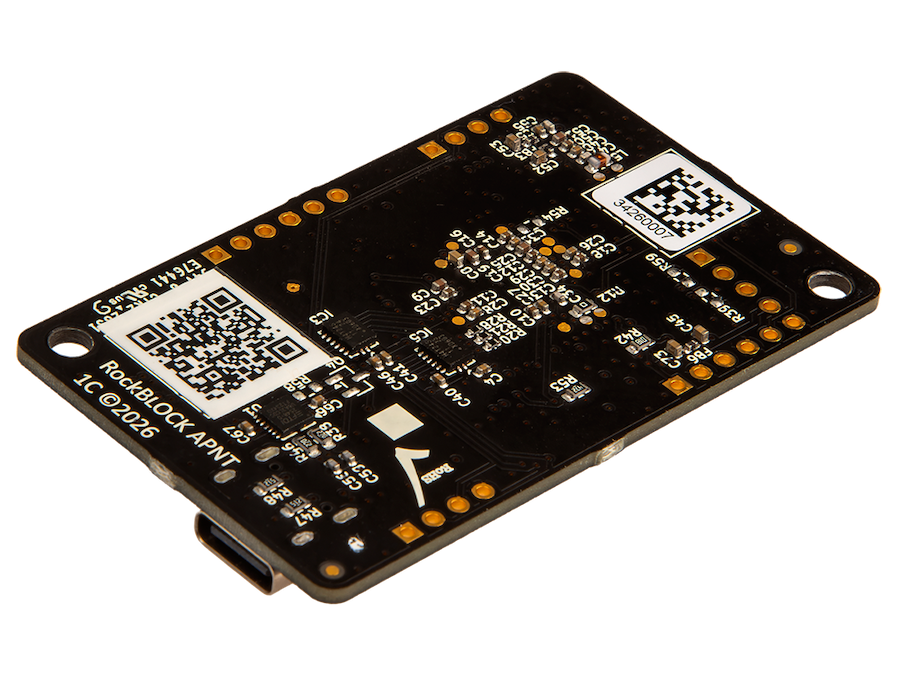
RS232/RS485, USB-C, and Bluetooth connectivity support integration with existing dataloggers and controllers.
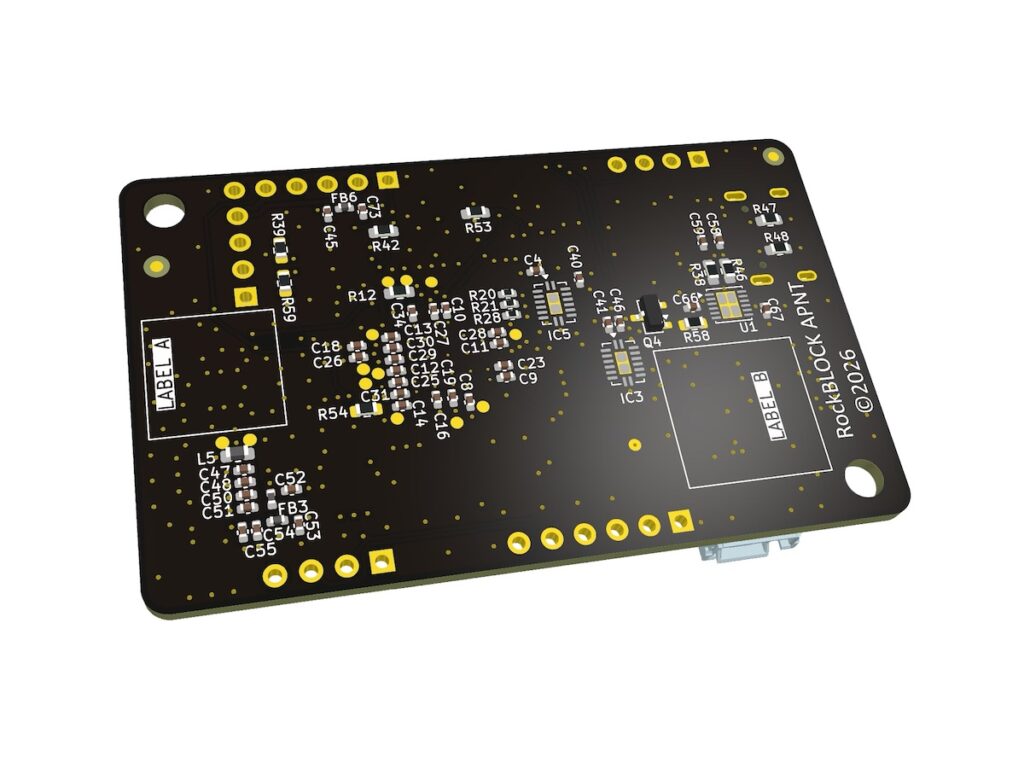
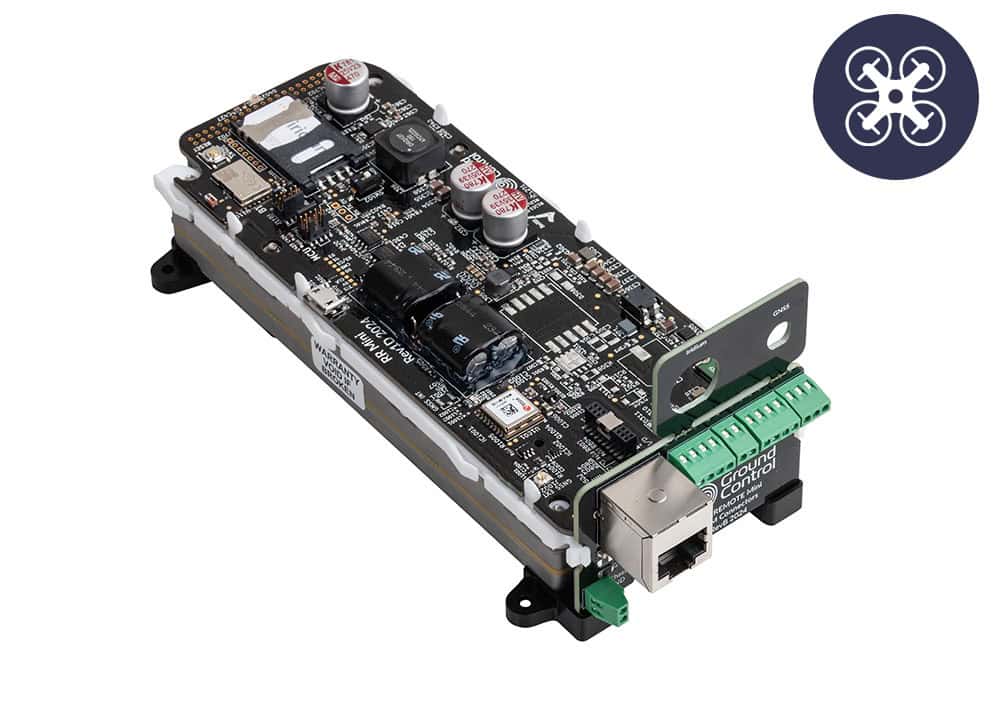
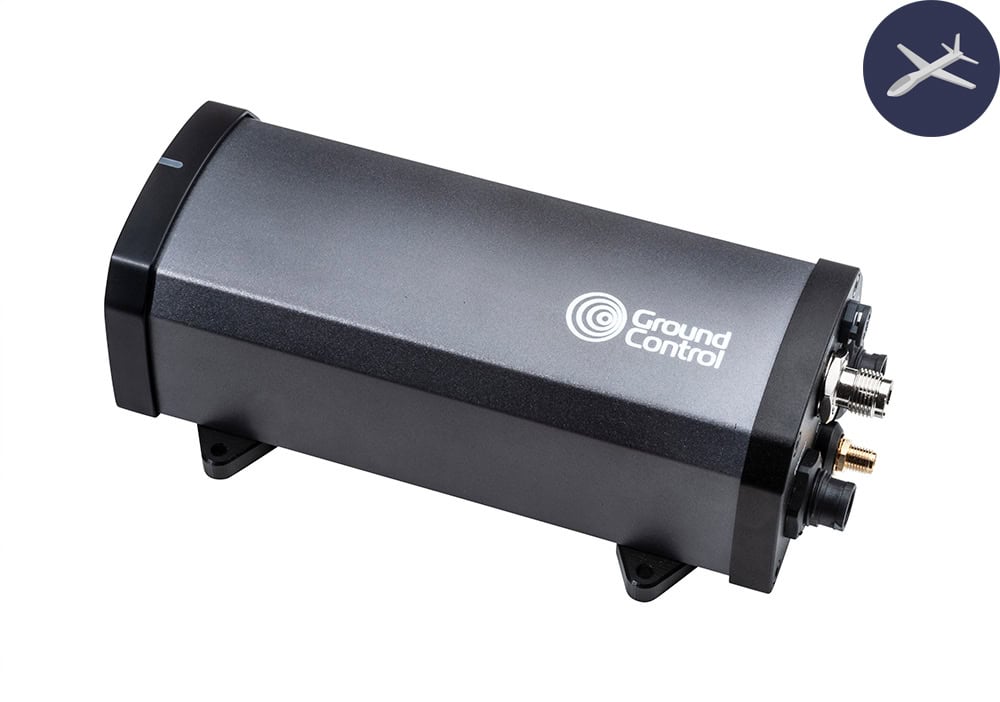
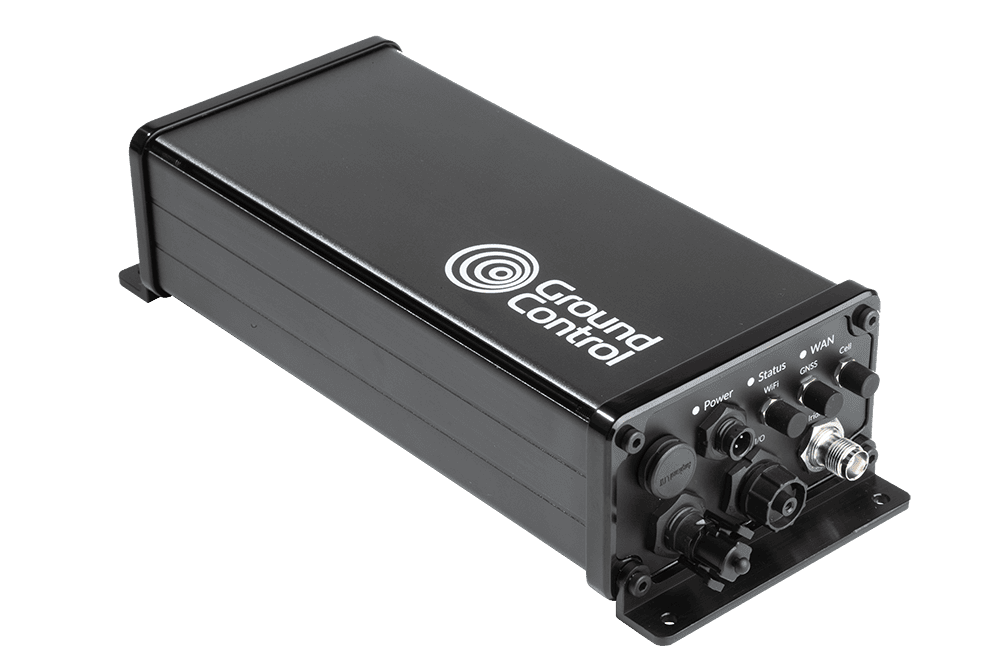
RockBLOCK Pro is available as a rugged, enclosed device with integrated or external antenna options, while the RockBLOCK Pro OEM board supports direct integration into buoy electronics.
Supporting Long-Term Ocean Monitoring
Ocean observation platforms need to deliver dependable data over years of exposure to demanding environmental conditions, particularly when emerging events require more frequent and detailed reporting.
The communications architecture selected during system design influences the volume of data reaching shore, transmission times, and the ability of buoys to continue reporting as conditions deteriorate.
RockBLOCK Pro combines global satellite coverage, increased message capacity, onboard data handling, and flexible integration options to help address these requirements.