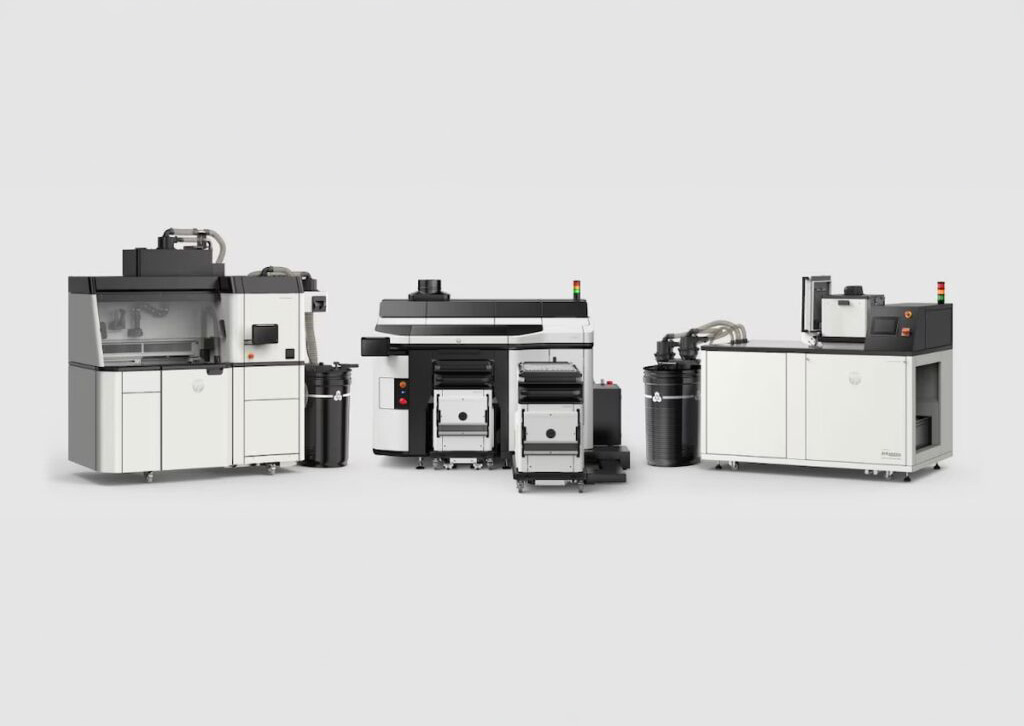
HP Additive Manufacturing Solutions is examining how Multi Jet Fusion (MJF) technology can address three central UAV manufacturing requirements: improved flight performance, scalable production, and faster development from prototype to final part.
The article looks at how MJF enables lightweight geometries, part consolidation, tooling-free manufacturing, and a consistent material and process across development and production.
UAV manufacturers use a range of processes, including composite fabrication, metal machining, injection molding, foam construction, and additive manufacturing. Although 3D printing has traditionally been associated with prototyping and spare parts, HP MJF also supports industrial production of end-use drone components.
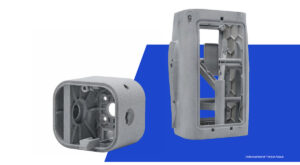
The technology can produce ultra-thin walls down to 0.5 mm, helping reduce component weight while supporting greater payload capacity and longer flight duration. Its ability to manufacture complex geometries without support structures also allows engineers to integrate internal channels, consolidate parts, and optimize components for weight and aerodynamic performance.
Lightweight Components for Improved Flight Performance
Manufacturing technology has a direct effect on UAV weight, range, battery efficiency, and aerodynamic performance. HP MJF reduces several constraints associated with conventional production processes, enabling lightweight components with complex internal and external geometries.
Eliminating support structures gives designers greater freedom to incorporate internal channels and combine multiple parts into a single component. Structures can also be refined to reduce mass and improve aerodynamic characteristics, contributing to longer range and more efficient battery use.
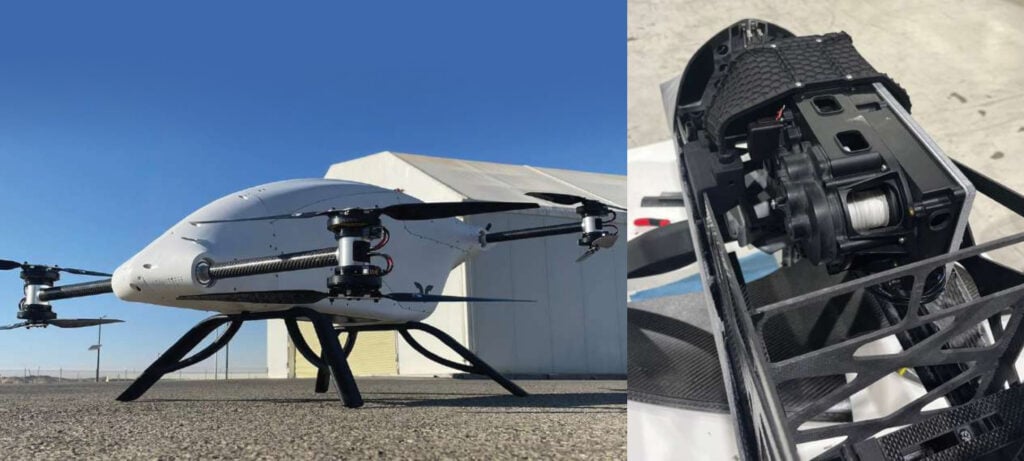
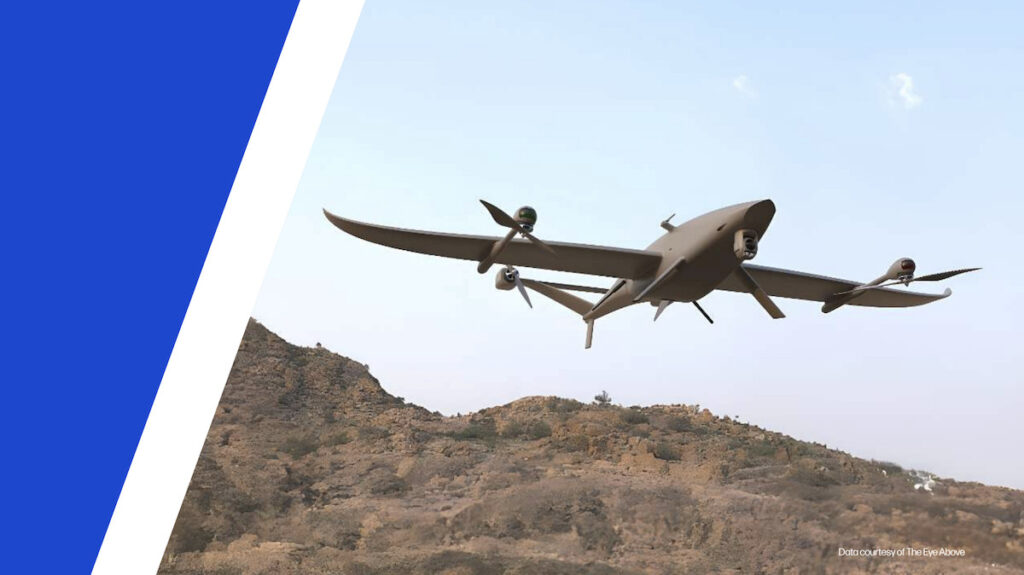
The Eye Above uses HP MJF to manufacture more than 90% of the structure of its BushRanger fixed-wing vertical takeoff and landing surveillance UAV.
Developed for operation in demanding environments, the BushRanger features a modular airframe, streamlined aerodynamics, and parts that can be repaired in the field. Its lightweight construction also contributes to extended flight duration.
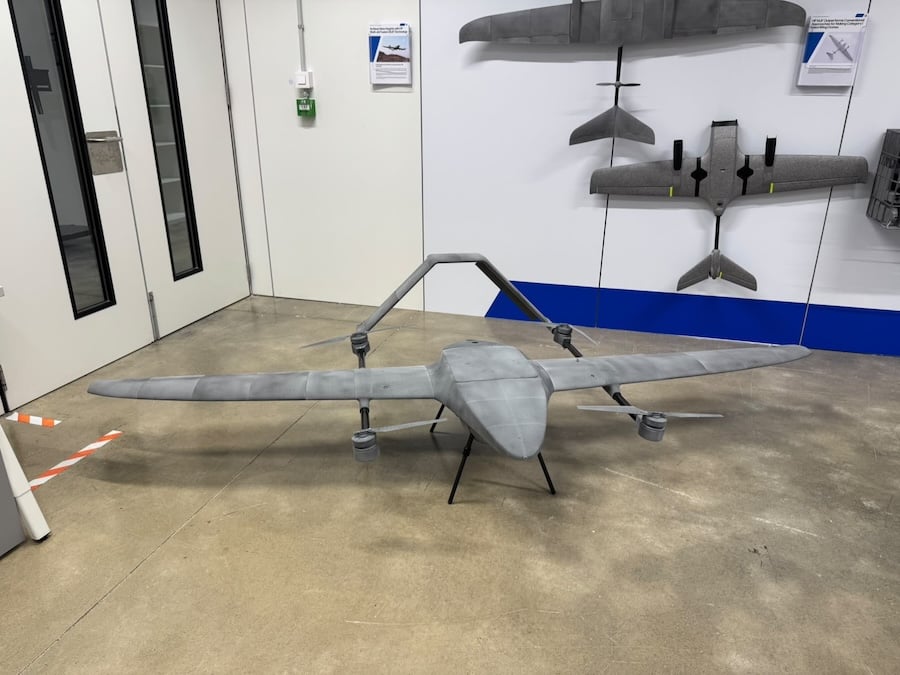
For Category I fixed-wing UAVs with wingspans under two meters and maximum takeoff weights below nine kilograms, HP has also outlined an MJF-manufactured design with a 1.5-meter wingspan and an empty airframe weight below 500 grams.
On-Demand and Large-Scale UAV Manufacturing
HP MJF is designed to support production requirements ranging from a single part to thousands of components. By removing the need for expensive tooling, the process can reduce bottlenecks, shorten lead times, and limit supply chain risks.
The technology is intended to maintain production consistency, precision, and cost efficiency as output increases. This gives UAV manufacturers a flexible route from low-volume builds to larger production programs without changing manufacturing processes.
Serveo applies HP MJF to the production of its XperDron quadcopter for industrial inspection missions.
A single build can produce enough top shells, bodies, and other critical parts for 20 drones. By completing two production cycles, Serveo can manufacture as many as 40 fully functional aircraft per day.
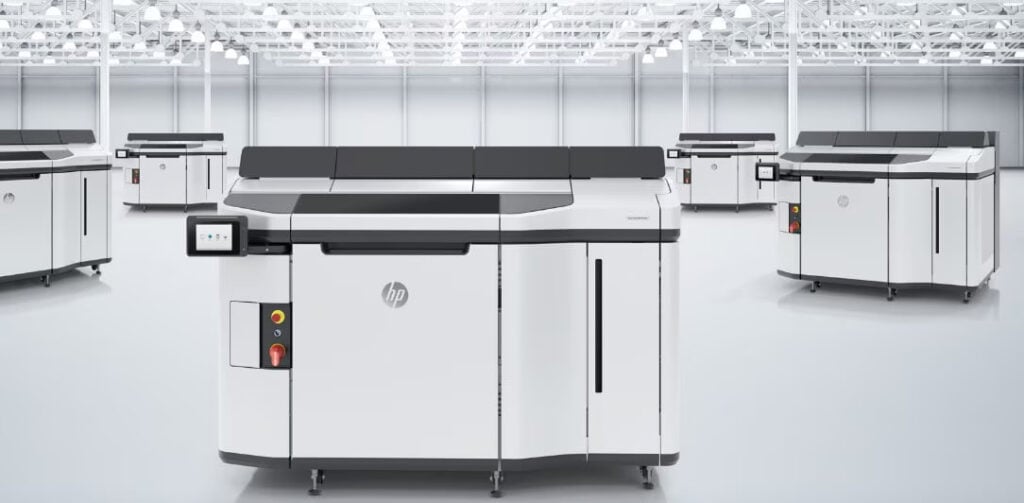
HP has also assessed the use of MJF for small-to-medium quadcopters and core components for larger UAVs. Its example of a 260 mm quadcopter describes how an HP MJF 5600 series printer can achieve annual productivity exceeding 200,000 systems and examines the potential breakeven point compared with injection molding.
For Category I fixed-wing UAVs, HP states that the same printer series can manufacture aircraft with 1.5-meter wingspans at an annual rate exceeding 1,200 systems.
Faster Iteration from Prototype to Final Part
Using one manufacturing system and material throughout development allows engineering teams to design, test, and refine UAV components without moving to a different process for production.
Iterations can be completed in days rather than weeks, helping engineers evaluate aerodynamic changes, integrate new payloads, and incorporate feedback from field operations. Maintaining the same production route also reduces the potential for variations in material performance or part quality between prototype and production stages.
Vecros used this approach to develop ATHERA, an AI-powered quadcopter designed for autonomous navigation, obstacle avoidance, real-time inspections, and 3D mapping.
The aircraft required a new, clean-sheet UAV architecture. By applying HP MJF from prototype through final production parts, Vecros accelerated iteration while enhancing the design and its durability. This approach shortened the route to market without sacrificing performance.
A Consistent Manufacturing Route for UAV Components
HP Multi Jet Fusion provides UAV developers with a common manufacturing process for prototyping and production. Its combination of thin-wall capability, design flexibility, part consolidation, and scalable output supports the manufacture of lightweight components while reducing the need to alter production methods as programs mature.
Across the BushRanger, XperDron, and ATHERA applications, the technology is used to address different UAV manufacturing priorities, including airframe weight, daily production capacity, field repair, and development speed.