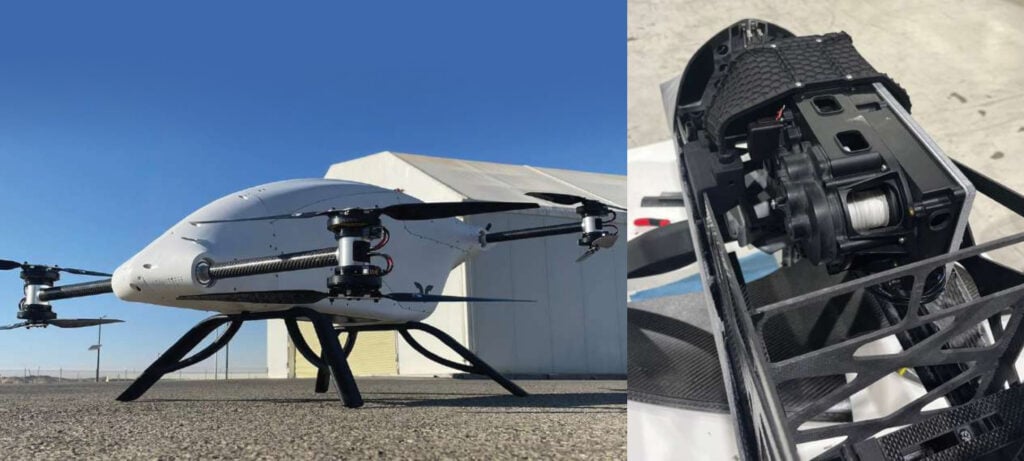
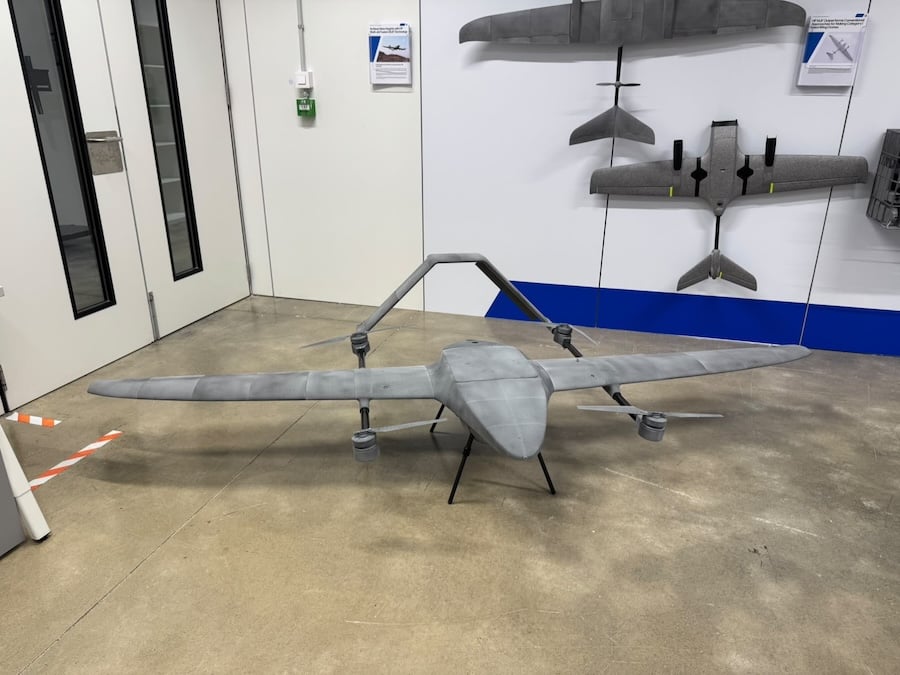
ORKID Tech and HP Additive Manufacturing Solutions have announced a strategic collaboration to develop the next-generation ORKID 260 Gen 2 airframe, a digitally manufactured long-range Vertical Takeoff and Landing (VTOL) aircraft.
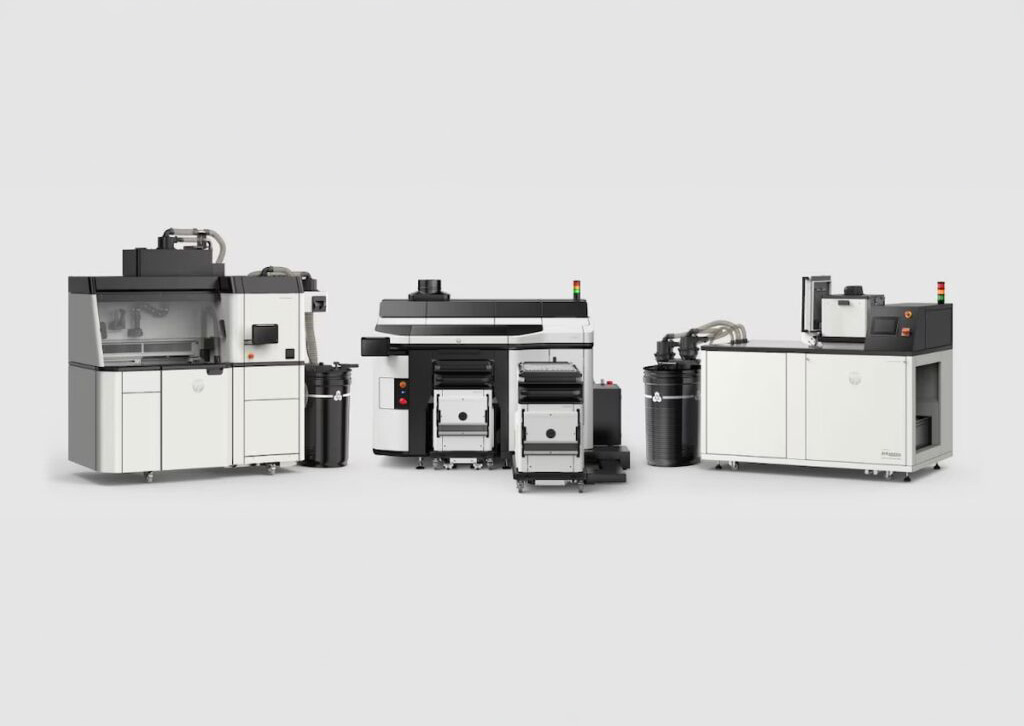
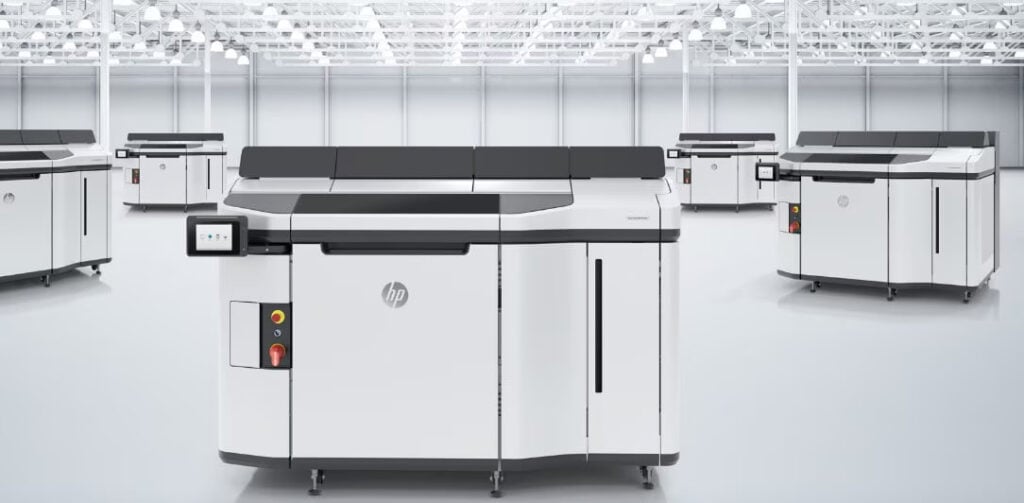
The project will use HP’s Multi Jet Fusion (MJF) additive manufacturing technology, a powder-based process used to produce durable, industrial-grade parts for end-use applications. Led by HP’s Additive Manufacturing team in Barcelona, Spain, with M5D serving as the program integration partner, the initiative is focused on creating a modular airframe with improved aerodynamics, structural efficiency and protection for critical communications equipment.
The current ORKID 260 has demonstrated an endurance exceeding two hours and supports satellite, Radio Frequency (RF) and cellular communications. The platform has been used in demanding operational environments across the Americas.
Building on that experience, the ORKID 260 Gen 2 is being engineered to support greater manufacturing scalability, aerodynamic and structural improvements, simplified assembly and the integration of new payloads.
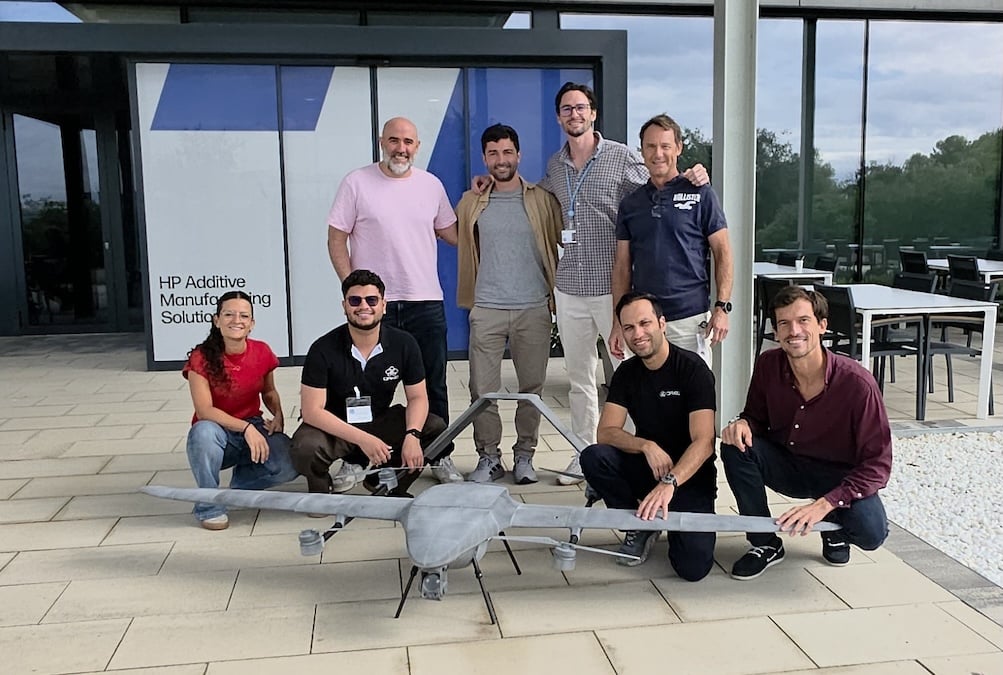
David Mazo, Head of UAV Technology Group, commented, “The ORKID 260 Gen 2 is more than a long-endurance VTOL aircraft with advanced communication systems. Orkid, M5D and the HP UAV Lab teams are partnering on the complete engineering approach behind it, combining expertise in aerodynamic optimization, structural redesign, system integration and laboratory validation. By developing a new full- airframe architecture designed for additive manufacturing, Orkid is creating a platform that reduces complexity, lowers cost, minimizes weight, and is engineered from day one for scalable production in the United States, while maintaining the performance and reliability required for demanding long-endurance missions.”
The planned digital production workflow is intended to accelerate engineering updates and support design changes without requiring extensive alterations to physical tooling. It is also expected to simplify spare-parts management through the use of digital inventories.
Santiago Pinzon, Founder / CO-CEO of ORKID Tech, stated, “Our customers are constantly pushing the boundaries of what unmanned aircraft can accomplish. The ORKID 260 Gen 2 represents the next evolution of our platform—not simply a new manufacturing process, but a completely redesigned aircraft built for the future. By combining advanced aerospace engineering with digital manufacturing, we’re creating a platform that is more aerodynamic, easier to manufacture, faster to evolve, and ready to scale globally.”
The collaboration also supports ORKID Tech’s plans for distributed manufacturing. Once the production workflow has been validated, HP MJF technology could enable certified aircraft components to be manufactured across ORKID facilities in the United States, Colombia and Mexico, as well as by future regional manufacturing partners.
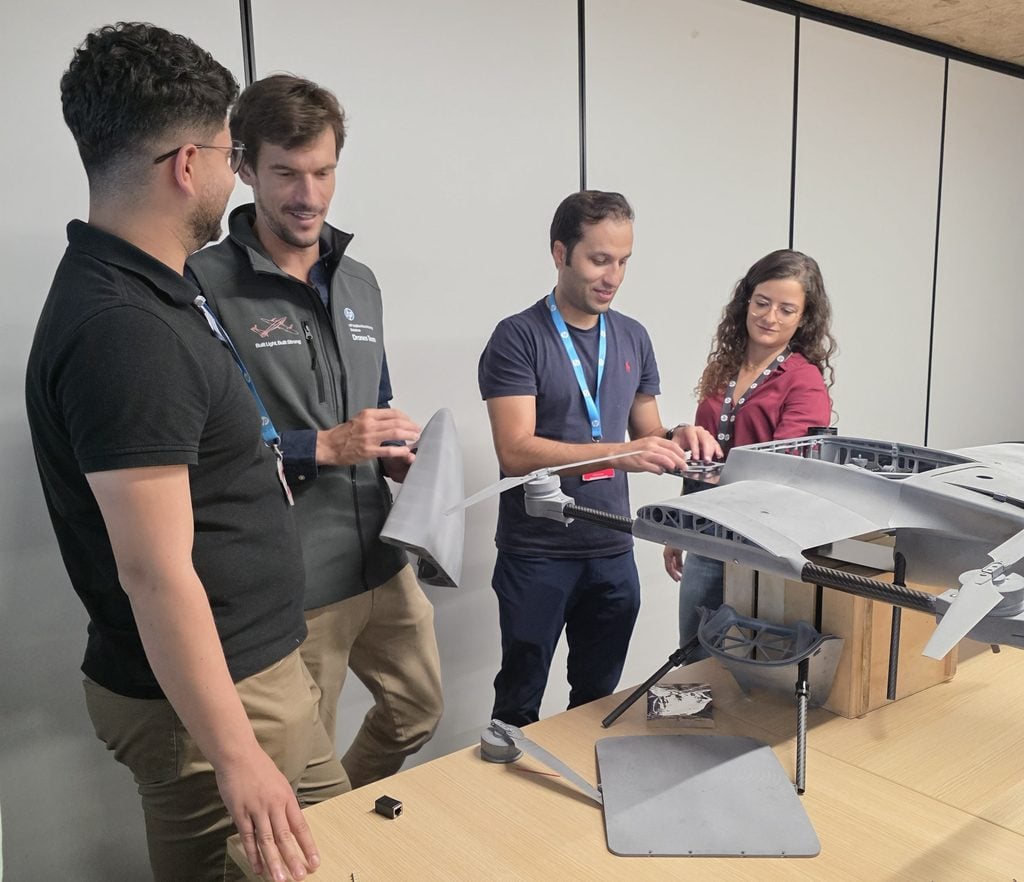
According to the companies, using a common digital aircraft definition and repeatable production processes could strengthen supply chain resilience, reduce logistics complexity and shorten delivery times.
Pinzon added, “This collaboration is about much more than building a new aircraft. It is about redefining how aerospace products are designed, manufactured, and continuously improved. We believe digital manufacturing will become a defining capability for the next generation of aviation, and ORKID intends to lead that transformation.”
The ORKID 260 Gen 2 is intended to establish a manufacturing and technology foundation for future aircraft variants supporting intelligence, surveillance and reconnaissance (ISR), mapping, critical infrastructure inspection, public safety, logistics and emerging autonomous mission applications.