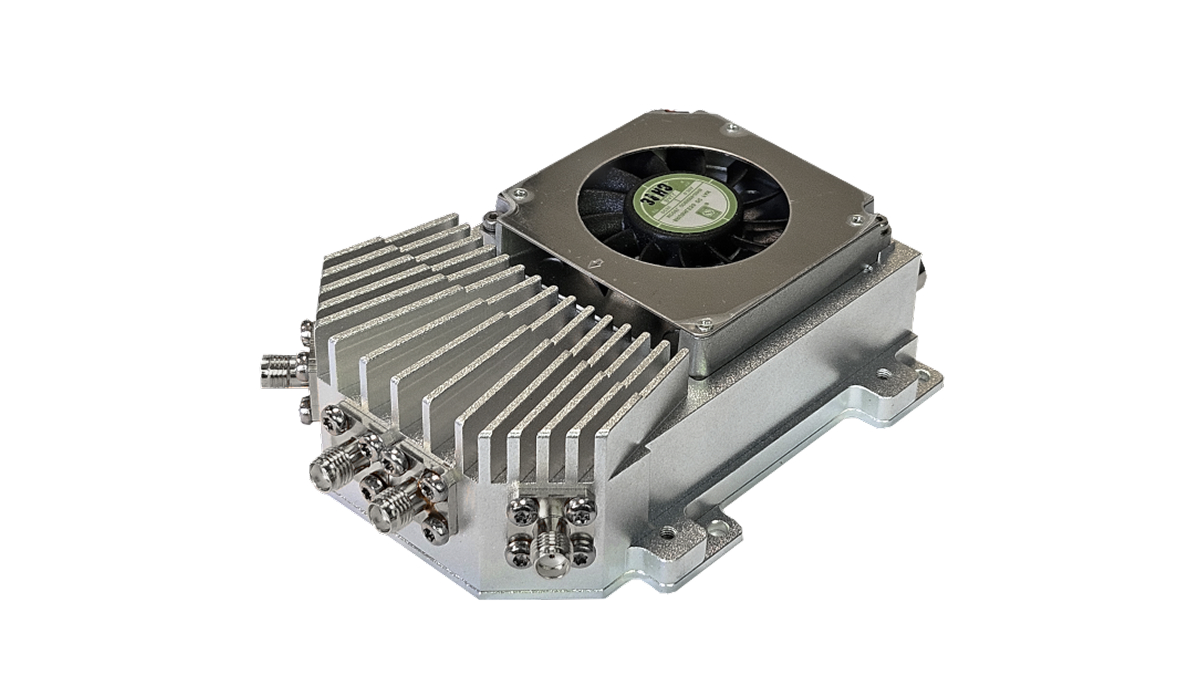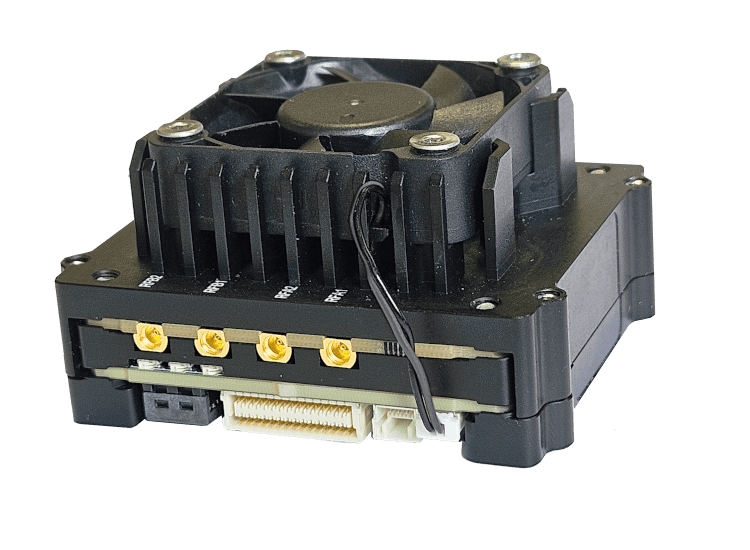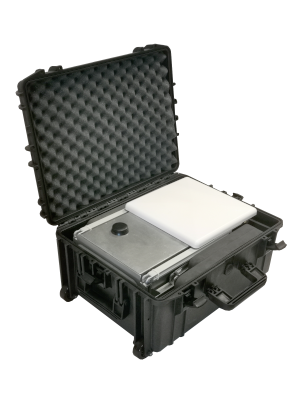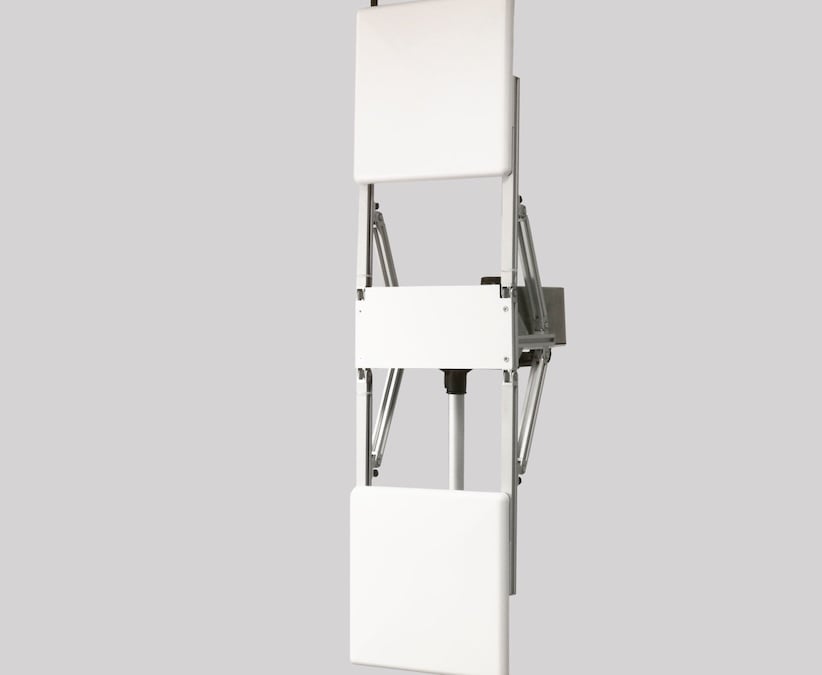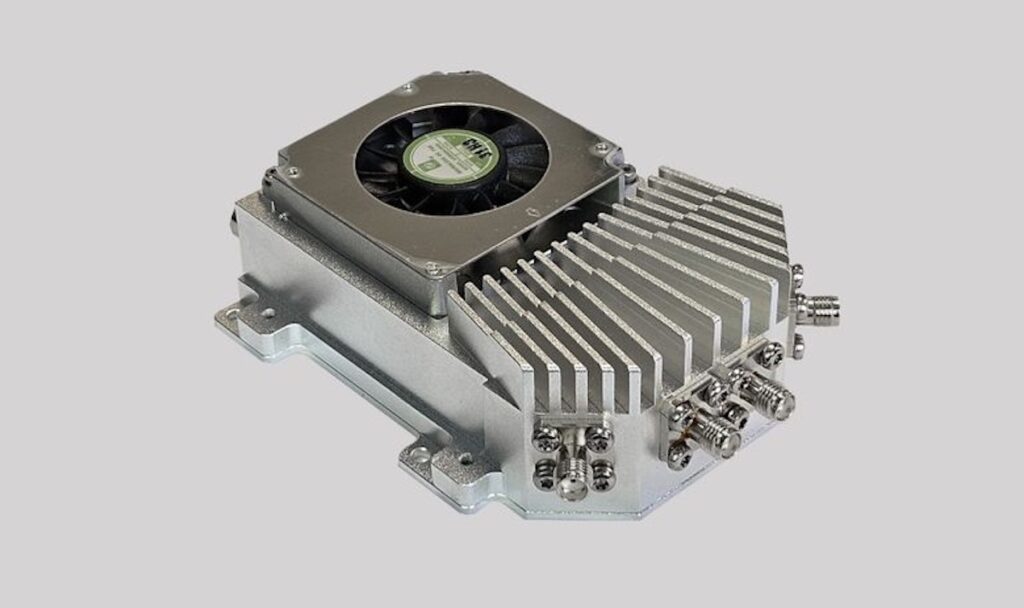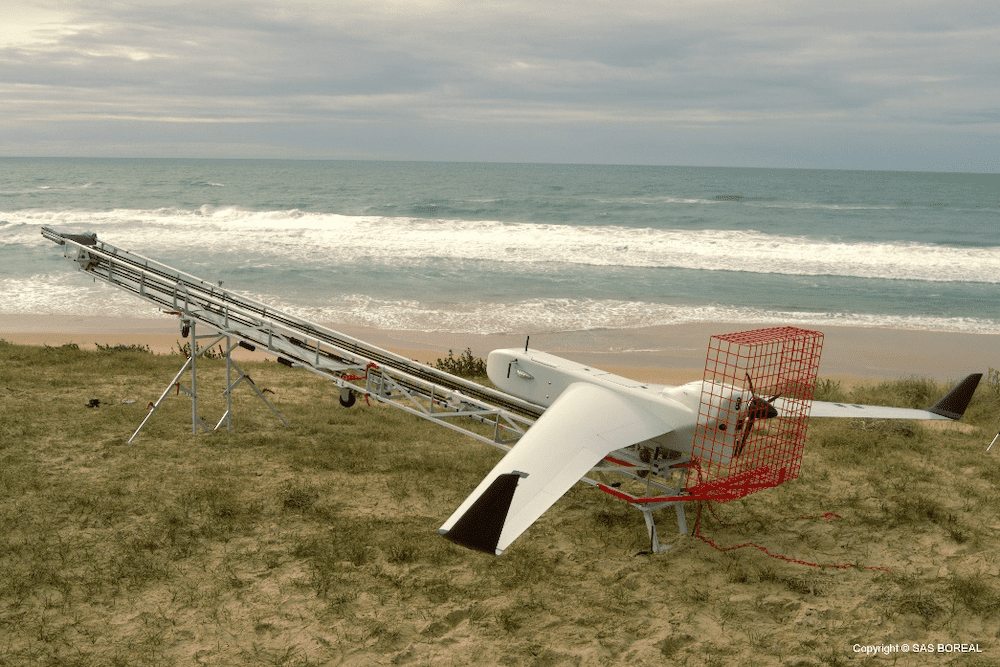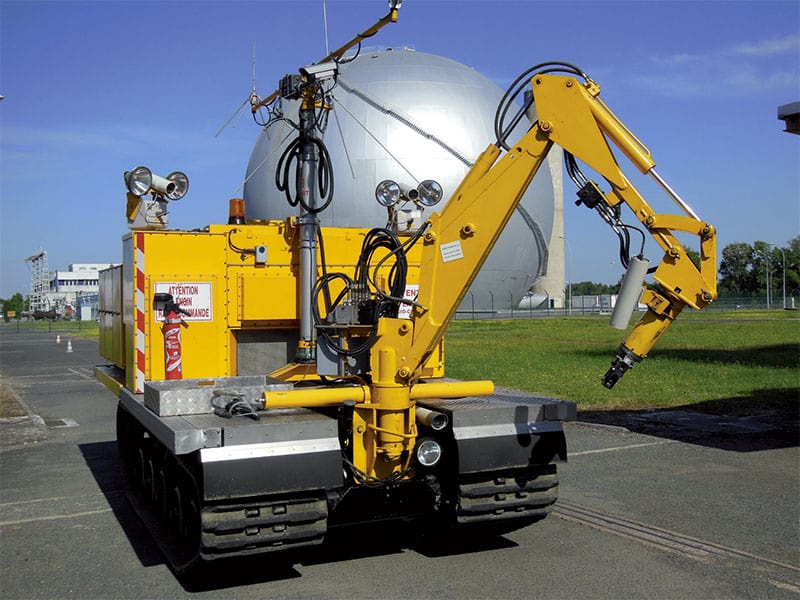





Simpulse highlights the role of infrastructure-independent radio links in maintaining communications across remote or disrupted environments where conventional telecommunications networks are unavailable.
Direct wireless connections can support voice, video, and data transmission without relying on cellular towers, fiber-optic networks, or satellites.
Infrastructure-Independent Radio Communications
Conventional wireless technologies depend on supporting infrastructure. Mobile networks require base stations, particularly for 5G, while Wi-Fi typically relies on routers and associated network connections.
These dependencies create challenges during natural disasters, military conflicts, and operations in remote environments such as mountains, deserts, and oceans.
While walkie-talkies can maintain basic voice communications, transmitting video and larger volumes of data requires more capable radio systems.
Infrastructure-independent radio links operate across frequencies including Very High Frequency (VHF), Ultra High Frequency (UHF), and microwave bands, with potential communication distances ranging from a few kilometers to hundreds of kilometers.
Three principal configurations are used:
- Point-to-Point (P2P): Direct communication between two locations.
- Point-to-Multipoint (P2MP): A central transmitter connecting multiple receivers.
- Mesh Networks: Decentralized networks where devices act as transmitters and receivers, relaying signals to extend coverage.
Adaptive technologies can optimize signal strength and reduce interference, while encryption and error correction can enhance communication security and data integrity.
Proprietary Radio Link Technology
Simpulse identifies limitations in adapting mass-market technologies such as 3G, 4G, and Wi-Fi for specialized long-range communications.
These technologies are generally optimized for short-range, high-density applications. Their development is also influenced by major companies such as Qualcomm, which may be reluctant to make their technologies available for niche applications.
Rather than adapting conventional cellular or Wi-Fi waveforms, Simpulse uses a proprietary waveform tailored for long-range, high-performance communication in challenging environments, without dependence on conventional network infrastructure.
Applications Across Defense and Remote Operations
Infrastructure-independent radio links can support a range of applications where conventional networks are unavailable or impractical.
- Emergency Response: Rapidly establishing communication channels for first responders and relief organizations when conventional networks are damaged or unavailable.
- Military Operations: Supporting secure communications, mission coordination, and real-time information sharing in remote or hostile environments.
- Rural Connectivity: Providing an alternative to costly infrastructure deployment for internet and voice services connecting communities, schools, healthcare facilities, and businesses.
- Temporary Deployments: Establishing communication networks for sporting events, festivals, and other temporary operations without permanent installations.
Benefits, Limitations, and Future Developments
Infrastructure-independent radio links can reduce deployment costs, enable rapid installation, and provide flexible network coverage through expandable mesh and P2MP configurations.
These systems can also be less susceptible to conventional infrastructure failures, while encryption and error correction technologies can enhance communication security and reliability.
However, line-of-sight requirements, interference from weather, terrain, and electronic devices, and regulatory restrictions on radio frequencies can affect deployment and performance. Depending on the frequency and technology used, radio links may also offer lower bandwidth than fiber-optic or satellite connections.
Developments in adaptive signal processing, dynamic frequency allocation, and energy-efficient transmission are contributing to improvements in the performance, reliability, and security of these systems.
Growing demand for remote connectivity and resilient emergency communications, alongside developments in the Internet of Things (IoT) and edge computing, is expected to expand applications for infrastructure-independent radio systems.
Simpulse’s approach illustrates the use of a dedicated radio waveform for specialized communication requirements in environments without established network infrastructure.