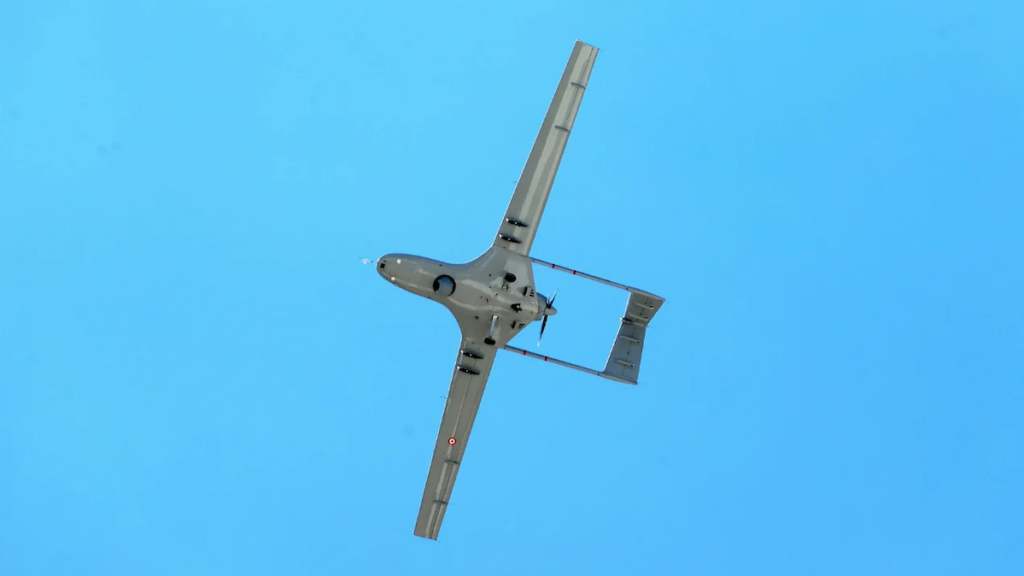
Tyto Robotics examines how operators of gas-powered Unmanned Aerial Vehicles (UAVs) can estimate fuel requirements, measure actual consumption, and improve fuel efficiency. Learn more >>
With fuel burn influenced by temperature, altitude, wind, engine settings, and flight maneuvers, understanding these variables is important for accurate mission planning, particularly when operating close to an aircraft’s range or endurance limits.
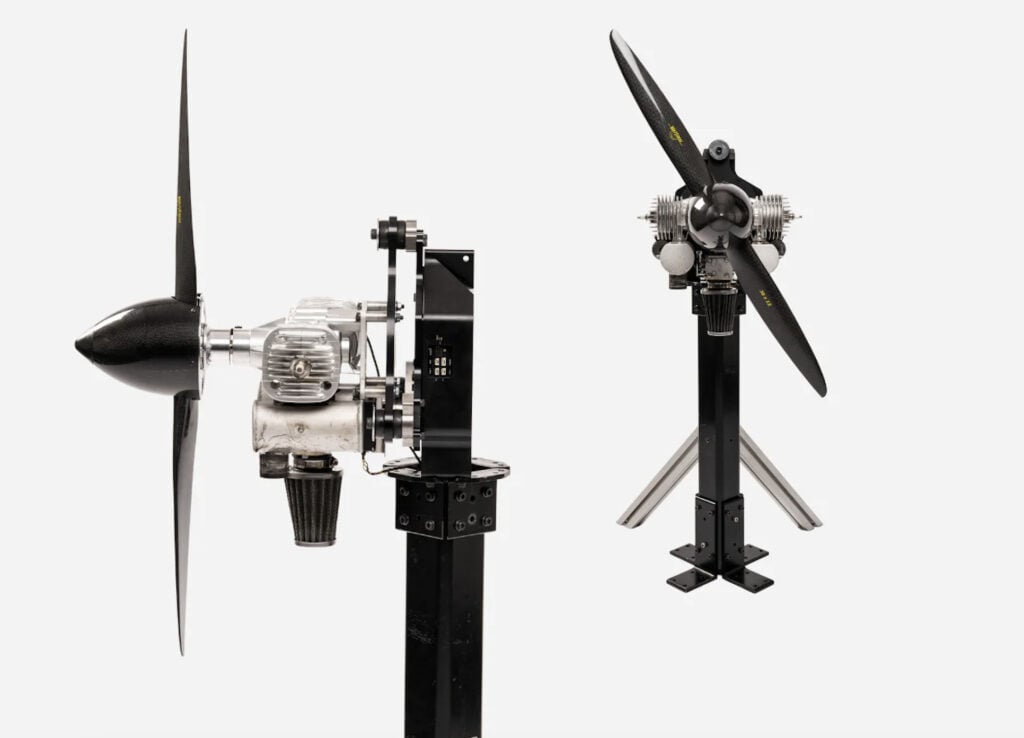
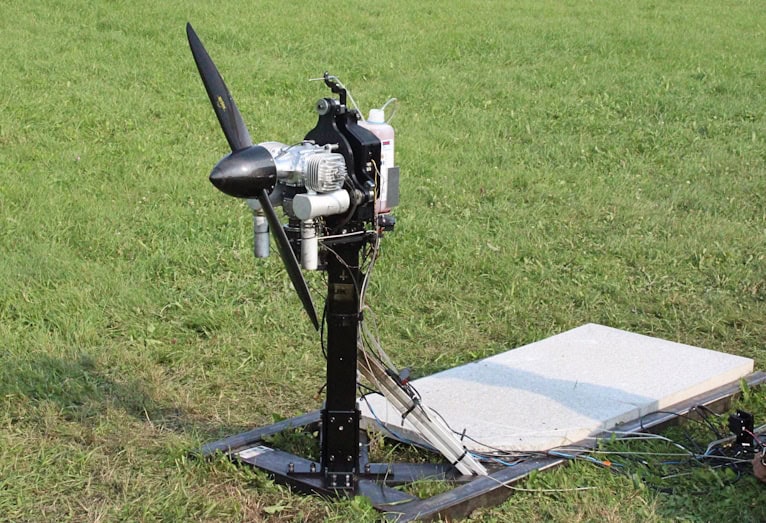
Estimating fuel requirements involves calculating consumption across each phase of flight while accounting for appropriate fuel reserves and BINGO time. For more accurate measurements, Tyto Robotics highlights its Flight Stand 60 engine test stand, which incorporates a fuel flow sensor measuring between 20 and 800 mL/min, with a resolution of 1 mL/min. The Flight Stand software’s Flight Replay feature allows throttle controller data from a previous flight to be uploaded and the throttle pattern replayed during bench testing, providing an estimate of fuel consumption for that flight.
Additional opportunities to reduce fuel consumption include optimizing engine RPM and power settings, carburetor tuning, fuel-air mixtures, propeller pitch, and engine-propeller matching. Tyto Robotics also examines research into propulsion efficiency, alongside the effects of altitude, wind conditions, and flight path optimization. These considerations can help operators identify more efficient operating configurations and better understand how different mission conditions affect fuel requirements.
Combining accurate fuel measurements with appropriate propulsion configurations and flight planning can help operators identify opportunities to extend range, improve endurance, and maintain suitable fuel reserves. Evaluating fuel consumption, thrust, and operating temperatures together can also help identify suitable engine-propeller combinations, while testing with a fuel flow sensor can help quantify the effects of carburetor adjustments on fuel consumption.
For further technical guidance, practical fuel estimation methods, and a detailed examination of seven fuel efficiency techniques, visit the Tyto Robotics website.